Artwork
Mountain Landscape
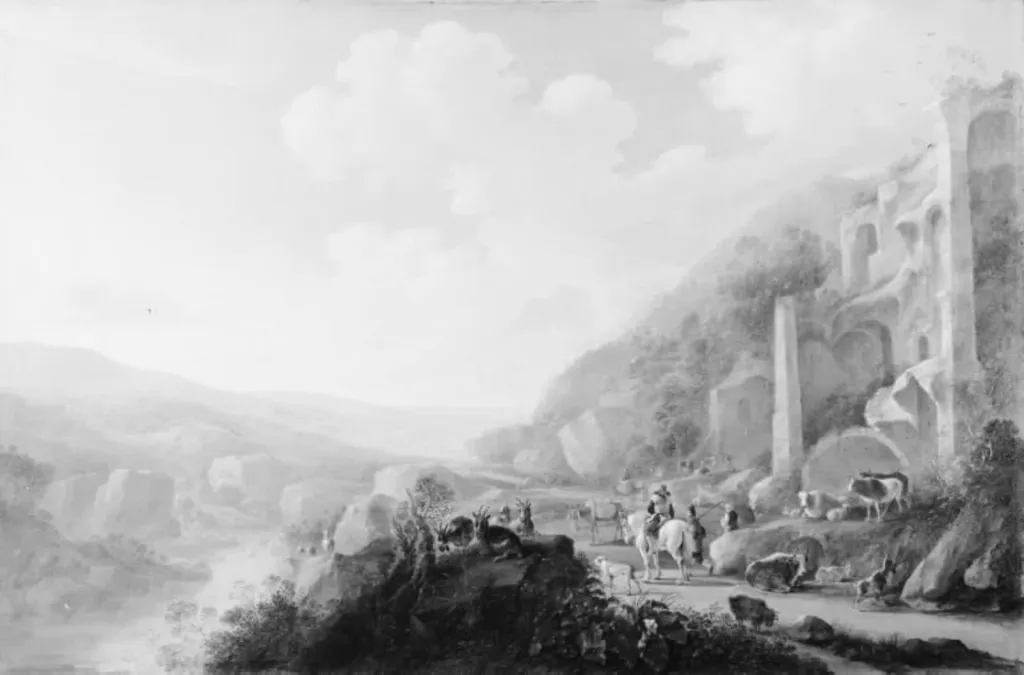
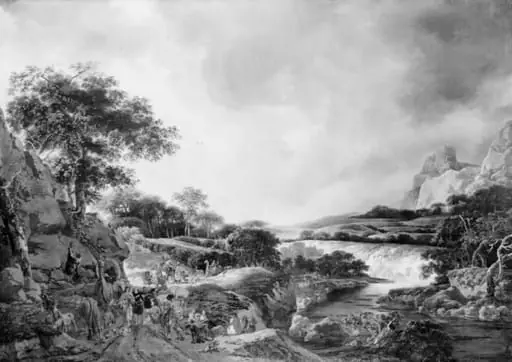
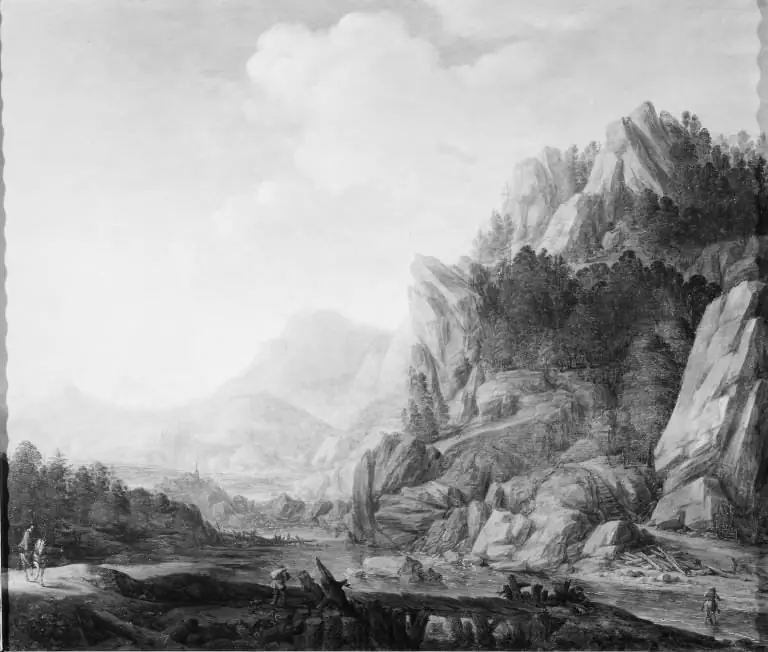
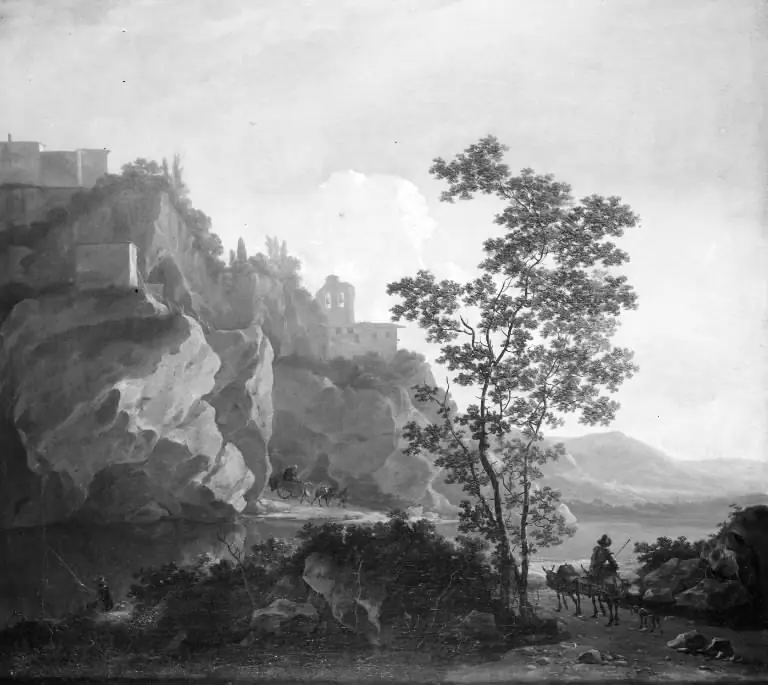
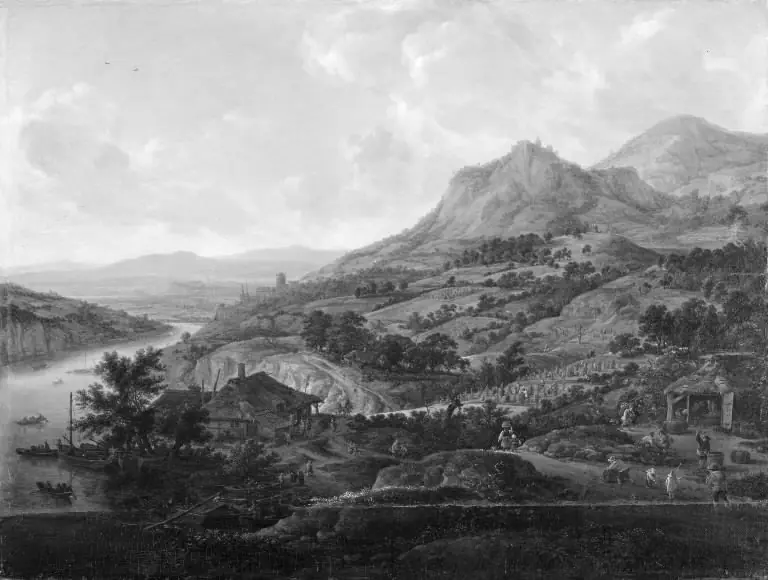
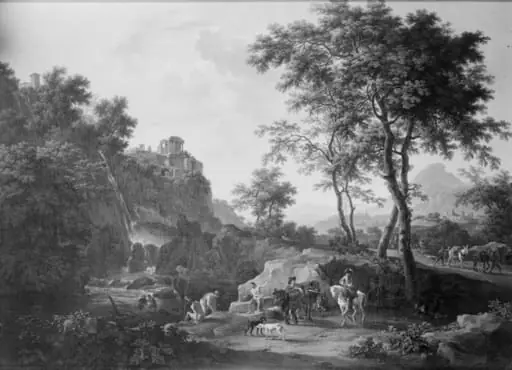
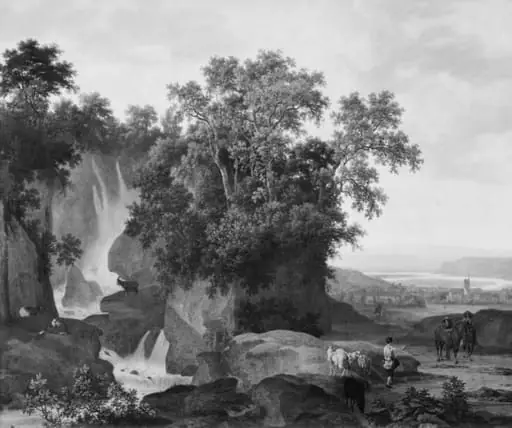
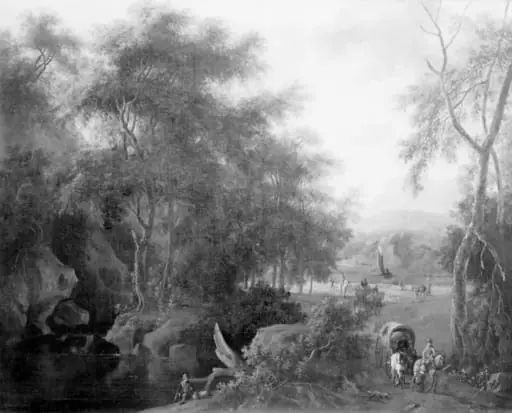
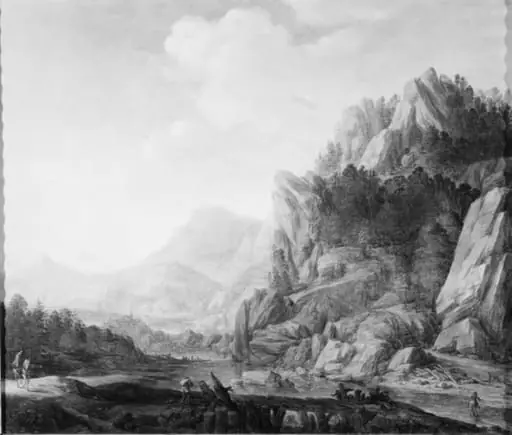
Mountain Landscape is an unspecified painting by the Baroque artist Unknown. It dates from 1648 and is held in the collection of the Statens Museum for Kunst. Painted in 1648, this landscape depicts a quiet mountainous region with a winding path leading toward distant peaks.
About this work
Overview
Painted in 1648, this landscape depicts a quiet mountainous region with a winding path leading toward distant peaks. The work is attributed to 30791_person and resides in the Museum of Ethnography. It presents a composed natural scene, blending human presence with the environment, and reflects the visual language of 17th-century European landscape traditions.
Subject & Meaning
A small group of figures gathers near a rugged rock formation, accompanied by animals, suggesting a moment of rest or transit. The road recedes into the horizon, implying journey or passage. The scene avoids narrative drama, instead evoking stillness and harmony between people and nature, consistent with contemplative landscape ideals of the period.
Technique & Style
The artist employs subtle gradations of light and shadow to suggest spatial depth and atmospheric perspective. Textures in the foreground rocks contrast with the softer, hazy hills beyond, enhancing the sense of distance. The composition is balanced but not rigid, with naturalistic forms and muted tones that prioritize mood over theatricality.
History & Provenance
The painting entered the collection of the Museum of Ethnography at an unknown date, likely through acquisition or donation. Its attribution to 30791_person is based on stylistic analysis and archival records. No documented ownership history prior to museum acquisition is publicly available, leaving its early provenance uncertain.
Context
Created during the mid-17th century, the work aligns with broader European trends in landscape painting, where nature was rendered with increasing attention to observation and mood. While often associated with Baroque aesthetics, this piece avoids overt drama, reflecting a quieter, more regional interpretation of naturalism prevalent in certain Northern European circles.
Legacy
The painting contributes to the understanding of how landscape was perceived beyond grand historical or religious themes. Its preservation in an ethnographic museum suggests an interest in cultural representations of environment rather than purely artistic lineage. It remains a quiet example of everyday naturalism in early modern European art.
Artist & collection

 Domestic Scene
 Giacomo and Cardinal Marco, investing Andrea, Abbot of San Zeno, with his Benefice
 The Nymph of Fontainebleau
 Portrait of a Woman
 Madonna and Child with Saints in the Enclosed Garden
 Venus and Minerva
 Family Group of Four on Sofa
 Wall painting from Room H of the Villa of P. Fannius Synistor at Boscoreale