Artwork
Portrait of a Man
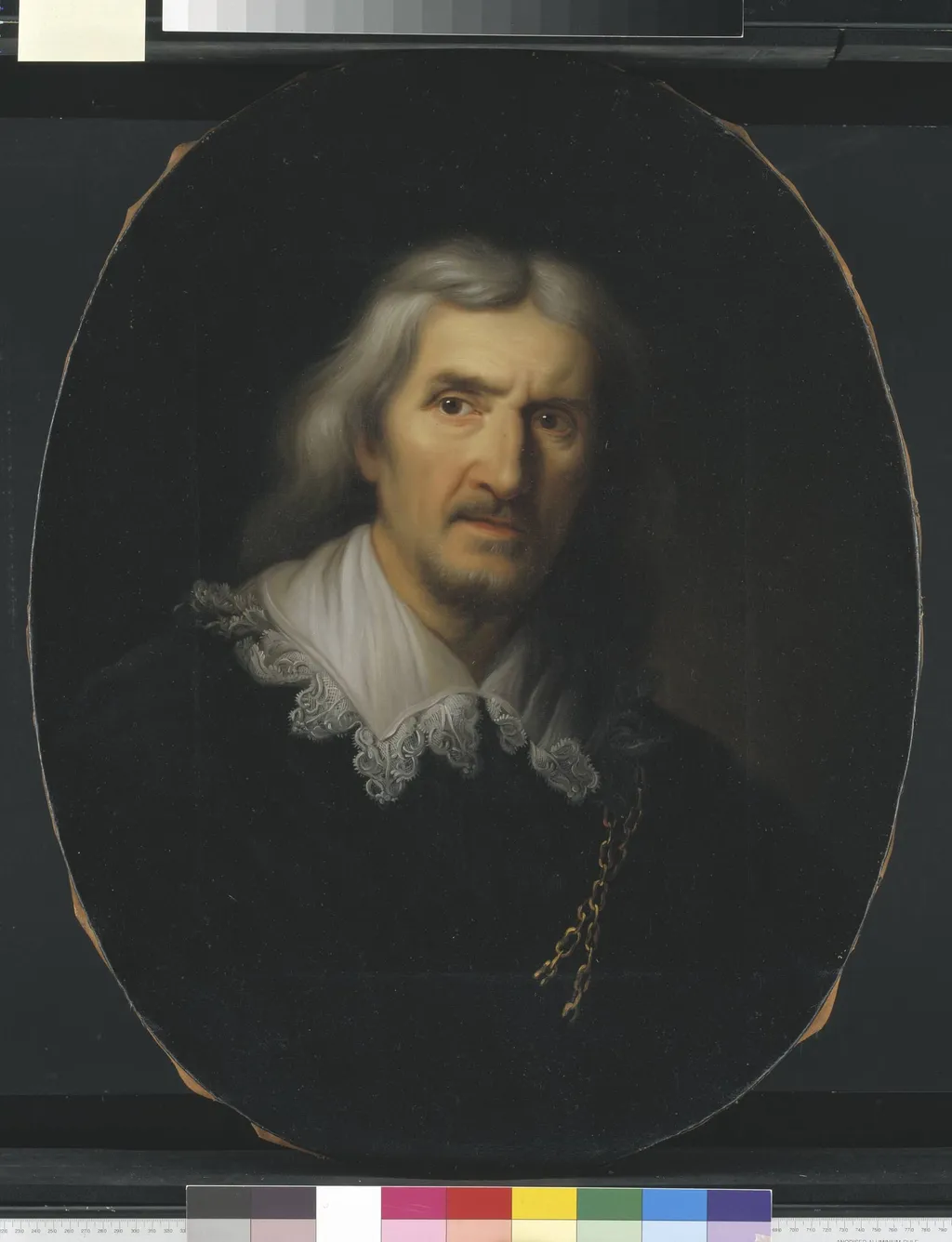
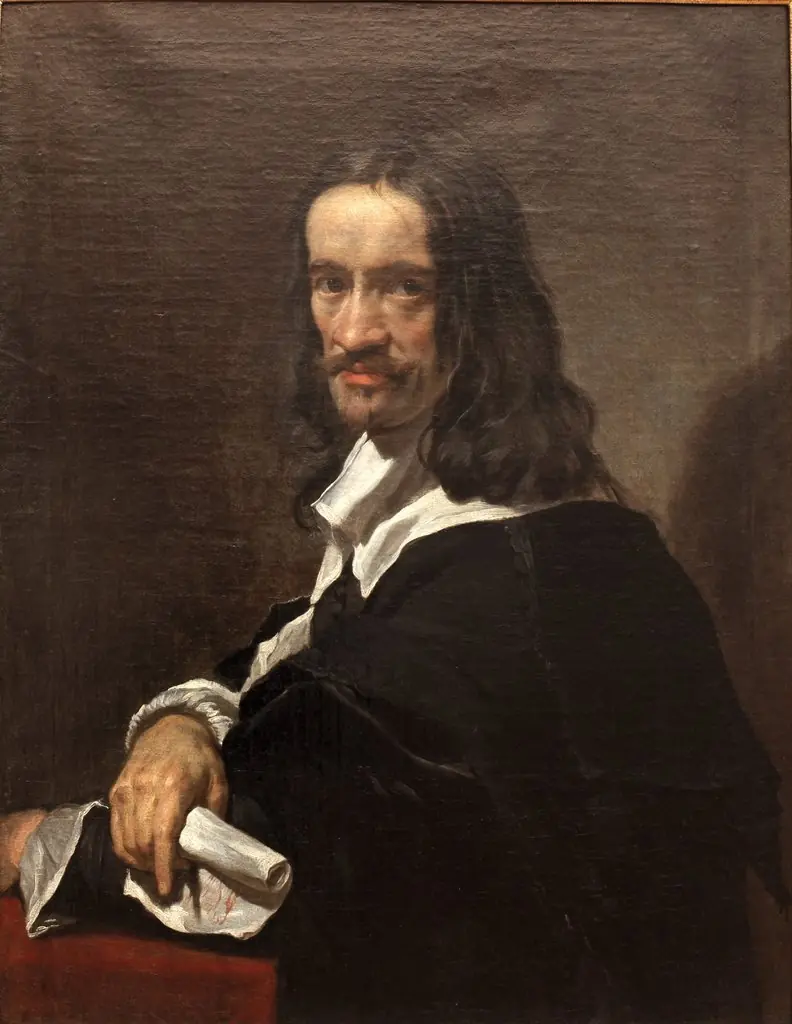
Portrait of a Man is an unspecified painting by Unknown. It dates from 1750 and is held in the collection of the Statens Museum for Kunst. Painted around 1750, this portrait depicts a man with gray hair and a beard, rendered in oil on canvas.
About this work
Overview
Painted around 1750, this portrait depicts a man with gray hair and a beard, rendered in oil on canvas. The work is held in the collection of the Museum of Ethnography. Its composition isolates the subject against a flat black background, emphasizing facial features and attire without contextual elements. The absence of landscape or interior suggests a focus on presence rather than narrative.
Subject & Meaning
The subject is a man of likely elevated social standing, indicated by his lace-trimmed collar and dark chain, possibly a sign of office or affiliation. His direct gaze and composed expression convey solemnity, typical of portraiture from this era that sought to project dignity and restraint. No identifying inscriptions or symbols are present, leaving his exact identity unknown.
Technique & Style
The artist employs chiaroscuro to model the face and collar with subtle gradations of light and shadow. The lace detailing is rendered with fine brushwork, contrasting the smoothness of the skin and the matte texture of the chain. The black background enhances the three-dimensionality of the figure, drawing attention to the play of light on fabric and flesh.
History & Provenance
The painting entered the Museum of Ethnography’s collection in the late 19th century, though its earlier ownership remains undocumented. It was likely acquired as part of a broader effort to preserve regional portraiture, though its origins are not tied to any known cultural or ceremonial context within the museum’s ethnographic scope.
Context
Created during the mid-18th century, the portrait reflects conventions of European civic portraiture, where attire and expression signaled status rather than individuality. The use of a dark ground aligns with practices seen in Dutch and Flemish painting of the previous century, though the work lacks the elaborate settings typical of aristocratic commissions.
Legacy
The portrait endures as an example of restrained, observational portraiture from a period when formal representation was prioritized over emotional expression. Its preservation in an ethnographic museum, rather than a fine arts institution, invites questions about how cultural identity and artistic value were interpreted in collecting practices of the 1800s.
Artist & collection

 Domestic Scene
 Giacomo and Cardinal Marco, investing Andrea, Abbot of San Zeno, with his Benefice
 The Nymph of Fontainebleau
 Portrait of a Woman
 Madonna and Child with Saints in the Enclosed Garden
 Venus and Minerva
 Family Group of Four on Sofa
 Wall painting from Room H of the Villa of P. Fannius Synistor at Boscoreale
 Portrait of a Man
 Bildnis eines bejahrten Mannes
 Self-Portrait
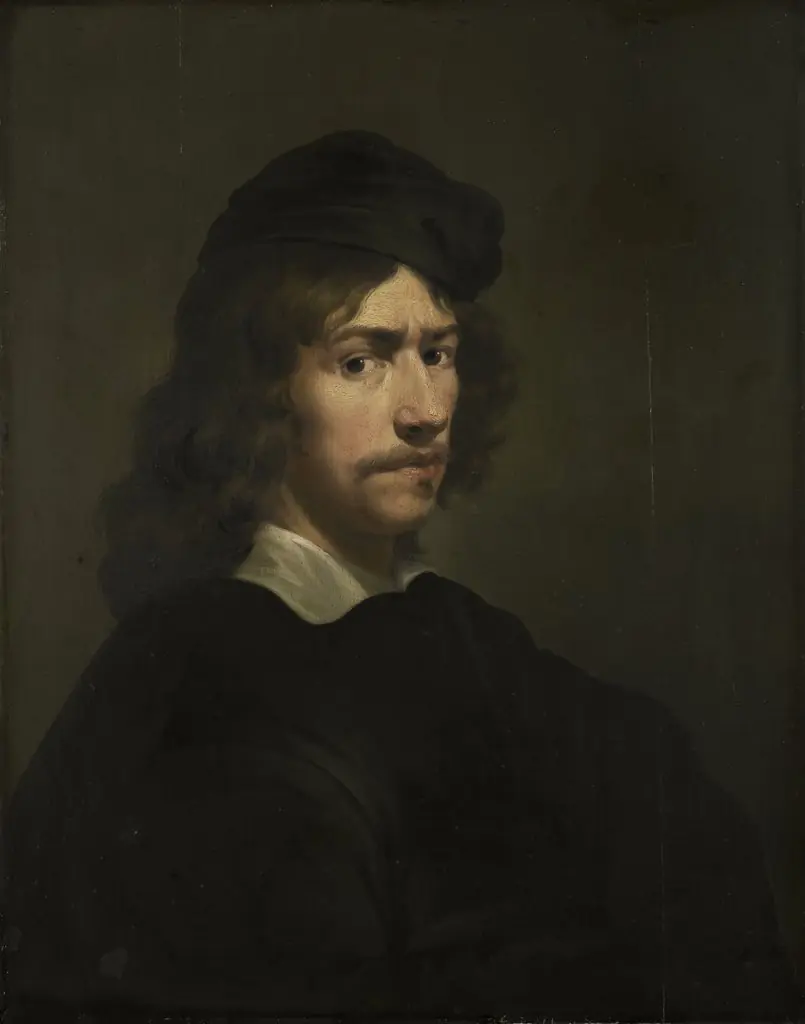 Self portrait
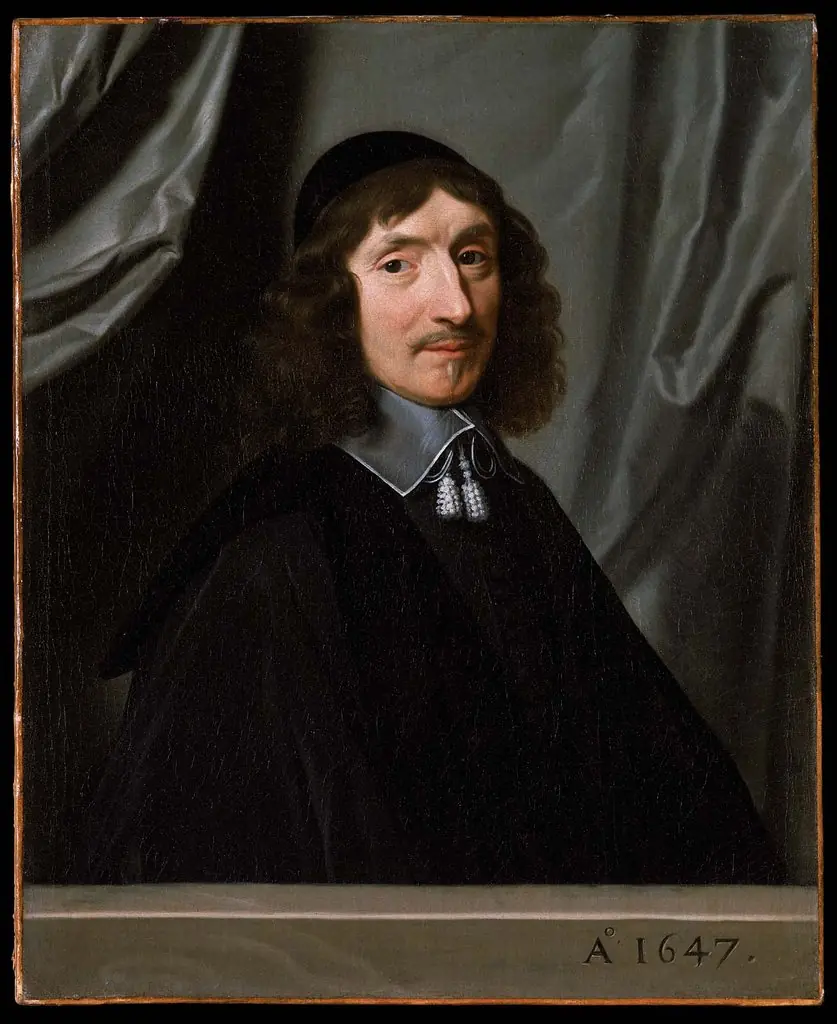 Valentin Valleron de Perrochel
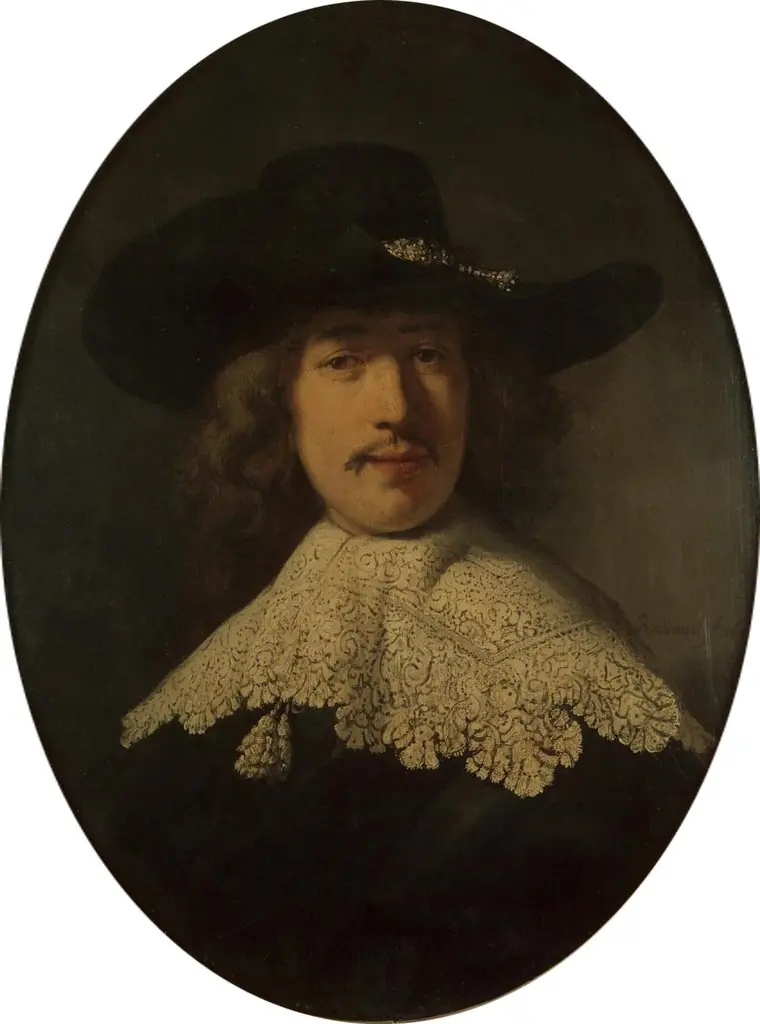 Portrait of a Young Bachelor
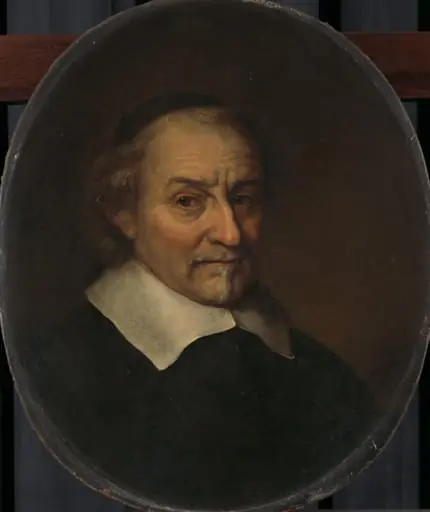 Joost van den Vondel (1587-1679), Poet
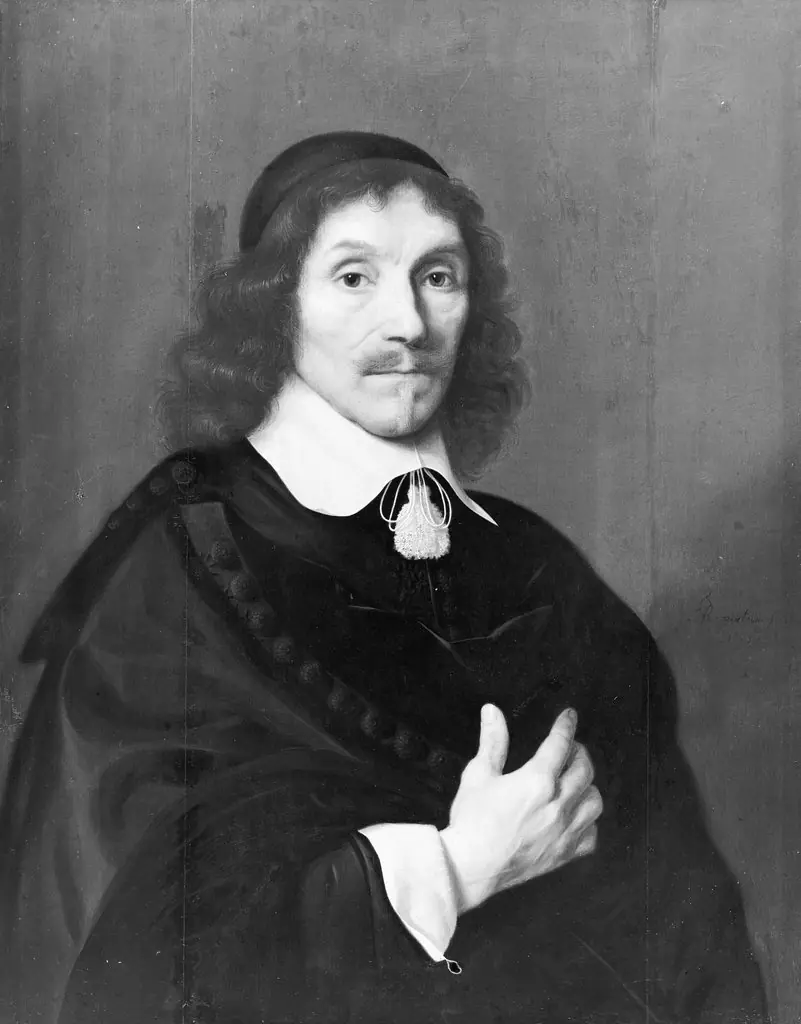 Man's portrait
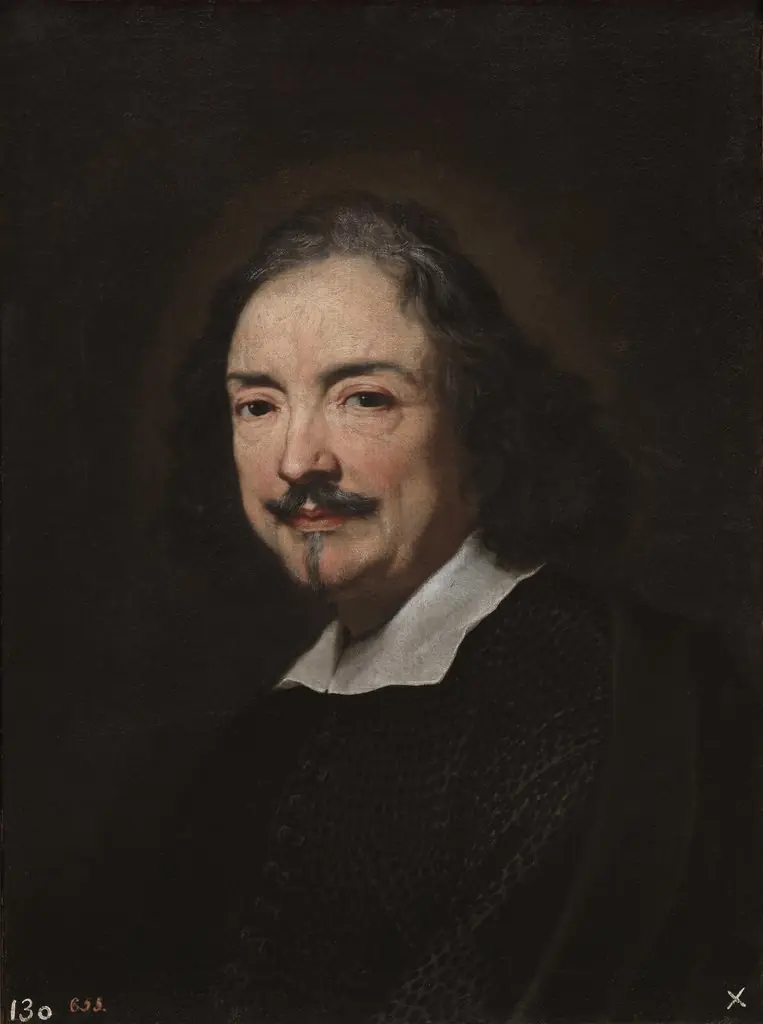 The Painter Andrea Sacchi
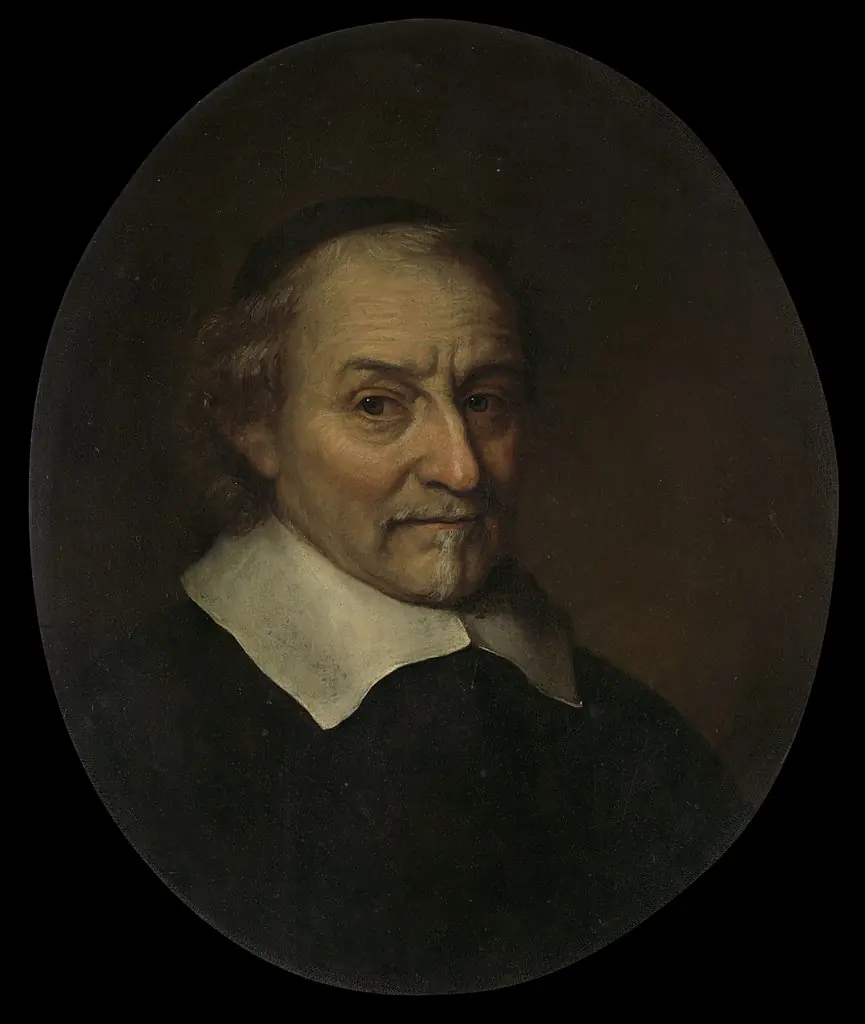 Joost van den Vondel (1587–1679). Poet
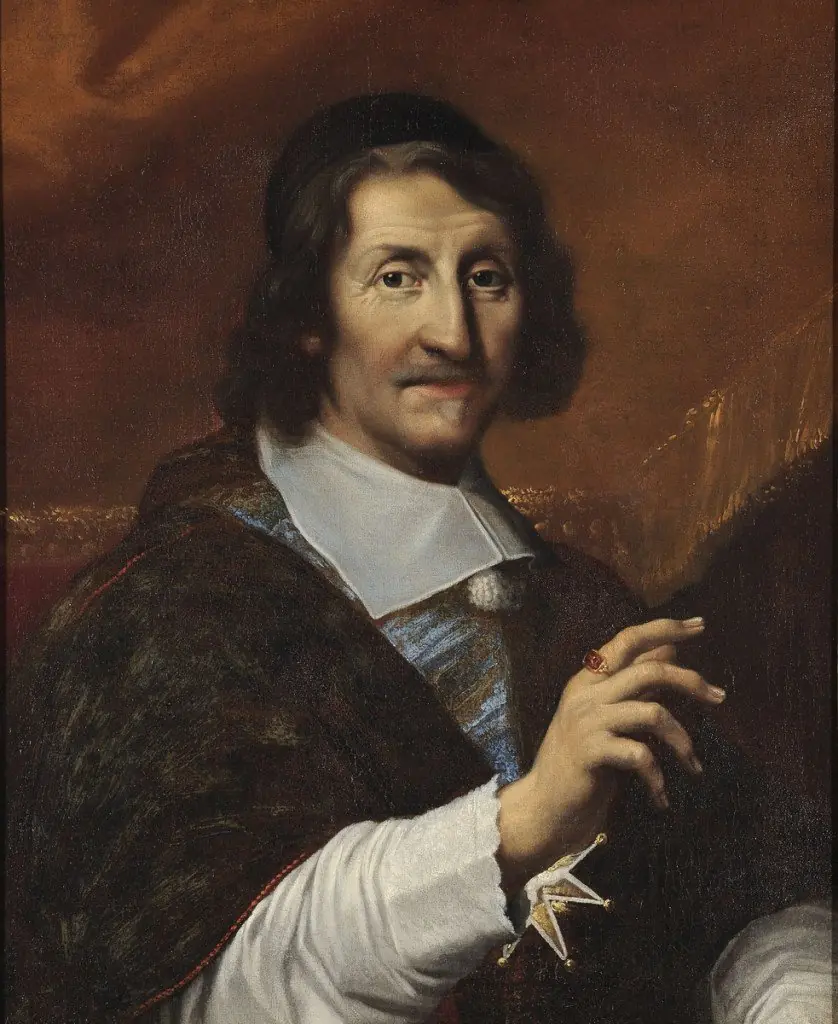 L'Archevêque Camille de Neuville de Villeroy
 Self-portrait