Artwork
Valentin Valleron de Perrochel
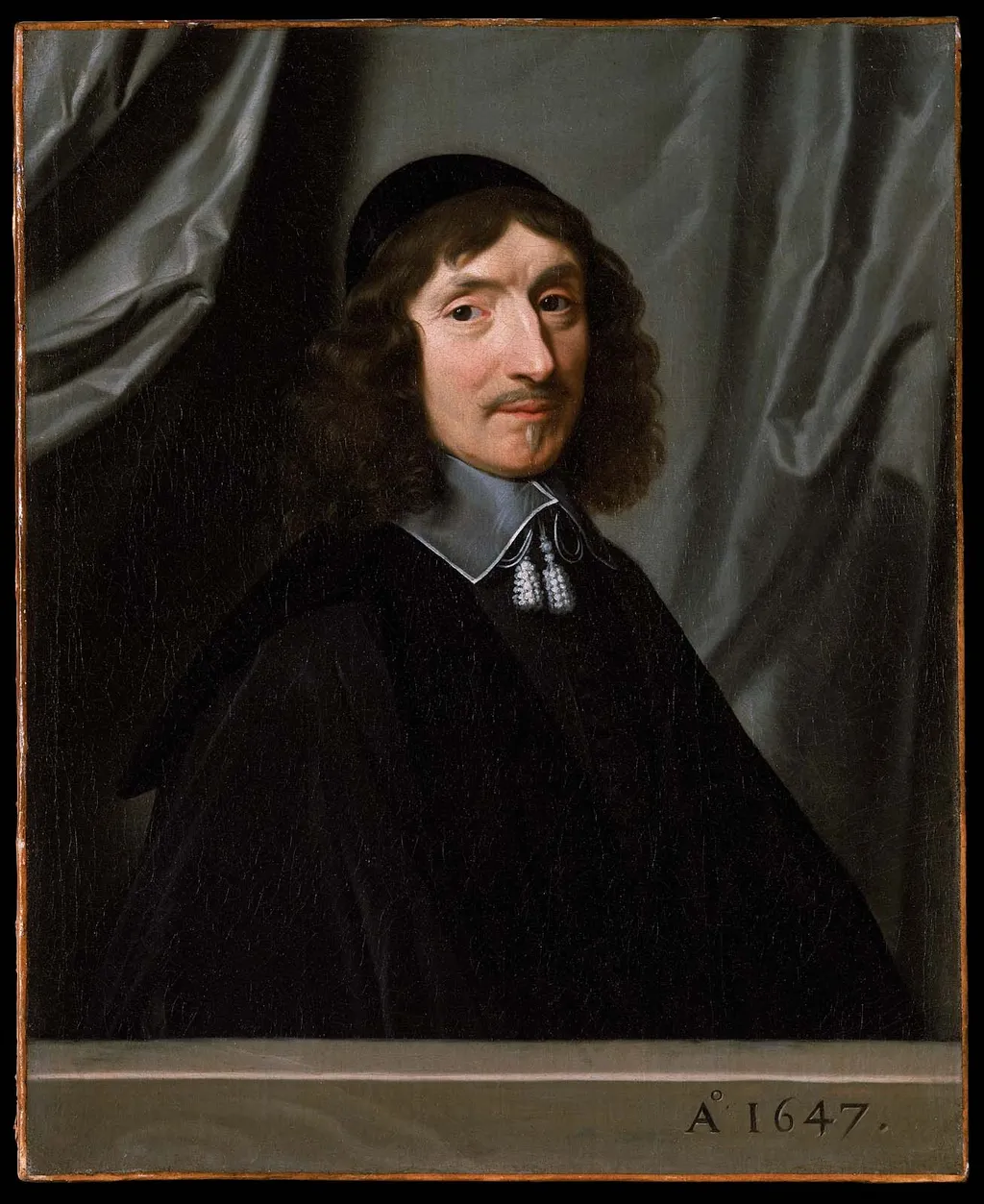
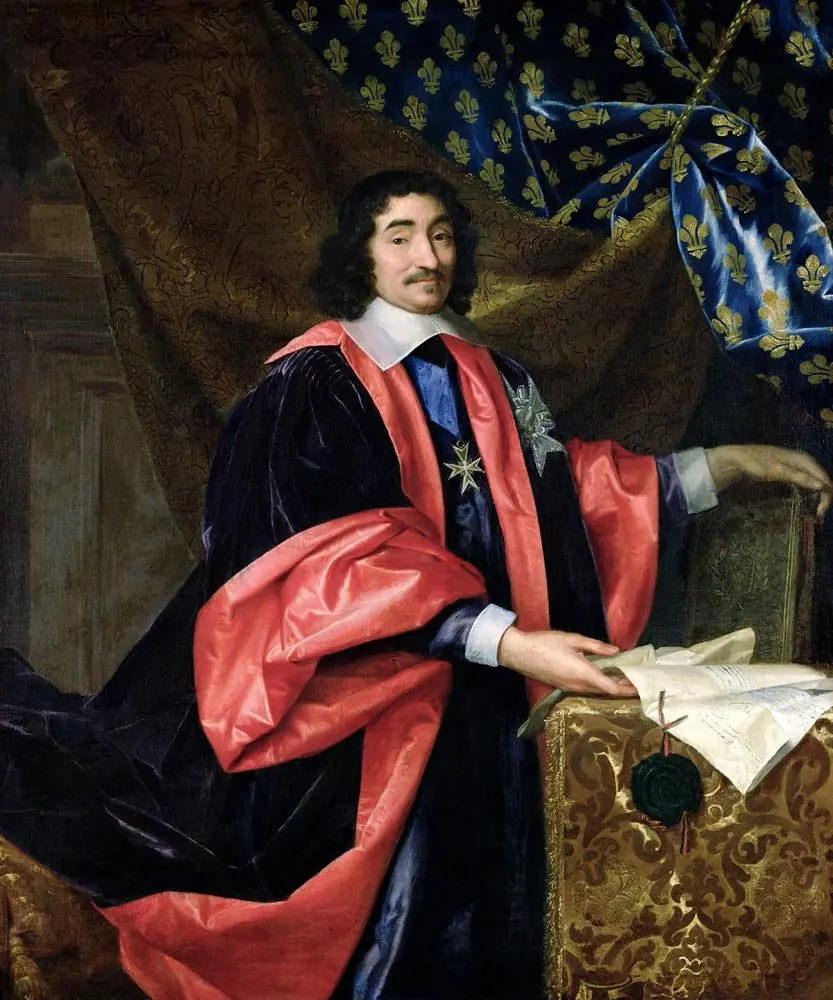
Valentin Valleron de Perrochel is an oil painting by the French Classical Baroque artist Philippe de Champaigne. It dates from 1648 and is held in the collection of the Museum of Fine Arts Boston.
About this work
Overview
Painted around 1648, this oil portrait by Philippe de Champaigne depicts Valentin Valleron de Perrochel, a French nobleman of the mid-seventeenth century.
Painted around 1648, this oil portrait by Philippe de Champaigne depicts Valentin Valleron de Perrochel, a French nobleman of the mid-seventeenth century. Champaigne, a Brabant-born artist active in Paris, was among the founding members of the Académie royale de peinture et de sculpture. The work exemplifies his role as a leading portraitist at the French court, where he cultivated a style marked by clarity and quiet authority.
Subject & Meaning
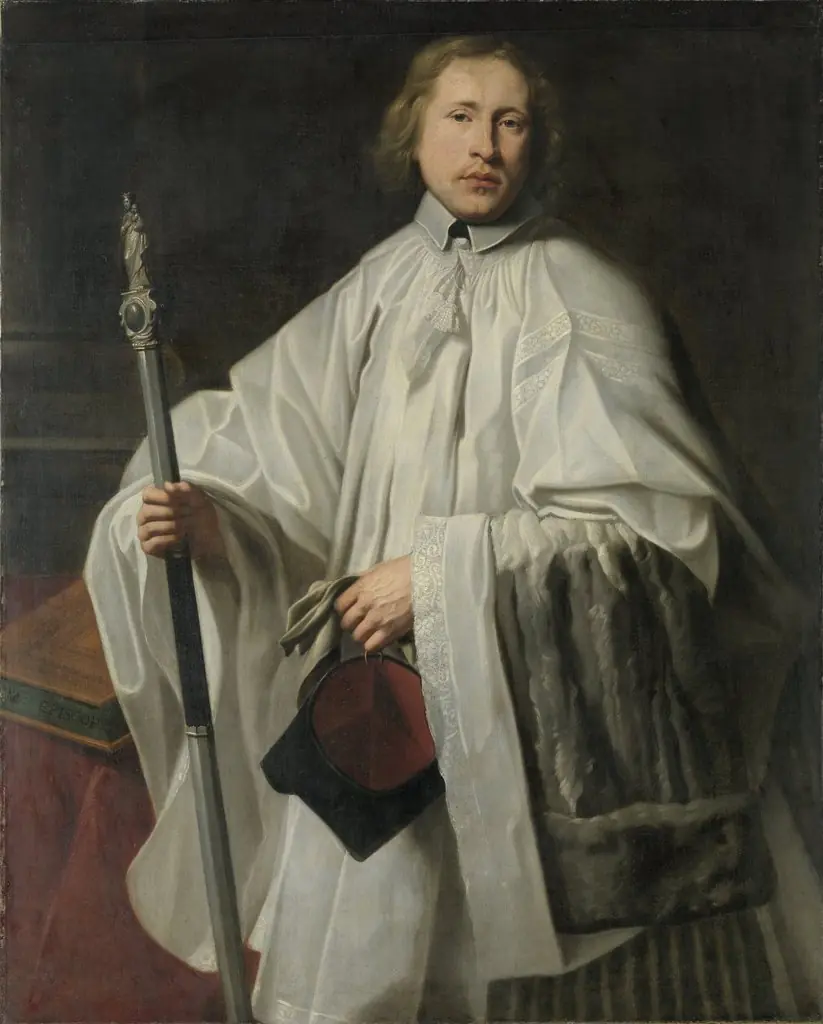
Valentin Valleron de Perrochel is portrayed with composed dignity, his direct gaze and subtle smile suggesting quiet confidence rather than ostentation. Dressed in a dark robe with a high white collar and a silver brooch, his attire reflects the refined tastes of the French elite. The absence of symbolic objects or elaborate settings emphasizes personal presence over status display, aligning with the era’s preference for restrained nobility.
Technique & Style
Champaigne employed precise brushwork to render textures—the crispness of the collar, the sheen of the brooch, the soft curl of hair—with minimal flourish. The dark grey background isolates the figure, focusing attention on facial expression and posture. His palette is muted, dominated by blacks and grays, relieved only by the pale collar and metallic glint. This approach reflects the French Classical Baroque ideal: order, balance, and emotional restraint.
History & Provenance
The portrait entered the collection of the Museum of Fine Arts, Boston, where it remains today. While specific details of its early ownership are not fully documented, its survival in good condition suggests it was preserved within private or institutional collections in France before its transfer to the United States in the twentieth century.
Context
Created during the reign of Louis XIII and the early years of Louis XIV, the portrait reflects the cultural shift toward formalized courtly identity in France. Champaigne’s style, influenced by Flemish realism and French classicism, offered an alternative to the flamboyance of Italian Baroque. His portraits became models for depicting intellectual and aristocratic authority without theatricality.
Legacy
Champaigne’s disciplined approach to portraiture helped define French academic standards in the seventeenth century. His works, including this one, influenced generations of painters who sought to convey character through subtlety rather than spectacle. The painting endures as a quiet testament to the values of composure and restraint that shaped French elite culture at the time.
Artist & collection
Artist
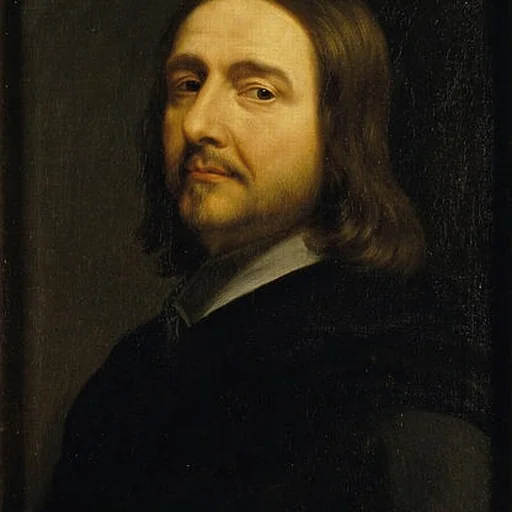
Philippe de Champaigne (French pronunciation: ; 26 May 1602 – 12 August 1674) was a Brabant-born French Baroque era painter, a major exponent of French Baroque painting.

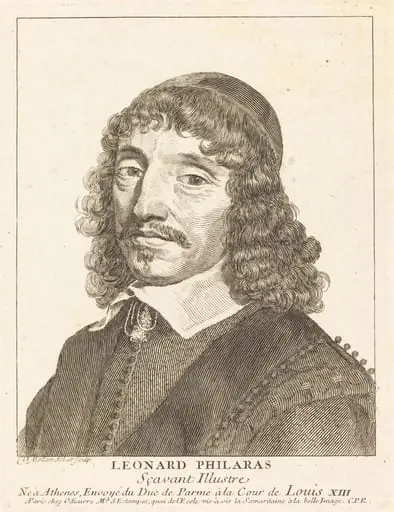 Leonardos Philaras
 Portrait of a Man
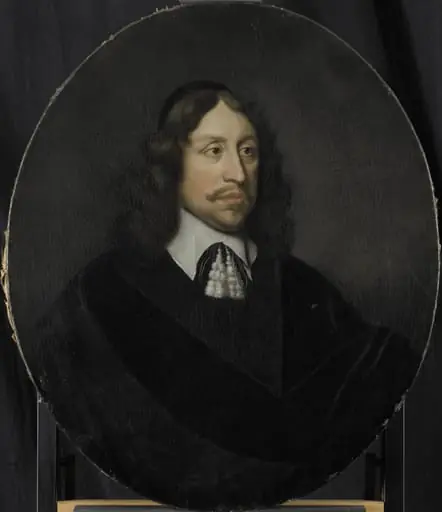 Portrait of Johan de Vries, Director of the Rotterdam Chamber of the Dutch East India Company, elected 1667
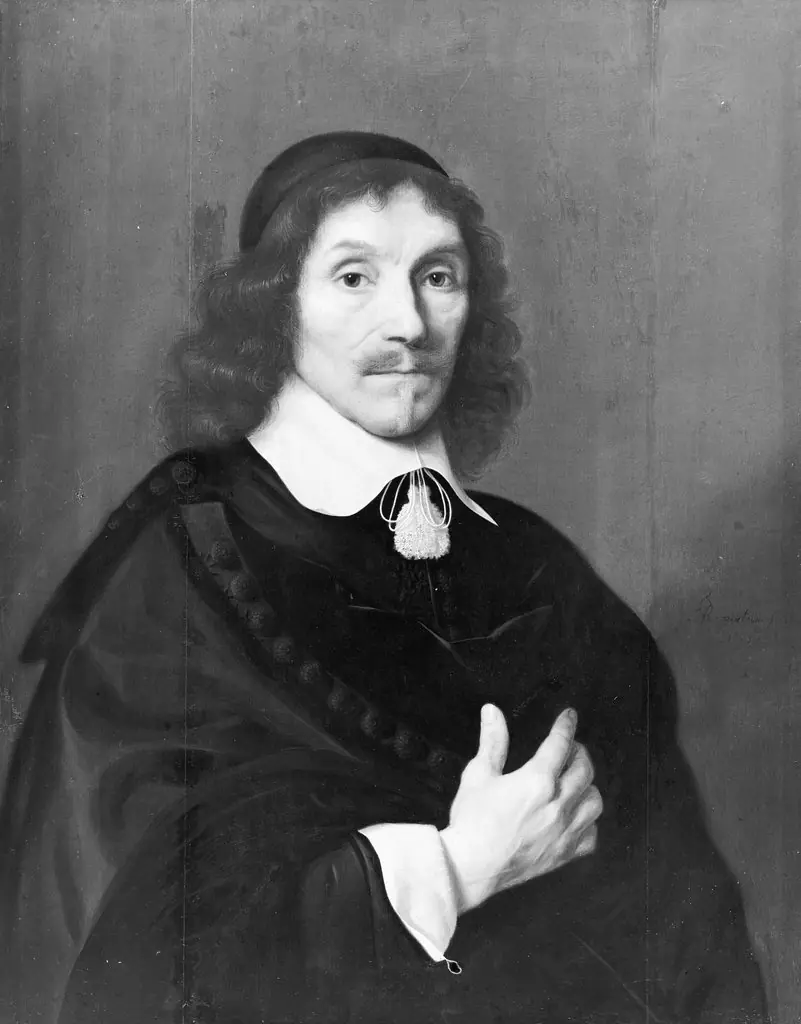 Man's portrait
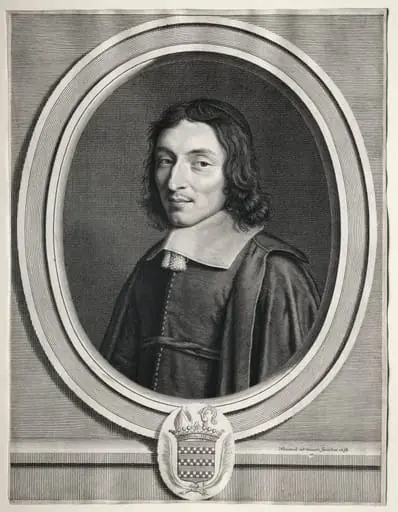 Cardinal de Coislin
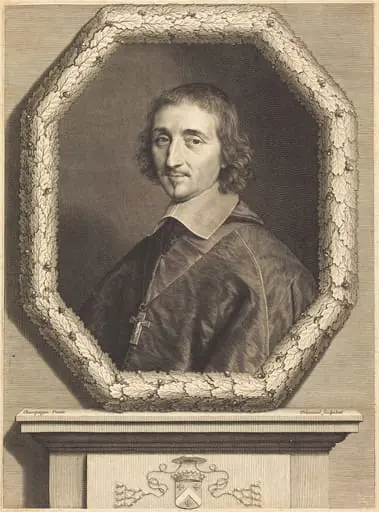 Ferdinand de Neufville
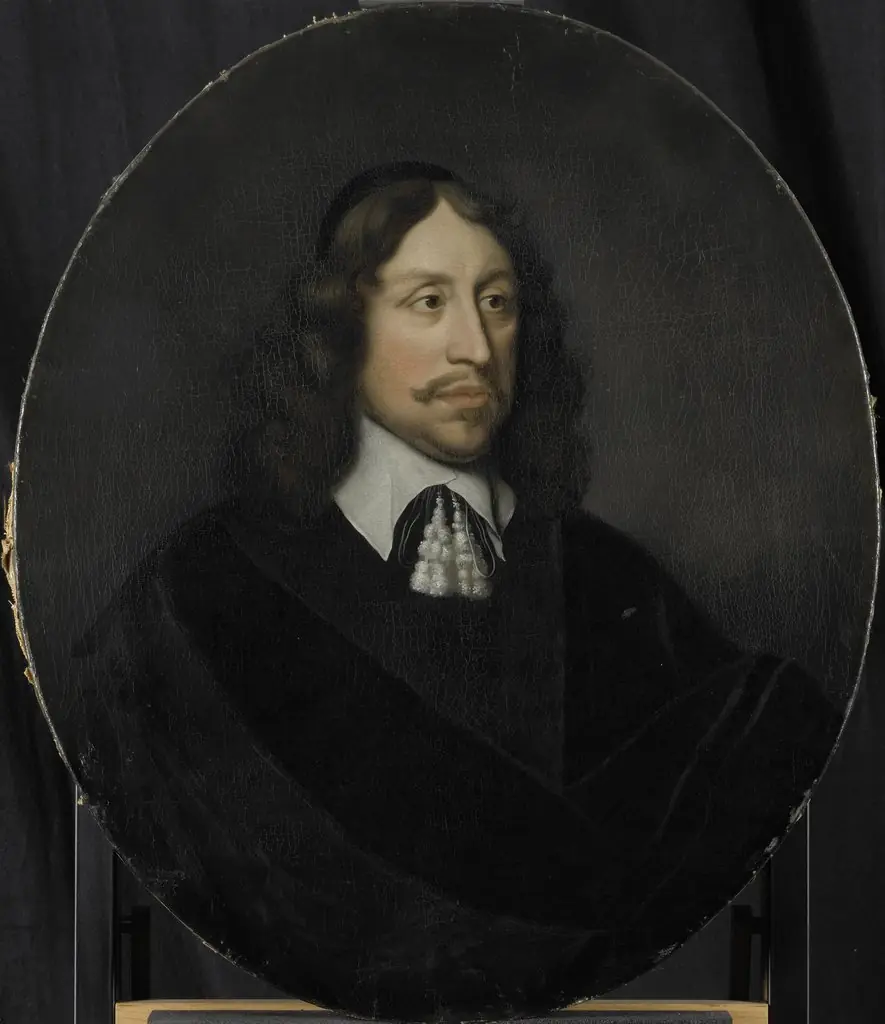 Portrait of Johan de Vries, Director of the Rotterdam Chamber of the Dutch East India Company, elected 1667
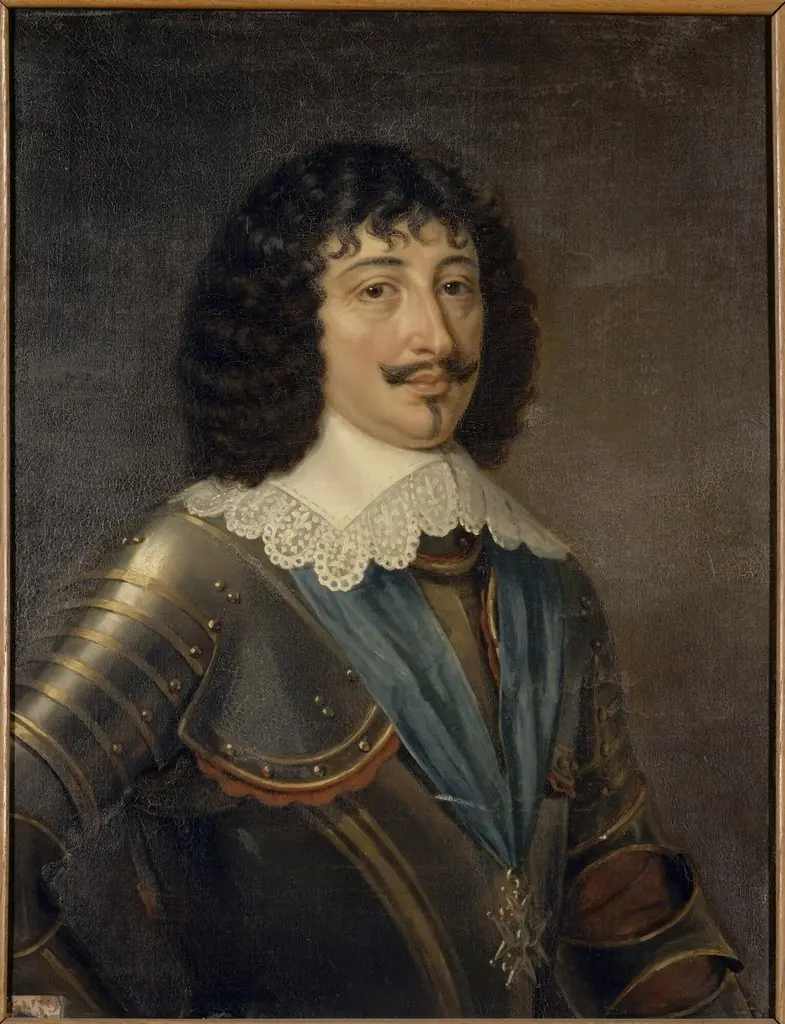 Urbain de Maillé, Marquis de Brézé, Marshal of France (1597-1650)
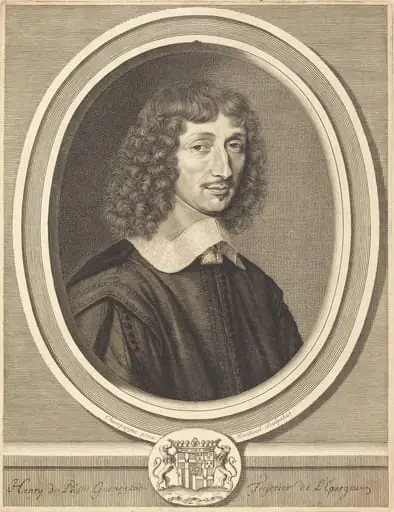 Henri de Guenegaud
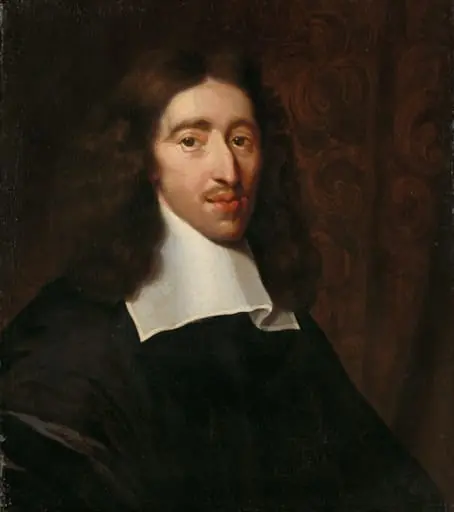 Portrait of Johan de Witt (1625-72), Grand pensionary of Holland
 Portrait of chancellor Pierre Séguier (1588-1672)