Artwork
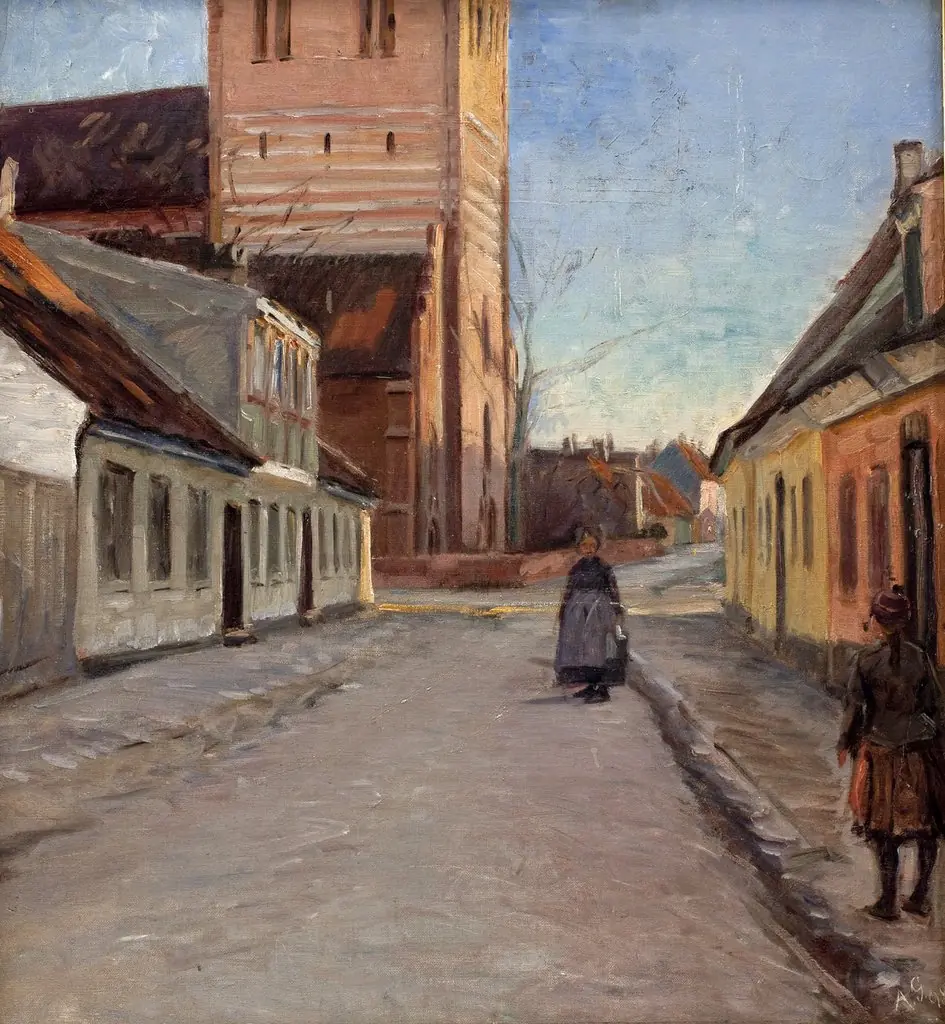
Gade i Køge med Nicolai kirke til venstre
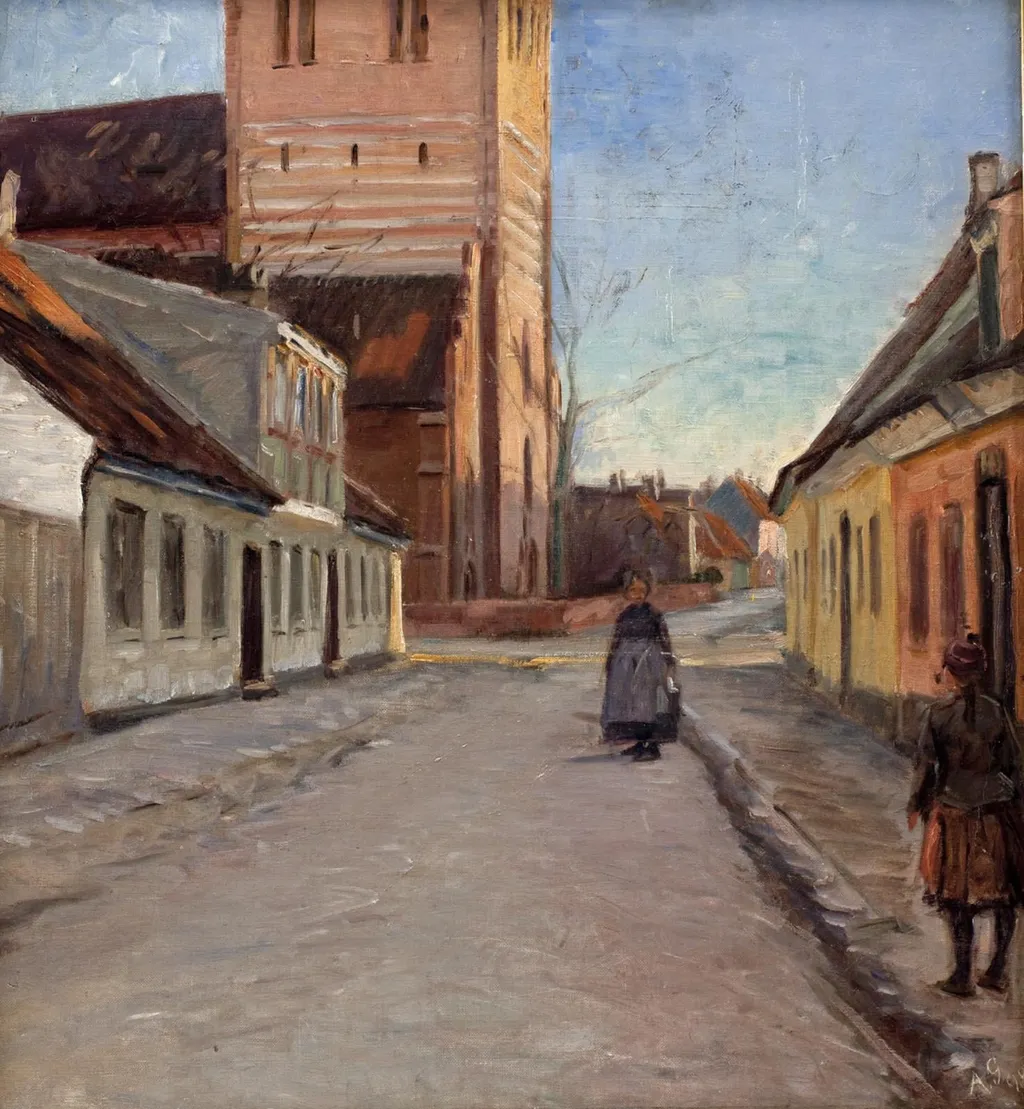
Gade i Køge med Nicolai kirke til venstre is a photography by the Impressionist artist Unknown. It dates from 1898 and is held in the collection of the Statens Museum for Kunst. Painted in 1898, this work depicts a quiet street in Køge, Denmark, with the Nicolai Church visible on the left.
About this work
Overview
The piece resides in the collection of the Museum of Ethnography, though its subject is secular and topographical rather than ethnographic.
Painted in 1898, this work depicts a quiet street in Køge, Denmark, with the Nicolai Church visible on the left. Executed in oil, it captures a moment of everyday life with minimal narrative. The piece resides in the collection of the Museum of Ethnography, though its subject is secular and topographical rather than ethnographic. Its loose handling and emphasis on atmosphere align it with late 19th-century Danish Impressionist tendencies.
Subject & Meaning
The scene shows two figures walking along a gently sloping street, their forms rendered with suggestive brushwork rather than precise detail. The focus is not on individual identity but on the quiet rhythm of urban life. The church, a stable architectural presence, contrasts with the transient movement of the pedestrians. The composition evokes stillness amid motion, reflecting a contemplative engagement with ordinary surroundings.
Technique & Style
The artist employs rapid, visible brushstrokes to convey shifting light and subtle shadows. Color is applied in thin layers, with pale blues and muted browns dominating the palette. Forms are suggested rather than defined—windows, shutters, and rooftops emerge through texture rather than outline. This approach, rooted in Impressionist principles, prioritizes sensory impression over architectural precision.
History & Provenance
Created in 1898, the painting entered the Museum of Ethnography’s collection shortly after its completion. Its presence there reflects early 20th-century collecting practices that sometimes grouped topographical works with ethnographic materials. The artist’s identity remains unconfirmed in public records, and the work has not been widely exhibited outside Denmark, contributing to its relative obscurity.
Context
In late 19th-century Denmark, artists increasingly turned from grand historical themes to intimate urban and rural scenes. Køge, a modest coastal town, offered a quiet alternative to Copenhagen’s bustle. This painting aligns with a broader Nordic interest in capturing everyday life with sensitivity to light and atmosphere, paralleling developments in French Impressionism but with a more restrained palette and quieter tone.
Legacy
Though not widely known outside Denmark, the work exemplifies a regional strain of Impressionism that valued mood over spectacle. Its inclusion in an ethnographic museum underscores how cultural institutions once blurred boundaries between art and documentary observation. Today, it stands as a quiet testament to the Danish interest in ordinary spaces, influencing later generations of local realists and landscape painters.
Artist & collection

 Domestic Scene
 Giacomo and Cardinal Marco, investing Andrea, Abbot of San Zeno, with his Benefice
 The Nymph of Fontainebleau
 Portrait of a Woman
 Madonna and Child with Saints in the Enclosed Garden
 Venus and Minerva
 Family Group of Four on Sofa
 Wall painting from Room H of the Villa of P. Fannius Synistor at Boscoreale
 Winter Evening in Ribe, Jutland
 Winter Evening in Ribe, Jutland
 Village Street after a Thunderstorm
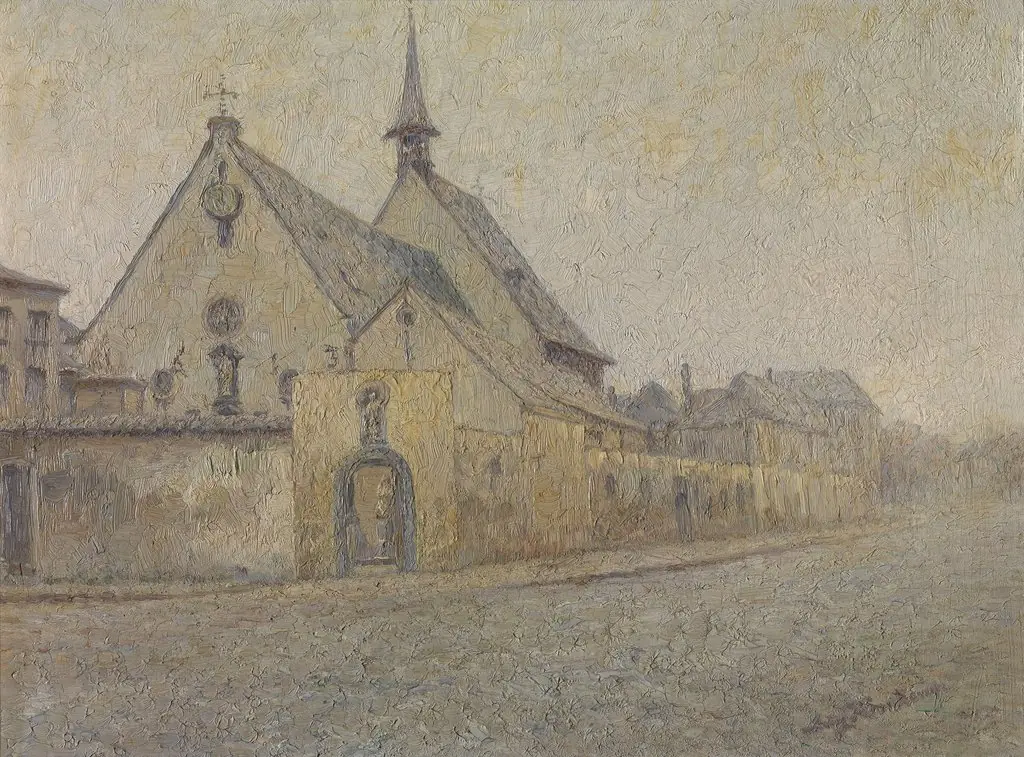 The Saint Anthony Church in Antwerp
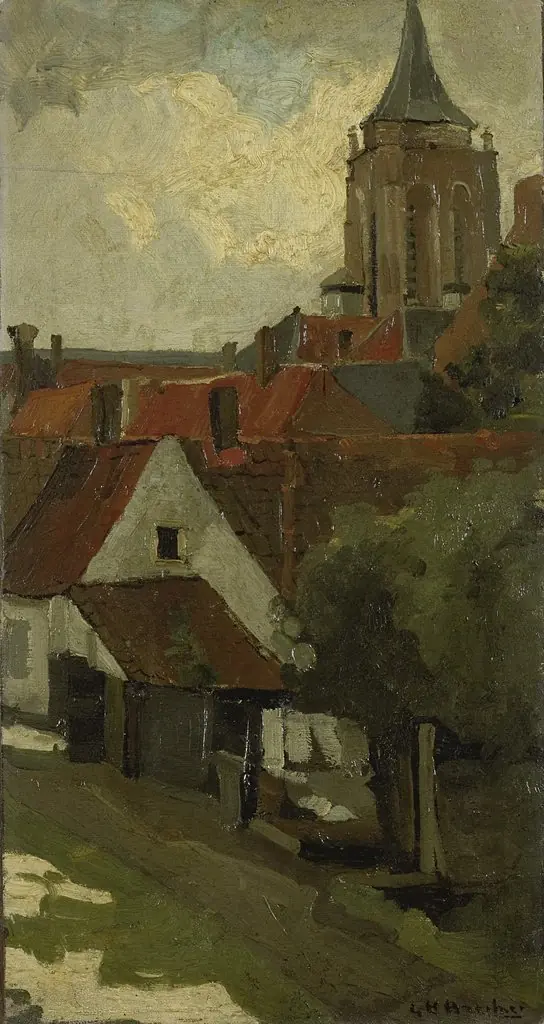 The Tower of Gorkum
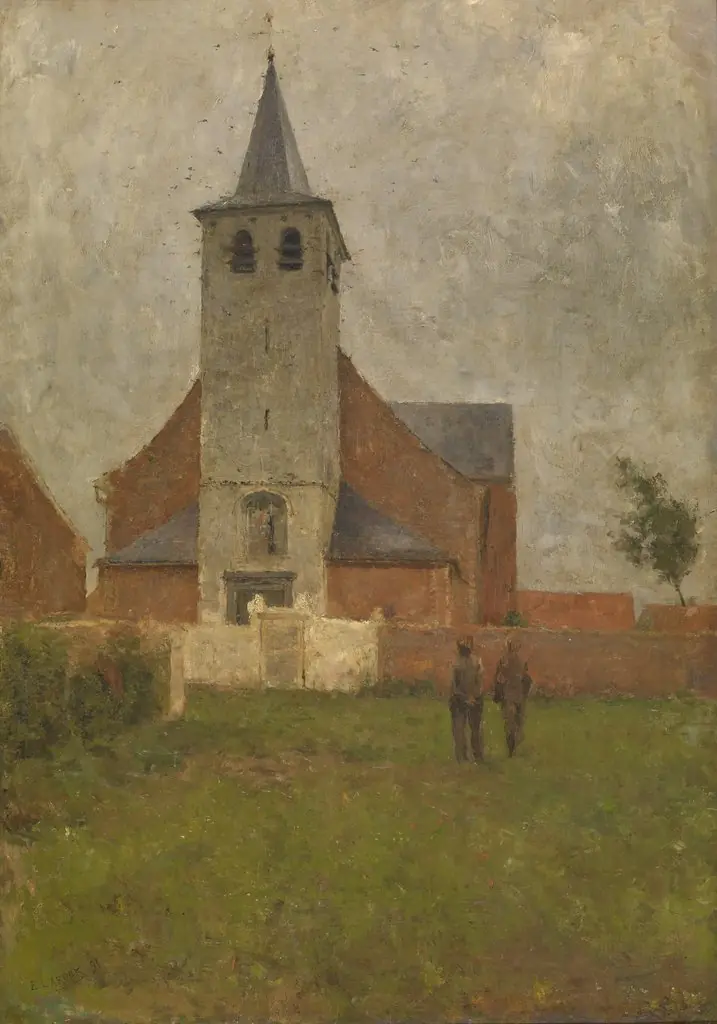 Church at Kapelle-op-den-Bos
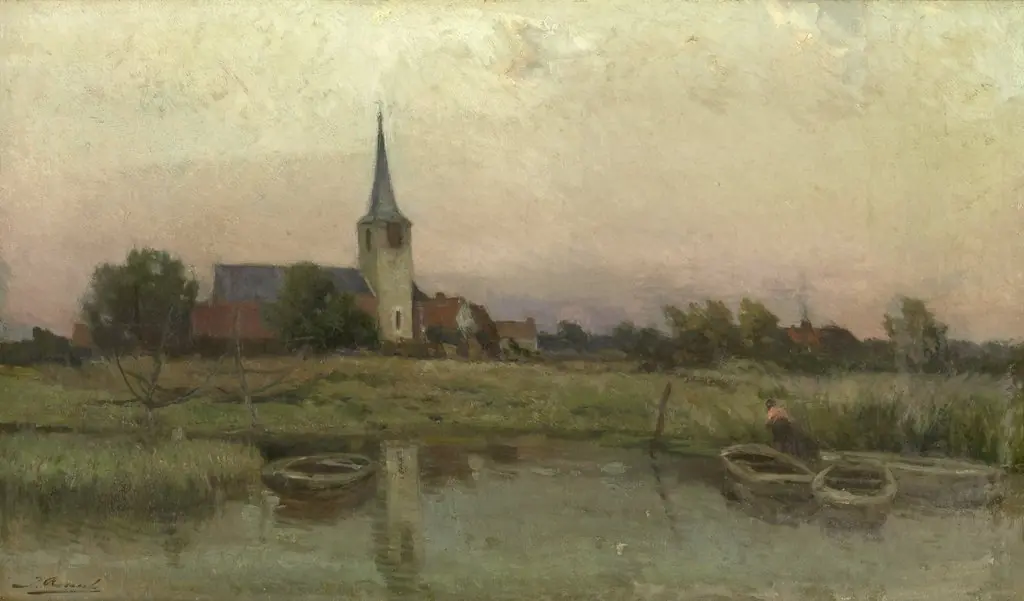 Mariakerke
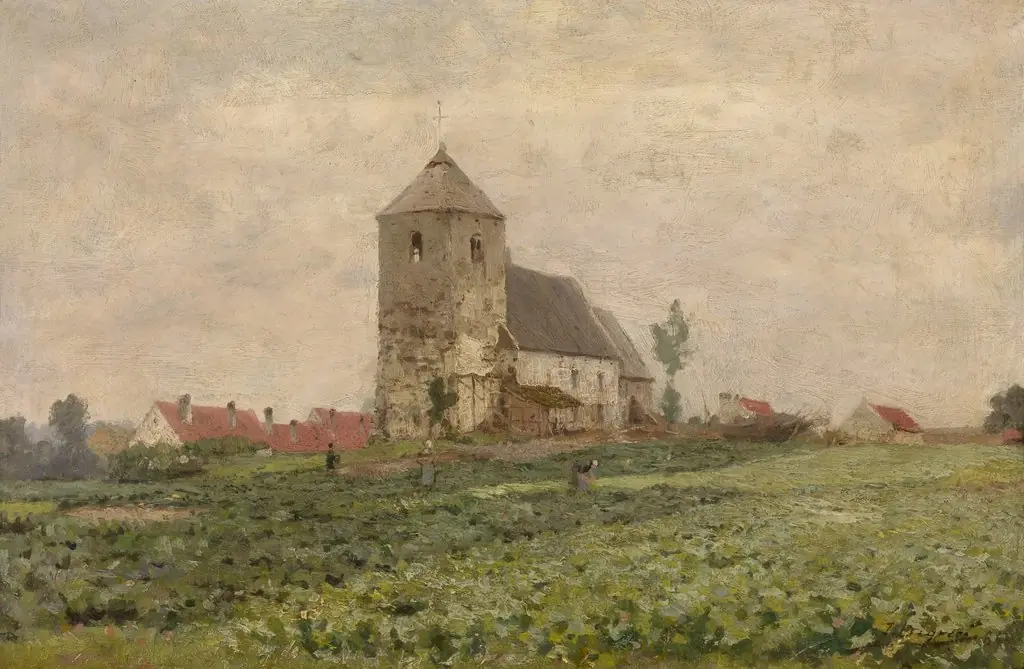 Saint Anne Chapel in Oudergem
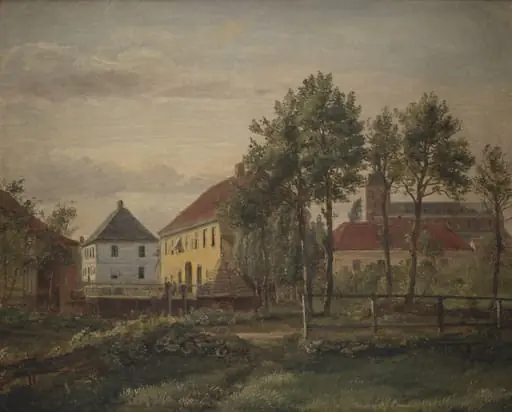 A Mill in Odense
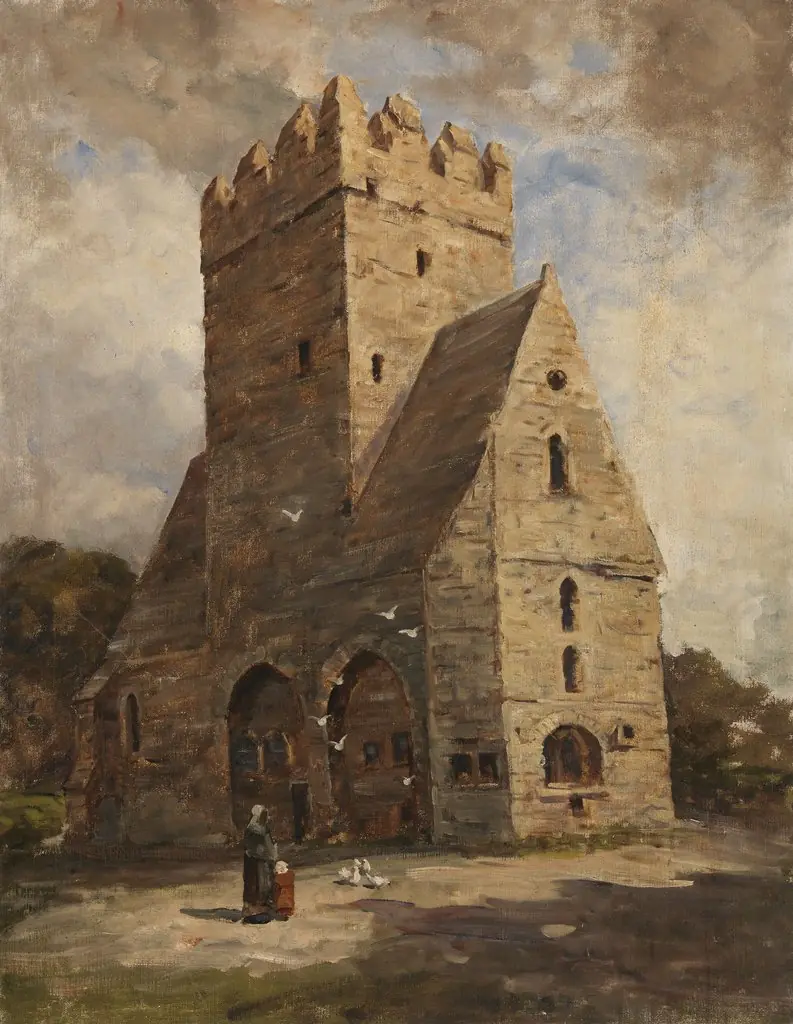 View of Saint Doulough's, Raheny
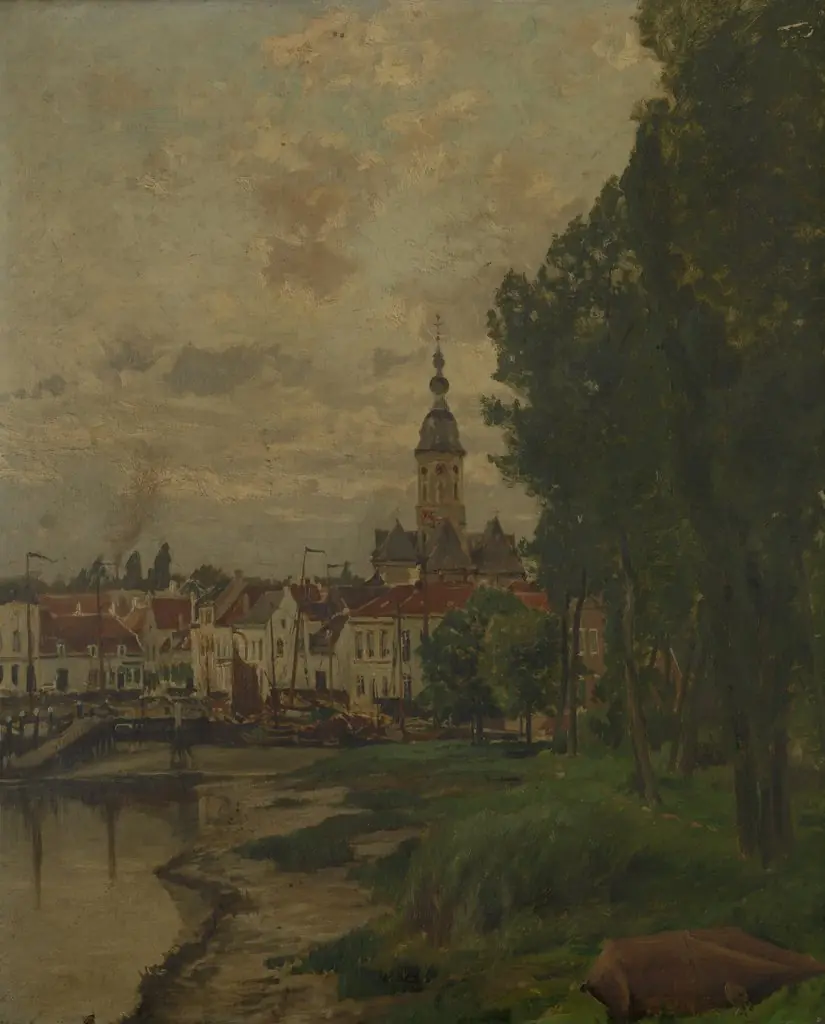 A View of Temse
 Gade i Køge med Nicolai kirke til venstre