Artwork
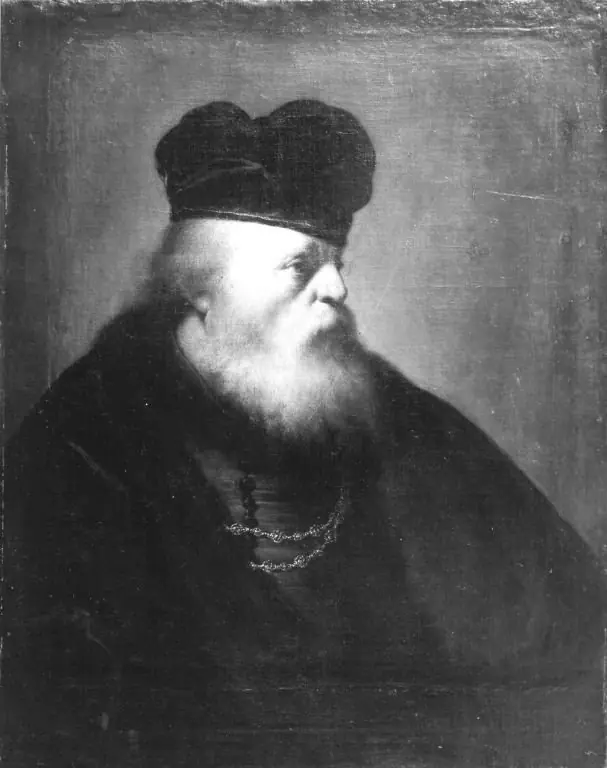
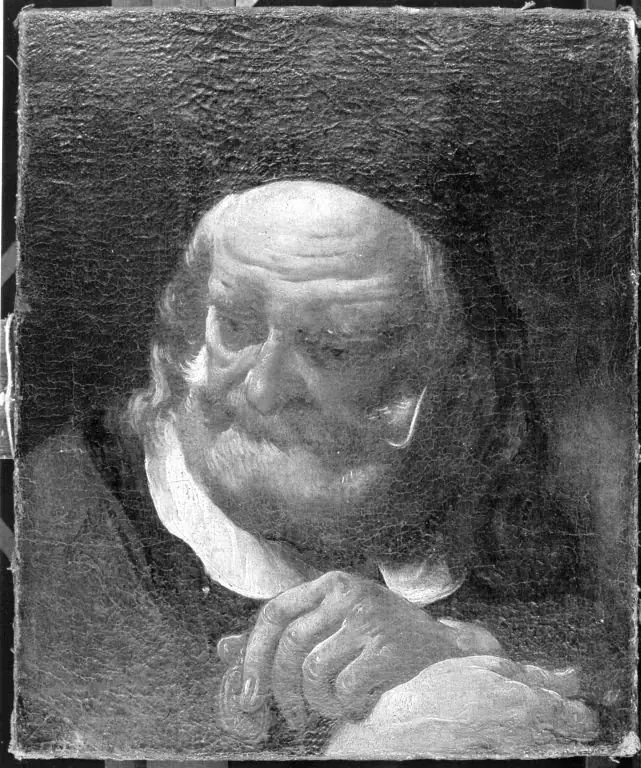
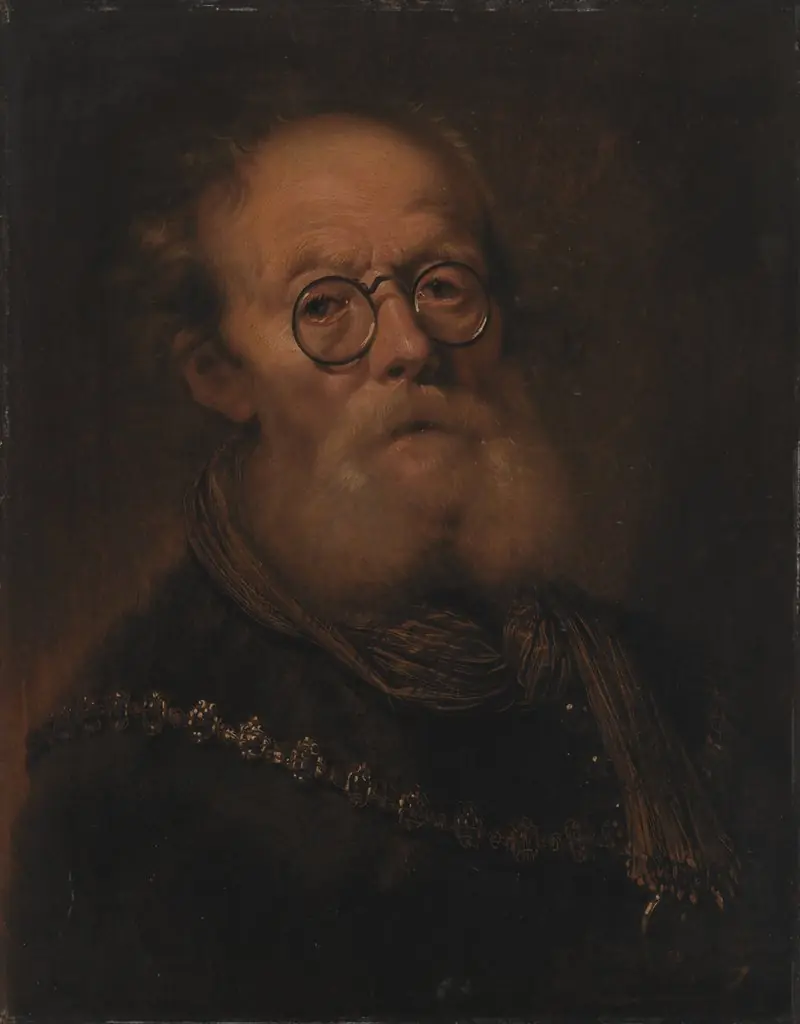
En gammel mand. Allegorisk fremstilling af synet
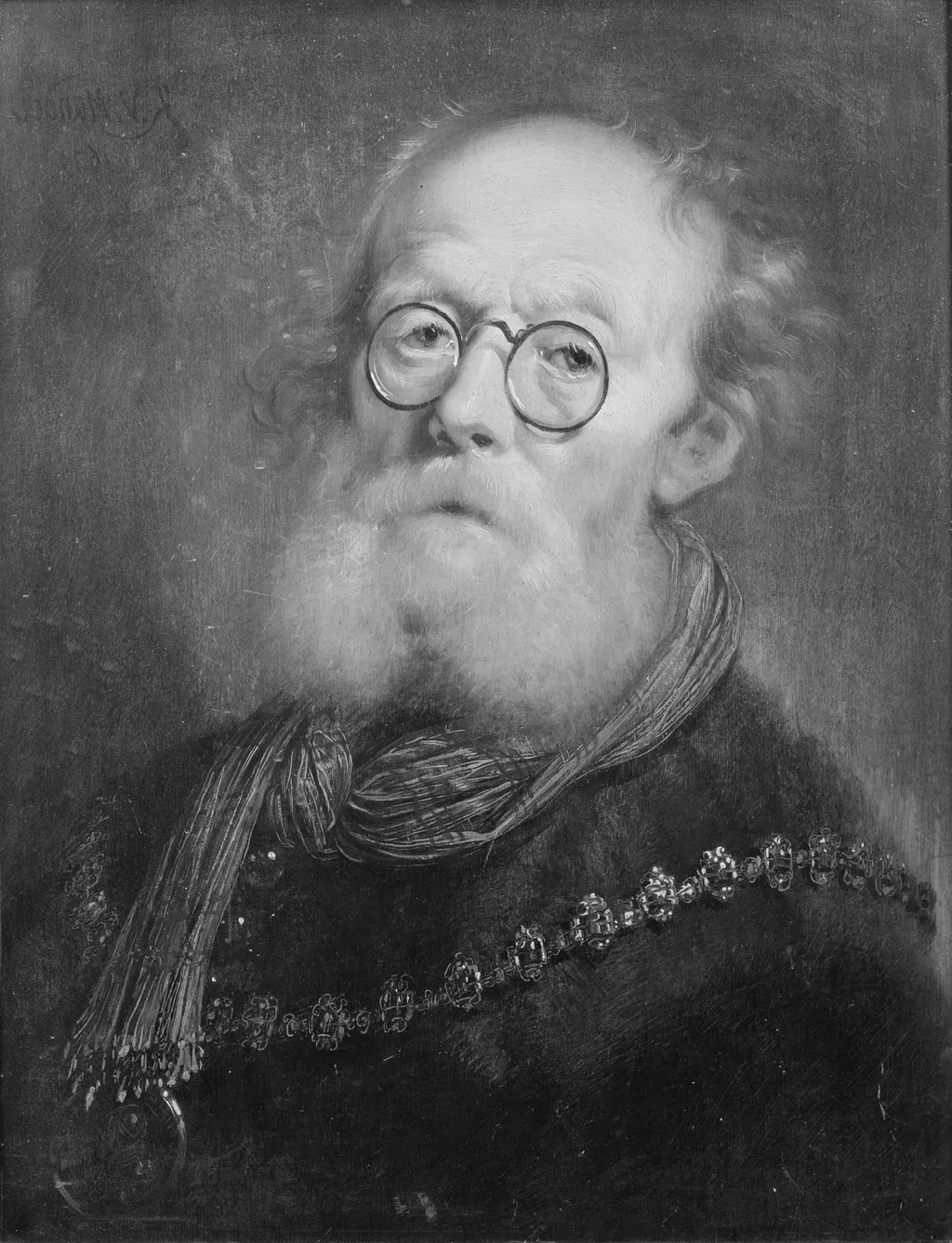
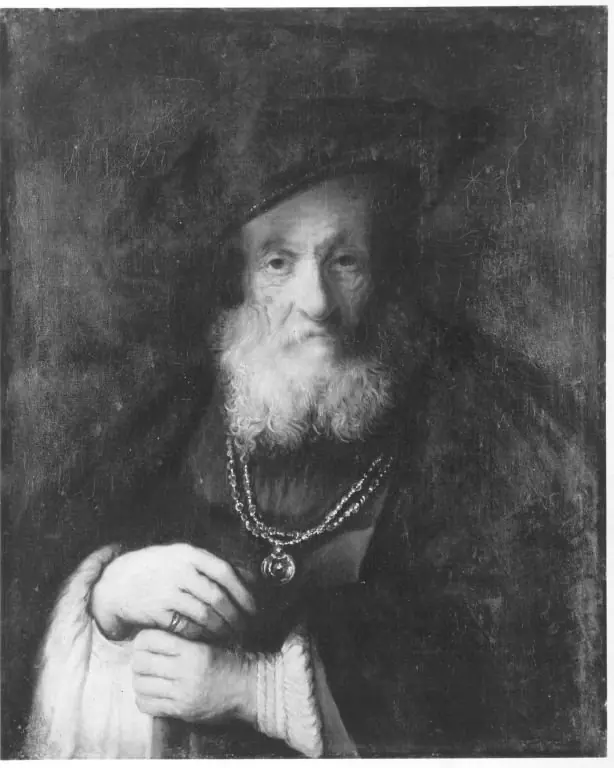
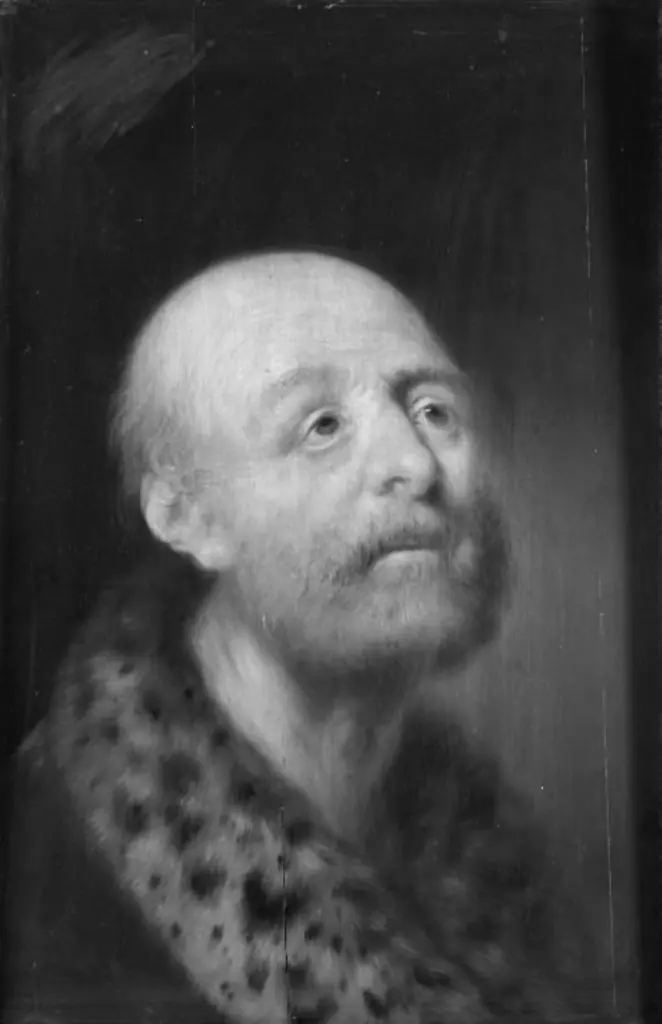
En gammel mand. Allegorisk fremstilling af synet is a photography by the Baroque artist Unknown. It dates from 1639 and is held in the collection of the Statens Museum for Kunst. Created in 1639, this portrait depicts an elderly man as an allegory of the sense of sight.
About this work
Overview
Rendered in monochrome, the image isolates the subject against a dark, unbroken background, emphasizing facial detail over environmental context.
Created in 1639, this portrait depicts an elderly man as an allegory of the sense of sight. Rendered in monochrome, the image isolates the subject against a dark, unbroken background, emphasizing facial detail over environmental context. The work belongs to a series of allegorical representations of the senses, common in early 17th-century Northern European art. It is preserved in the Museum of Ethnography.
Subject & Meaning
The figure represents sight not through symbolic objects like eyes or lenses, but through the presence of spectacles and the intense, focused gaze of an aged man. His weathered features suggest accumulated experience, aligning the visual faculty with wisdom and observation. The absence of other attributes invites contemplation of perception itself as a human trait shaped by time.
Technique & Style
The artist employs chiaroscuro to model the face with sharp contrasts between light and shadow, enhancing the texture of wrinkles and the thickness of the beard. The ruffled collar and beaded chain are rendered with subtle tonal gradations, suggesting fabric and metal without color. This restrained palette and emphasis on volume reflect the influence of Dutch and Flemish portraiture of the period.
History & Provenance
The work was produced in 1639, during a period when allegorical portraiture was used to explore human faculties. It entered the collection of the Museum of Ethnography at an unknown date, likely through academic or colonial-era acquisitions. Its attribution to a specific artist remains unconfirmed, though its style aligns with contemporaneous Northern European workshop practices.
Context
In the 1630s, allegories of the five senses were popular in both religious and secular art, often commissioned to reflect humanist ideals. This image fits within a broader tradition where individual portraits served as metaphors for abstract concepts. The use of an elderly man underscores contemporary associations between aging and perceptual depth, contrasting with youthful representations of other senses.
Legacy
Though not widely exhibited, the work contributes to the understanding of how early modern artists visualized sensory experience through human physiognomy. Its preservation in an ethnographic museum reflects later scholarly interest in the cultural history of perception. The image remains a quiet example of how portraiture could transcend likeness to embody philosophical ideas.
Artist & collection

 Domestic Scene
 Giacomo and Cardinal Marco, investing Andrea, Abbot of San Zeno, with his Benefice
 The Nymph of Fontainebleau
 Portrait of a Woman
 Madonna and Child with Saints in the Enclosed Garden
 Venus and Minerva
 Family Group of Four on Sofa
 Wall painting from Room H of the Villa of P. Fannius Synistor at Boscoreale