Artwork
Landscape with Diana and Nymphs
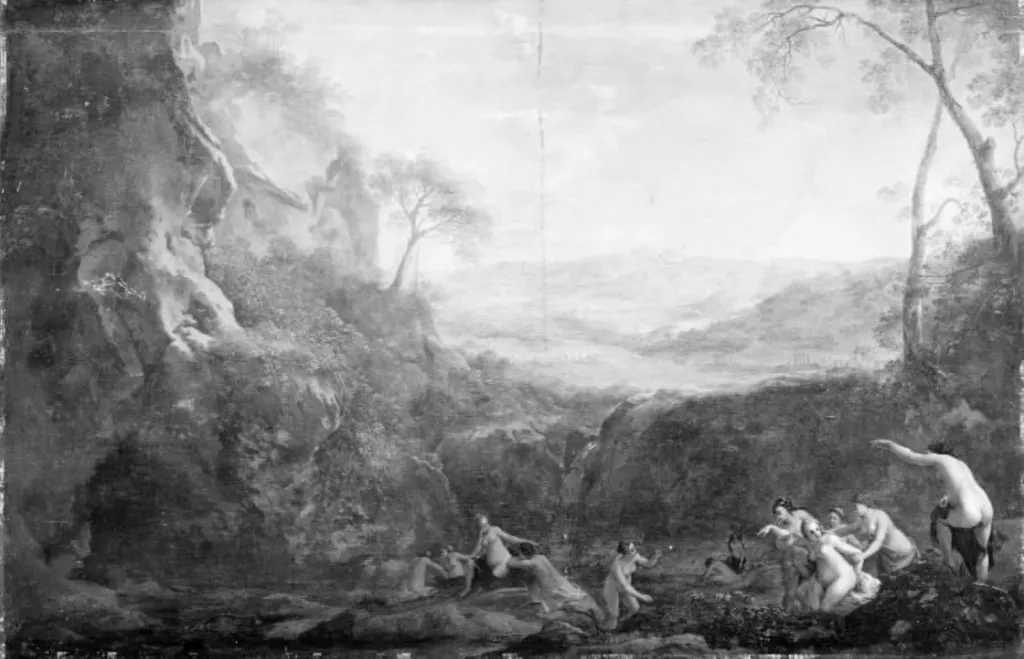
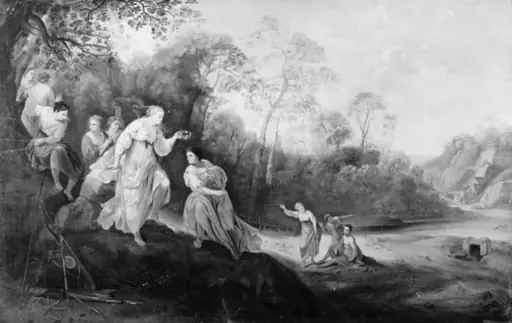
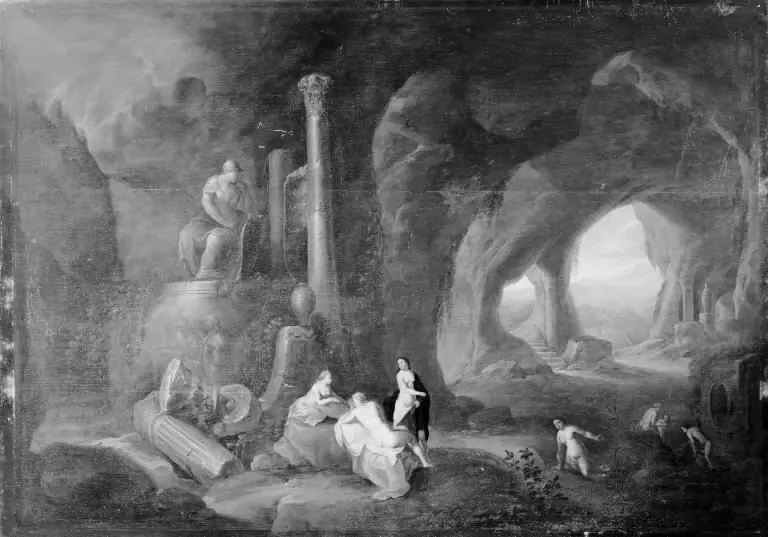
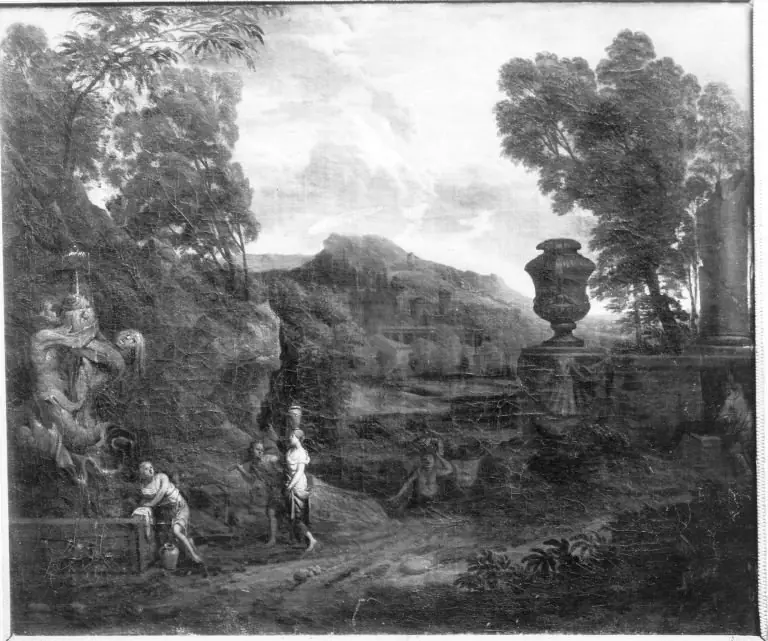
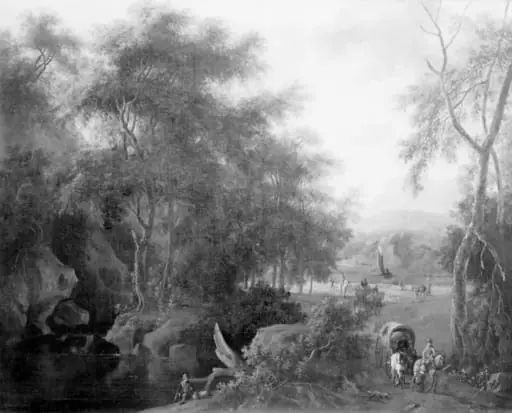
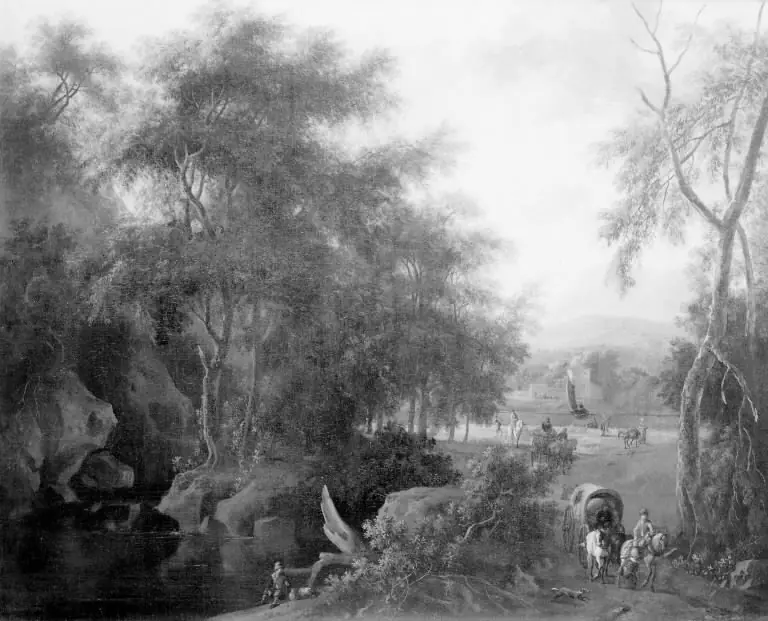
Landscape with Diana and Nymphs is an unspecified painting by Unknown. It dates from 1650 and is held in the collection of the Statens Museum for Kunst. Painted around 1650, this landscape depicts a quiet moment in nature involving mythological figures.
About this work
Overview
The composition centers on a group of figures within a wooded riverside, rendered with attention to atmospheric depth and tonal variation.
Painted around 1650, this landscape depicts a quiet moment in nature involving mythological figures. The work is part of the Museum of Ethnography’s collection and reflects a trend in mid-seventeenth-century painting that blended classical themes with naturalistic settings. The composition centers on a group of figures within a wooded riverside, rendered with attention to atmospheric depth and tonal variation.
Subject & Meaning
The figures are identified as Diana, goddess of the hunt, and her nymphs, engaged in a private moment of rest or ritual. Diana, positioned apart and reaching toward the water, suggests a moment of connection with the natural world. The scene evokes classical ideals of purity and harmony, though the emphasis on solitude and shadow lends it a contemplative, almost melancholic tone, diverging from overtly celebratory mythological depictions.
Technique & Style
The artist employs chiaroscuro to model the figures against a dim, enveloping forest. Strong contrasts between light and shadow define the soft contours of the bodies, while the background recedes into muted greens and grays. Brushwork is restrained, favoring smooth transitions over detail, reinforcing the hazy, dreamlike quality of the scene. The lighting isolates the figures, drawing focus to their forms within the vast, shadowed landscape.
History & Provenance
The painting entered the Museum of Ethnography’s holdings in the early twentieth century, though its earlier ownership remains undocumented. Its attribution to a specific artist is uncertain, and it has been cataloged primarily by stylistic comparison to contemporaneous works from the Low Countries. No records of commission or exhibition prior to its museum acquisition are known.
Context
Created during a period when mythological landscapes were popular in Northern Europe, the work reflects a shift from grand narrative to intimate, mood-driven scenes. Artists increasingly favored naturalism and atmospheric effects over overt symbolism. This piece aligns with regional tendencies to merge classical subjects with observed environments, emphasizing quietude over drama.
Legacy
Though not widely reproduced or studied, the painting contributes to understanding how mythological themes were adapted into subtle, landscape-centered compositions in the mid-1600s. Its quiet tone and technical restraint offer insight into lesser-known approaches to classical subject matter, distinct from the more theatrical works of the era.
Artist & collection

 Domestic Scene
 Giacomo and Cardinal Marco, investing Andrea, Abbot of San Zeno, with his Benefice
 The Nymph of Fontainebleau
 Portrait of a Woman
 Madonna and Child with Saints in the Enclosed Garden
 Venus and Minerva
 Family Group of Four on Sofa
 Wall painting from Room H of the Villa of P. Fannius Synistor at Boscoreale