Artwork
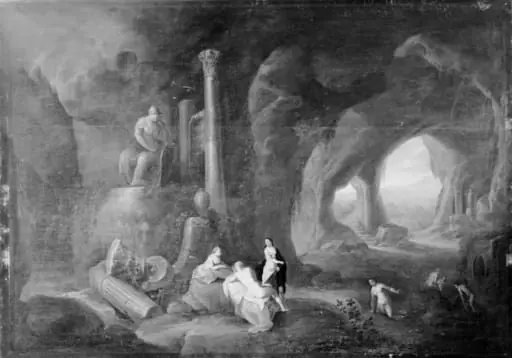
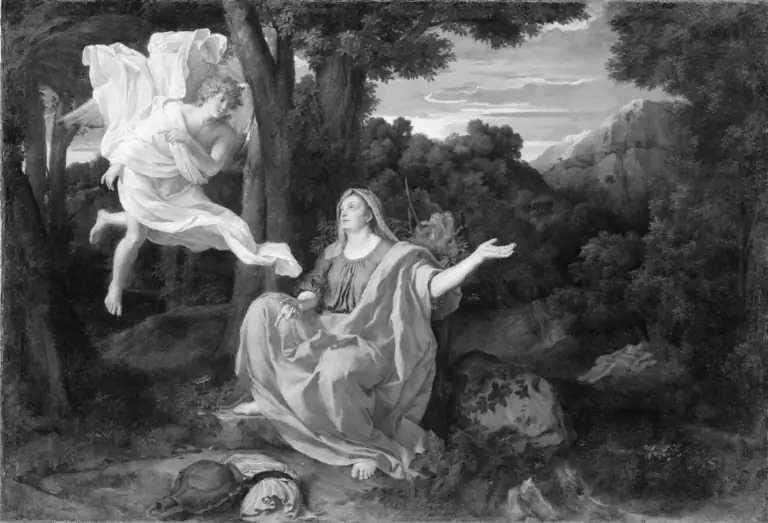
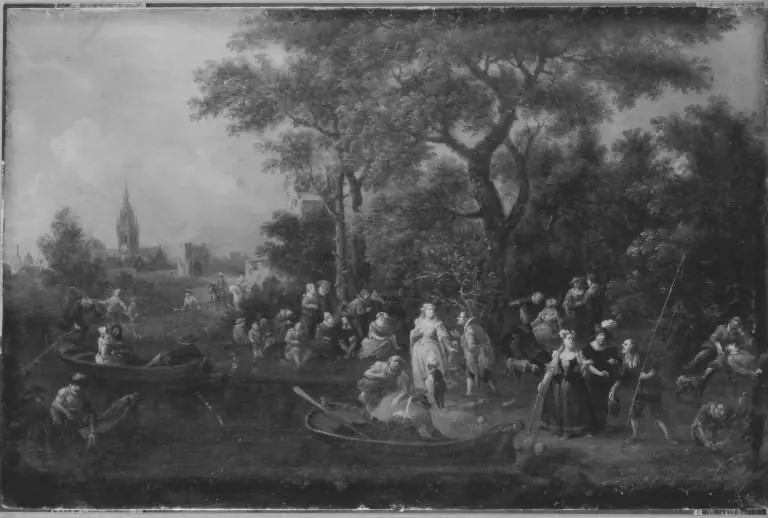
Diana med sit følge i et landskab
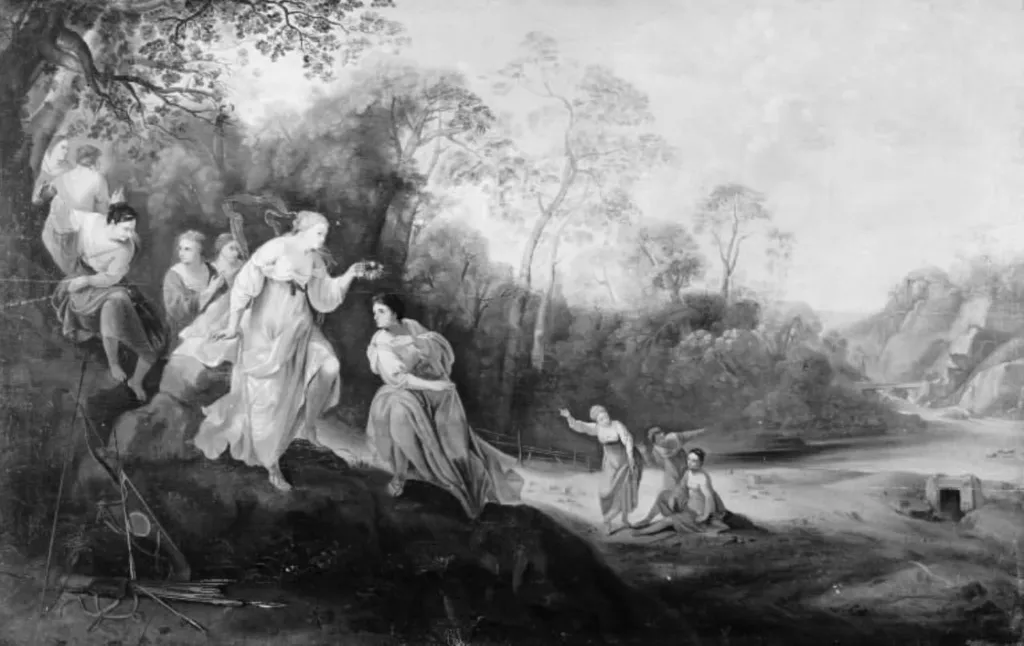
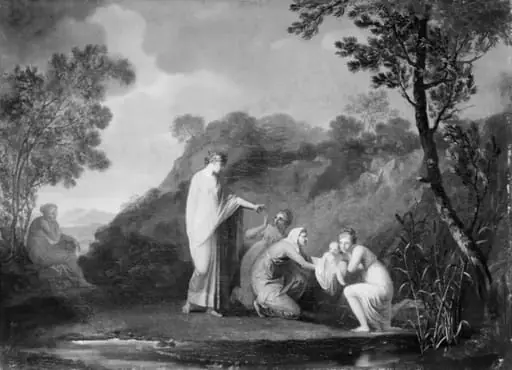
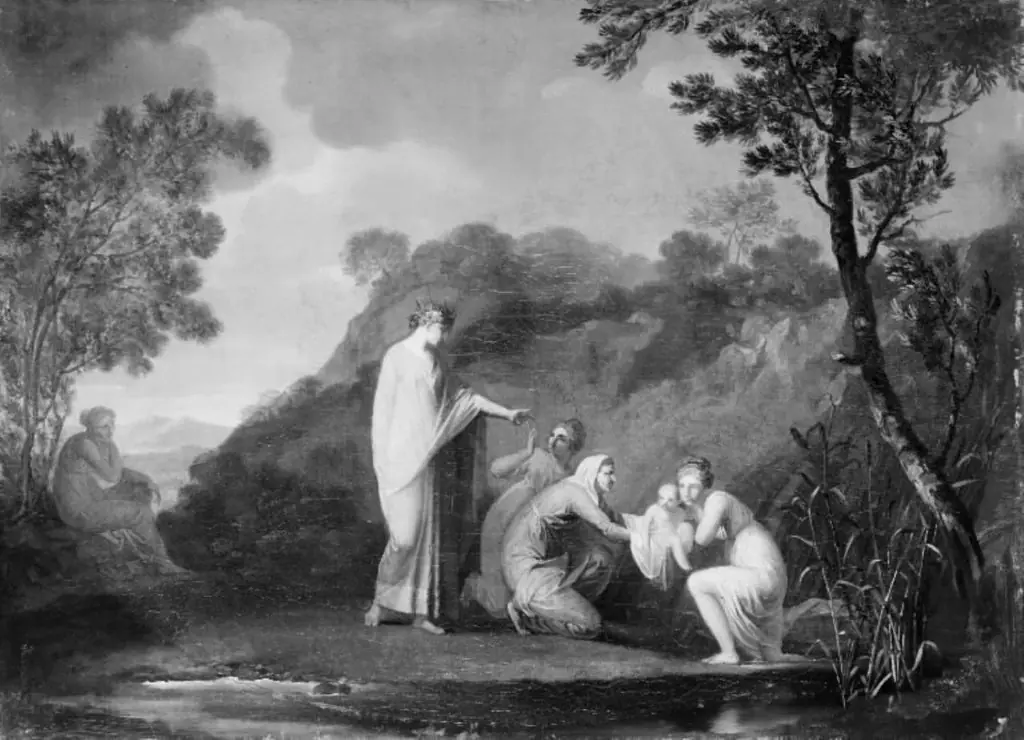
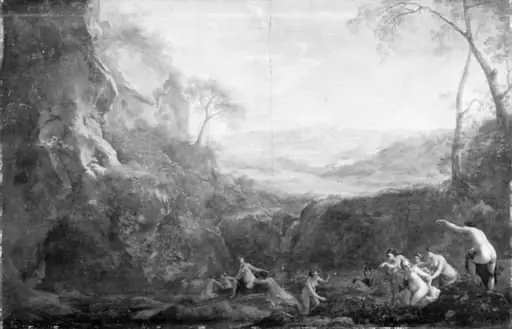
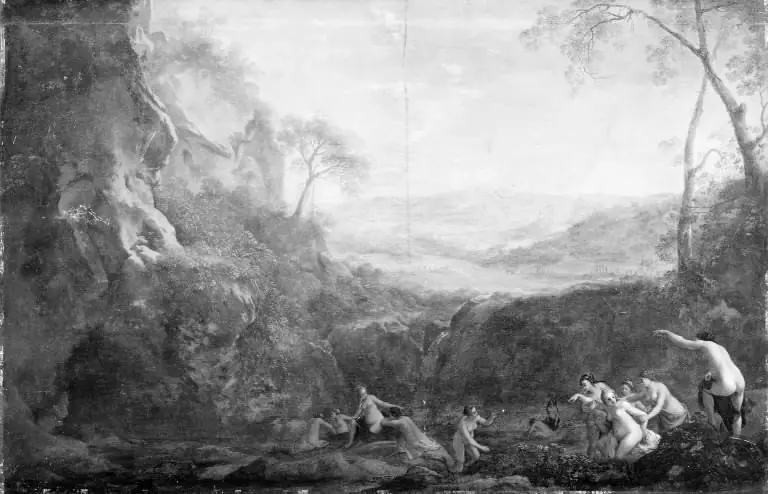
Diana med sit følge i et landskab is a photography by Unknown. It dates from 1750 and is held in the collection of the Statens Museum for Kunst. This painting, dated around 1750, depicts a mythological scene featuring Diana and her companions within a natural landscape.
About this work
Overview
It is currently housed in the Museum of Ethnography, where it is presented as part of a broader collection of visual narratives from the period.
This painting, dated around 1750, depicts a mythological scene featuring Diana and her companions within a natural landscape. Though attributed to an artist identified only by a numerical code, the work reflects 18th-century European interest in classical themes rendered in a pastoral setting. It is currently housed in the Museum of Ethnography, where it is presented as part of a broader collection of visual narratives from the period.
Subject & Meaning
The central figure, identified as Diana, goddess of the hunt, is accompanied by attendants in period dress. One holds a bow and arrow, signaling her domain over wilderness and hunting; another cradles a small animal, possibly a deer or hound, reinforcing the theme of nature’s bounty. The group’s relaxed posture suggests a moment of repose after a hunt, evoking classical ideals of harmony between humans and the natural world.
Technique & Style
The composition employs soft, muted tones to render a tranquil woodland scene, with trees and a winding river framing the figures. Clothing is rendered with attention to texture and detail, indicating a deliberate effort to convey historical authenticity. The brushwork is delicate but not highly refined, aligning with the decorative tendencies of mid-18th-century mythological genre painting rather than grand academic tradition.
History & Provenance
The painting’s early ownership is undocumented, but it entered the Museum of Ethnography’s collection in the late 19th or early 20th century. Its attribution to a single artist remains uncertain, as the identifying code 634_person appears to be a cataloging placeholder rather than a known name. The work likely originated in a private collection before being acquired for institutional study.
Context
Created during a period when classical mythology remained a favored subject among European patrons, this painting reflects the enduring appeal of Diana as a symbol of purity and wild nature. While not part of the major academies’ canon, such works were common in domestic and aristocratic interiors, serving as visual reminders of Enlightenment-era ideals linking nature, virtue, and antiquity.
Legacy
Though not widely studied or reproduced, the painting contributes to understanding how mythological themes were adapted in lesser-known artistic circles. Its presence in an ethnographic museum rather than an art museum suggests an emphasis on cultural representation over aesthetic innovation, offering insight into how myth was interpreted beyond elite artistic circles in the 18th century.
Artist & collection

 Domestic Scene
 Giacomo and Cardinal Marco, investing Andrea, Abbot of San Zeno, with his Benefice
 The Nymph of Fontainebleau
 Portrait of a Woman
 Madonna and Child with Saints in the Enclosed Garden
 Venus and Minerva
 Family Group of Four on Sofa
 Wall painting from Room H of the Villa of P. Fannius Synistor at Boscoreale