Artwork
Arcadian Landscape
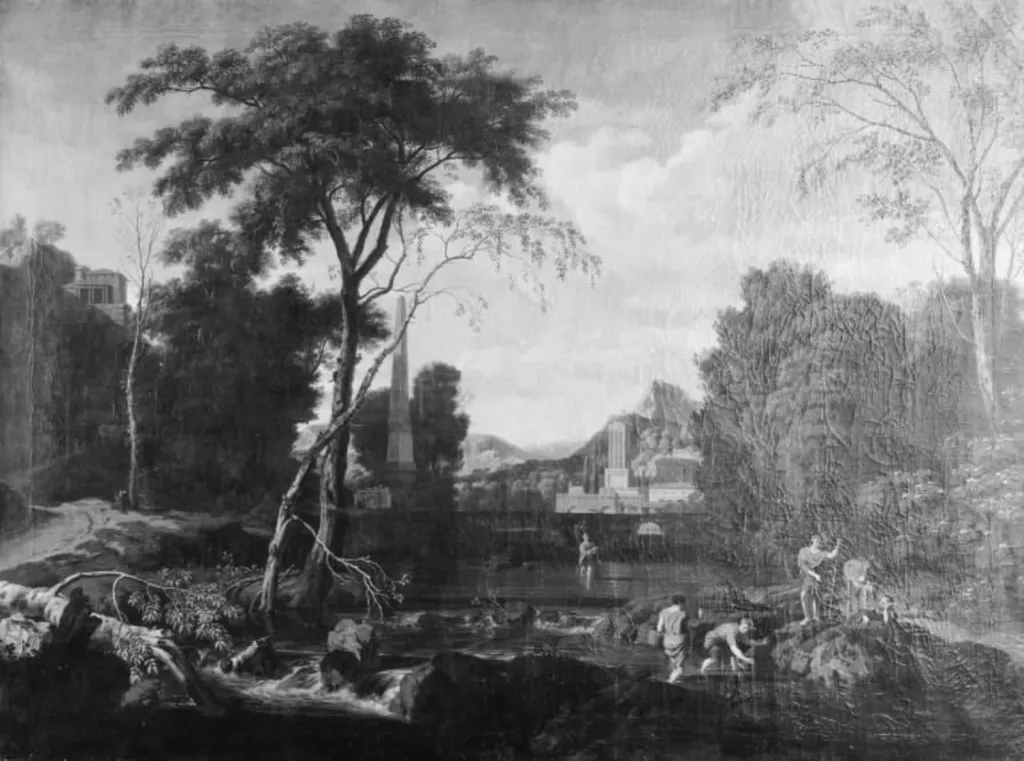
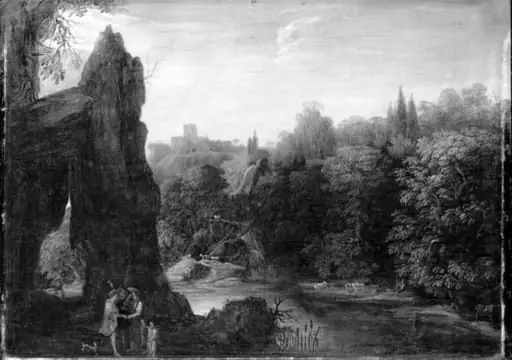
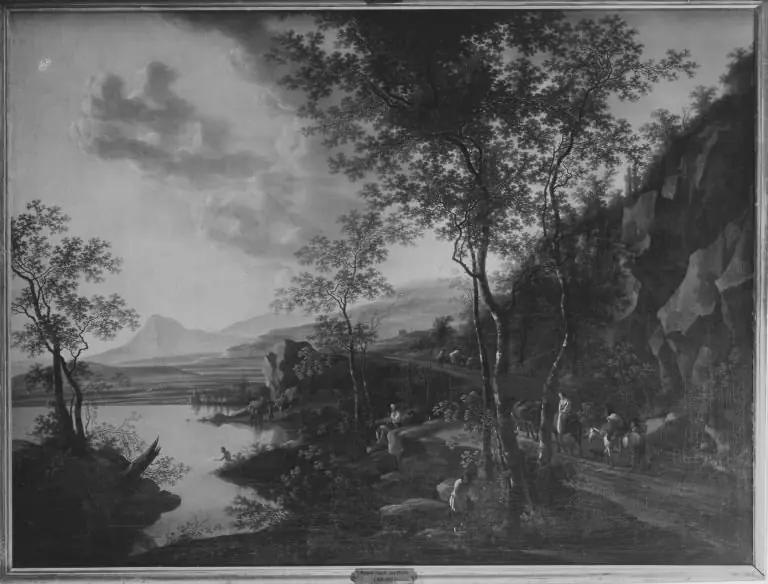
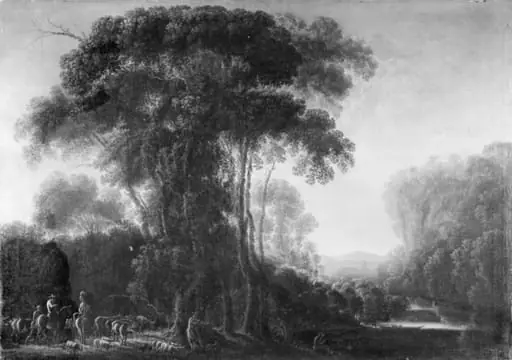
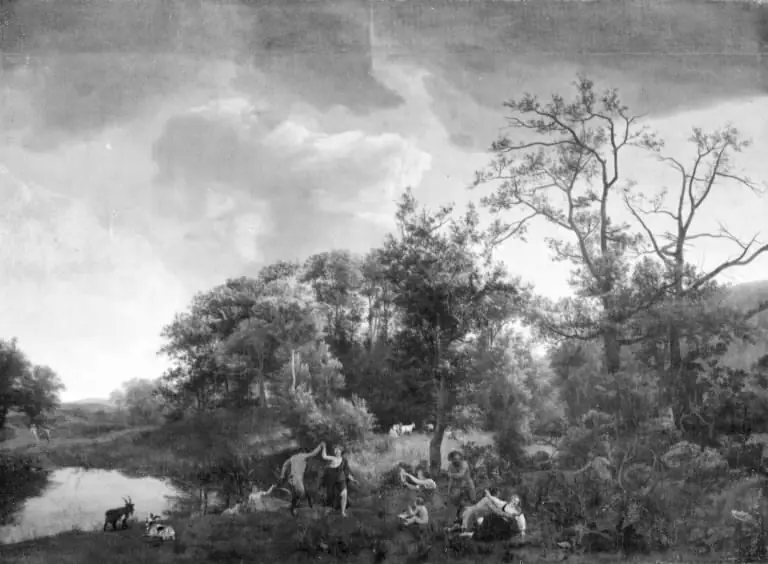
Arcadian Landscape is an unspecified painting by the Barbizon school artist Unknown. It dates from 1696 and is held in the collection of the Statens Museum for Kunst.
About this work
Overview
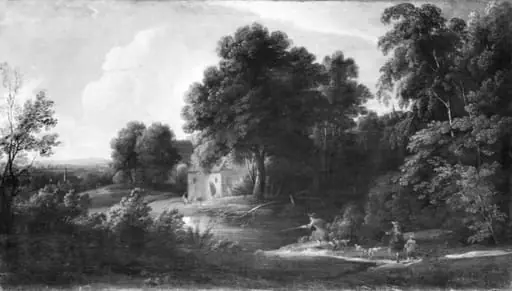
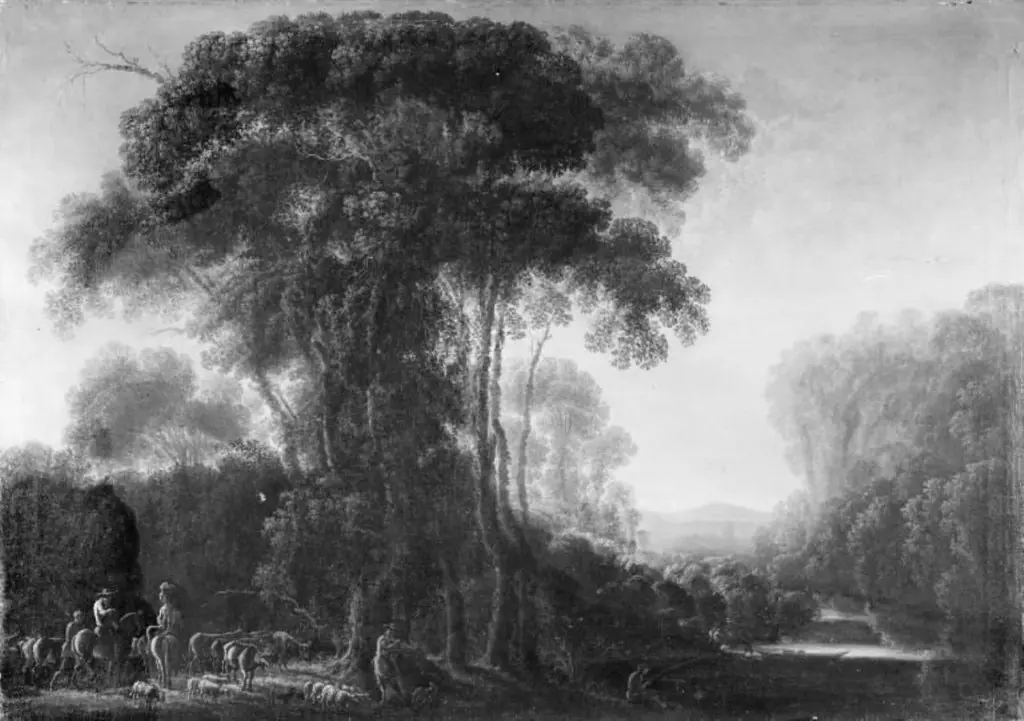
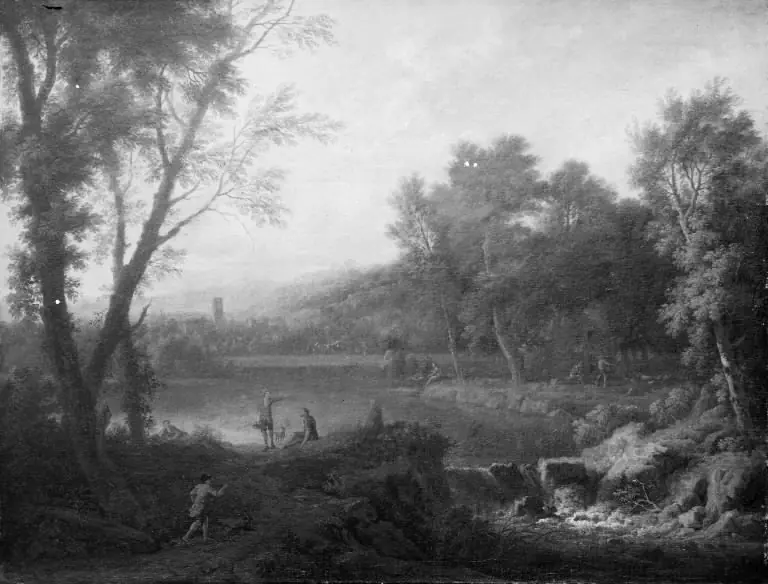
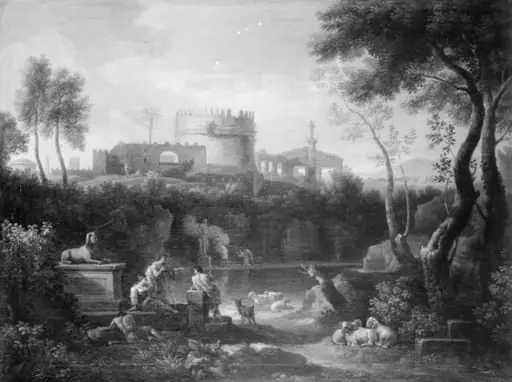
The composition centers on a dominant tree, flanked by rolling hills and distant mountains, evoking a quiet, timeless environment.
Painted in 1696, Arcadian Landscape is a tranquil depiction of an idealized natural setting. It resides in the Museum of Ethnography, where it is presented as an example of early modern European landscape conventions. The composition centers on a dominant tree, flanked by rolling hills and distant mountains, evoking a quiet, timeless environment. The scene avoids dramatic action, focusing instead on stillness and harmony.
Subject & Meaning
The painting evokes the mythological concept of Arcadia—a pastoral ideal associated with peace and simplicity. Figures in the distance are minimal and indistinct, suggesting human presence without narrative intrusion. The unspoiled terrain, with its gentle stream and scattered rocks, reinforces a vision of nature as serene and self-sustaining, reflecting contemporary European longing for an uncorrupted natural order.
Technique & Style
The artist employs chiaroscuro to model forms and suggest spatial depth, particularly in the treatment of the central tree and the layered hills. Soft transitions between light and shadow guide the viewer’s gaze from foreground to background. Brushwork is restrained, favoring atmospheric cohesion over fine detail. The palette is muted, dominated by earth tones that enhance the painting’s quiet, contemplative tone.
History & Provenance
The painting entered the Museum of Ethnography’s collection in the late 19th century, though its earlier ownership remains undocumented. Its attribution to 32060_person is based on stylistic analysis and archival references from the period. It was likely acquired as part of a broader effort to catalog European landscape traditions, rather than as a work of individual artistic fame.
Context
Created during the late Baroque era, the painting aligns with a broader European trend of idealizing rural landscapes as moral and aesthetic refuges. Unlike grand historical or religious scenes, it prioritizes mood over story, reflecting a growing interest in nature as a subject worthy of contemplation. Similar works by contemporaries often served as decorative backdrops for elite interiors.
Legacy
Arcadian Landscape has not been widely reproduced or critically reevaluated since its acquisition. It remains a quiet representative of 17th-century pastoral ideals within the museum’s collection. Its significance lies less in innovation than in its embodiment of a persistent cultural fantasy—one that continues to inform perceptions of nature in Western visual culture.
Artist & collection

 Domestic Scene
 Giacomo and Cardinal Marco, investing Andrea, Abbot of San Zeno, with his Benefice
 The Nymph of Fontainebleau
 Portrait of a Woman
 Madonna and Child with Saints in the Enclosed Garden
 Venus and Minerva
 Family Group of Four on Sofa
 Wall painting from Room H of the Villa of P. Fannius Synistor at Boscoreale