Artwork
Landscape with the Tomb of Cecilia Metella
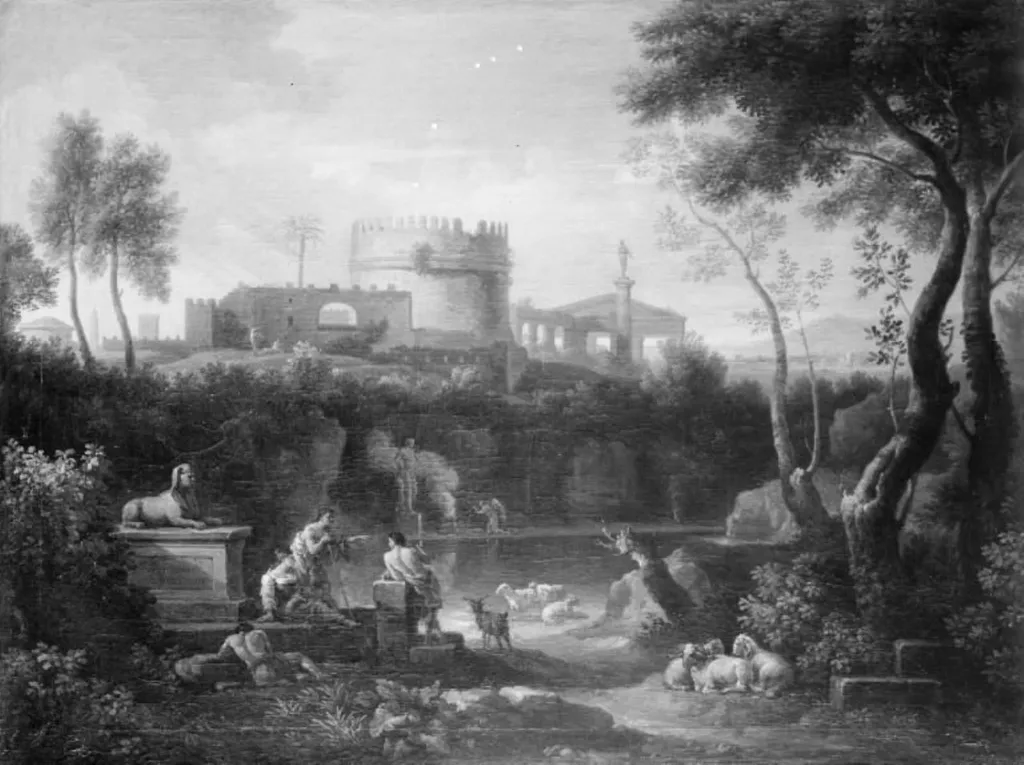
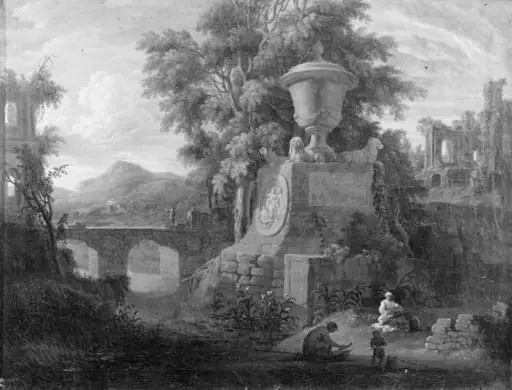
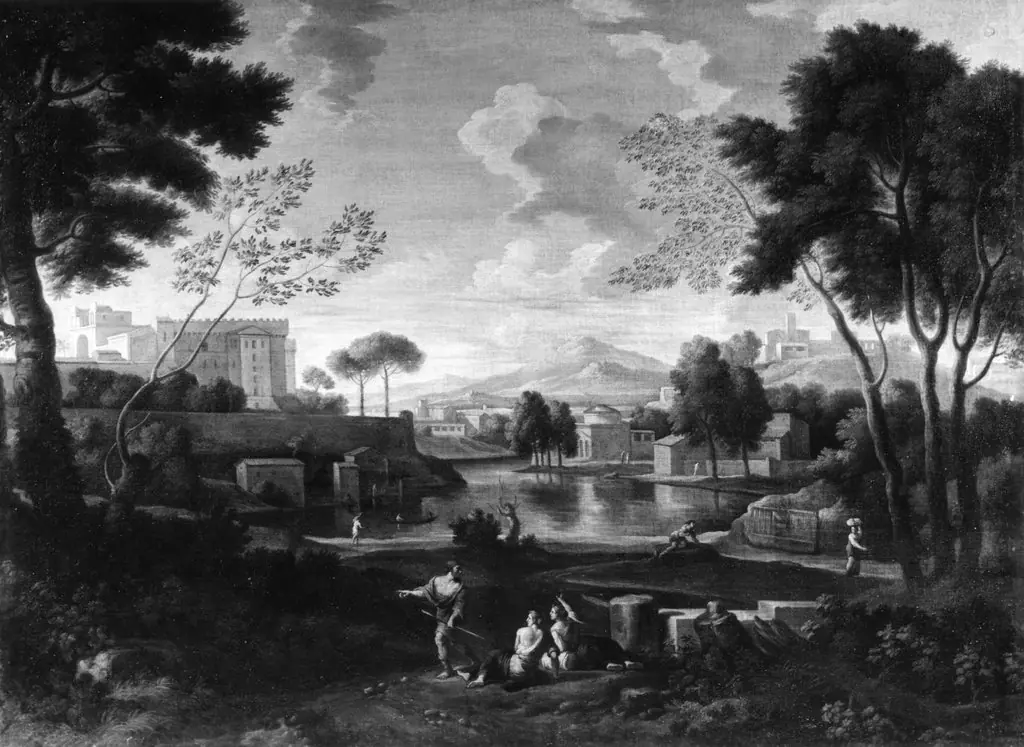
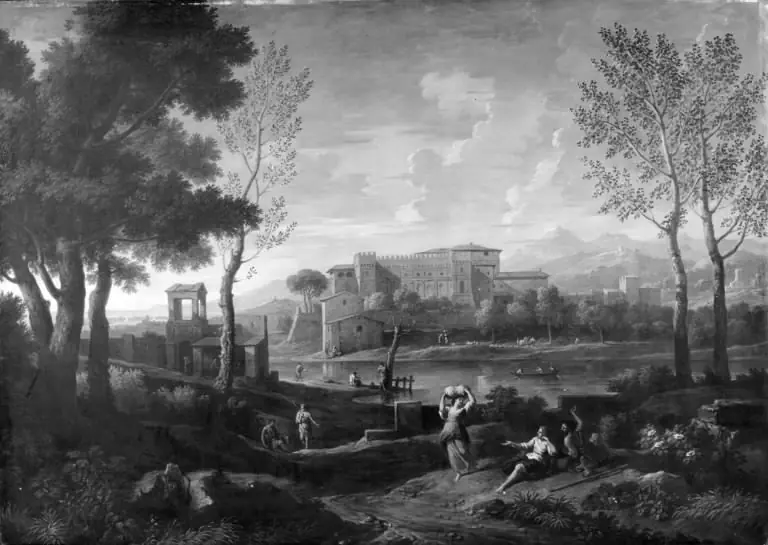
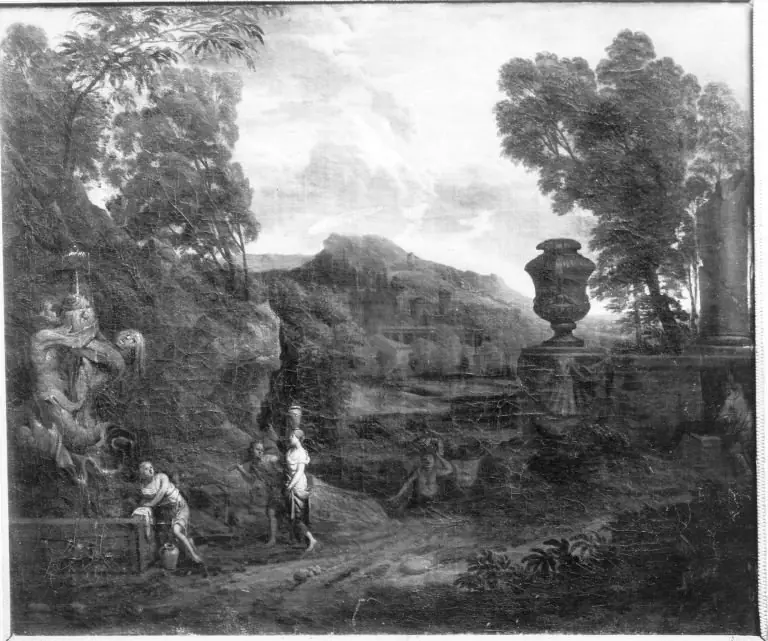
Landscape with the Tomb of Cecilia Metella is an unspecified painting by Unknown. It dates from 1750 and is held in the collection of the Statens Museum for Kunst. Painted around 1750, this landscape depicts a tranquil rural scene centered on the ancient Tomb of Cecilia Metella.
About this work
Overview
The work is attributed to an artist active in the mid-18th century, though the specific identity remains unconfirmed.
Painted around 1750, this landscape depicts a tranquil rural scene centered on the ancient Tomb of Cecilia Metella. The work is attributed to an artist active in the mid-18th century, though the specific identity remains unconfirmed. It is currently held in the collection of the Museum of Ethnography, where it is displayed as an example of topographical painting from the period, blending real monuments with idealized natural settings.
Subject & Meaning
The painting presents a quiet moment in the Roman countryside, where pastoral life unfolds near a well-known antiquity. Figures tend to livestock beside a pond, while a stone lion rests on a pedestal, evoking classical antiquity. The tomb, though prominent, is not the focus but rather a silent witness to the rhythms of daily life. The scene suggests harmony between human activity and the enduring presence of ancient ruins.
Technique & Style
The artist employs subtle chiaroscuro to model forms and suggest spatial depth, with soft transitions between light and shadow guiding the viewer’s eye. Brushwork is restrained, favoring atmospheric effects over detailed rendering. Trees and shrubs frame the composition, creating a natural vignette that draws attention toward the distant ruins. The palette is muted, reinforcing the calm, timeless mood of the scene.
History & Provenance
The painting entered the Museum of Ethnography’s collection in the late 19th century, likely acquired during a period of increased interest in Italian landscapes by Northern European collectors. Its origins before that are undocumented, though its style aligns with the work of artists traveling through the Roman Campagna in the mid-1700s. It has remained in the same institution since acquisition, with no record of public exhibition prior to the 20th century.
Context
Created during the height of the Grand Tour, the painting reflects a growing fascination among travelers with Rome’s ancient monuments as part of the natural landscape. Rather than depicting the tomb as a ruin to be studied, it is integrated into a pastoral setting, suggesting a shift from scholarly interest to aesthetic contemplation. Similar scenes appear in works by artists who documented the Campagna for European audiences.
Legacy
The painting contributes to a broader 18th-century tradition of landscape art that softened the grandeur of antiquity into intimate, livable scenes. It does not seek to document archaeology but to evoke mood, influencing later romanticized depictions of rural Italy. While not widely reproduced, it remains a quiet example of how ancient structures were reimagined as elements of natural beauty rather than historical artifacts.
Artist & collection

 Domestic Scene
 Giacomo and Cardinal Marco, investing Andrea, Abbot of San Zeno, with his Benefice
 The Nymph of Fontainebleau
 Portrait of a Woman
 Madonna and Child with Saints in the Enclosed Garden
 Venus and Minerva
 Family Group of Four on Sofa
 Wall painting from Room H of the Villa of P. Fannius Synistor at Boscoreale