Artwork
The Adoration of the Shepherds
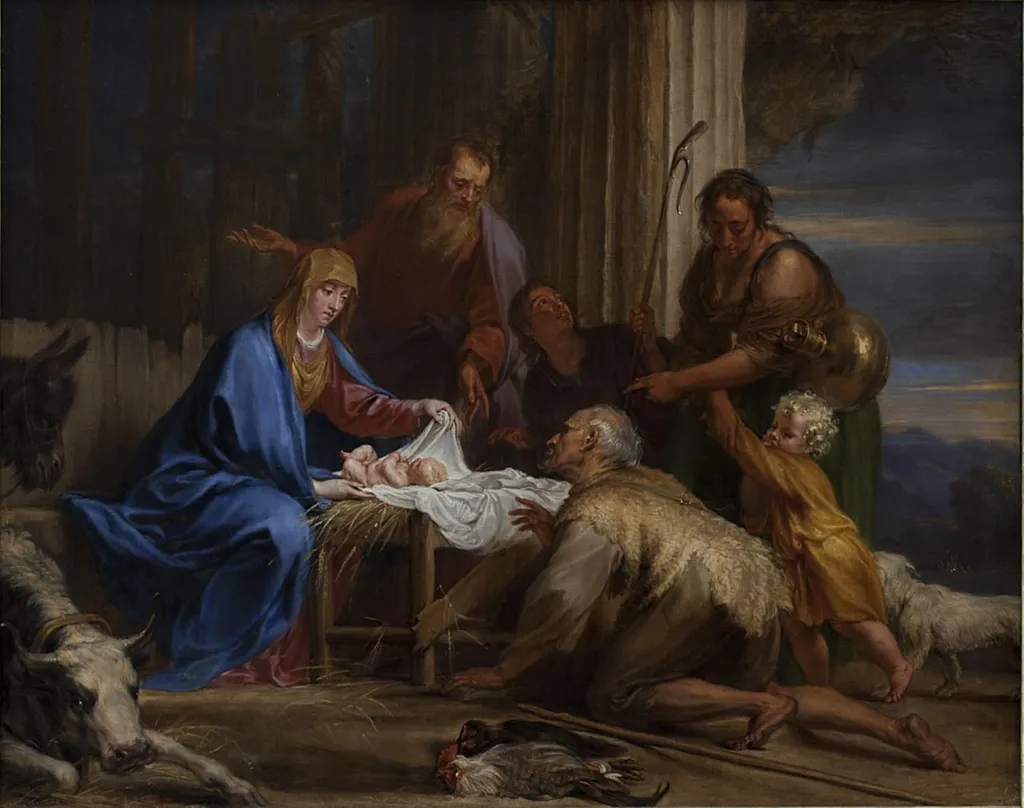
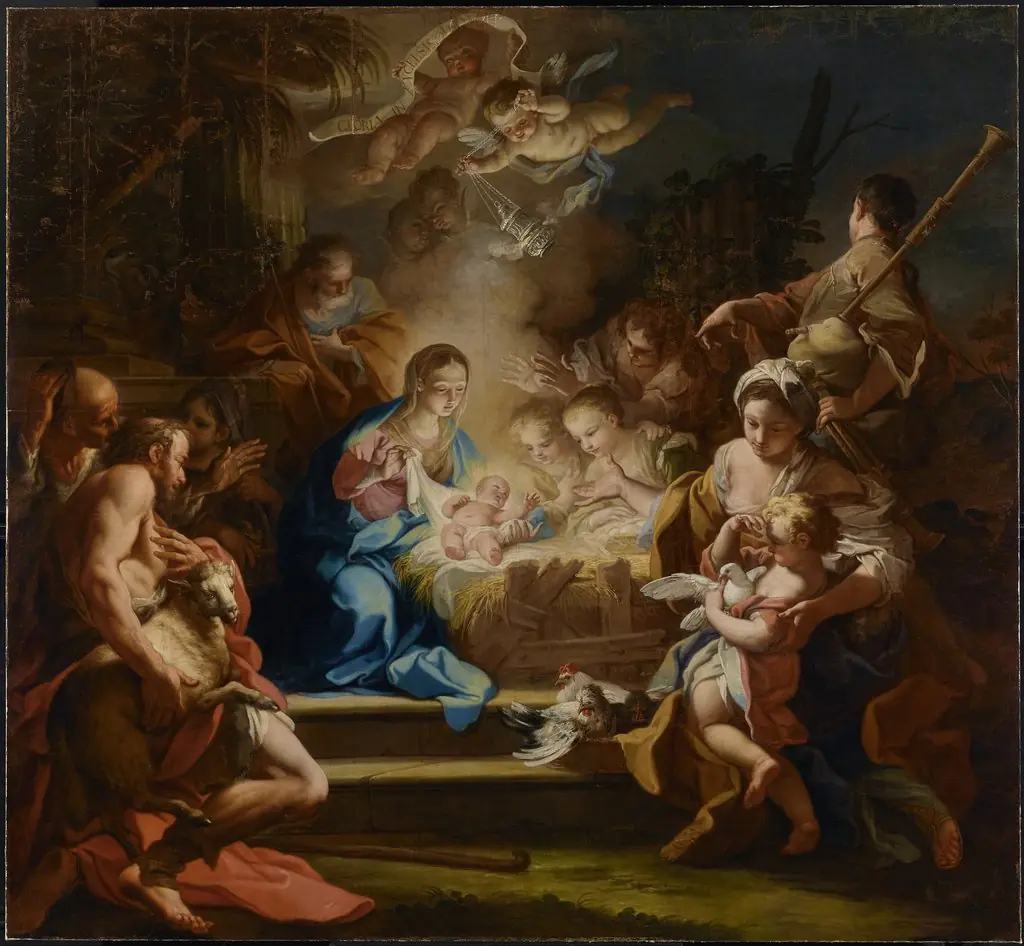
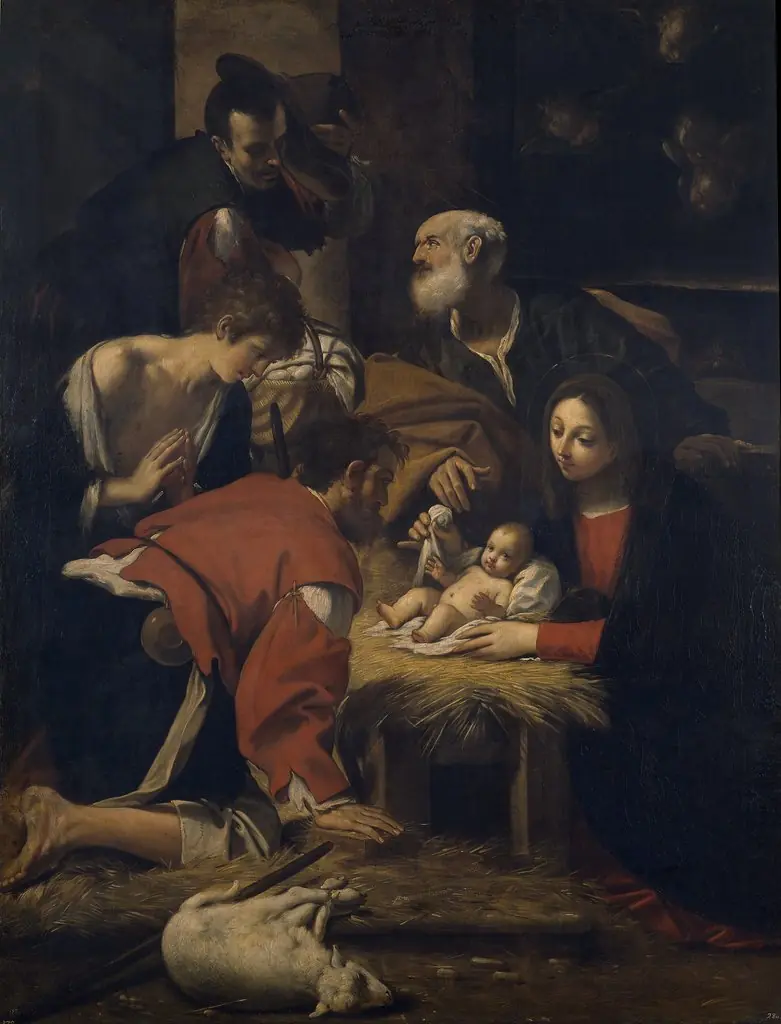
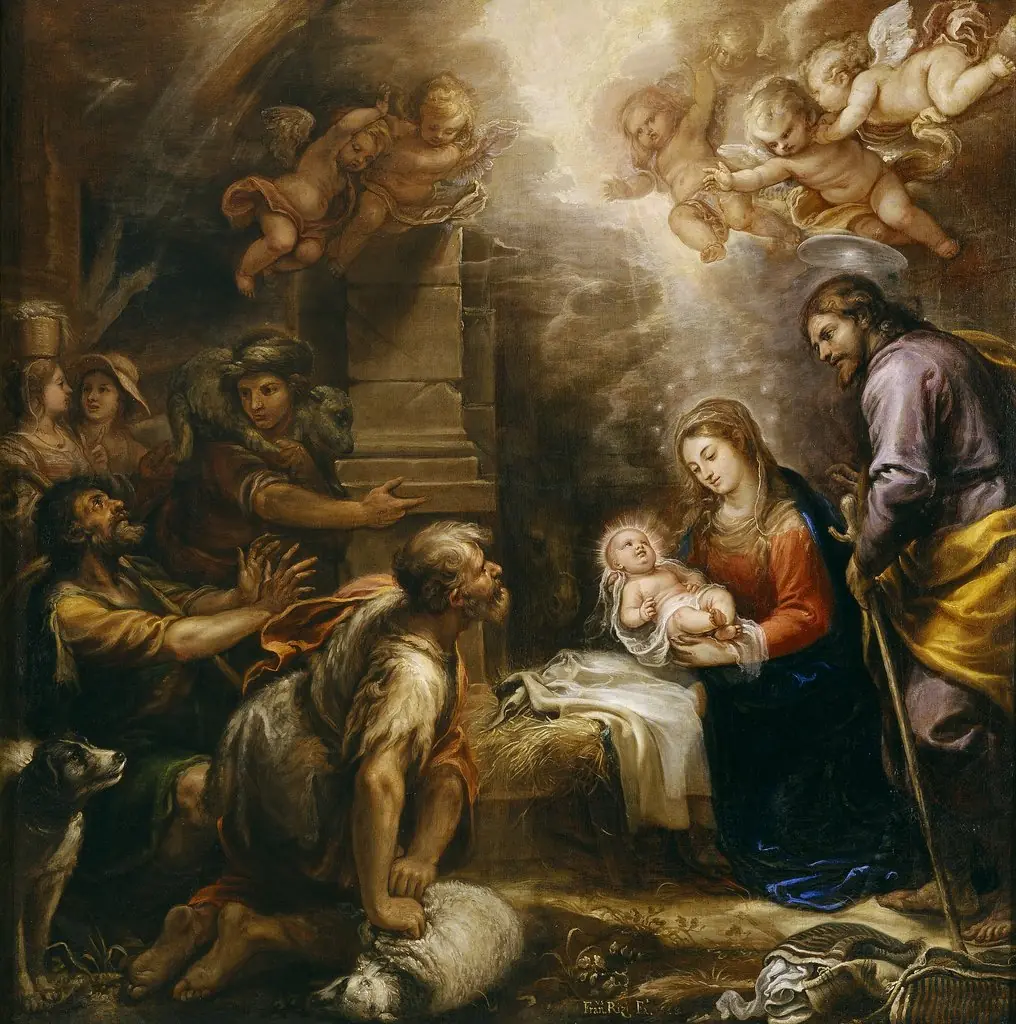
The Adoration of the Shepherds is a photography by Unknown. It dates from 1654 and is held in the collection of the Statens Museum for Kunst. Painted around 1654, this work depicts the biblical moment of the shepherds’ visit to the newborn Christ.
About this work
Overview
Painted around 1654, this work depicts the biblical moment of the shepherds’ visit to the newborn Christ. Executed in oil on panel, it is part of the collection at the Museum of Ethnography. The composition centers on a quiet, intimate moment rather than grand spectacle, emphasizing stillness and reverence through subdued tones and focused illumination.
Subject & Meaning
The scene portrays the shepherds, humble witnesses to the Nativity, gathered around the manger. The central figure, a woman in blue, holds the infant, while a bearded man in purple and a kneeling woman in gold armor observe silently. A sleeping elder, a child observer, and a dog add layers of quiet humanity, suggesting the sacred event unfolds unnoticed by the wider world.
Technique & Style
The artist employs chiaroscuro to model forms with dramatic contrasts between light and shadow. The infant’s face and the mother’s features catch a soft, directional glow, while surrounding figures recede into darkness. This selective illumination draws attention to the central figures and enhances the emotional gravity of the moment without theatricality.
History & Provenance
The painting entered the Museum of Ethnography’s collection in the late 19th century, though its earlier ownership remains undocumented. Its attribution to the artist remains tentative, as no signed or dated works by this hand are definitively known. The piece was likely acquired as part of a broader collection of devotional imagery from southern Europe.
Context
Created during the mid-17th century, the work reflects regional devotional traditions that favored intimate, emotionally grounded depictions of sacred events. Unlike grand Baroque altarpieces, this painting aligns with quieter, domestic interpretations of biblical narratives, common in smaller churches and private chapels across rural communities.
Legacy
Though not widely exhibited or studied, the painting offers insight into localized artistic responses to religious themes. Its understated realism and emphasis on quiet observation distinguish it from more flamboyant contemporaries, preserving a glimpse of how ordinary believers might have envisioned the Nativity in their daily spiritual lives.
Artist & collection

 Domestic Scene
 Giacomo and Cardinal Marco, investing Andrea, Abbot of San Zeno, with his Benefice
 The Nymph of Fontainebleau
 Portrait of a Woman
 Madonna and Child with Saints in the Enclosed Garden
 Venus and Minerva
 Family Group of Four on Sofa
 Wall painting from Room H of the Villa of P. Fannius Synistor at Boscoreale
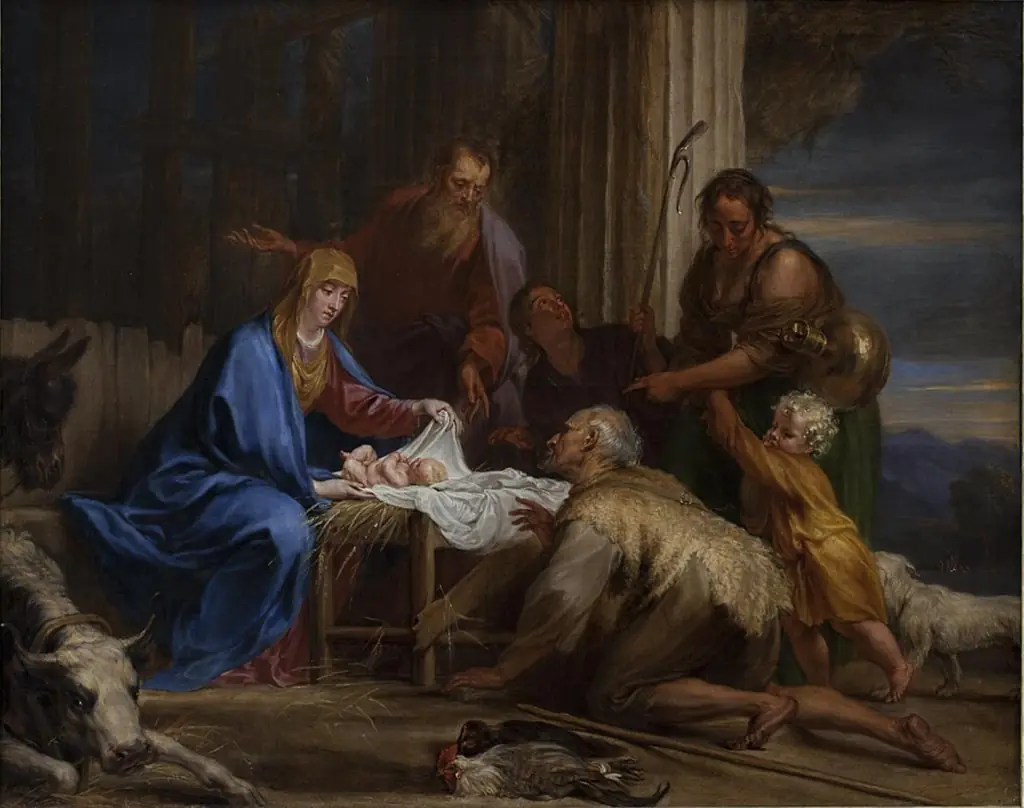 The Adoration of the Shepherds
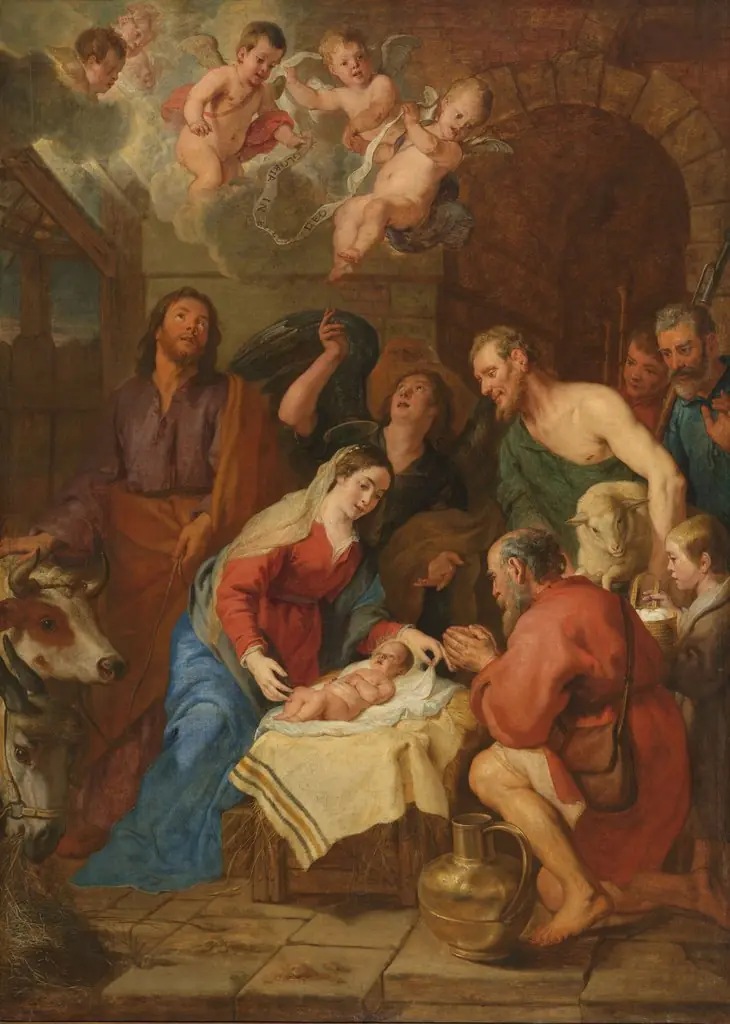 The adoration of the shepherds
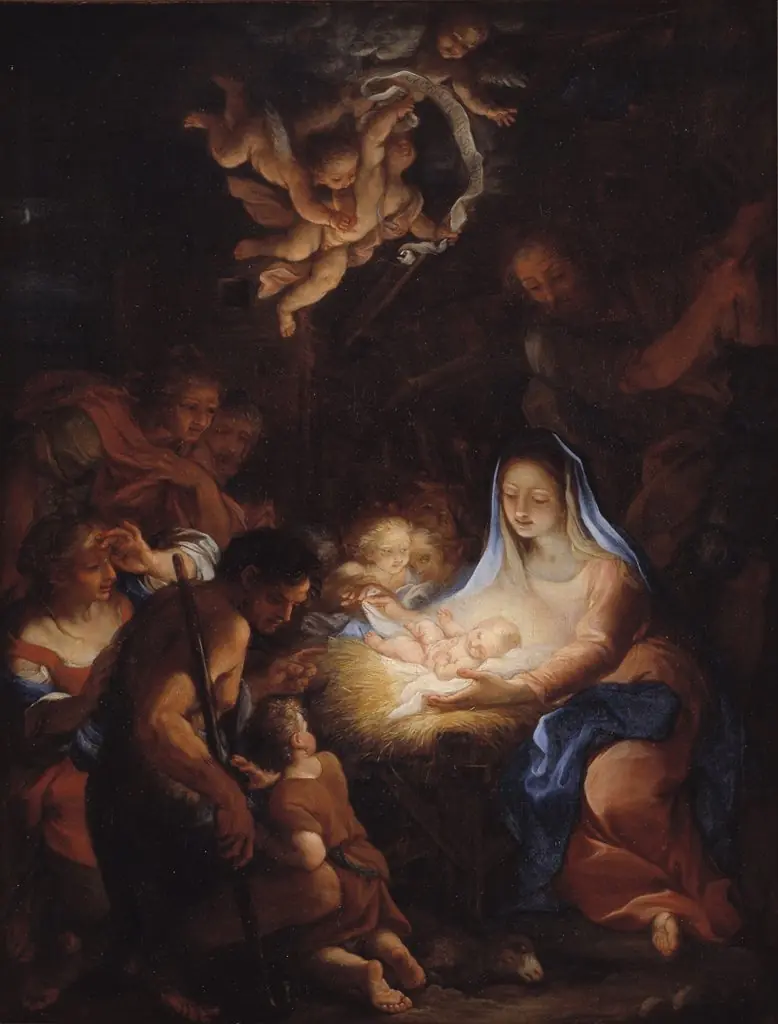 The Adoration of the Shepherds
 The Adoration of the Shepherds
 The Adoration of the Shepherds
 The Adoration of the Shepherds
 The Adoration of the Magi
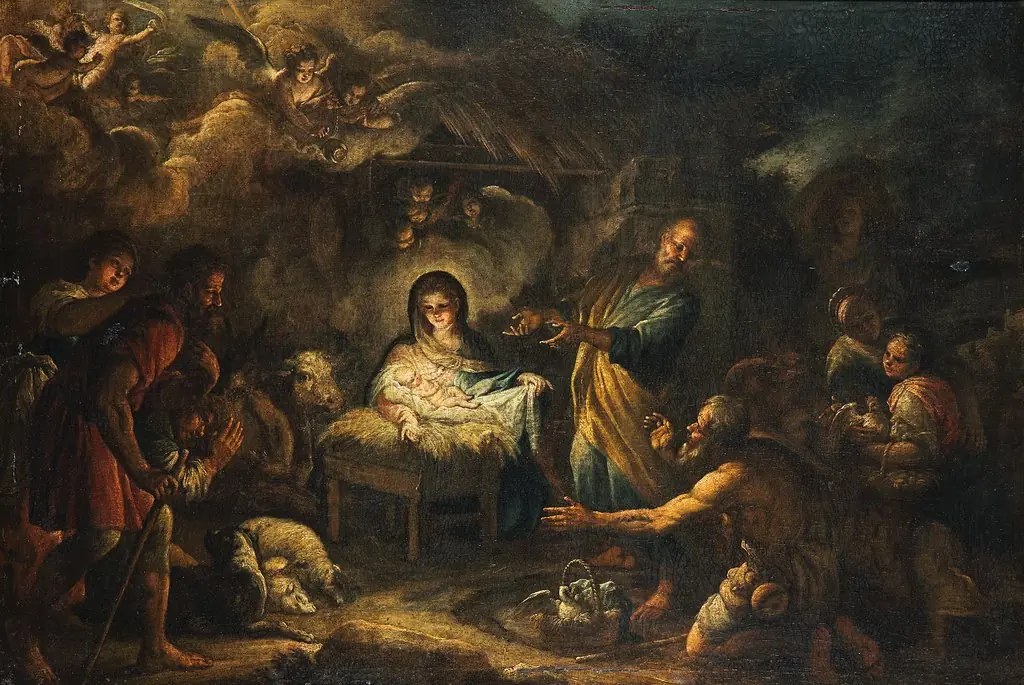 Adoration of the Sheperds
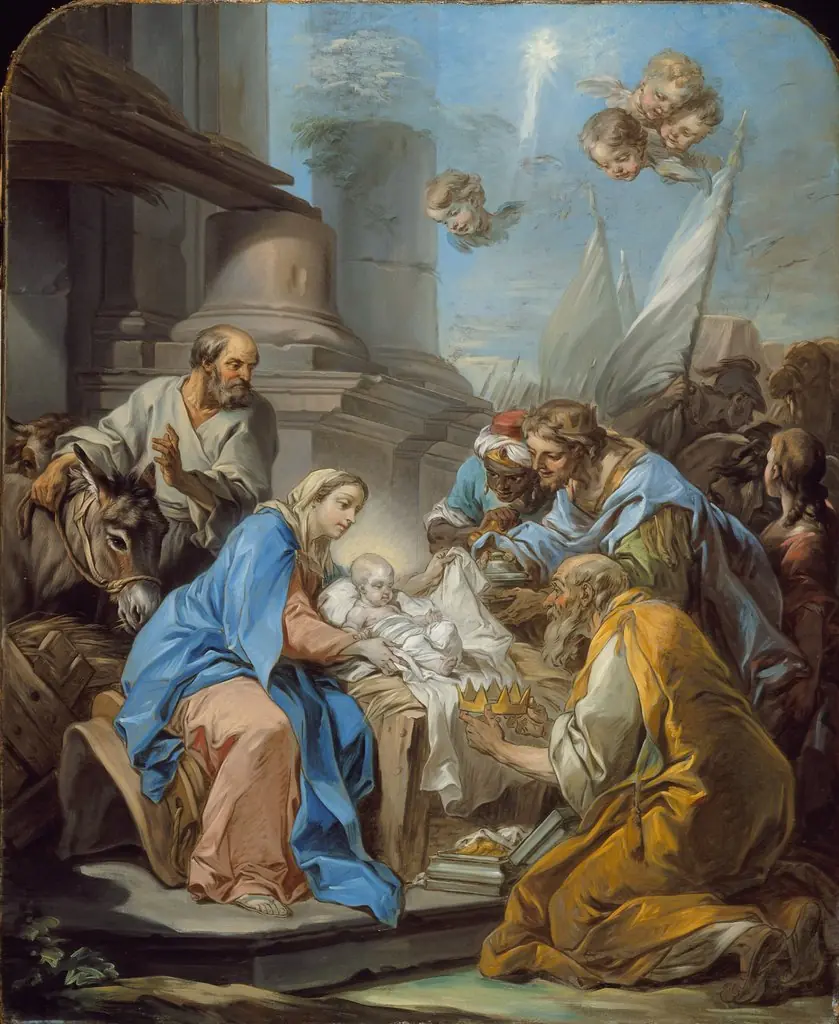 The Adoration of the Magi
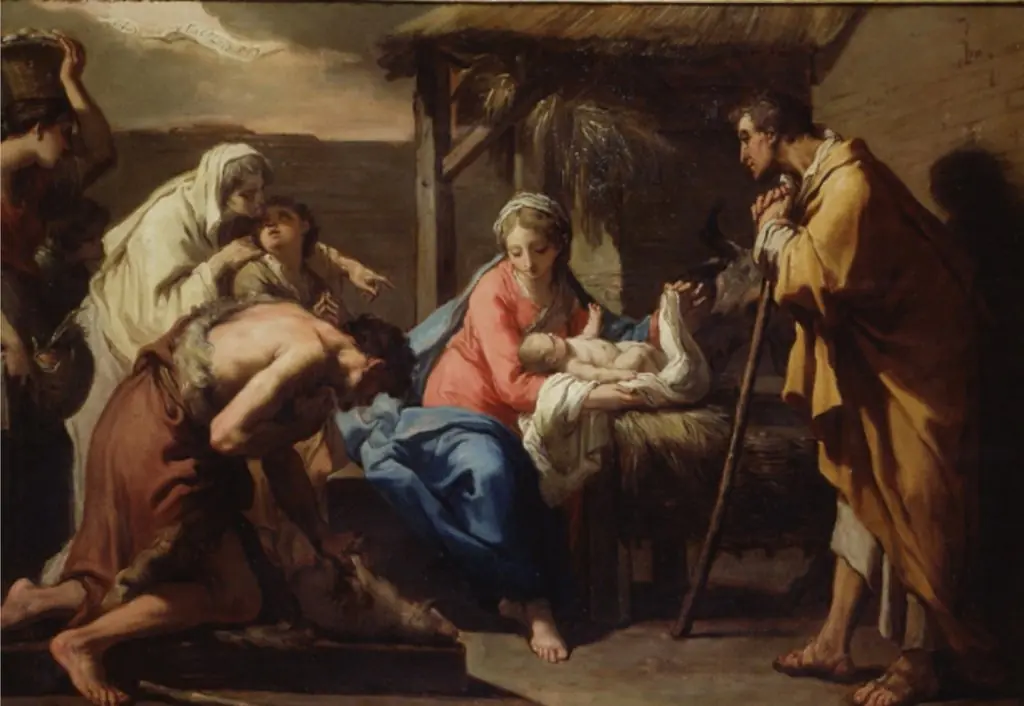 Adoration of the Shepherds
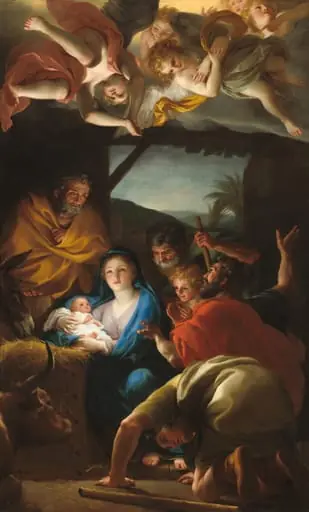 The Adoration of the Shepherds
 The Adoration of the Shepherds