Artwork
The Adoration of the Shepherds
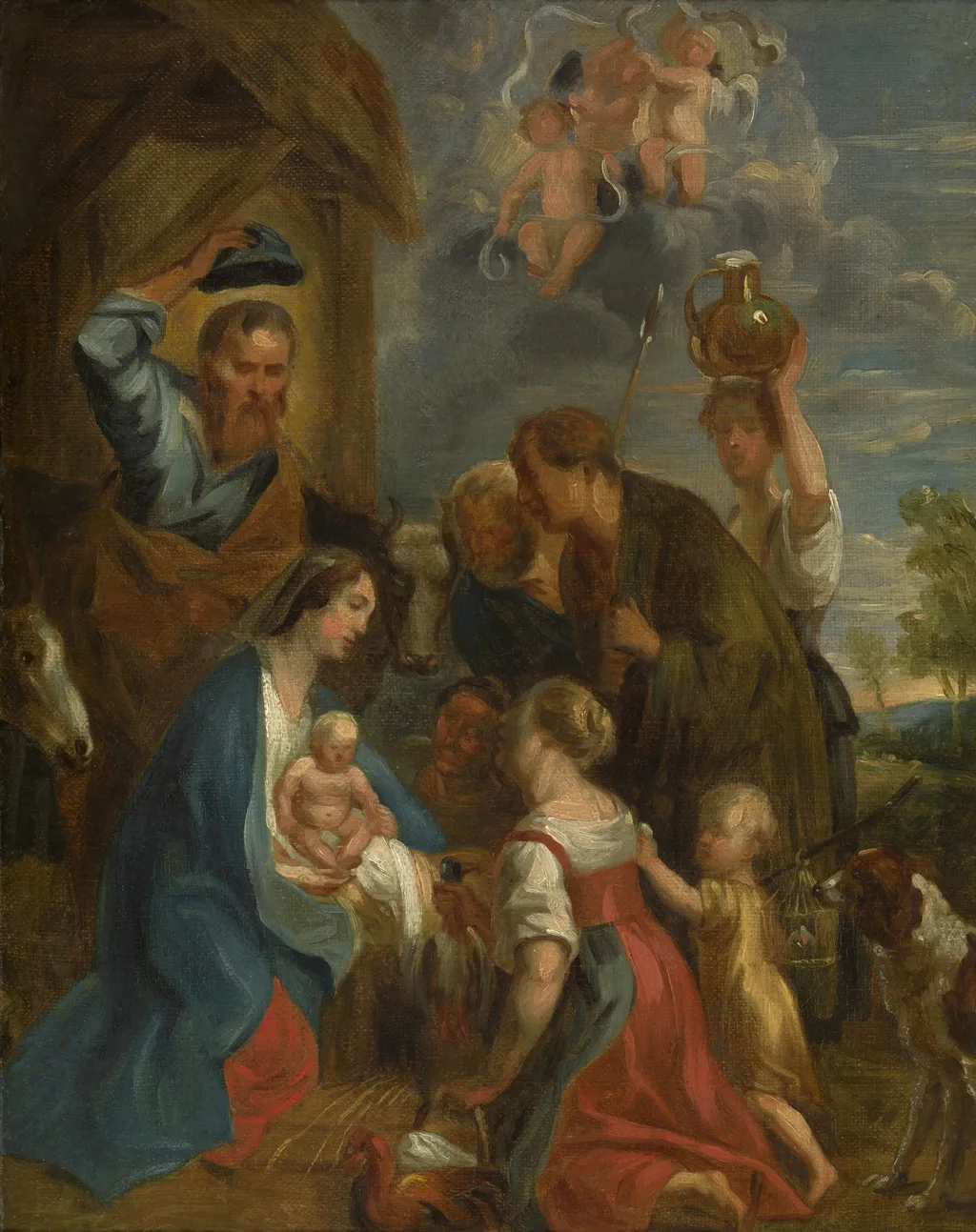
The Adoration of the Shepherds is an oil painting by the Flemish Baroque painting artist Jacob Jordaens. It dates from 1643 and is held in the collection of the Royal Museum of Fine Arts Antwerp.
About this work
Overview
Created during the height of the Flemish Baroque, it reflects Jordaens’ role as a leading artist in Antwerp following the deaths of Rubens and van Dyck.
Painted in 1643 by Jacob Jordaens, this oil-on-canvas work depicts the biblical moment when shepherds visit the newborn Christ. Created during the height of the Flemish Baroque, it reflects Jordaens’ role as a leading artist in Antwerp following the deaths of Rubens and van Dyck. The painting is part of the Royal Museum of Fine Arts Antwerp’s collection and exemplifies Jordaens’ engagement with religious themes through vivid, grounded human expression.
Subject & Meaning
The scene centers on the Virgin Mary holding the infant Jesus, surrounded by humble shepherds and onlookers. One figure, likely Joseph, gestures upward in awe, while others observe with quiet reverence or curiosity. The inclusion of animals and everyday clothing grounds the sacred event in rural reality, emphasizing divine presence within ordinary life. The dark sky and celestial figures above suggest a spiritual dimension intersecting the earthly moment.
Technique & Style
Jordaens employed thick, textured brushwork—particularly in the folds of garments—to convey weight and tactile presence. The palette favors earth tones, reinforcing the shepherds’ modest status, while the Virgin’s blue robe draws the eye without artificial brilliance. Light falls naturally across the central group, enhancing the intimacy of the moment. The impasto technique adds physicality to the fabrics, distinguishing this from the smoother finishes of contemporaries like van Dyck.
History & Provenance
Commissioned during Jordaens’ mature period, the painting remained in Antwerp’s artistic circles after its completion. It entered the Royal Museum of Fine Arts Antwerp’s collection in the 19th century, where it has been consistently displayed as a key example of Flemish religious painting. No significant alterations or reattributions are recorded, and its provenance traces steadily through institutional ownership since the 1700s.
Context
In mid-17th-century Antwerp, religious imagery remained vital despite Protestant pressures elsewhere in Europe. Jordaens responded to local devotional needs by portraying biblical scenes with emotional immediacy and social realism. Unlike the grandeur of Rubens, his approach favored accessible, human-scale narratives, aligning with the tastes of Antwerp’s civic and ecclesiastical patrons who valued authenticity over theatricality.
Legacy
The painting exemplifies Jordaens’ distinctive contribution to Baroque religious art: a focus on quiet dignity amid everyday life. While less celebrated internationally than Rubens’ works, it influenced regional artists who sought to depict sacred subjects with psychological depth and material realism. Its continued presence in a major public museum underscores its enduring role in documenting Flemish devotional culture.
Own this work as a print
Artist & collection
Artist
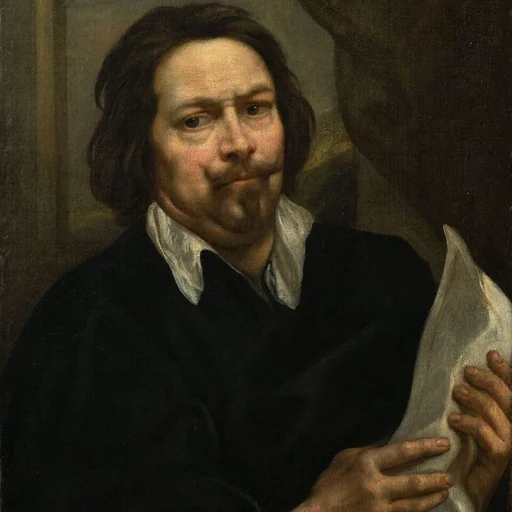
Jacques (Jacob) Jordaens (19 May 1593 – 18 October 1678) was a Flemish painter, draughtsman and a designer of tapestries and prints.

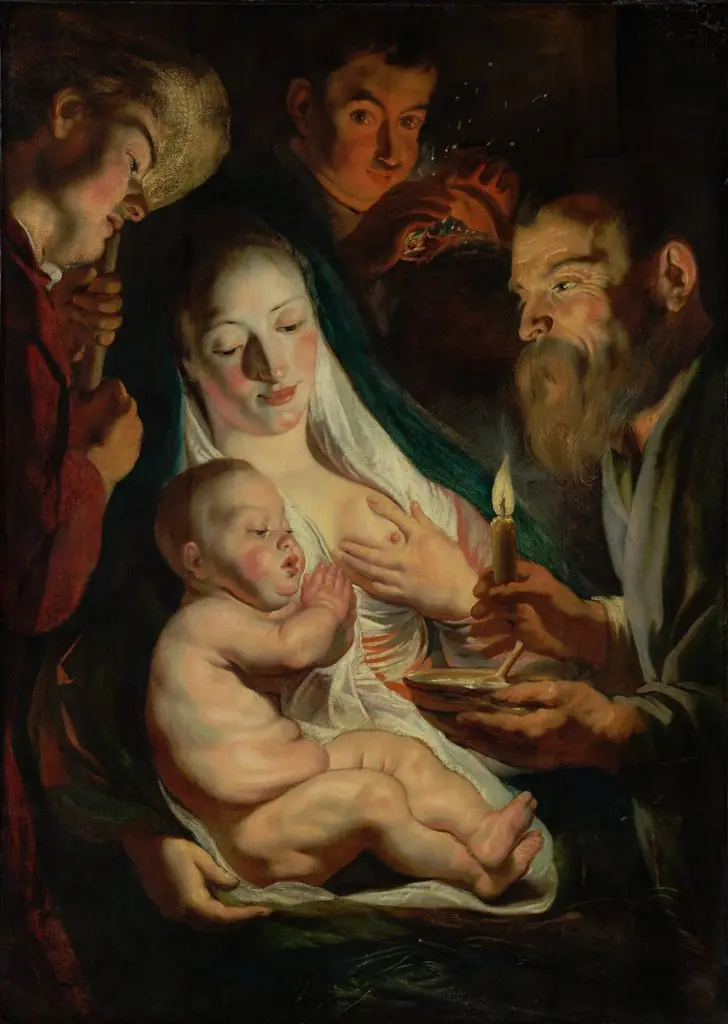 The Holy Family with Shepherds
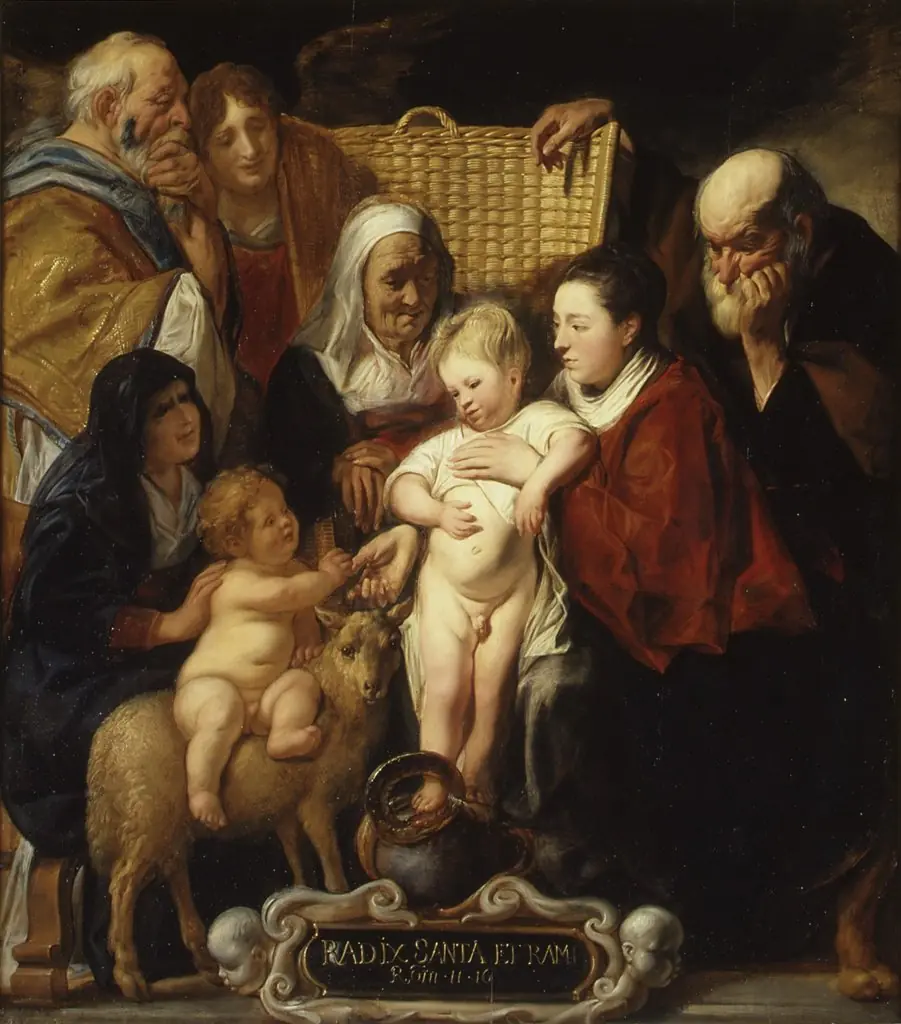 The Holy Family with Saint Anne and the Young Baptist and His Parents
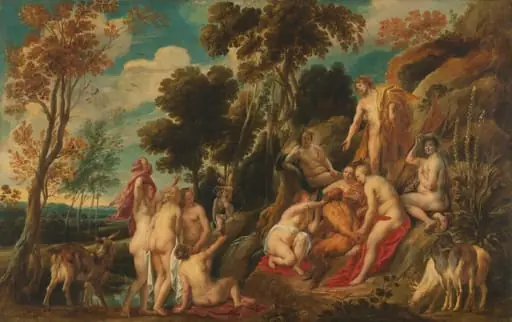 Untitled
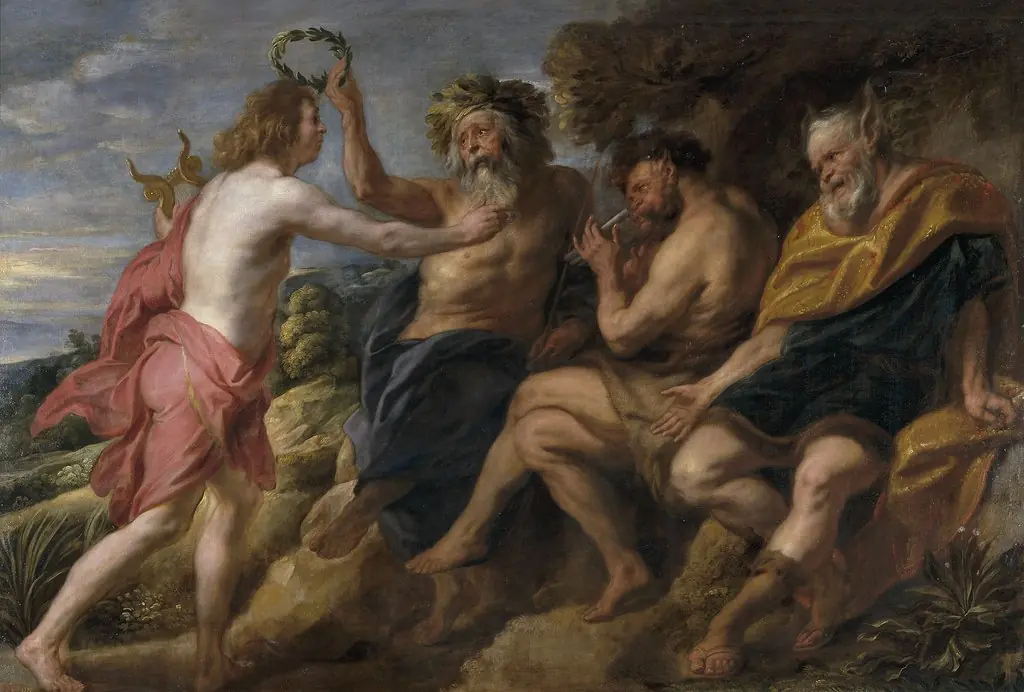 Apollo as Victor over Pan
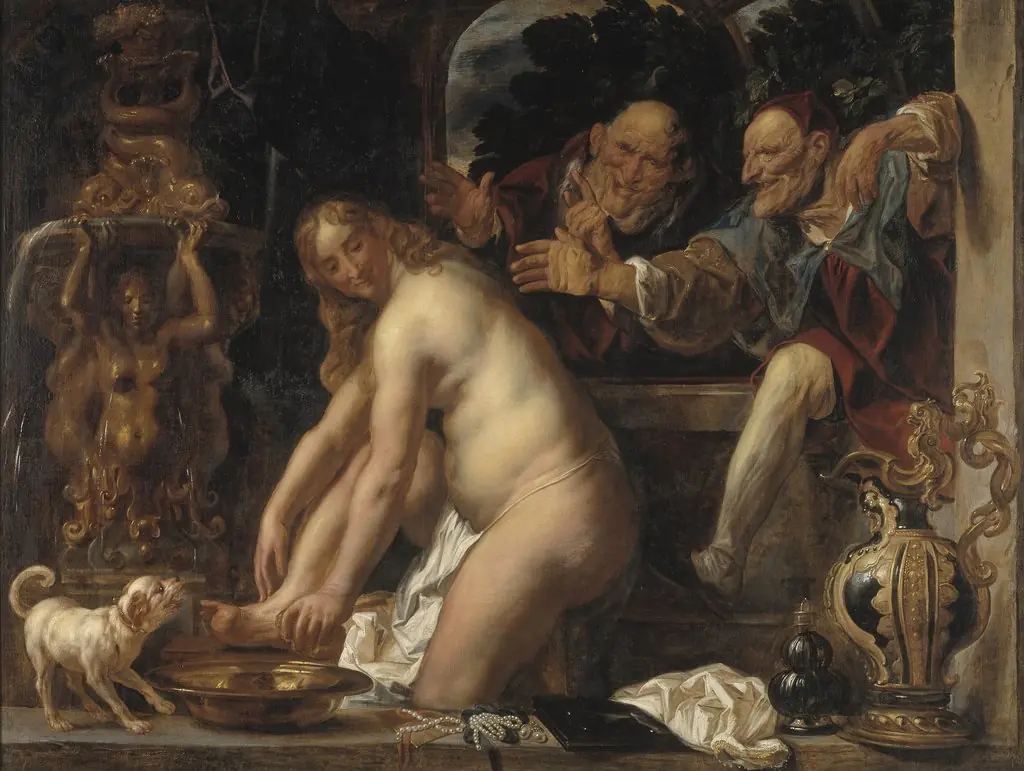 Susanna and the Elders
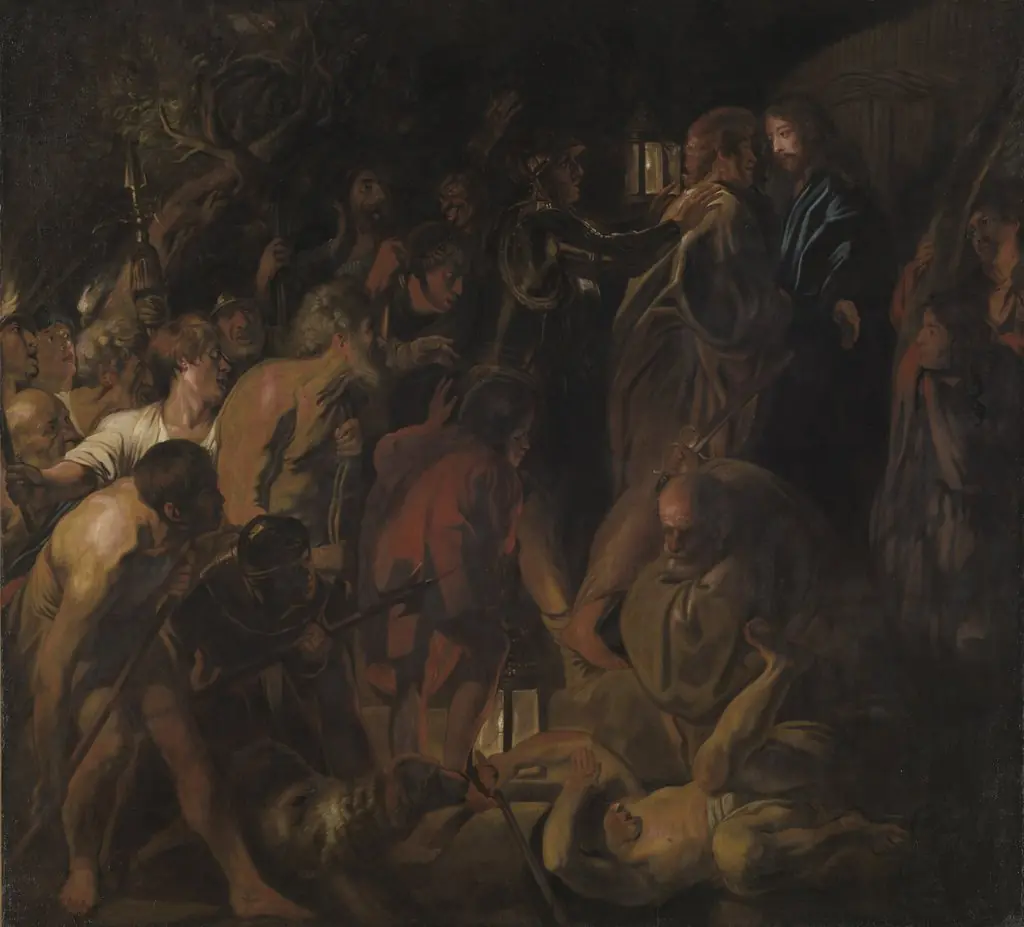 The Betrayal of Christ
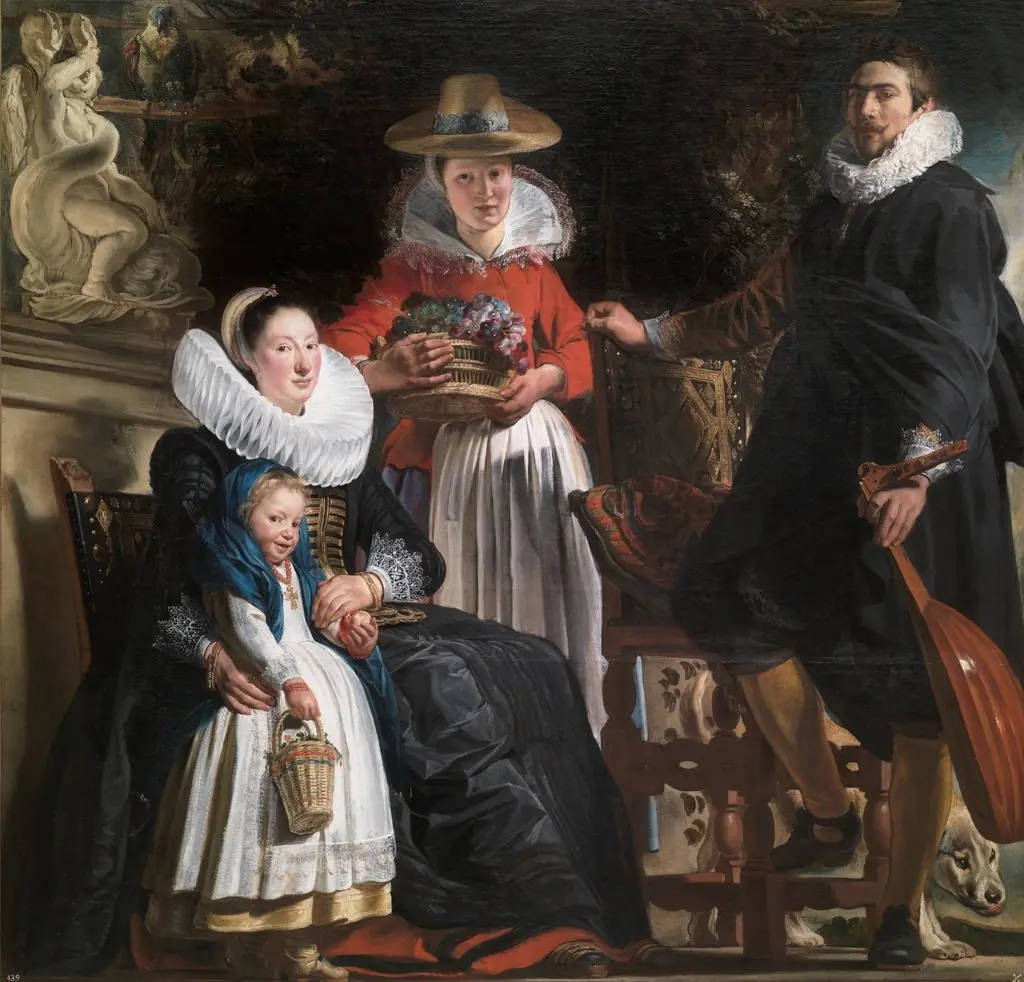 Portrait of the artist with his family
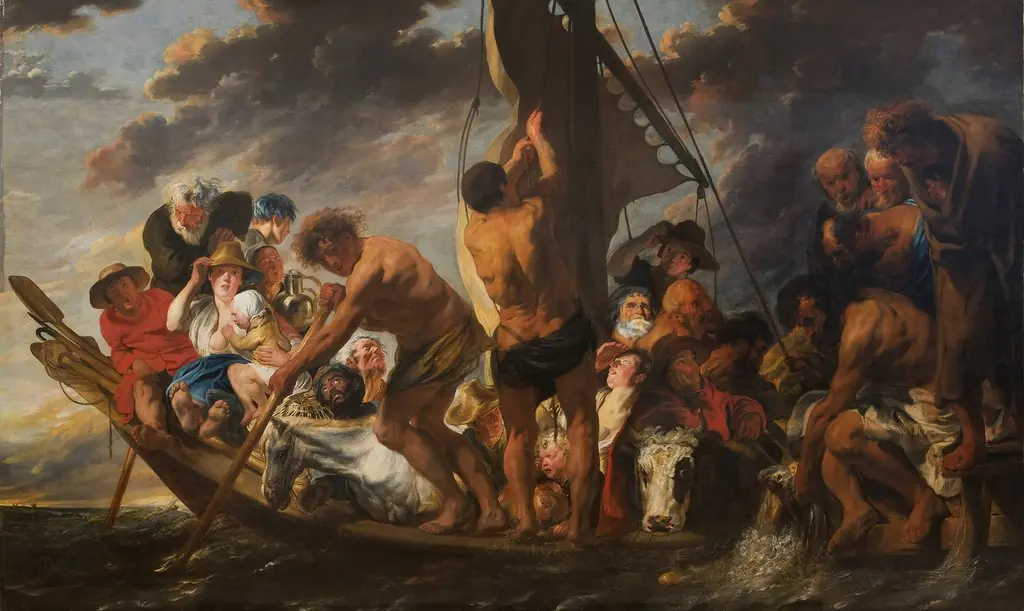 The Tribute Money. Peter Finding the Silver Coin in the Mouth of the Fish. Also called "The Ferry Boat to Antwerp"
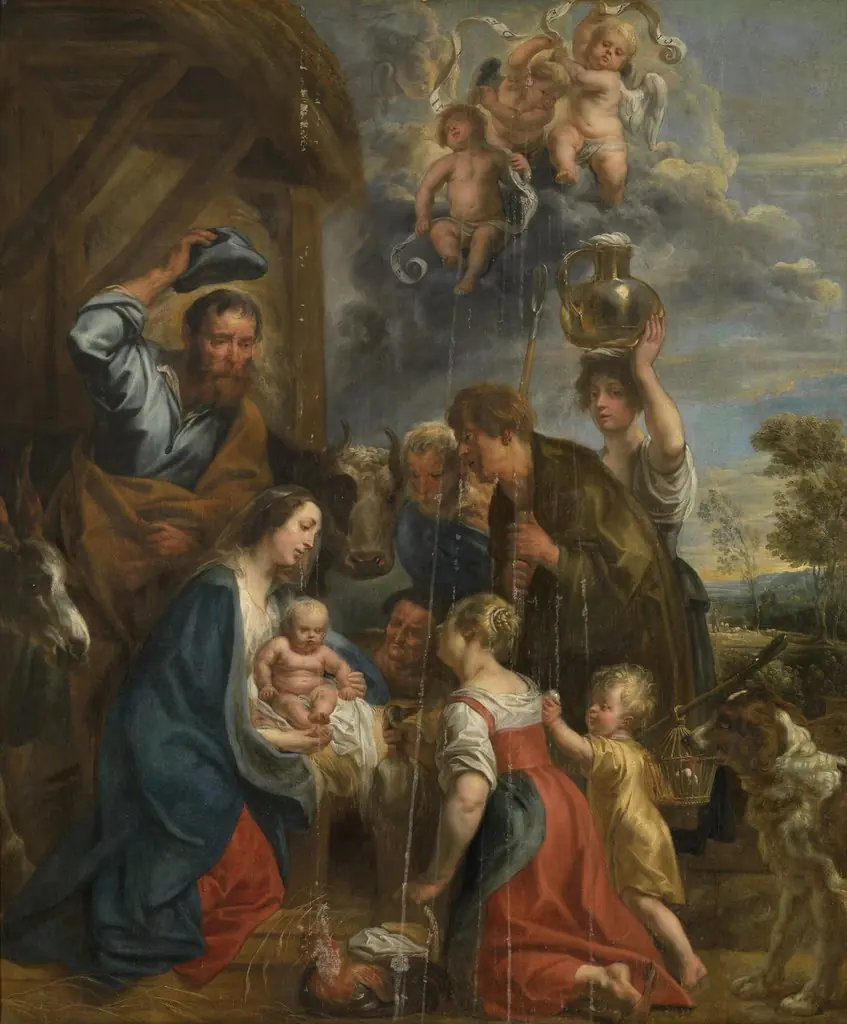 The Adoration of the Shepherds
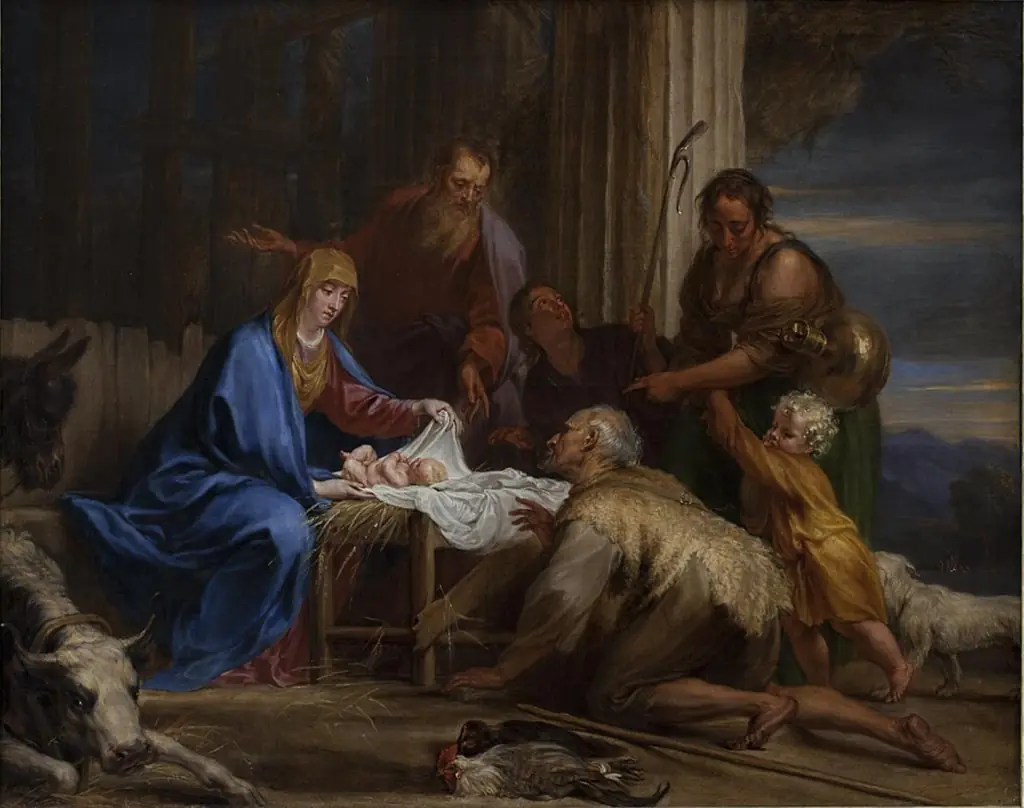 The Adoration of the Shepherds
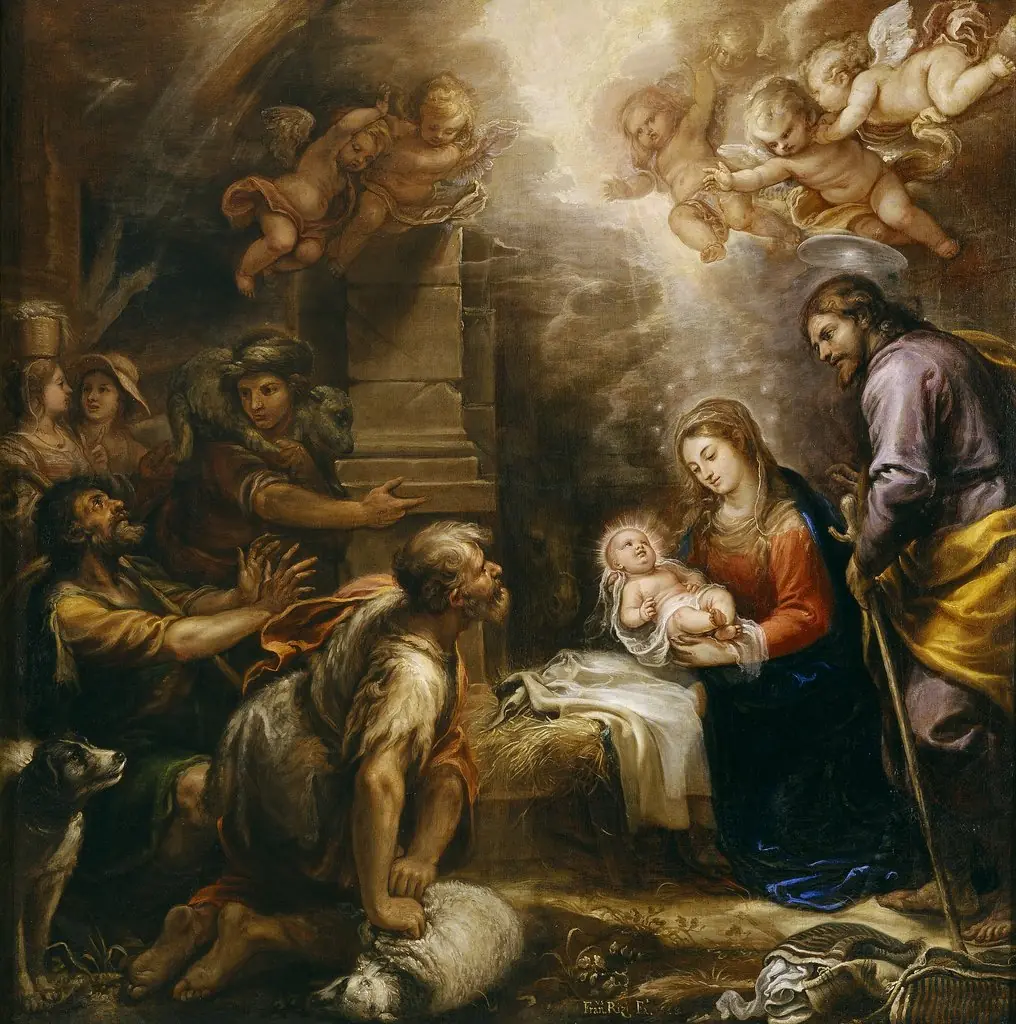 The Adoration of the Shepherds
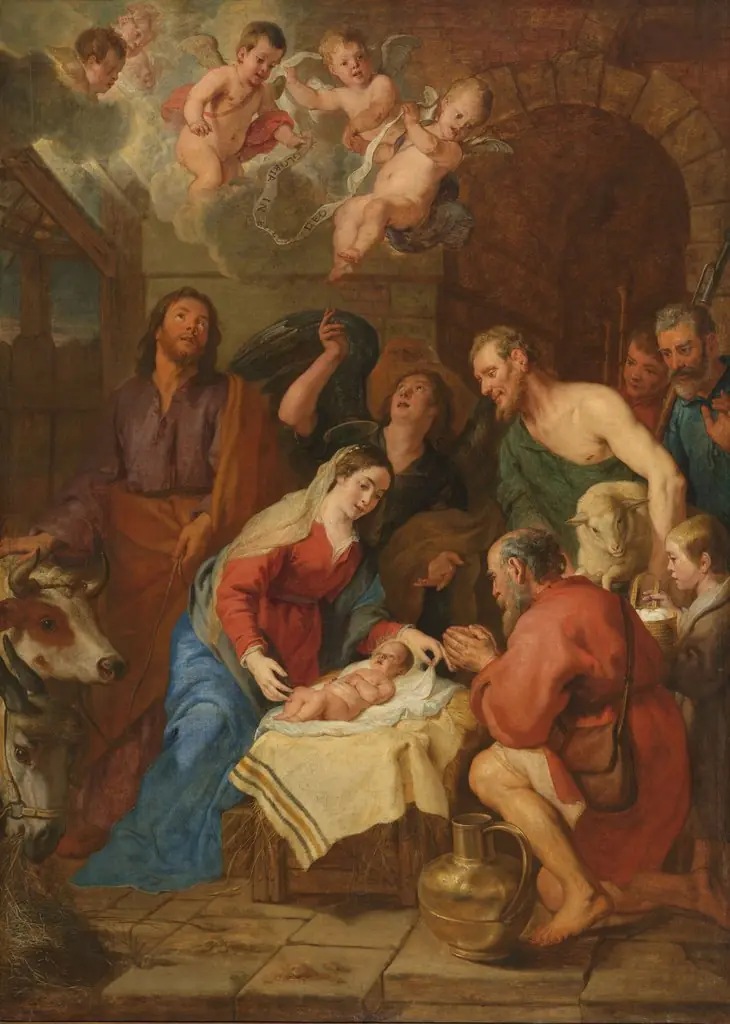 The adoration of the shepherds
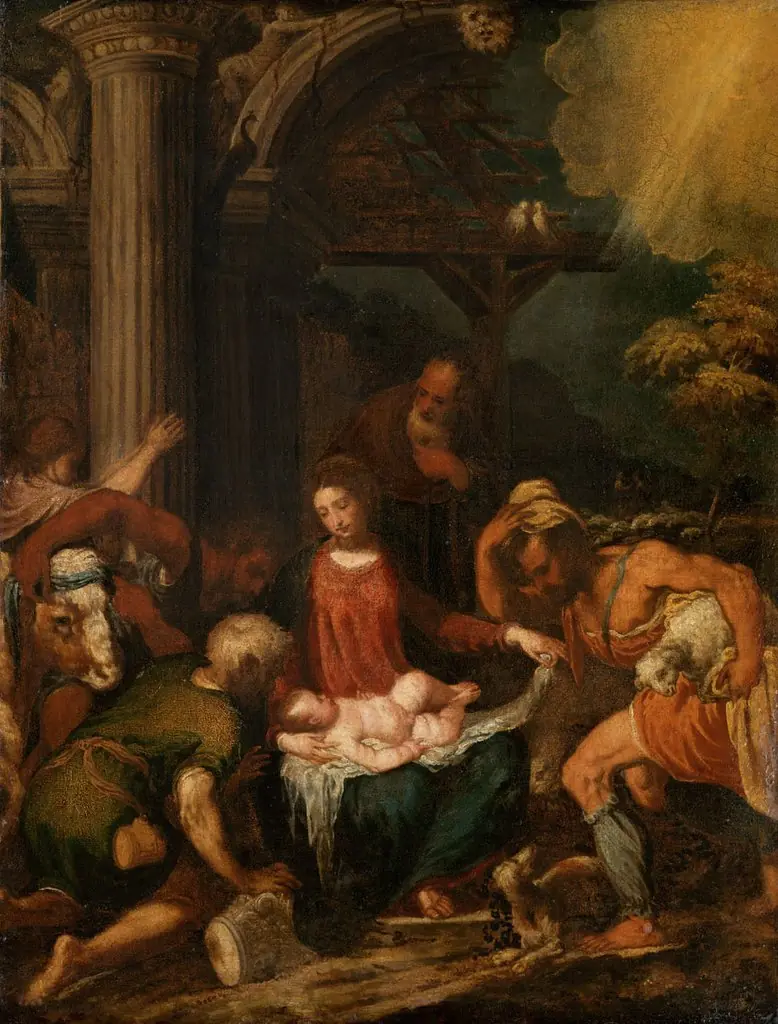 Adoration of the Shepherds
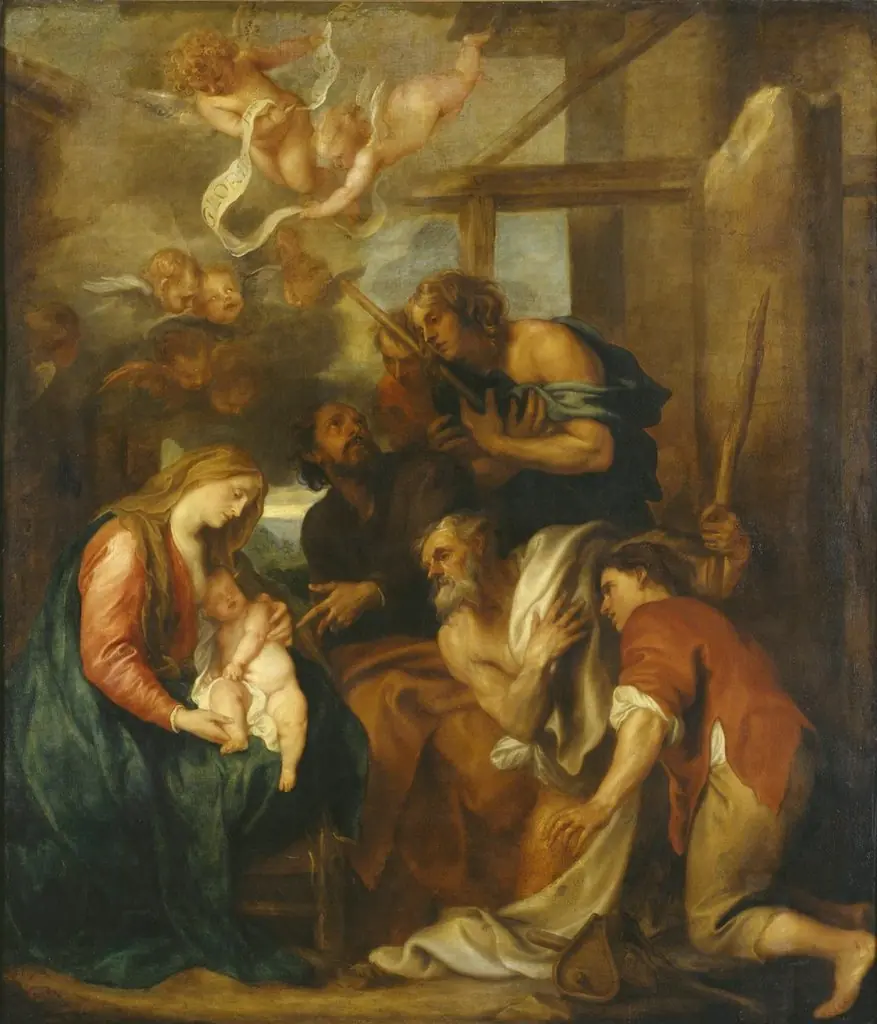 Adoration of the Shepherds
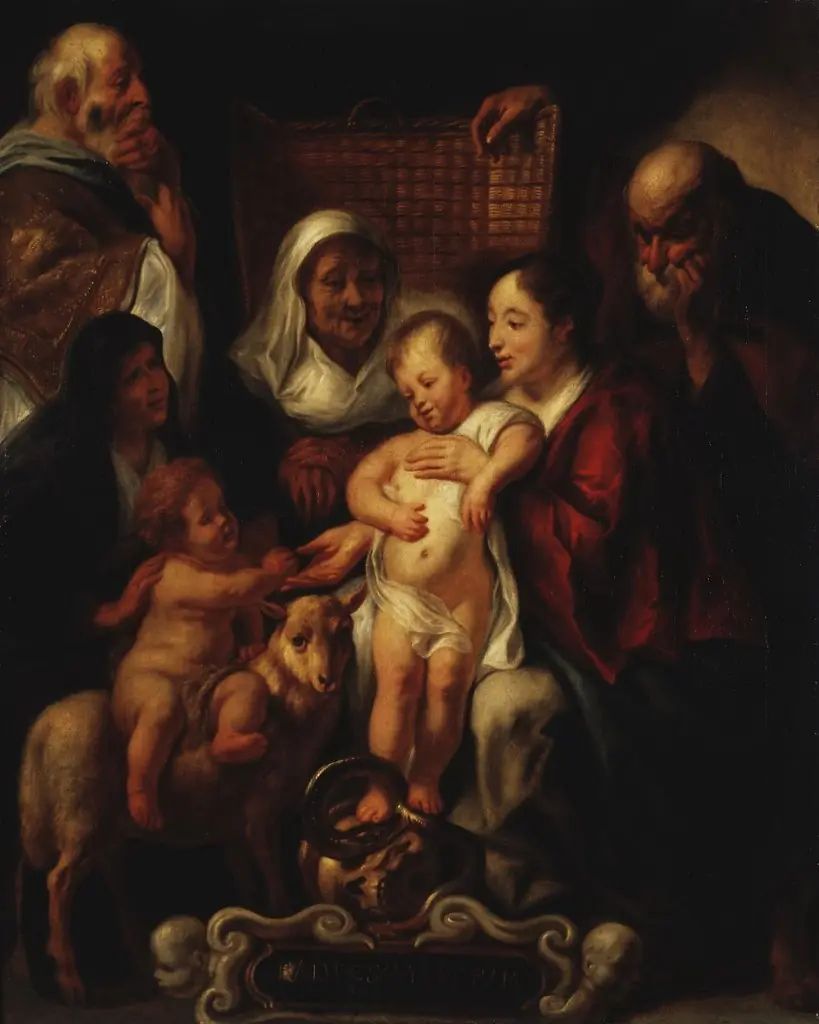 The Holy Family (Hermitage)
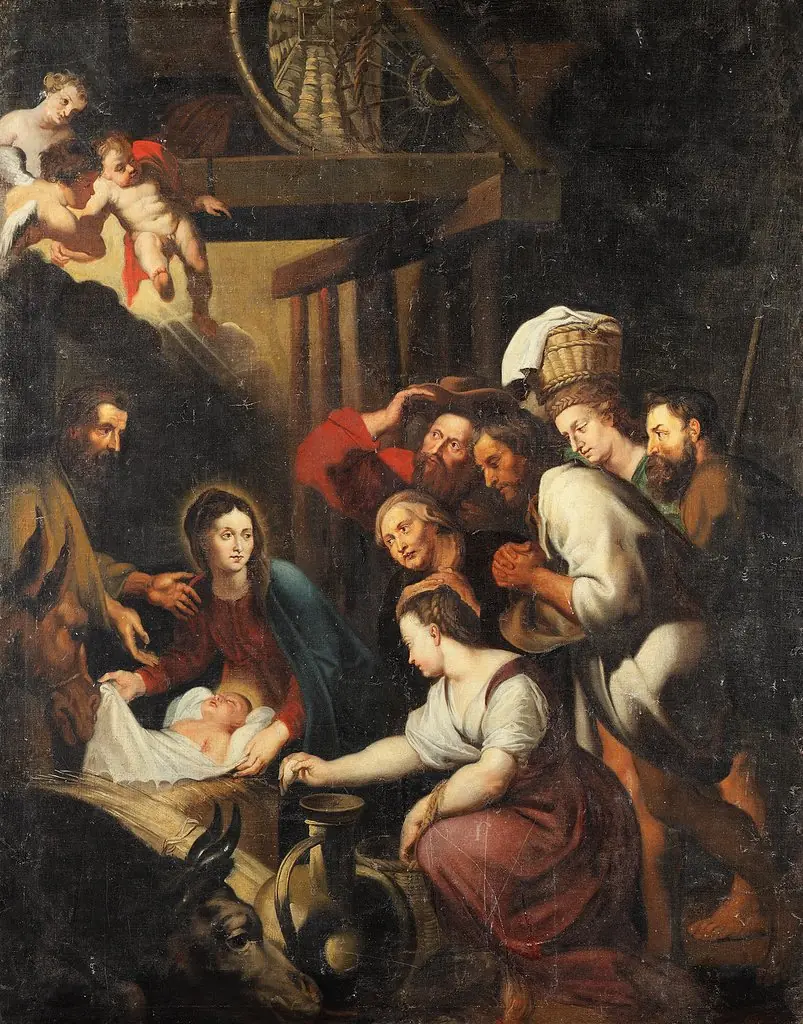 Adoration of the Shepherds
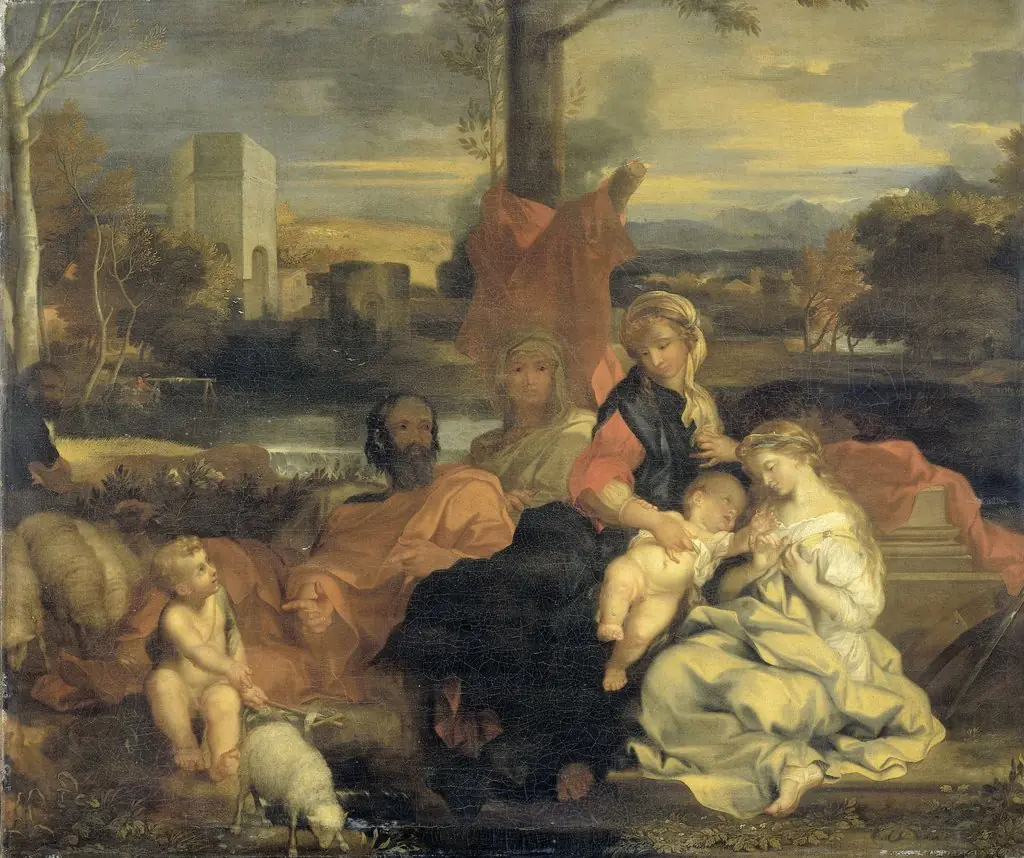 The Mystic Marriage of St Catherine
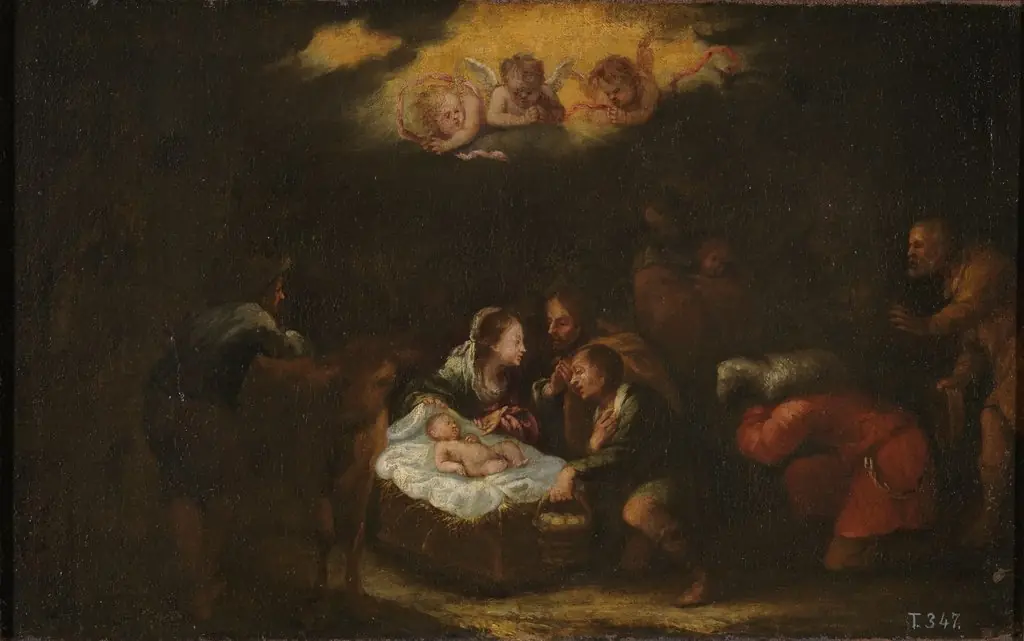 The Nativity
 Epiphany
 The Adoration of the Shepherds