Artwork
Sitting Person Conversing One Standing
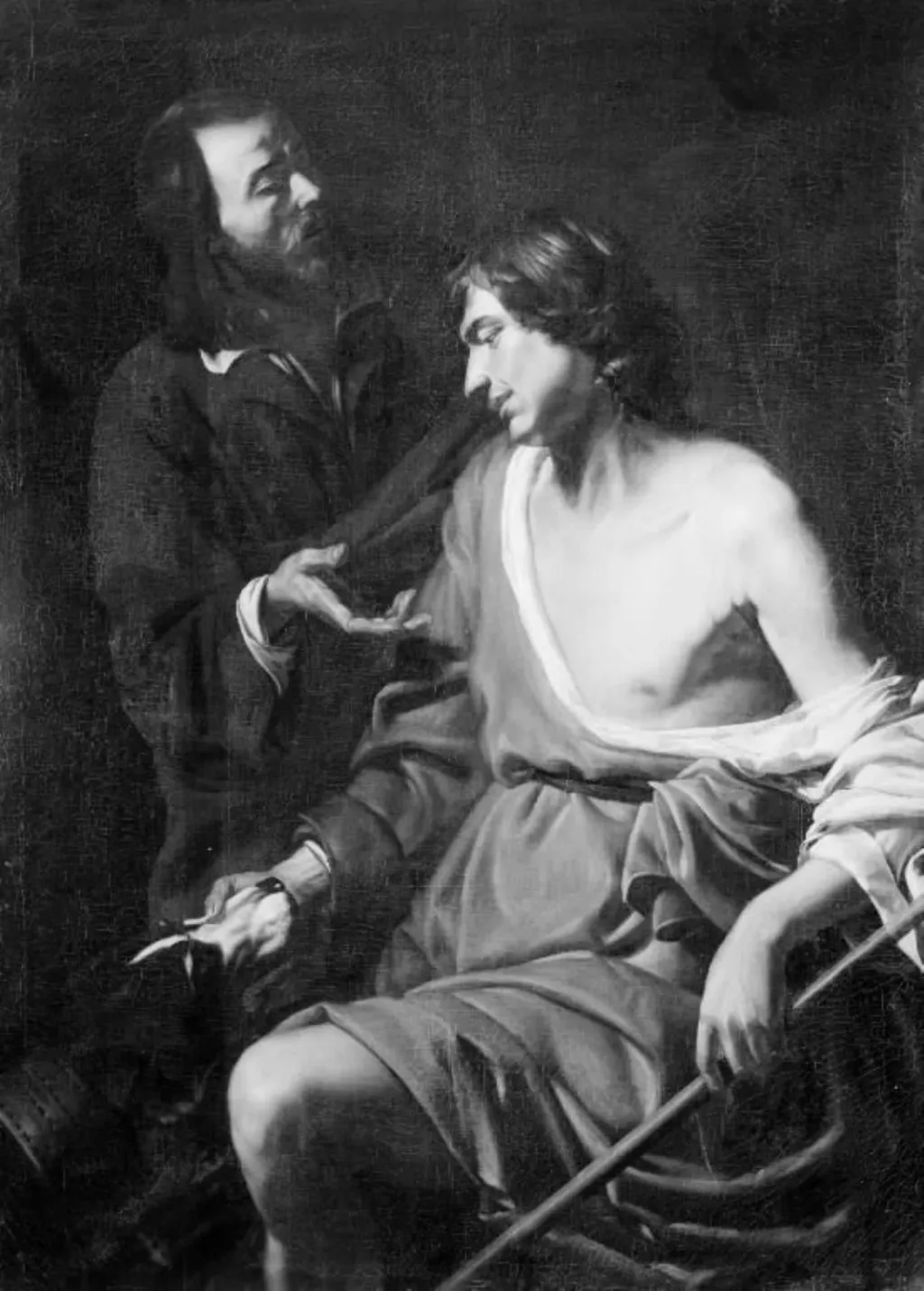
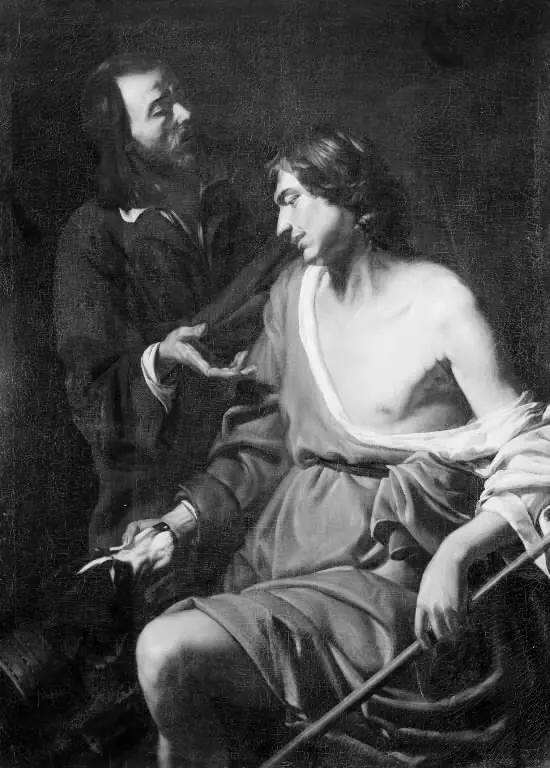
Sitting Person Conversing One Standing is a photography by Unknown. It dates from 1629 and is held in the collection of the Statens Museum for Kunst. This image, dated around 1629, depicts two male figures in a quiet, intimate exchange.
About this work
Overview
Rendered against a dark, unmodeled background, the composition isolates the interaction, emphasizing psychological presence over environmental detail.
This image, dated around 1629, depicts two male figures in a quiet, intimate exchange. The seated man, clad in a robe and holding a staff, faces upward toward a standing figure who gestures as if speaking. Rendered against a dark, unmodeled background, the composition isolates the interaction, emphasizing psychological presence over environmental detail. The work is held in the collection of the Museum of Ethnography.
Subject & Meaning
The scene likely illustrates a moment from the life of John the Baptist, a figure traditionally portrayed as a prophetic voice in the wilderness. The seated man may represent a listener or disciple, while the standing figure embodies the preacher delivering divine instruction. The gesture of the standing man suggests verbal authority, reinforcing themes of spiritual guidance and reception common in religious narratives of the period.
Technique & Style
The artist employs chiaroscuro to model the figures with dramatic light and shadow, giving volume and emotional weight to their forms. The dark background eliminates distractions, directing focus to the interplay of posture and expression. Robes are rendered with subtle tonal shifts rather than detailed texture, prioritizing mood over realism. The style reflects a quiet, introspective approach to religious storytelling.
History & Provenance
The work is attributed to an artist identified as 32469_person, though little is documented about their life or other works. It entered the Museum of Ethnography’s collection in the early 20th century, likely acquired as part of a broader effort to preserve religious imagery from early modern Europe. Its origins prior to museum acquisition remain unclear.
Context
Created in the early 17th century, the image aligns with a broader European tradition of depicting biblical figures in intimate, human moments. While large-scale altarpieces dominated public devotion, smaller works like this catered to private contemplation. The use of chiaroscuro echoes Caravaggio’s influence, though here it is subdued, suggesting regional or personal adaptation of the style.
Legacy
The painting contributes to a lesser-known corpus of devotional images that prioritize psychological nuance over grandeur. Though not widely exhibited, it remains a quiet example of how religious narratives were rendered for personal reflection in the Baroque era. Its preservation in an ethnographic museum underscores its value as a cultural artifact beyond purely aesthetic concerns.
Artist & collection

 Domestic Scene
 Giacomo and Cardinal Marco, investing Andrea, Abbot of San Zeno, with his Benefice
 The Nymph of Fontainebleau
 Portrait of a Woman
 Madonna and Child with Saints in the Enclosed Garden
 Venus and Minerva
 Family Group of Four on Sofa
 Wall painting from Room H of the Villa of P. Fannius Synistor at Boscoreale
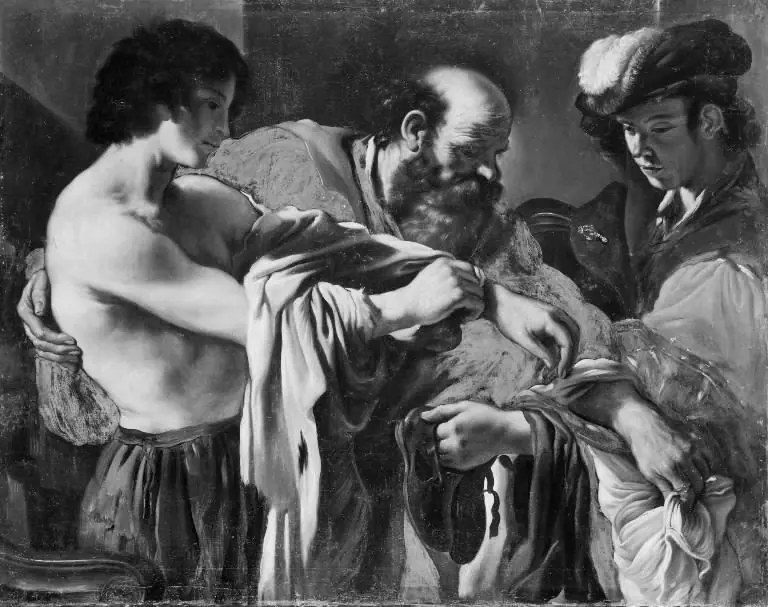 The Return of the Prodigal son
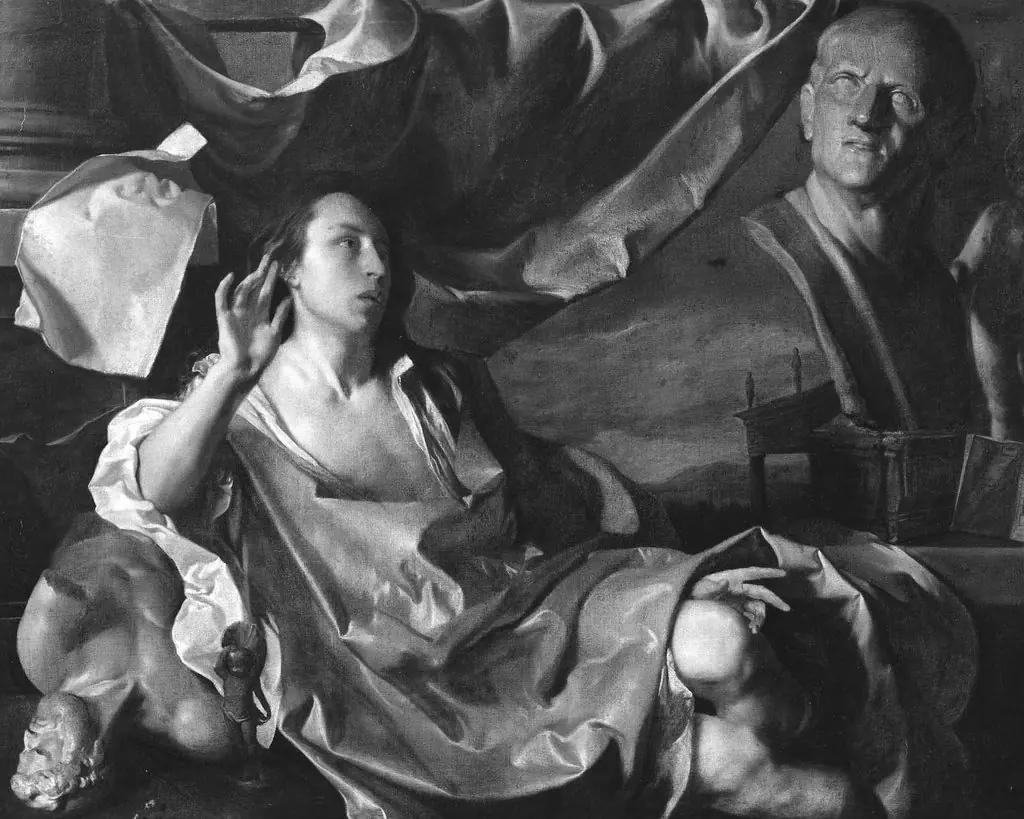 Inspiration of an Artist
 The Prodigal Son
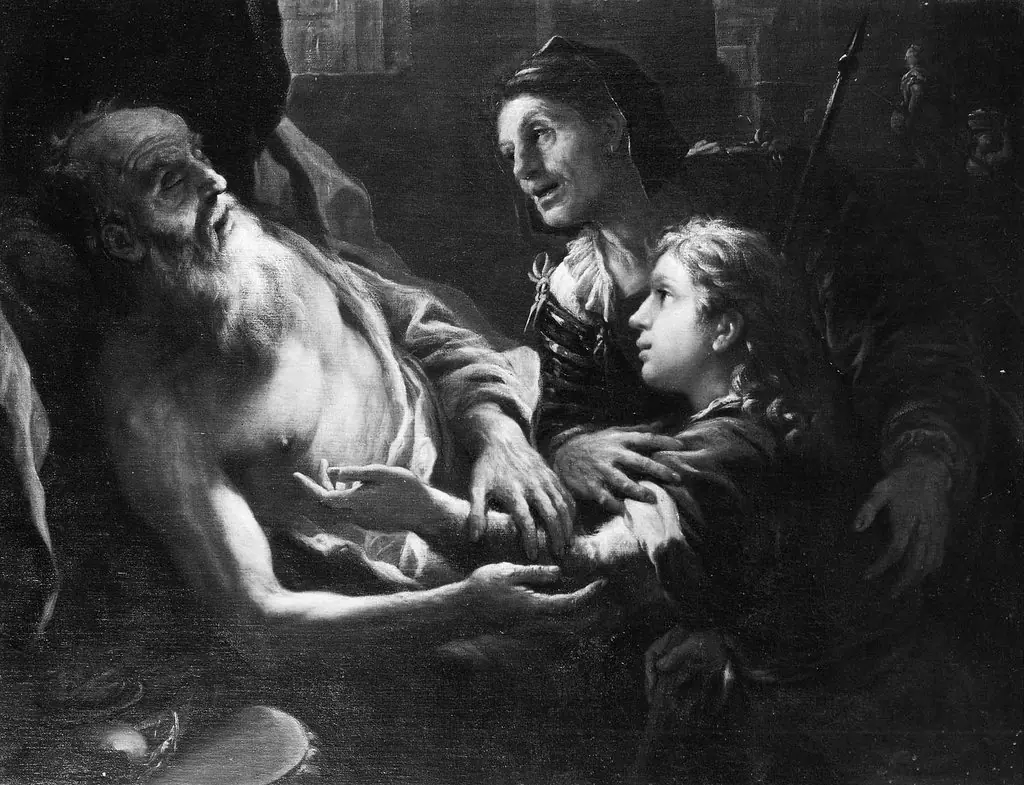 Isaac Blessing Jacob
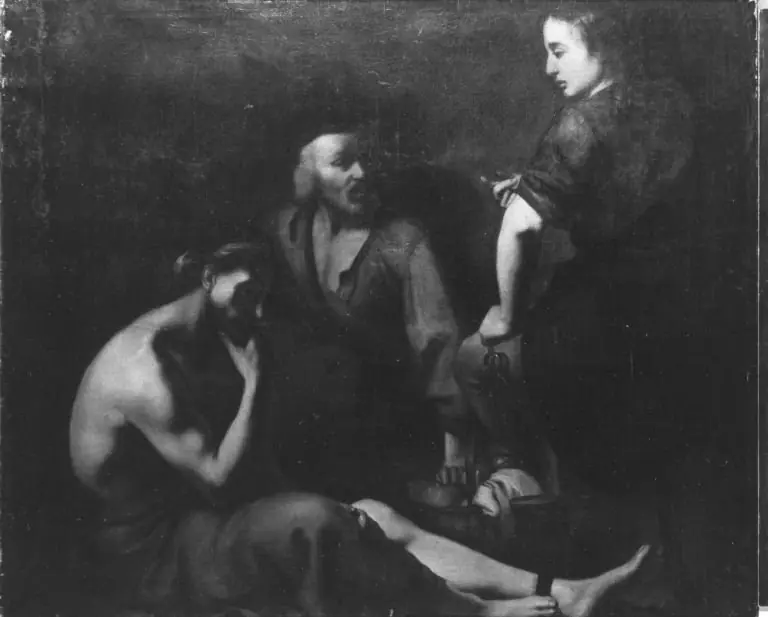 Josephs Traumdeutung im Kerker (nach)
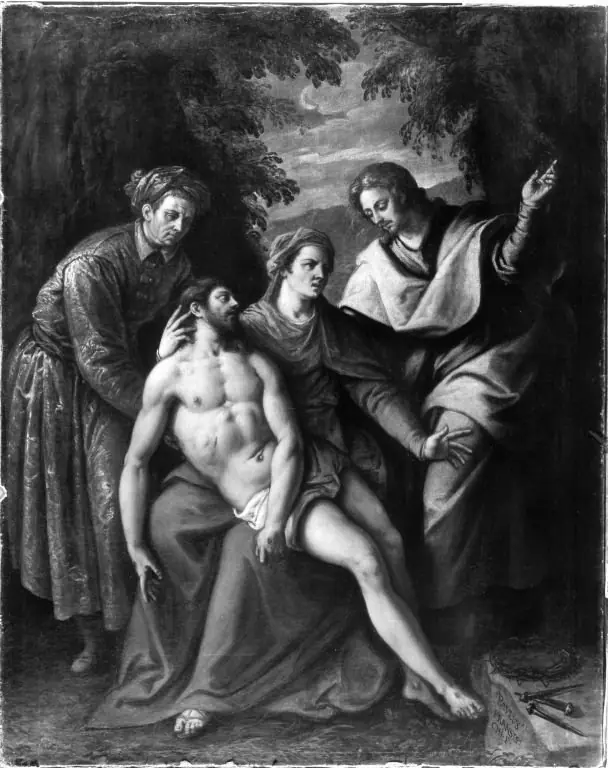 Beweinung Christi
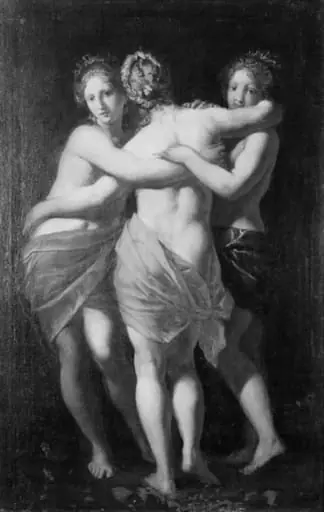 The Three Graces
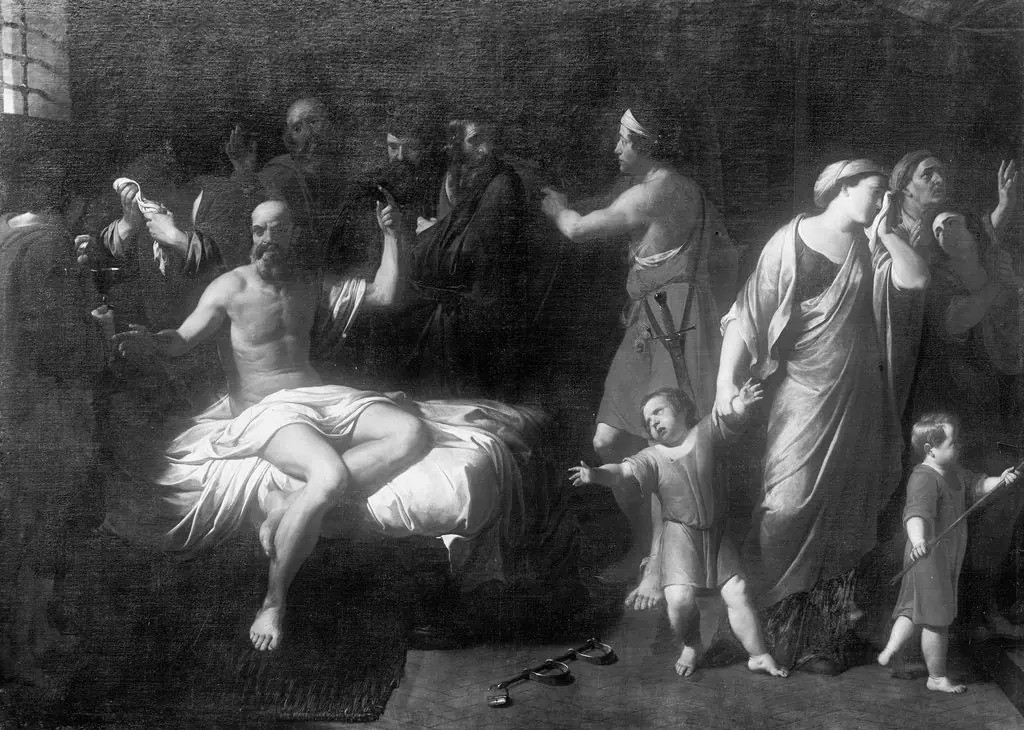 Socrates drinks the cup of poison
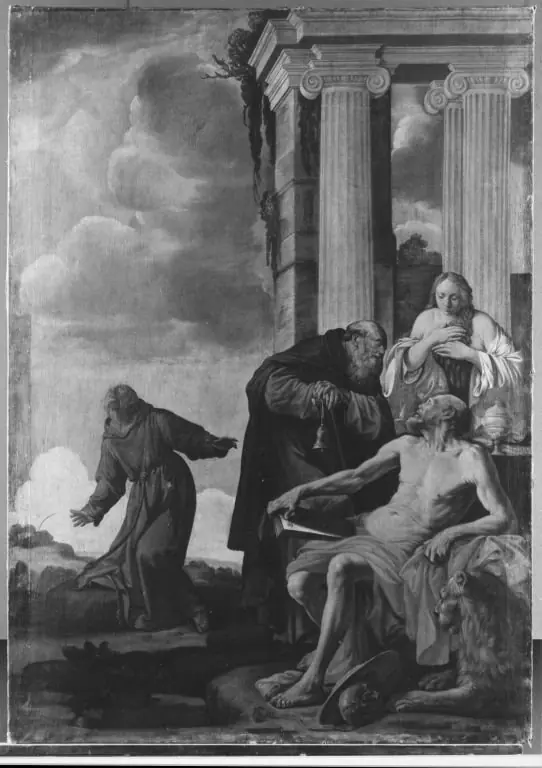 Die hll. Hieronymus, Maria Magdalena, Antonius und Franziskus (Kopie nach)
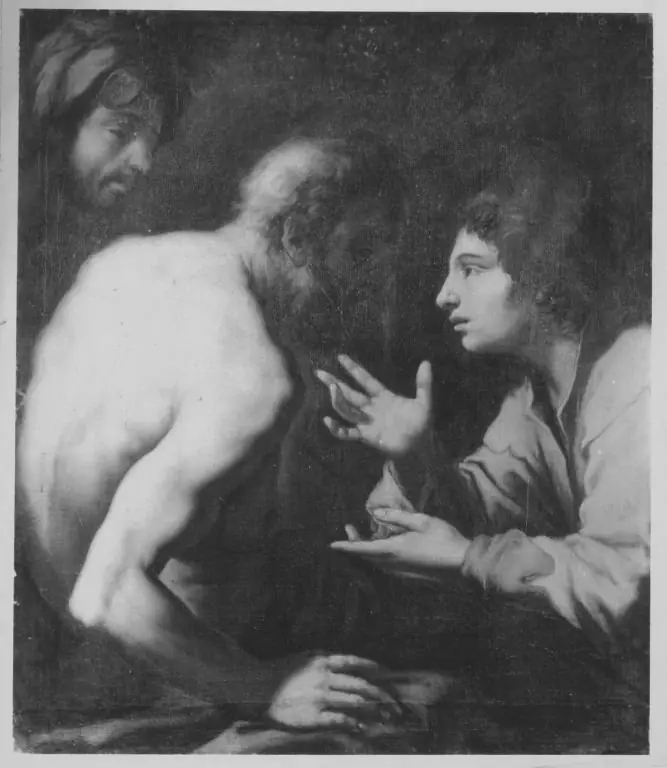 Joseph als Traumdeuter
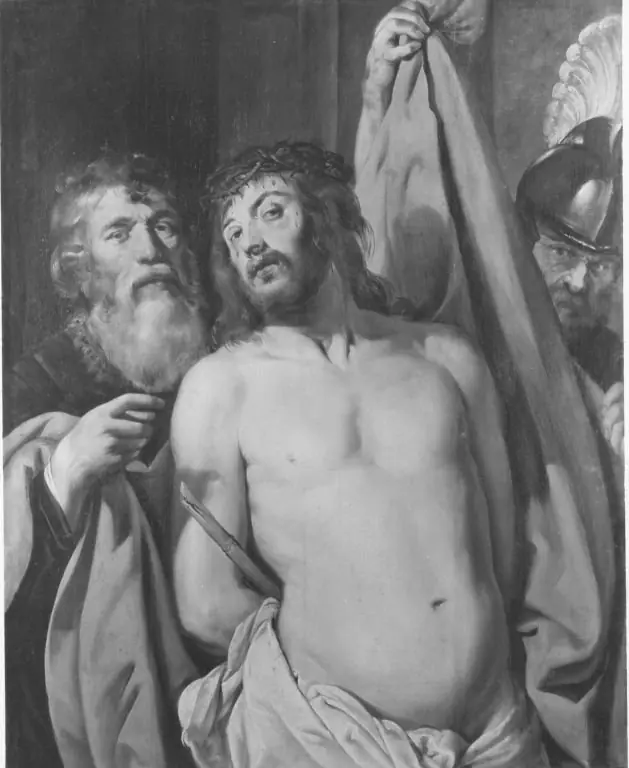 Ecce homo (Kopie nach)
 Sitting Person Conversing One Standing