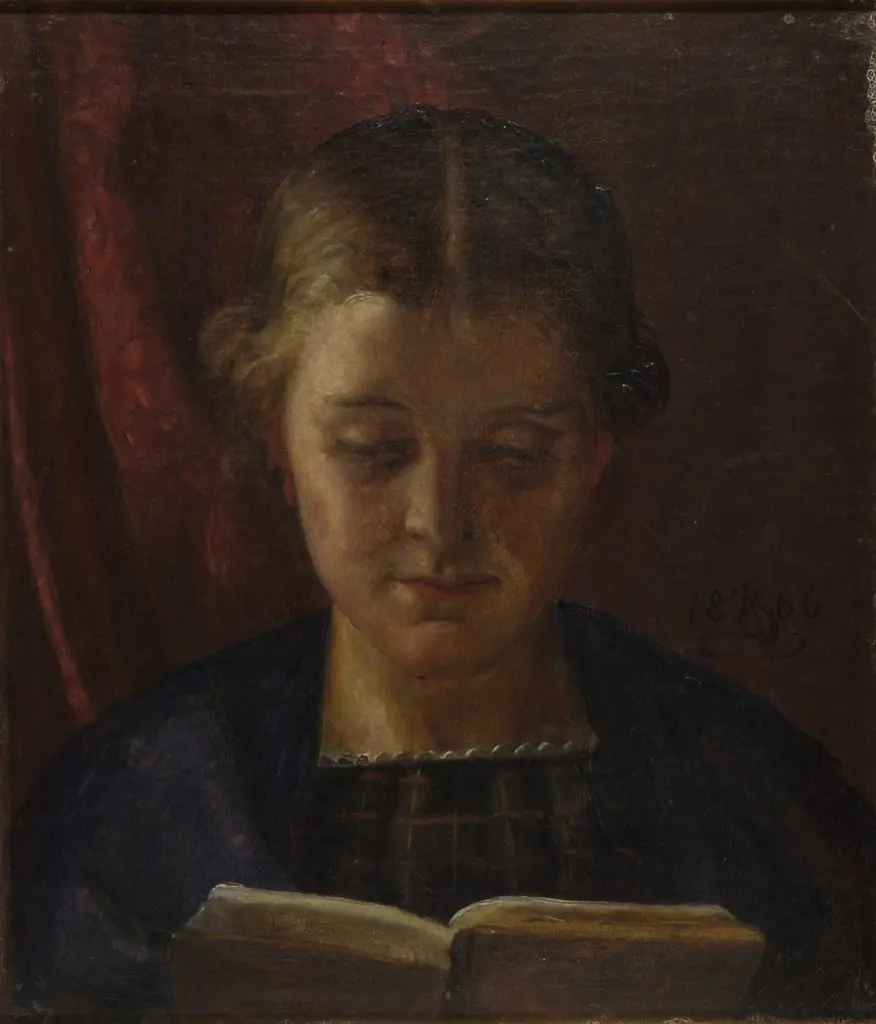
Artwork
Læsende ung pige
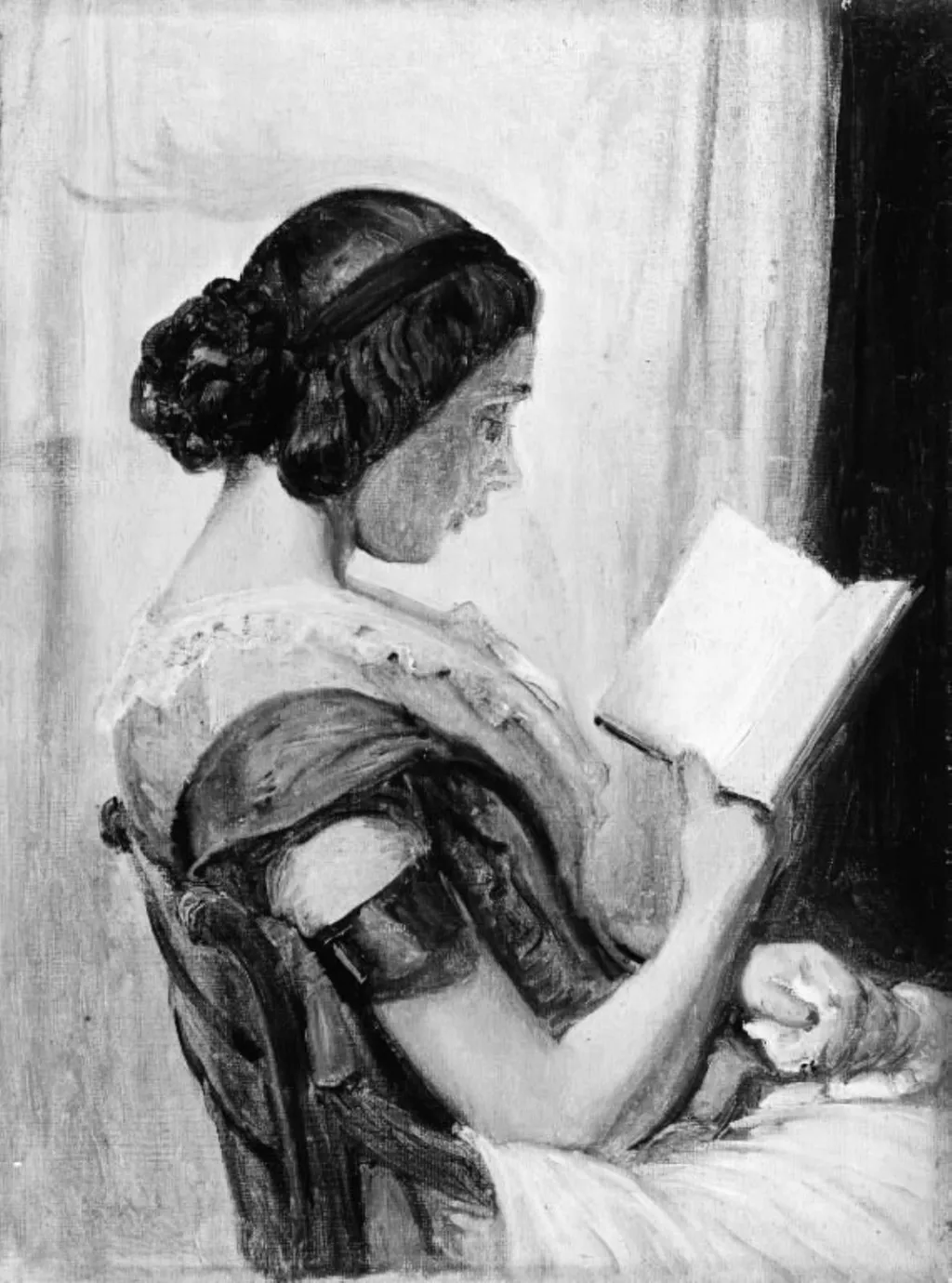
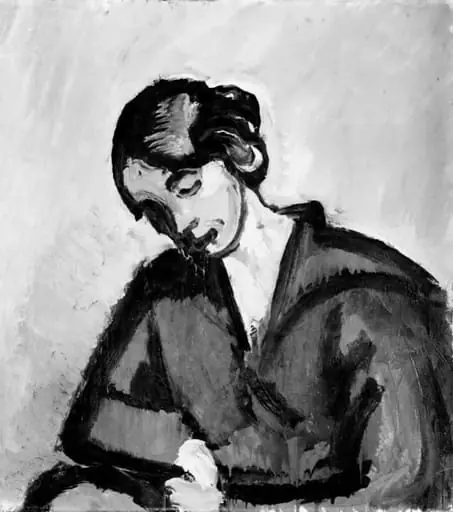
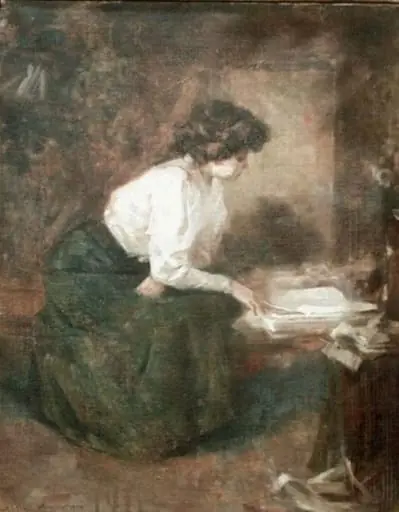
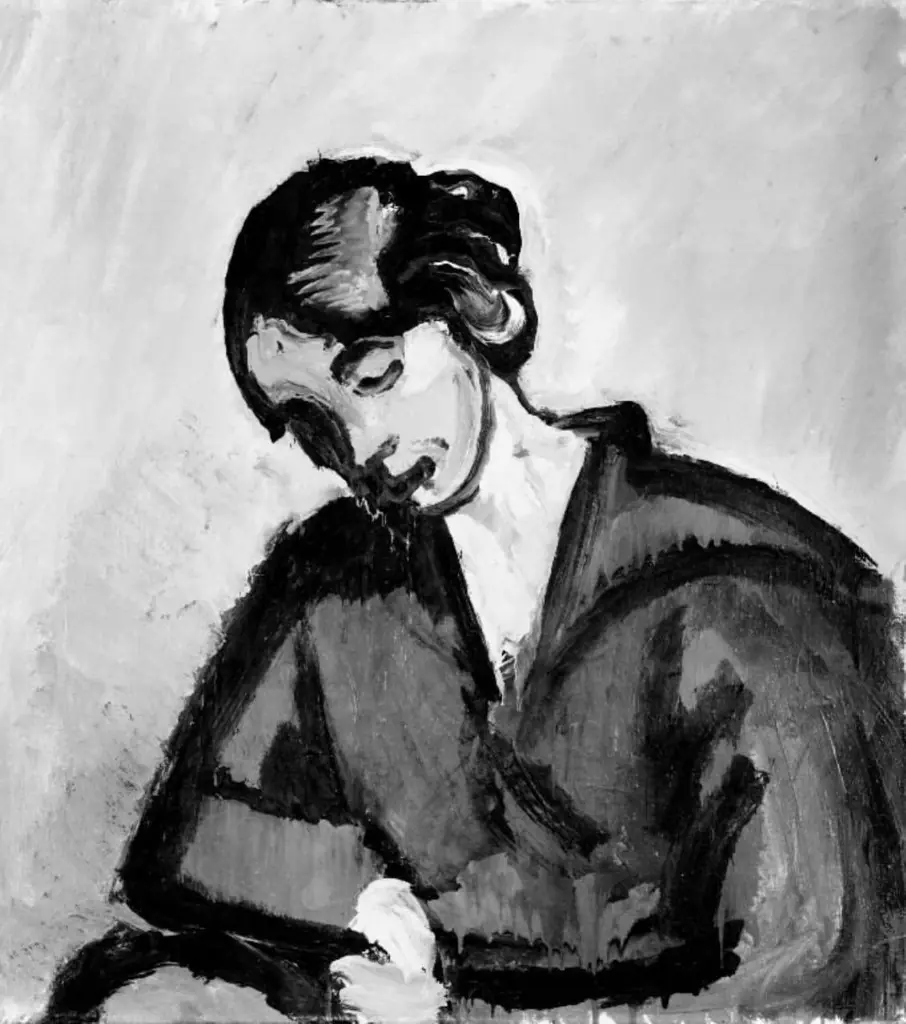
Læsende ung pige is a photography by Unknown. It dates from 1850 and is held in the collection of the Statens Museum for Kunst. This black-and-white photograph, dated around 1850, depicts a young woman absorbed in reading.
About this work
Overview
The image captures a solitary moment of quiet focus, framed without context or background, emphasizing the subject’s introspection.
This black-and-white photograph, dated around 1850, depicts a young woman absorbed in reading. Created by an unknown artist, it is part of the Museum of Ethnography’s collection. The image captures a solitary moment of quiet focus, framed without context or background, emphasizing the subject’s introspection. The composition relies on subtle tonal contrasts rather than detail, drawing attention to the act of reading itself.
Subject & Meaning
The figure is a young woman, seated sideways with her back to the viewer, engrossed in a book. Her posture and stillness suggest deep concentration, evoking themes of private thought and intellectual engagement. The absence of identifying features or surroundings universalizes her experience, presenting reading not as a social act but as an intimate, internal ritual. The image invites contemplation of literacy and solitude in mid-19th-century life.
Technique & Style
The photograph employs chiaroscuro to define form through light and shadow. Soft illumination falls across the woman’s face and the open pages of the book, while the rest of the scene recedes into muted tones. Her loose, high-necked dress and neatly pinned hair are rendered with minimal detail, reinforcing the focus on expression over attire. The lack of background eliminates distraction, heightening the psychological intensity of the moment.
History & Provenance
The photograph was likely made in the early 1850s, during the early decades of photographic practice. It entered the collection of the Museum of Ethnography at an unknown date, possibly as part of a broader documentation of daily life. Its attribution remains uncertain, as the photographer’s identity has not been recorded. The image was preserved not for its artistic fame but for its ethnographic value.
Context
In the mid-19th century, literacy among women was increasingly valued, though often confined to private spheres. This image reflects a cultural shift toward recognizing reading as a meaningful, personal activity for women. Unlike staged portraits, this photograph captures an unposed moment, aligning with emerging documentary practices that sought to record ordinary life with sincerity rather than idealization.
Legacy
The photograph endures as a quiet testament to the private rituals of reading in the 19th century. It contributes to historical understanding of how women engaged with texts outside public discourse. Though not widely exhibited, its restrained composition and emotional subtlety continue to inform studies of early photography and gendered domestic life.
Artist & collection

 Domestic Scene
 Giacomo and Cardinal Marco, investing Andrea, Abbot of San Zeno, with his Benefice
 The Nymph of Fontainebleau
 Portrait of a Woman
 Madonna and Child with Saints in the Enclosed Garden
 Venus and Minerva
 Family Group of Four on Sofa
 Wall painting from Room H of the Villa of P. Fannius Synistor at Boscoreale