Artwork
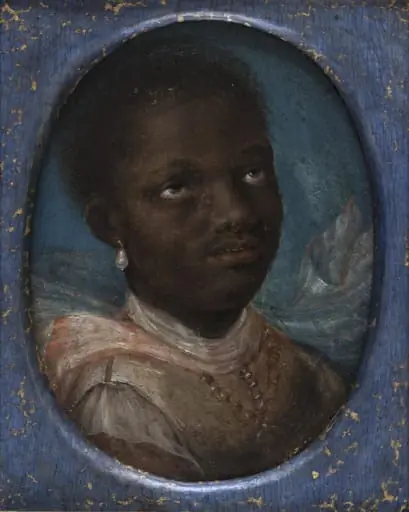
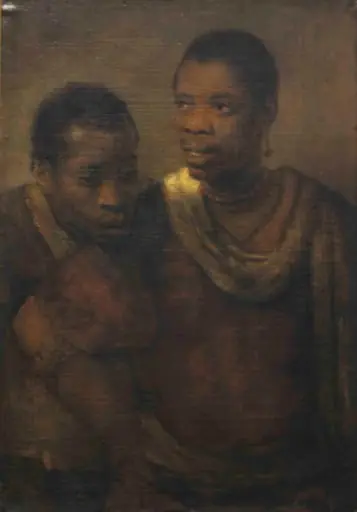
Diego Bemba, a Servant of Dom Miguel de Castro
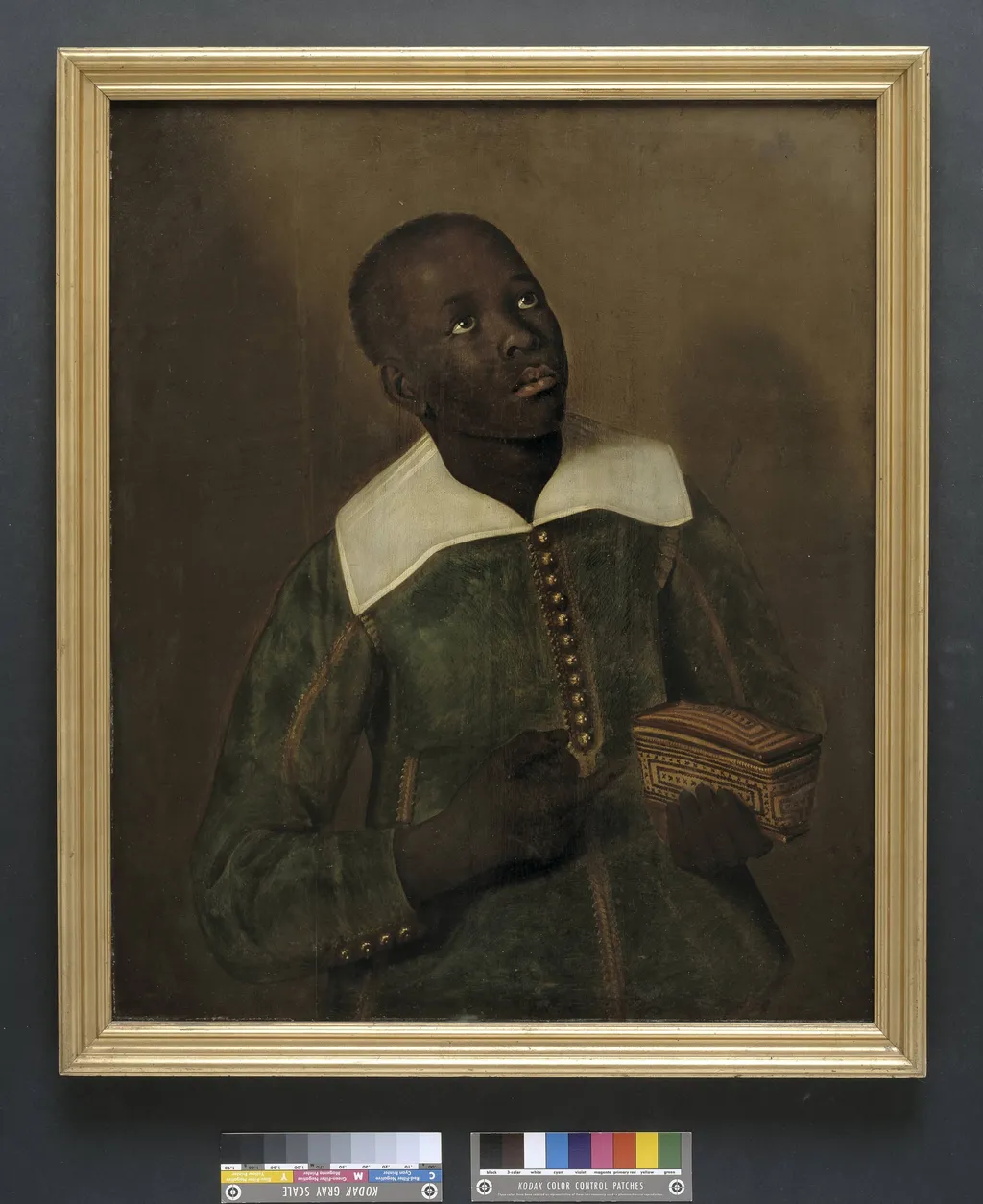
Diego Bemba, a Servant of Dom Miguel de Castro is a photography by Unknown. It dates from 1643 and is held in the collection of the Statens Museum for Kunst.
About this work
Overview
Painted around 1643, this portrait depicts Diego Bemba, a servant in the household of Dom Miguel de Castro, a Congolese nobleman visiting the Spanish Netherlands. The work is part of a series documenting African individuals connected to European courts. It resides today in the Museum of Ethnography, where it serves as a rare visual record of African presence in early modern Europe.
Subject & Meaning
His direct gaze and composed posture convey individuality, resisting the tendency to reduce African subjects to anonymous figures in European art.
Diego Bemba is portrayed with dignity, dressed in a green jacket adorned with gold buttons and a crisp white collar, suggesting formal attire for a ceremonial occasion. The wooden box he holds may signify a personal possession, a gift, or a symbol of his role in domestic service. His direct gaze and composed posture convey individuality, resisting the tendency to reduce African subjects to anonymous figures in European art.
Technique & Style
The artist employs chiaroscuro to model the face and hands, drawing attention to Bemba’s expression against a dark, indistinct background. The rendering of fabric and light suggests familiarity with Flemish portraiture traditions, yet the focus on a single, unnamed servant diverges from typical aristocratic commissions. The restrained palette and precise brushwork emphasize realism over idealization.
History & Provenance
The painting was likely created during Dom Miguel de Castro’s stay in the Spanish Netherlands, where he was received as an ambassador. It was probably commissioned to document his retinue. The work remained in private collections before entering the Museum of Ethnography, where its historical context was later reevaluated as part of broader studies on African diasporas in early modern Europe.
Context
In the mid-17th century, African individuals occasionally traveled to Europe as attendants, diplomats, or servants in the households of nobility. This portrait reflects a moment when African presence in European courts was visible but rarely documented with individuality. Bemba’s depiction stands apart from caricature or exoticism, offering a quiet testament to personal identity within a hierarchical social structure.
Legacy
The portrait contributes to contemporary efforts to recover the identities of marginalized individuals in early modern art. Its preservation and scholarly attention have helped shift narratives away from anonymous representation toward recognition of African agency and presence in European history. It remains a key reference in studies of race, status, and portraiture in the 17th century.
Artist & collection

 Domestic Scene
 Giacomo and Cardinal Marco, investing Andrea, Abbot of San Zeno, with his Benefice
 The Nymph of Fontainebleau
 Portrait of a Woman
 Madonna and Child with Saints in the Enclosed Garden
 Venus and Minerva
 Family Group of Four on Sofa
 Wall painting from Room H of the Villa of P. Fannius Synistor at Boscoreale