Artwork
Virgin and Child
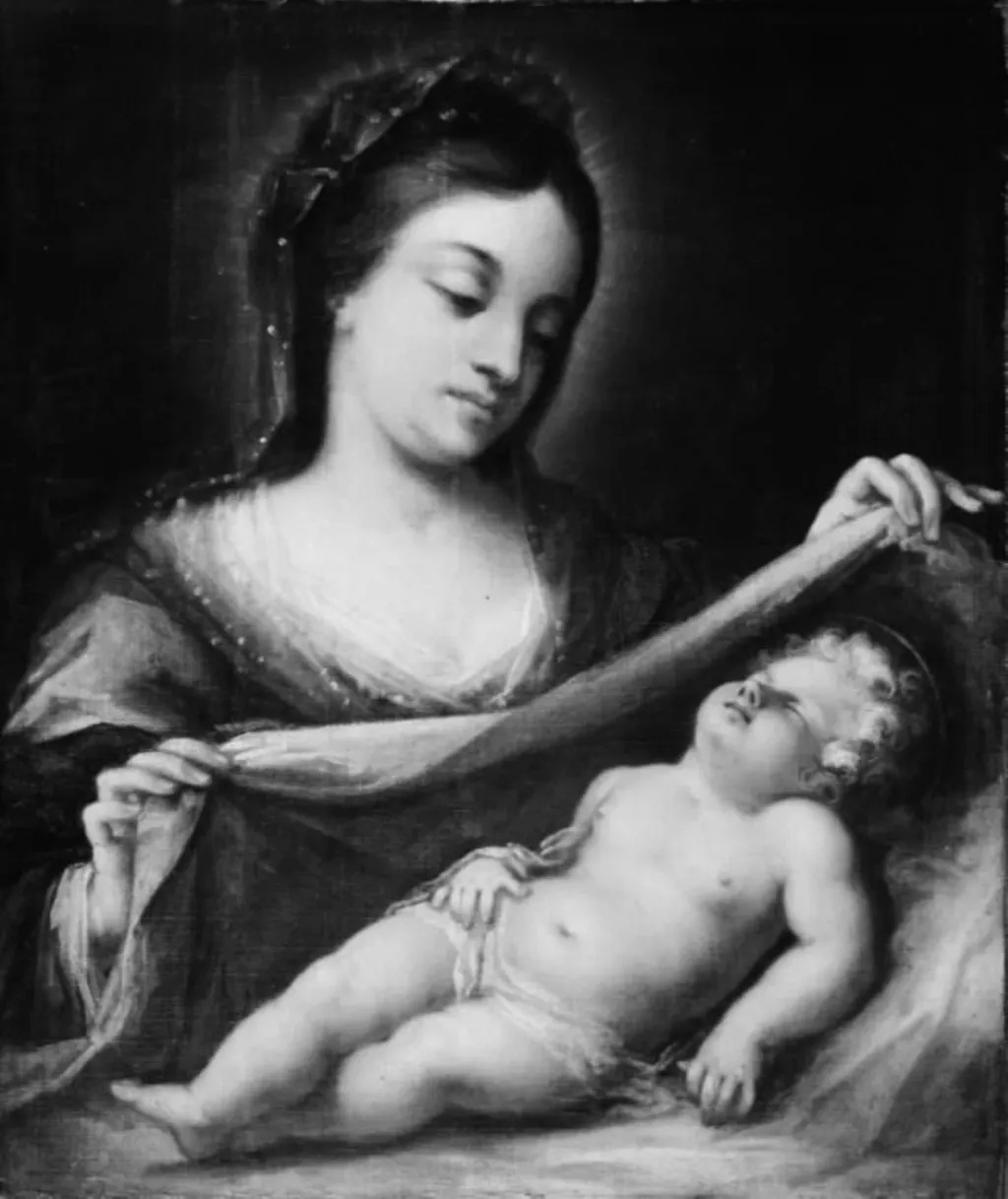
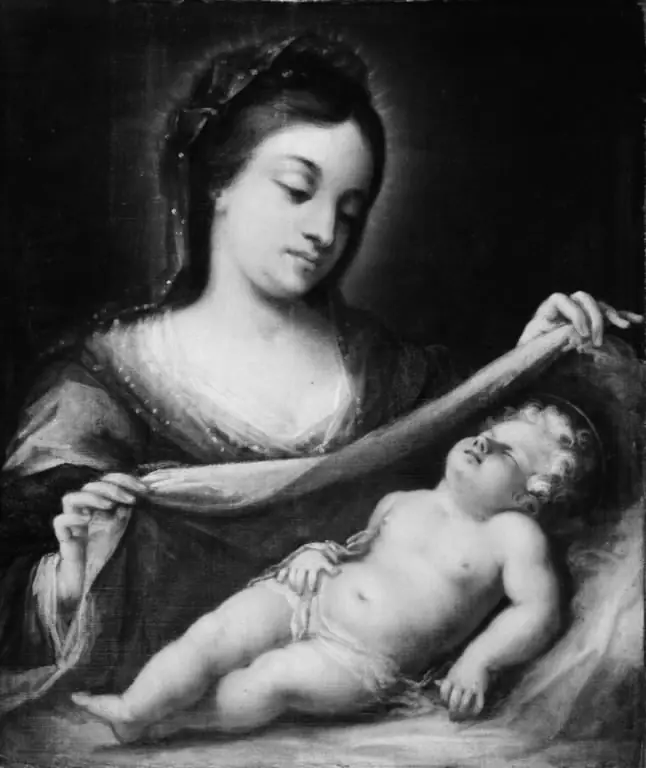
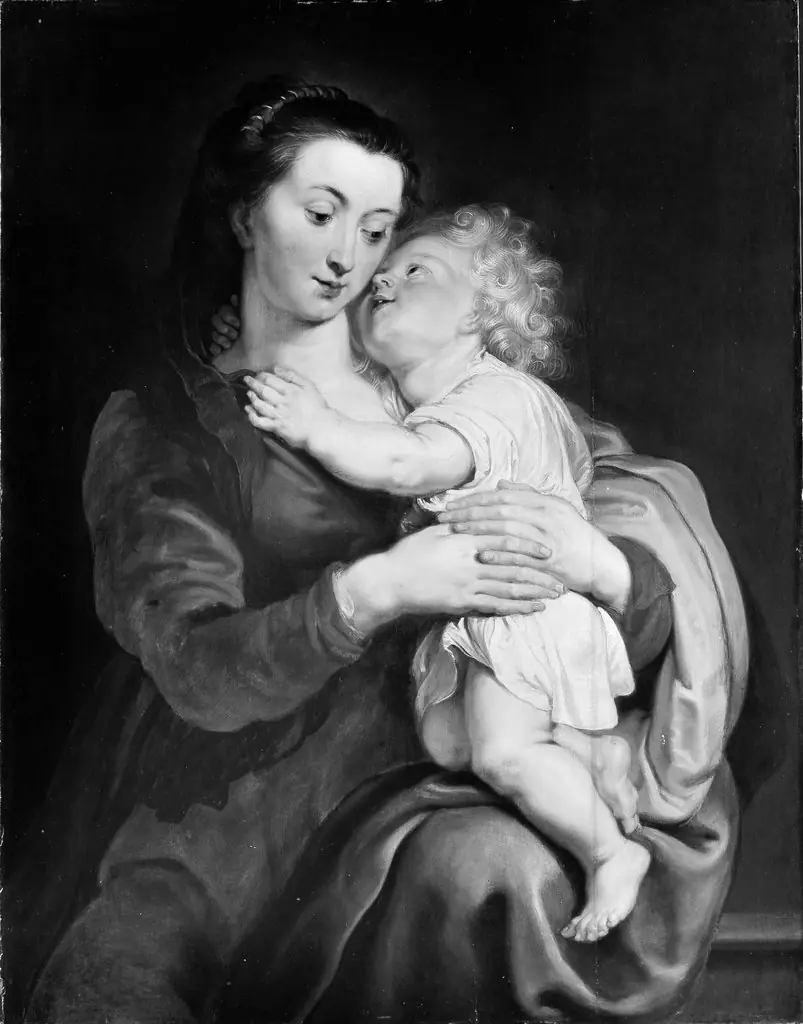
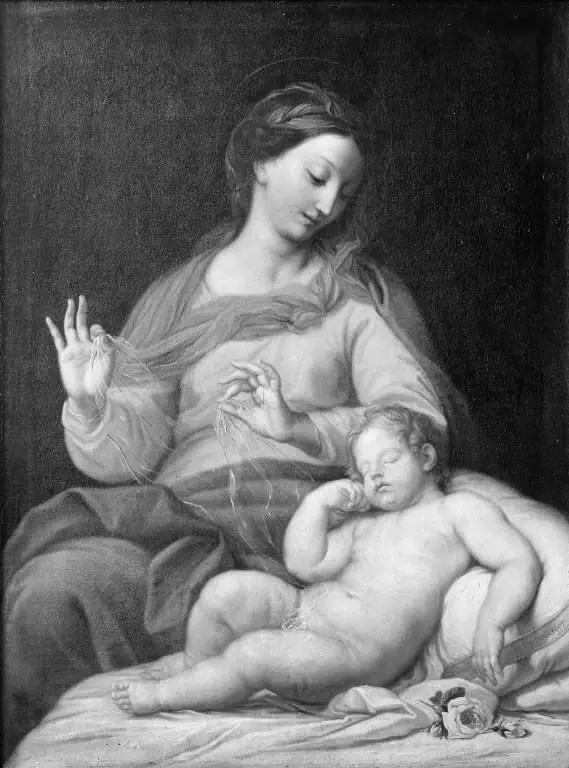
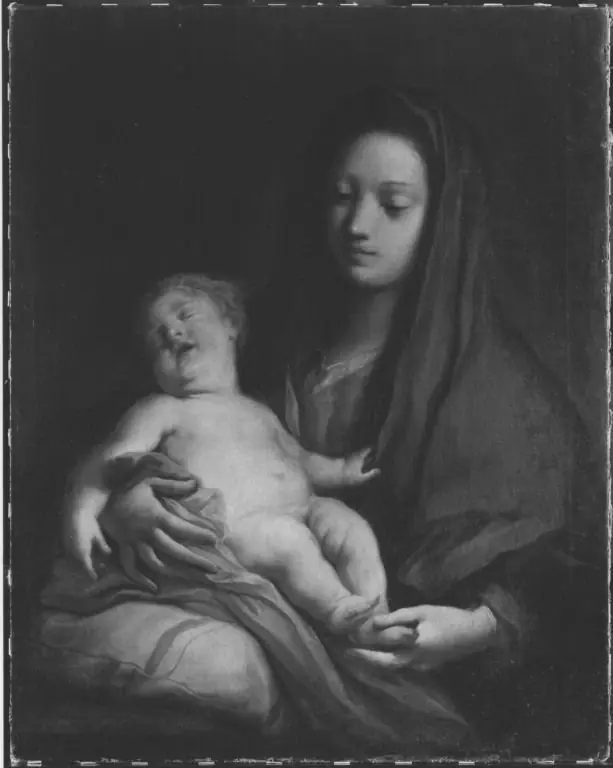
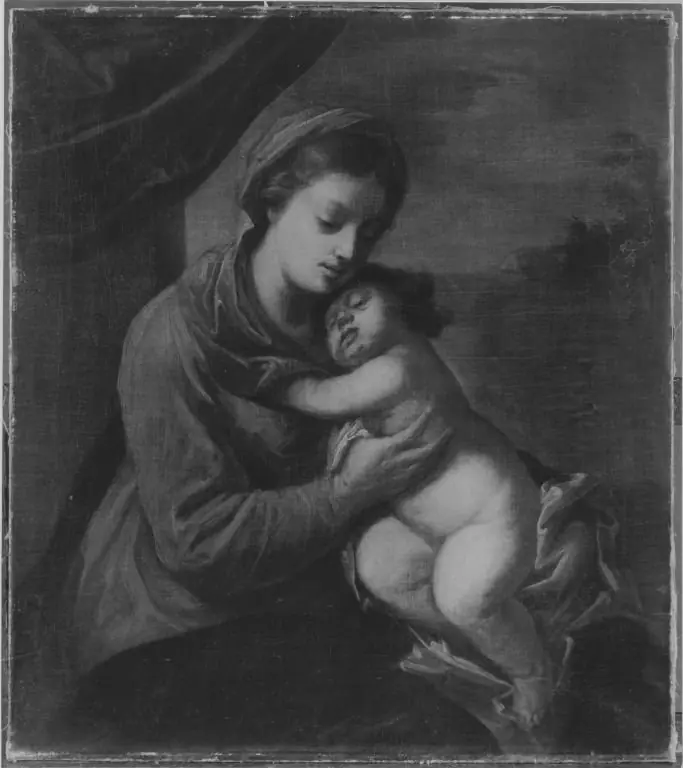
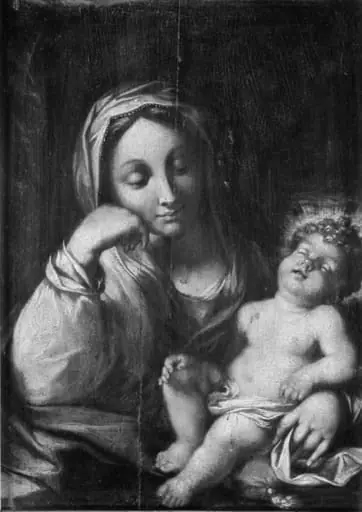
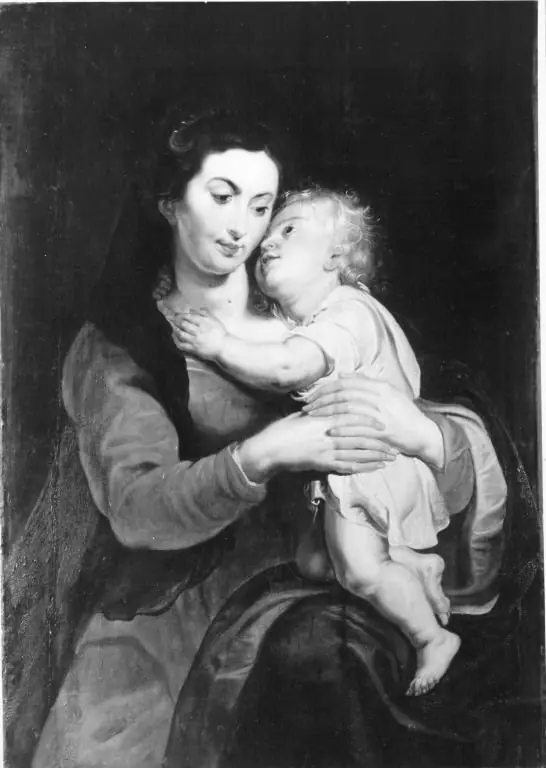
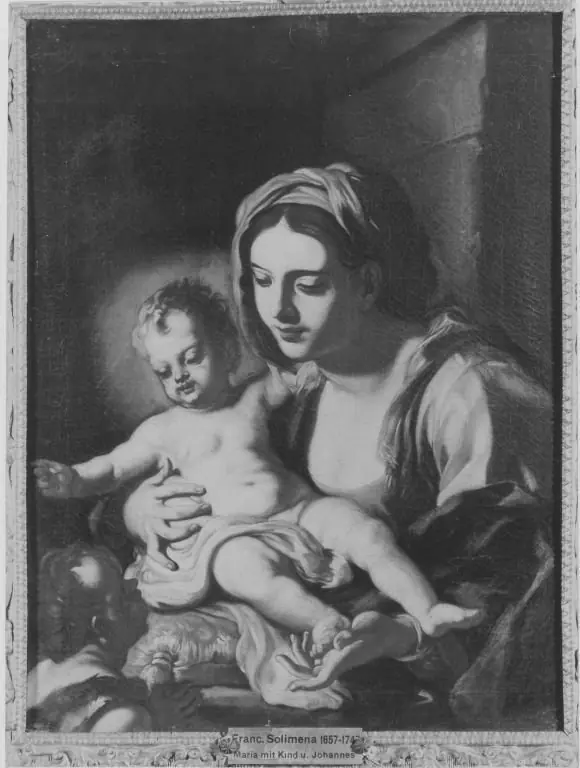
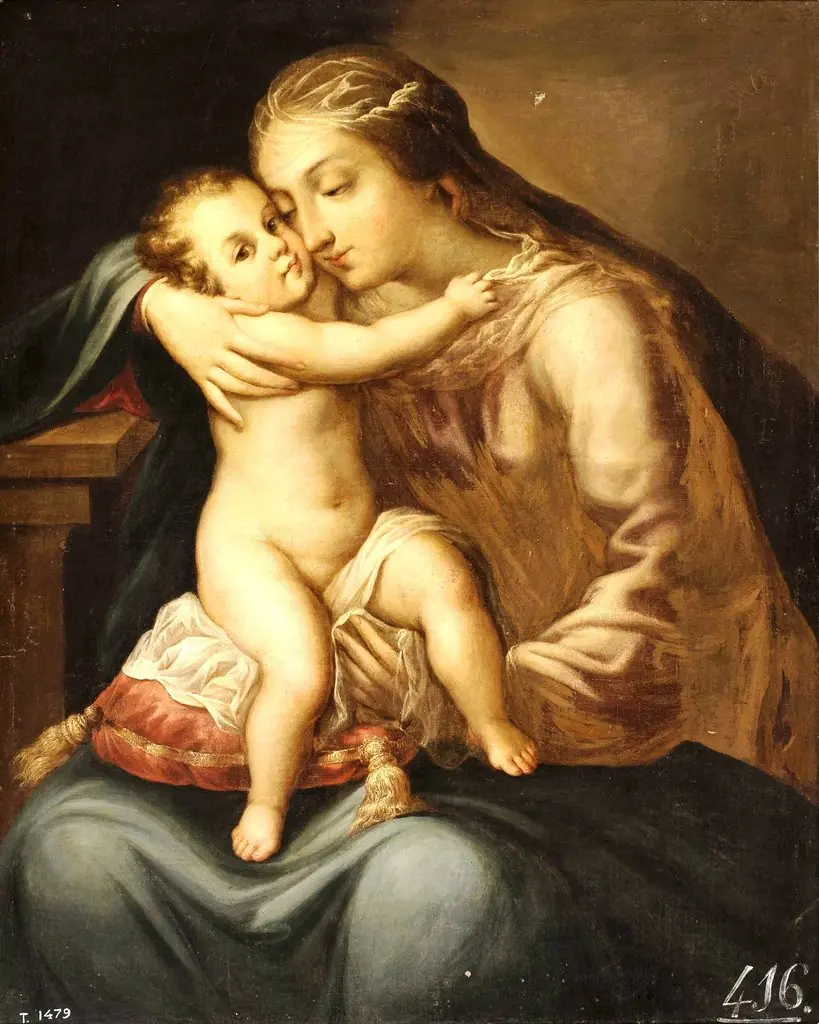
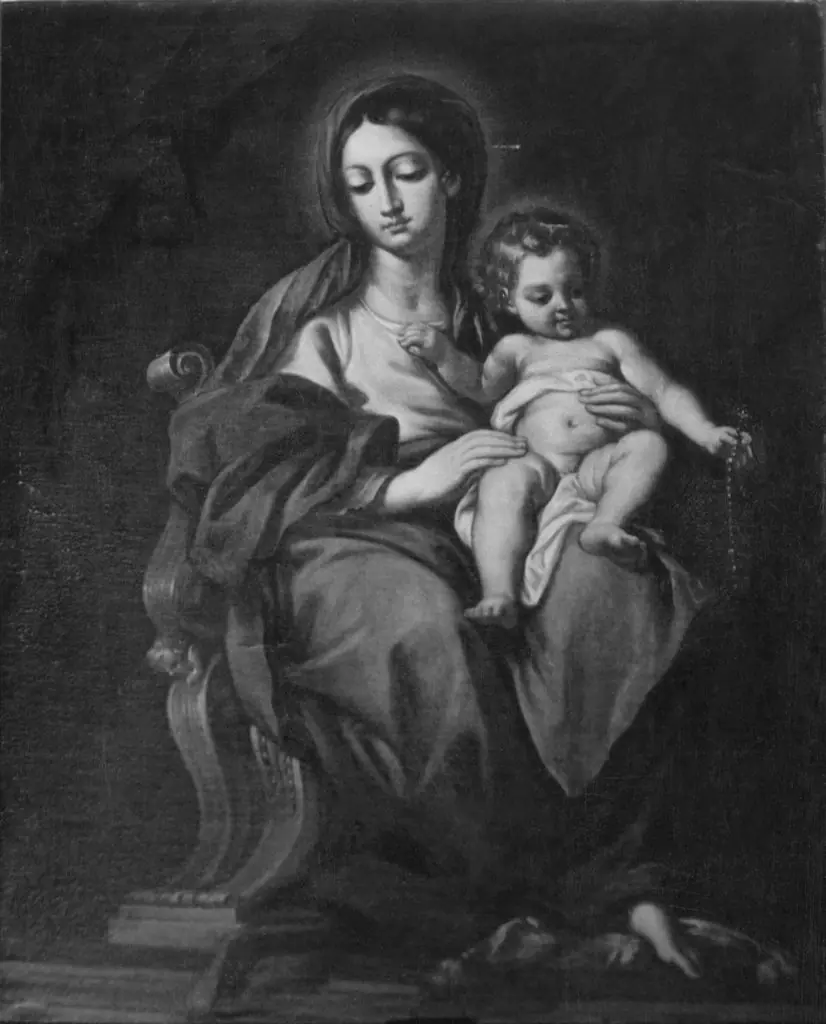
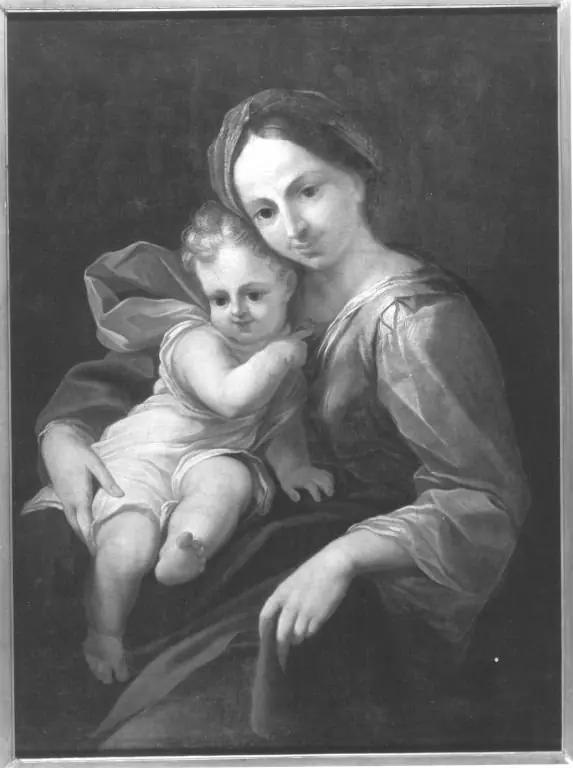
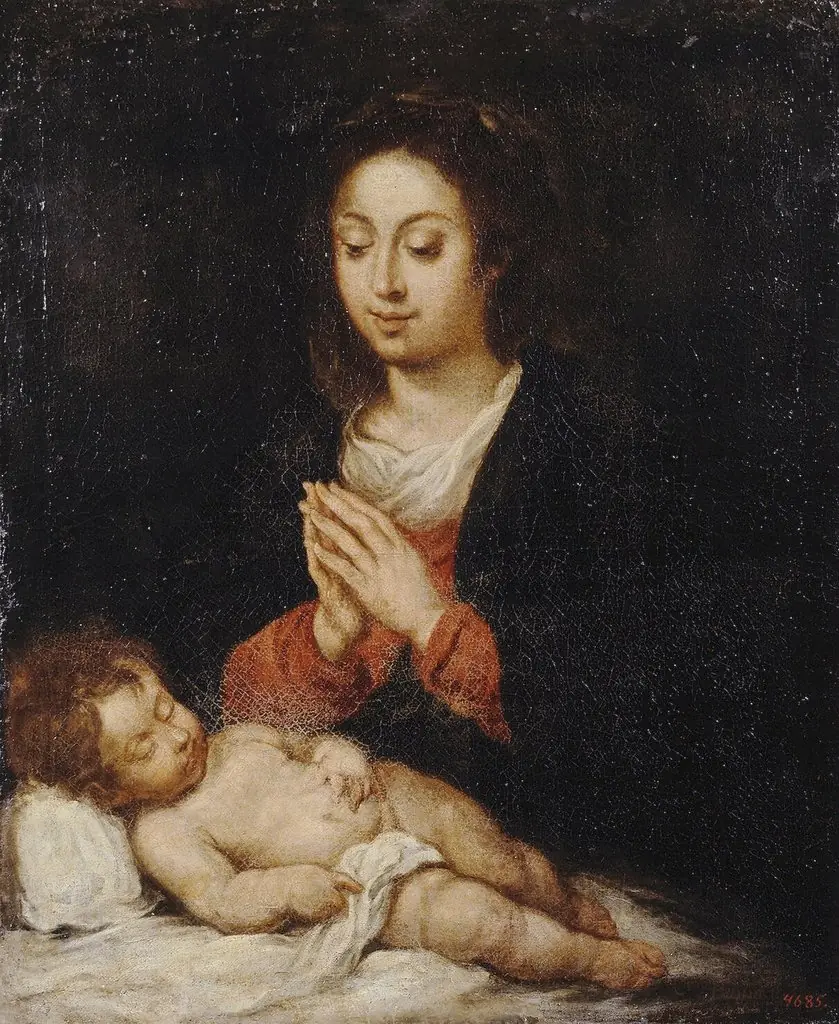
Virgin and Child is a photography by Unknown. It dates from 1582 and is held in the collection of the Statens Museum for Kunst. Created around 1582, this black-and-white image depicts the Virgin Mary with the infant Jesus.
About this work
Overview
Created around 1582, this black-and-white image depicts the Virgin Mary with the infant Jesus. Though originally a painted work, the surviving record is a photographic reproduction. It is currently held in the collection of the Museum of Ethnography, where it is preserved as an example of devotional imagery from the late Renaissance period.
Subject & Meaning
The composition centers on a tender moment between mother and child, emphasizing intimacy and tenderness. The Virgin’s gentle expression and the child’s natural posture suggest a humanized sacred narrative. The gesture of the infant reaching toward her hand conveys trust and connection, reinforcing traditional themes of maternal care within Christian iconography.
Technique & Style
The image employs strong contrasts between light and shadow to model the figures in three dimensions. This chiaroscuro effect draws attention to the faces and hands, isolating them against a dark, undefined background. The soft rendering of drapery and hair enhances the sense of volume and quiet realism, reflecting techniques common in late 16th-century religious art.
History & Provenance
The original painting was likely produced in a European workshop during the late Renaissance. Its transition into the Museum of Ethnography suggests it was collected as a cultural artifact rather than a fine art object. The current form—a black-and-white photograph—indicates it was documented for study or display purposes in the 19th or early 20th century.
Context
During the late 1500s, depictions of the Virgin and Child were widespread across Catholic Europe, serving both devotional and educational roles.
During the late 1500s, depictions of the Virgin and Child were widespread across Catholic Europe, serving both devotional and educational roles. This image aligns with Counter-Reformation ideals that emphasized emotional accessibility in religious imagery. Its presence in an ethnographic museum reflects broader 19th-century efforts to classify religious objects as expressions of cultural practice.
Legacy
Though the original painting’s fate is unrecorded, the photographic record preserves its visual language. Its inclusion in an ethnographic collection underscores how religious imagery was reinterpreted over time—as cultural artifact rather than sacred object. The image continues to serve as a reference for studies of devotional aesthetics and the transmission of iconographic traditions.
Artist & collection

 Domestic Scene
 Giacomo and Cardinal Marco, investing Andrea, Abbot of San Zeno, with his Benefice
 The Nymph of Fontainebleau
 Portrait of a Woman
 Madonna and Child with Saints in the Enclosed Garden
 Venus and Minerva
 Family Group of Four on Sofa
 Wall painting from Room H of the Villa of P. Fannius Synistor at Boscoreale