Artwork
Virgin and Child with Saints
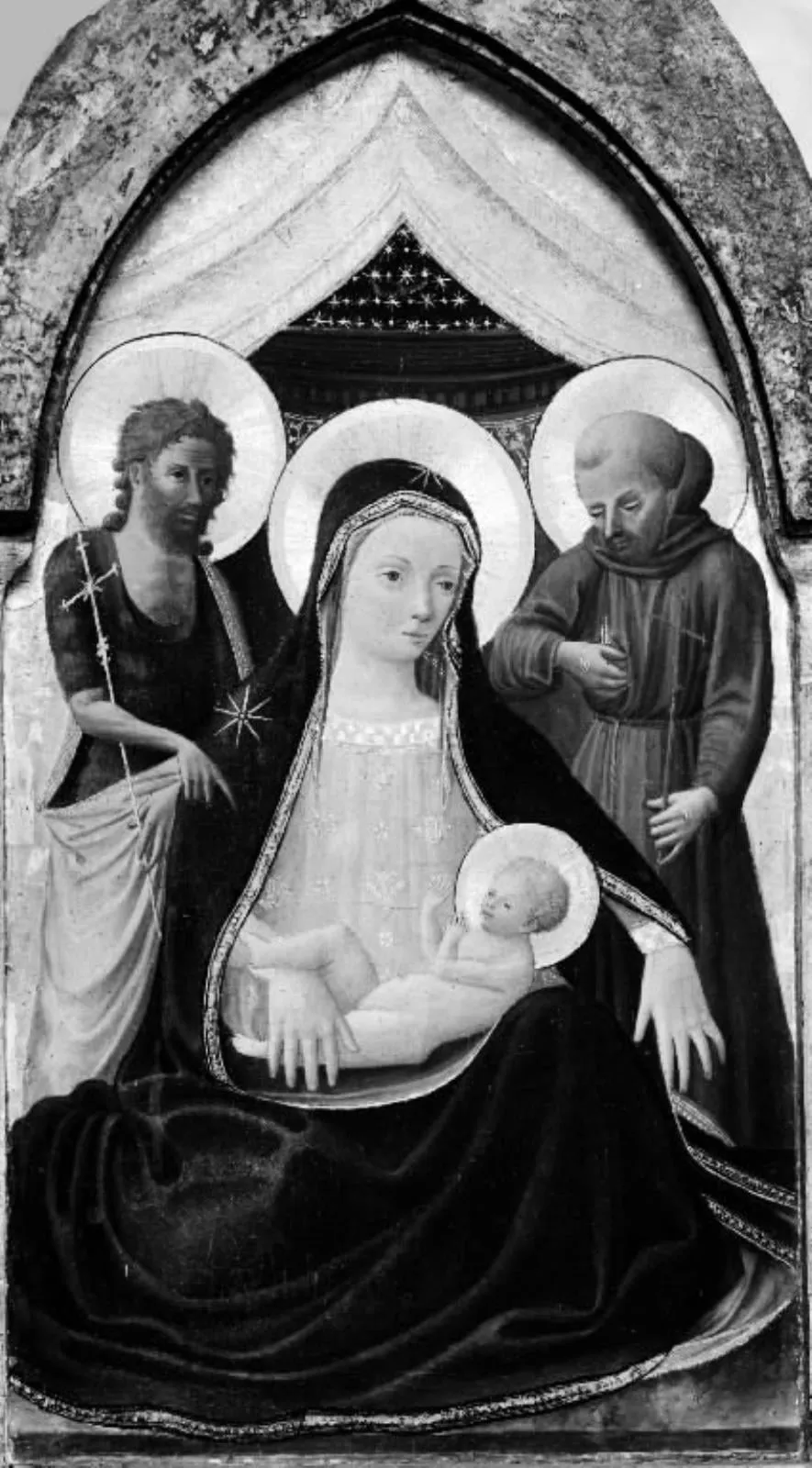
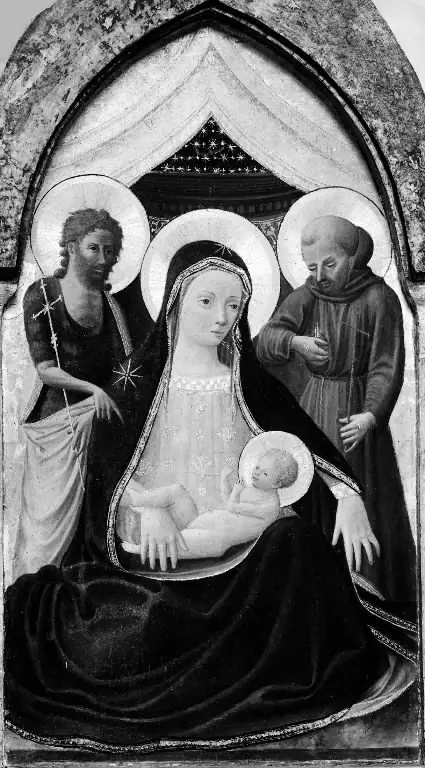
Virgin and Child with Saints is a photography by Unknown. It dates from 1437 and is held in the collection of the Statens Museum for Kunst. Created around 1437, this devotional panel depicts the Virgin Mary with the infant Jesus, flanked by two male saints.
About this work
Overview
Created around 1437, this devotional panel depicts the Virgin Mary with the infant Jesus, flanked by two male saints.
Created around 1437, this devotional panel depicts the Virgin Mary with the infant Jesus, flanked by two male saints. The composition is contained within a shallow arched frame, typical of early Renaissance altarpieces. The figures are arranged in a quiet, symmetrical grouping, emphasizing spiritual harmony. The painting’s subdued palette and soft modeling suggest a focus on contemplation rather than dramatic expression.
Subject & Meaning
The central figures represent the Virgin and Child, the core of Christian devotion. The two saints, identified by their halos and attributes—a staff and a book—likely symbolize apostles or early church figures associated with authority and scripture. Their proximity to the holy pair underscores their role as intercessors. The celestial background, with its starry expanse, evokes divine presence, reinforcing the sacred nature of the scene.
Technique & Style
The painting employs a gentle chiaroscuro to model forms with subtle gradations of light, avoiding harsh contrasts. Faces are rendered with smooth, even tones, minimizing individual expression in favor of serene idealization. Colors appear muted, possibly due to aging or intentional use of earth pigments. The background’s architectural elements and starry sky are rendered with minimal detail, enhancing the ethereal, otherworldly atmosphere.
History & Provenance
The work has been held at the Museum of Ethnography since at least the early 20th century, though its original context remains unclear. It was likely produced for private devotion or a small chapel, given its intimate scale and devotional focus. No documentation survives regarding its commission or early ownership, and its attribution to a specific artist remains uncertain due to the lack of signed works from the period in this region.
Context
Made during the early Northern Renaissance, the painting reflects regional trends in devotional imagery, where spiritual quietude was prioritized over narrative drama. Similar works from this era in the Low Countries and Rhineland emphasize serene compositions and symbolic attributes. The use of a starry sky as a divine backdrop aligns with contemporary manuscript illumination practices, bridging sacred art across media.
Legacy
Though not widely known outside institutional circles, the painting contributes to understanding the evolution of intimate religious art in the 15th century. Its preservation in an ethnographic museum, rather than a fine arts collection, reflects shifting scholarly approaches to religious objects as cultural artifacts. It remains a quiet example of how spiritual ideals were visually sustained in pre-Reformation Europe.
Artist & collection

 Domestic Scene
 Giacomo and Cardinal Marco, investing Andrea, Abbot of San Zeno, with his Benefice
 The Nymph of Fontainebleau
 Portrait of a Woman
 Madonna and Child with Saints in the Enclosed Garden
 Venus and Minerva
 Family Group of Four on Sofa
 Wall painting from Room H of the Villa of P. Fannius Synistor at Boscoreale
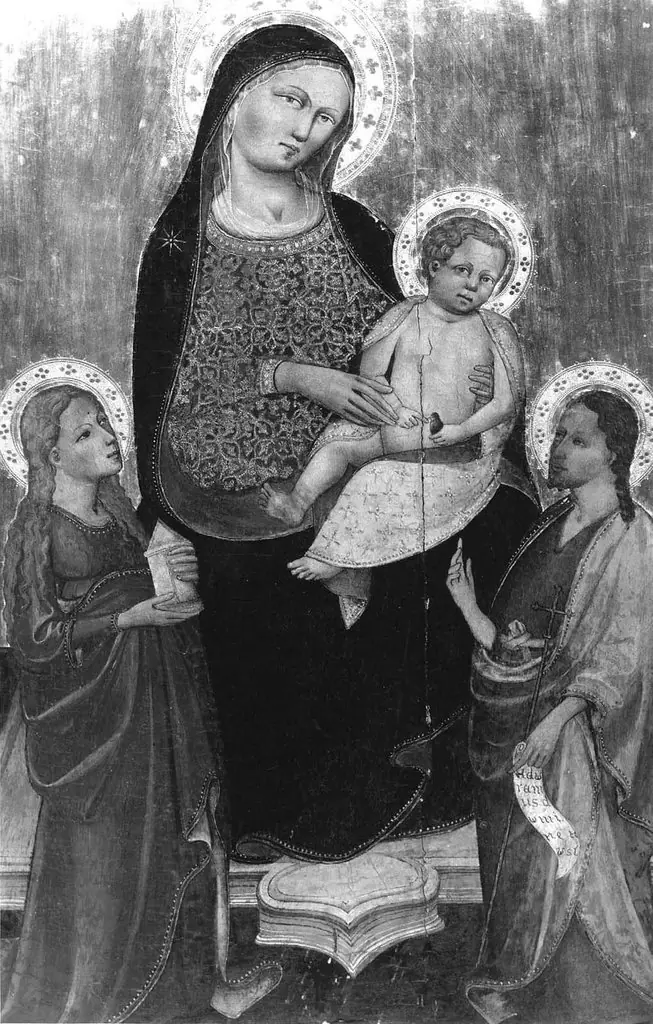 Virgin and Child with Saints Mary Magdalen and John the Baptist
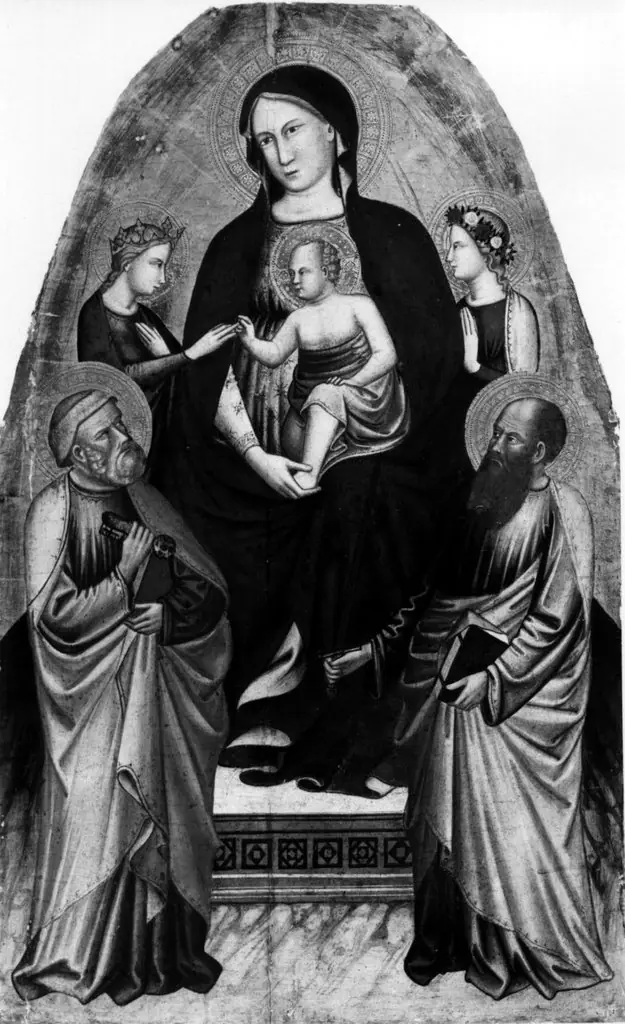 The marriage of St. Catherine
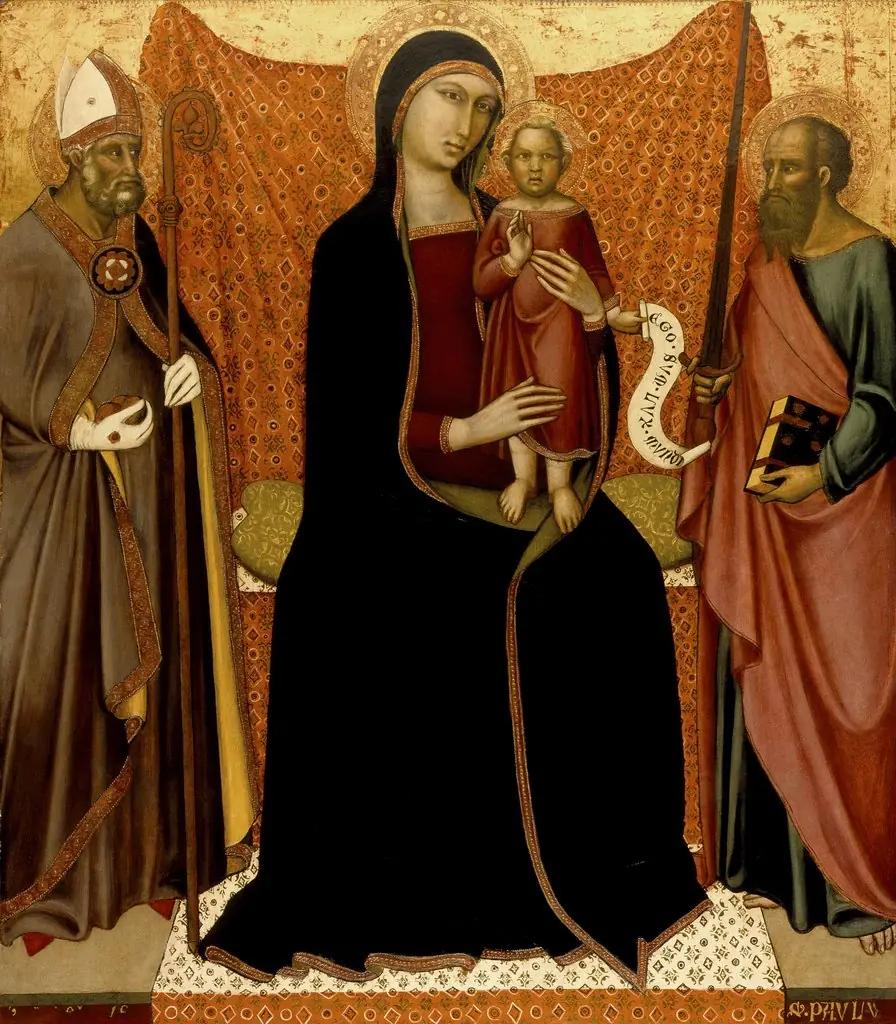 Madonna and Child with Sts. Nicholas and Paul
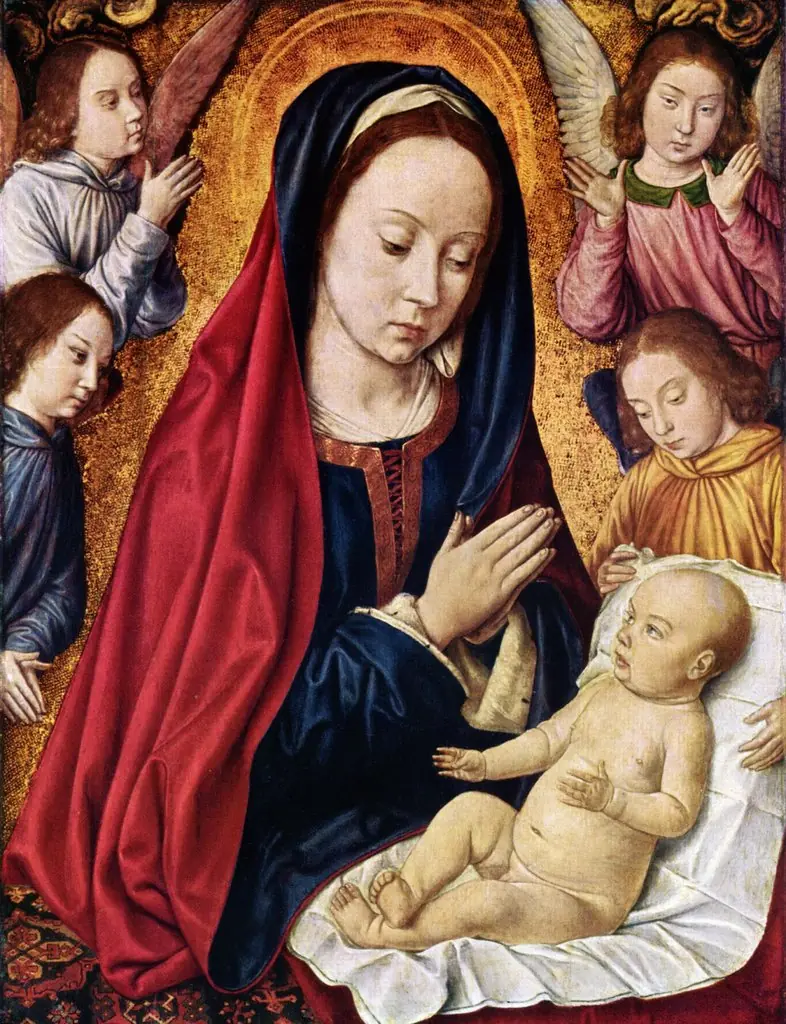 Madonna and Child
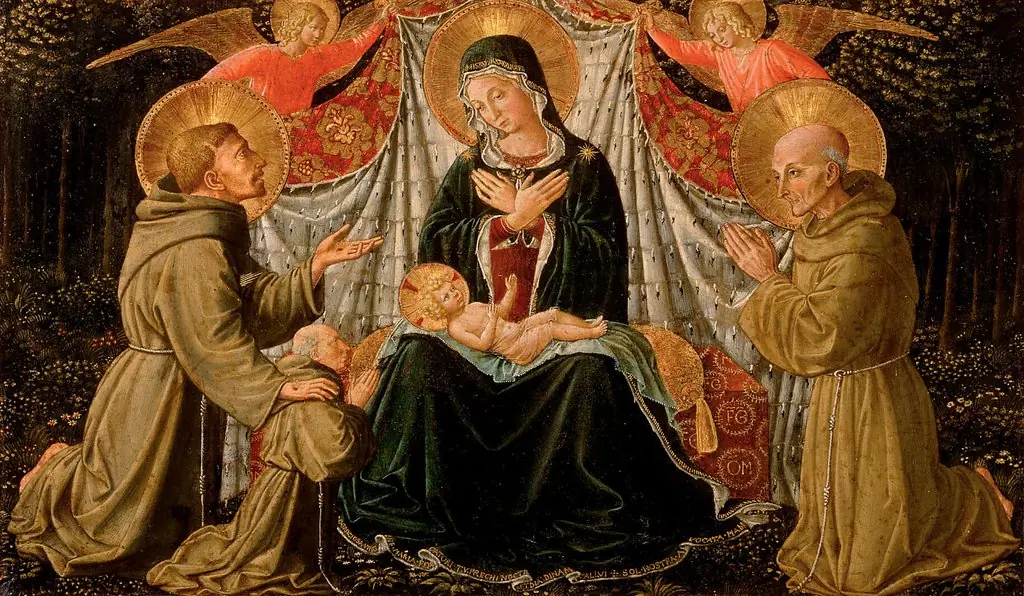 Madonna and Child with St Francis and the donor Father Jacopo da Montefalco (left) and St Bernard of Siena (right)
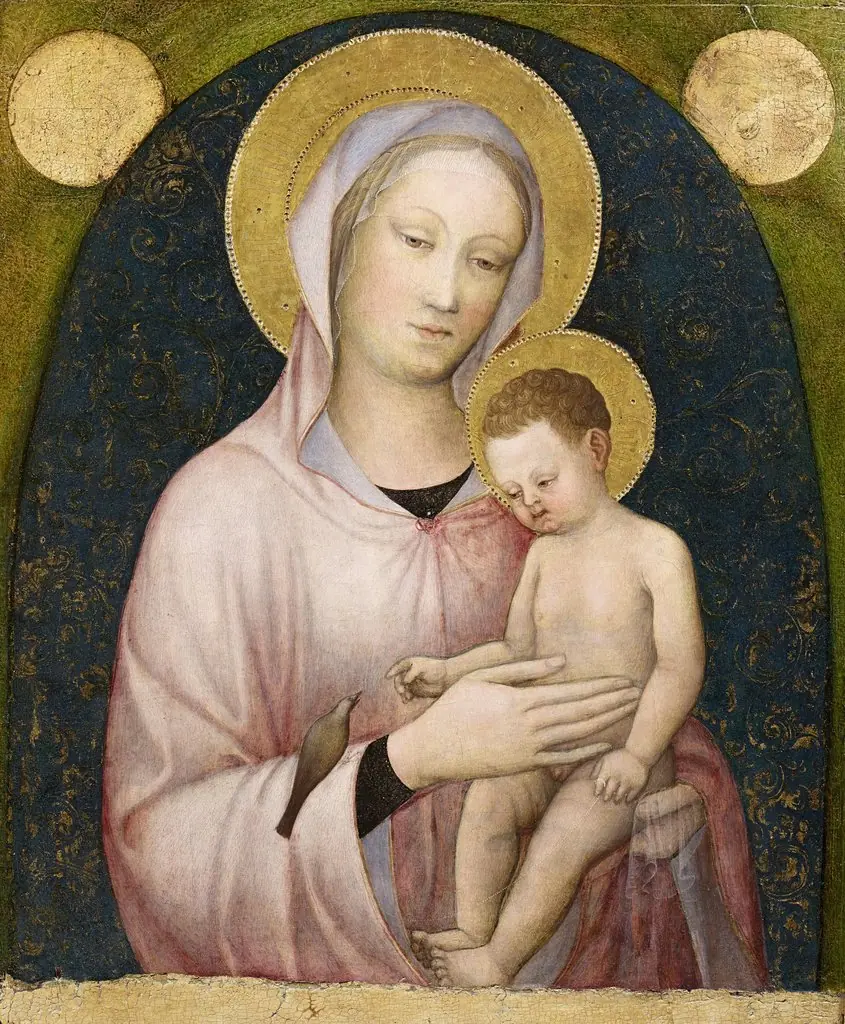 Madonna and Child
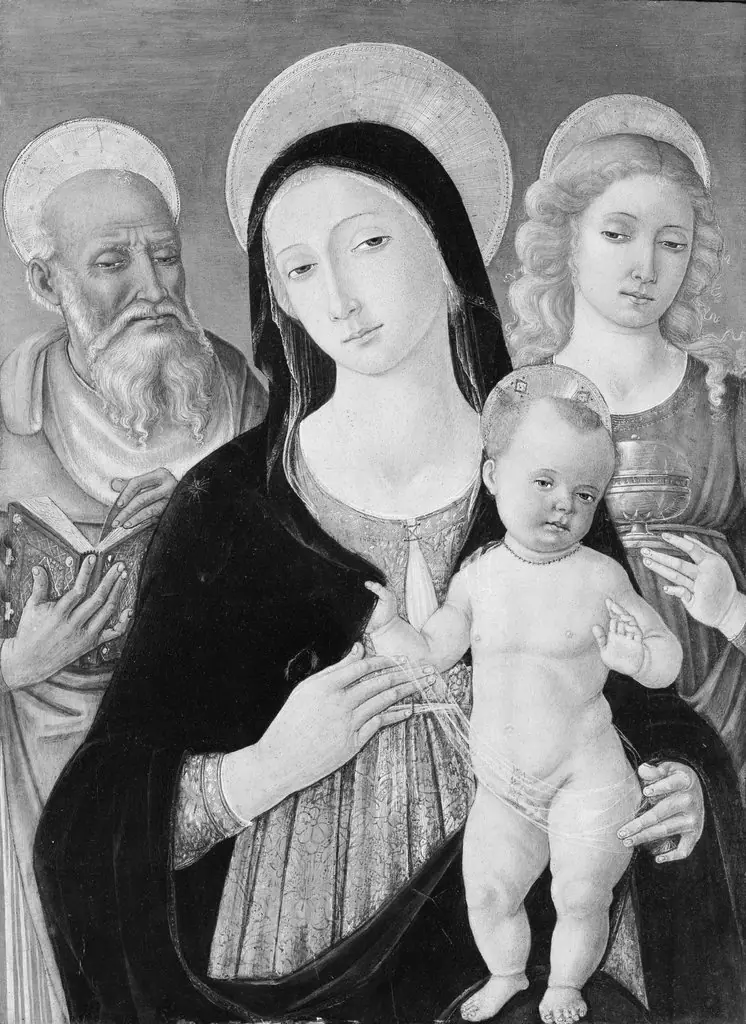 Madonna and Child with Saints Jerome and Mary Magdalen
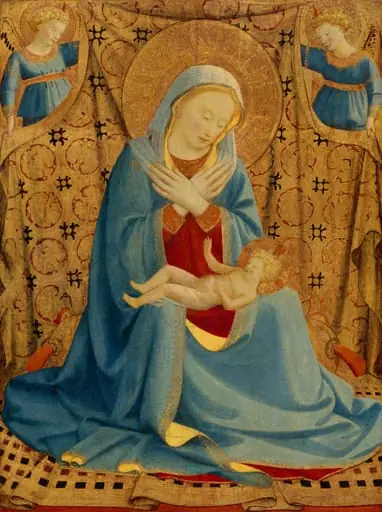 The Madonna of Humility
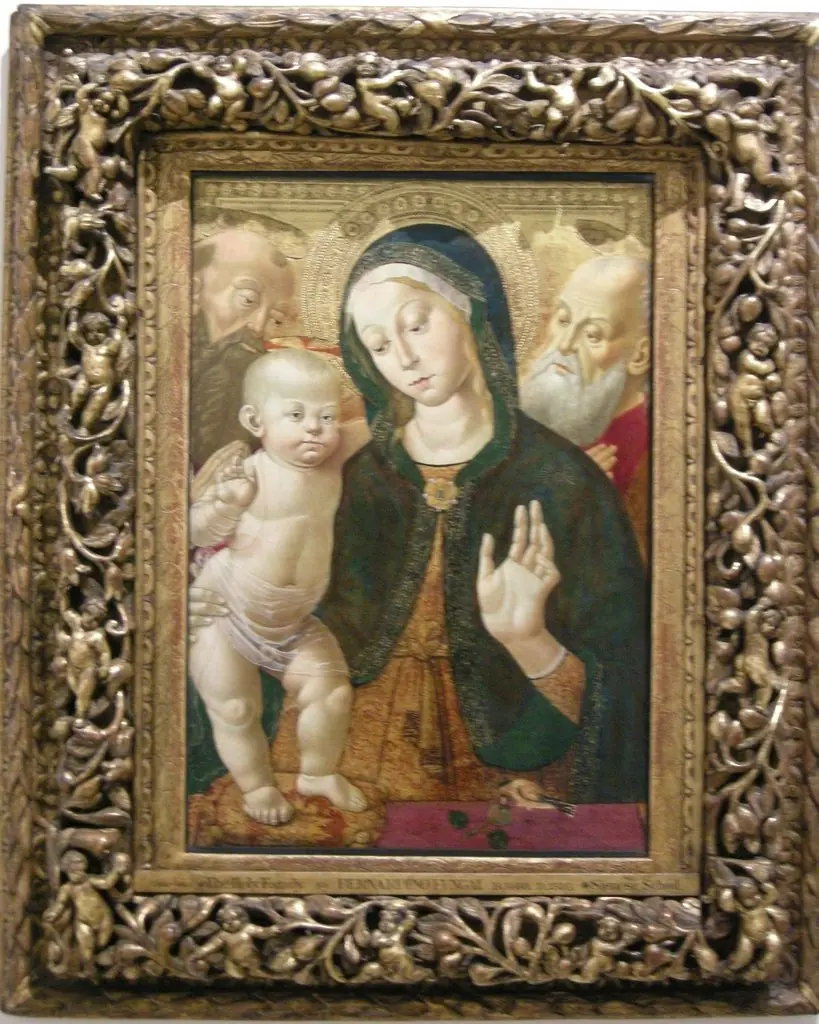 Madonna mit Kind
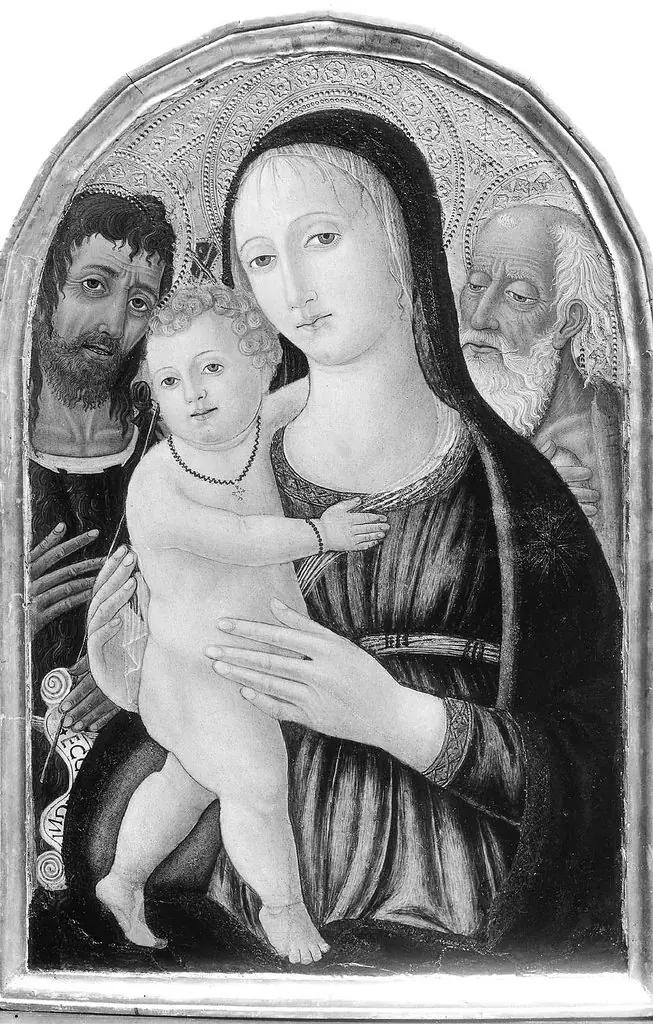 Virgin and Child with Saints Jerome and John the Baptist
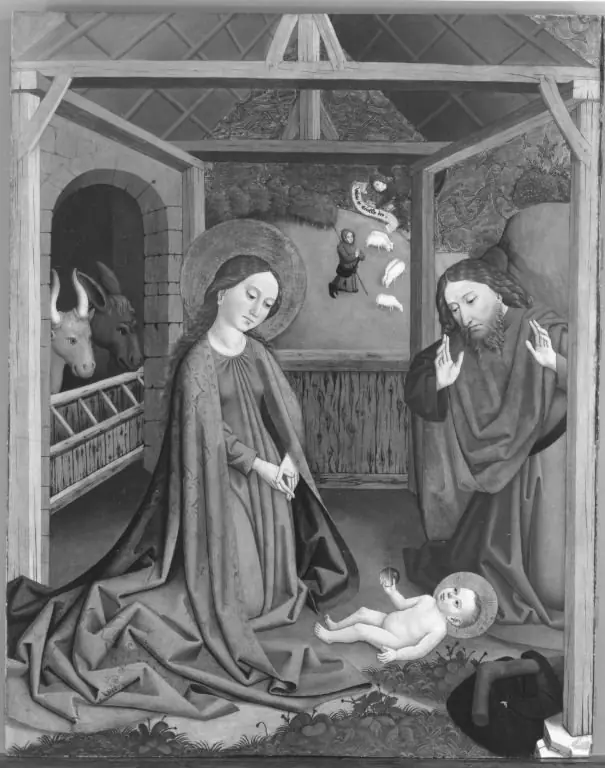 Geburt Christi (Abgespaltene Außenseite: Inv.-Nr. 10748)
 Virgin and Child with Saints