Artwork
Portrait of a Man
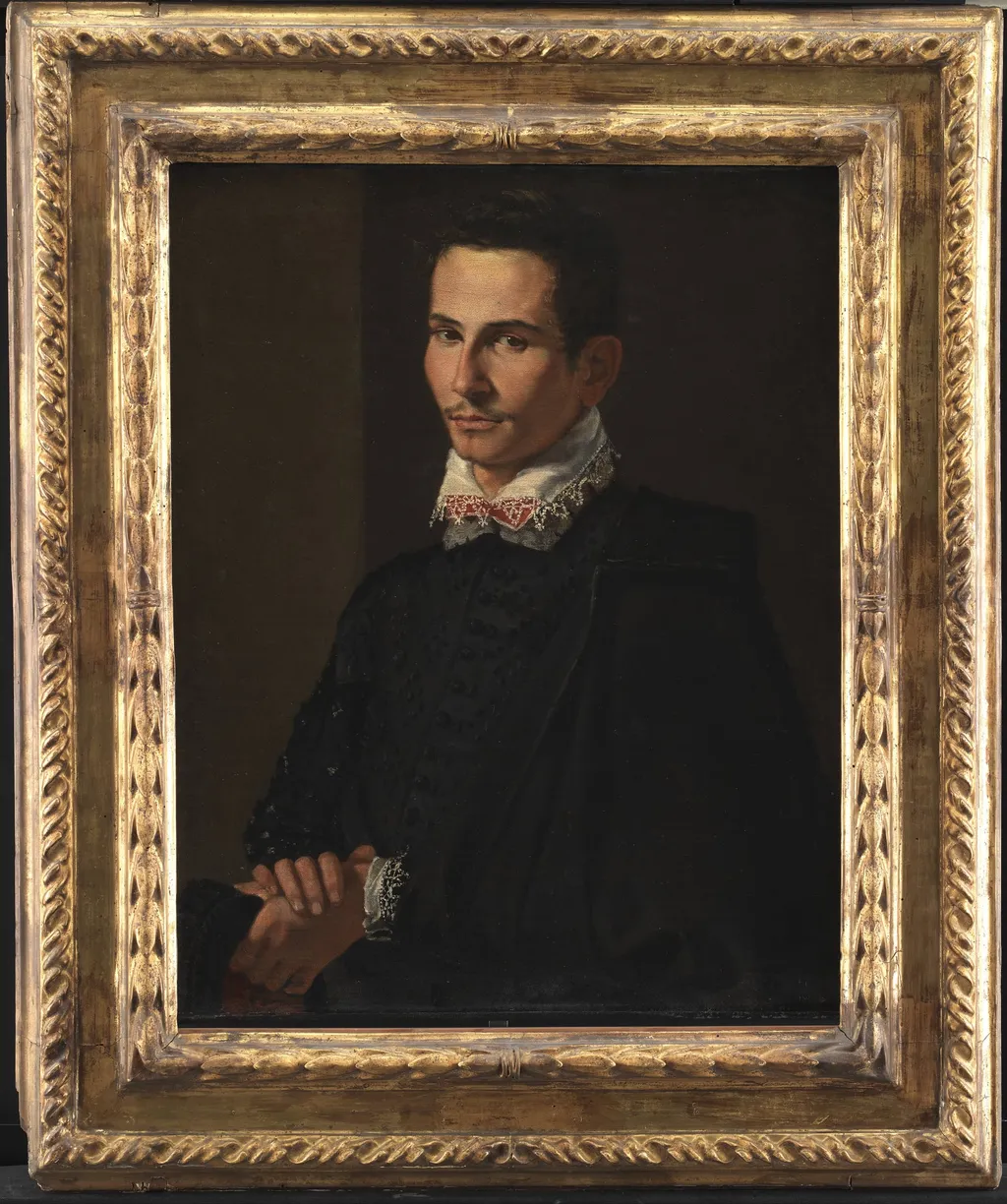
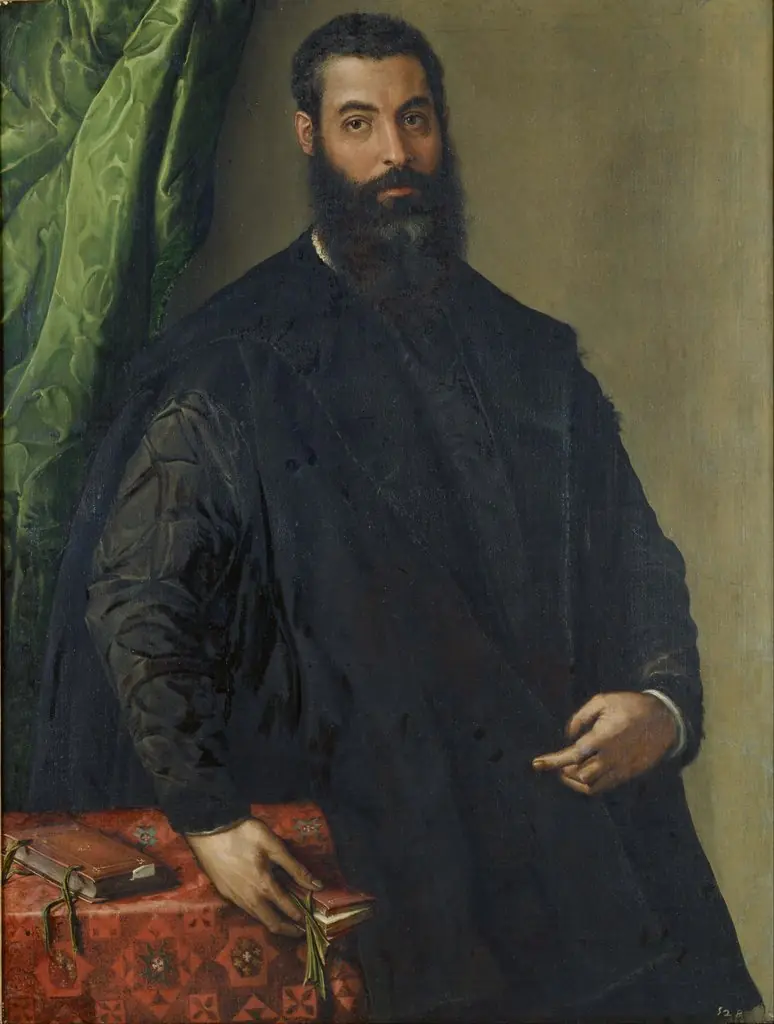
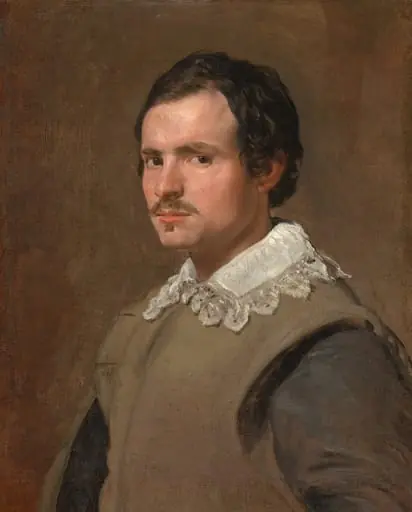
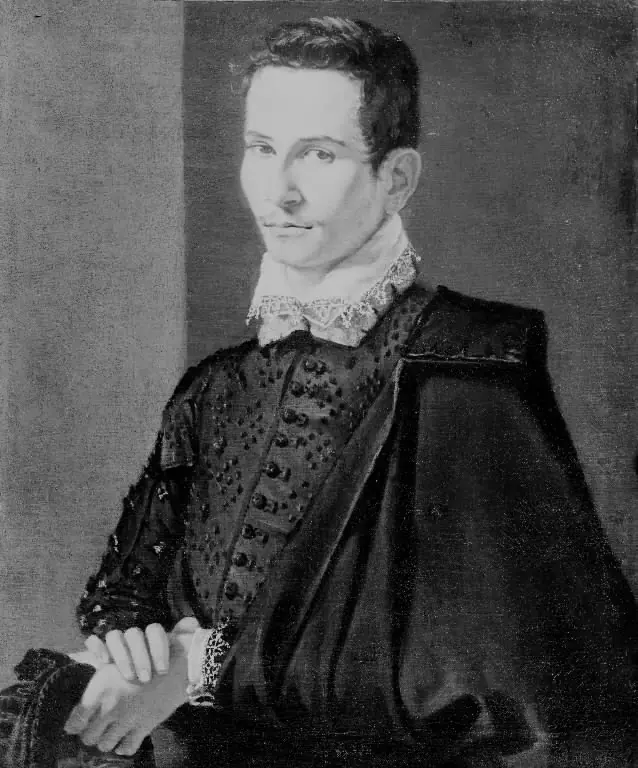
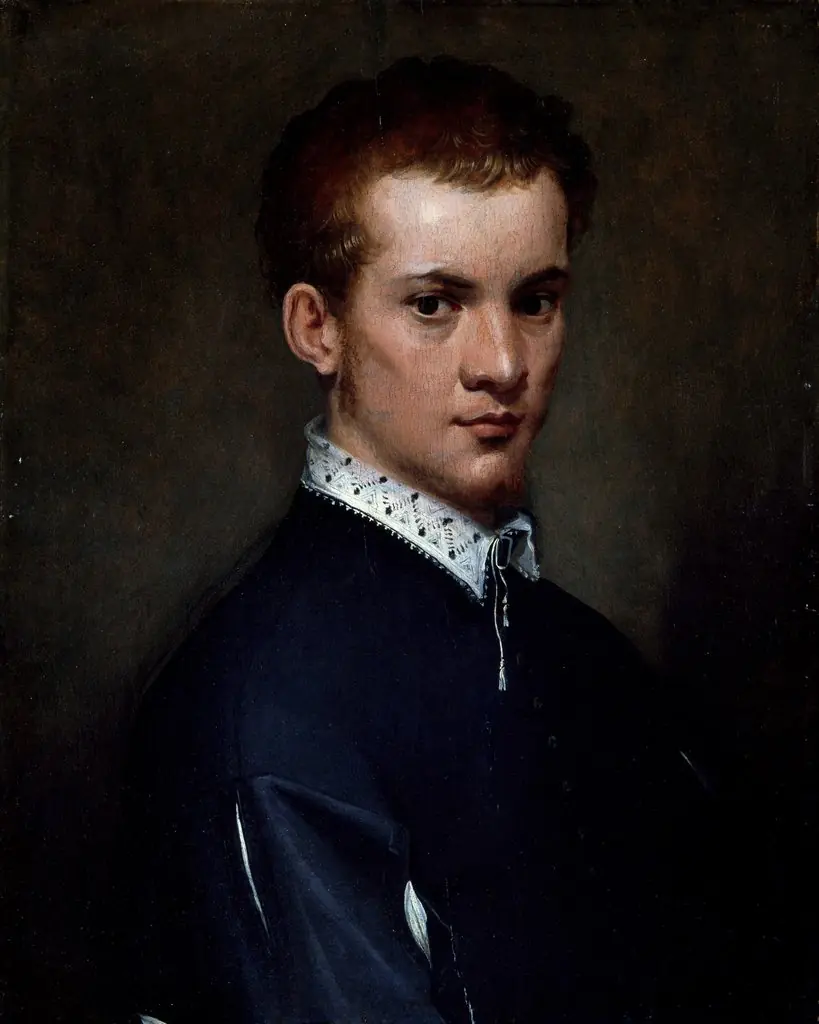
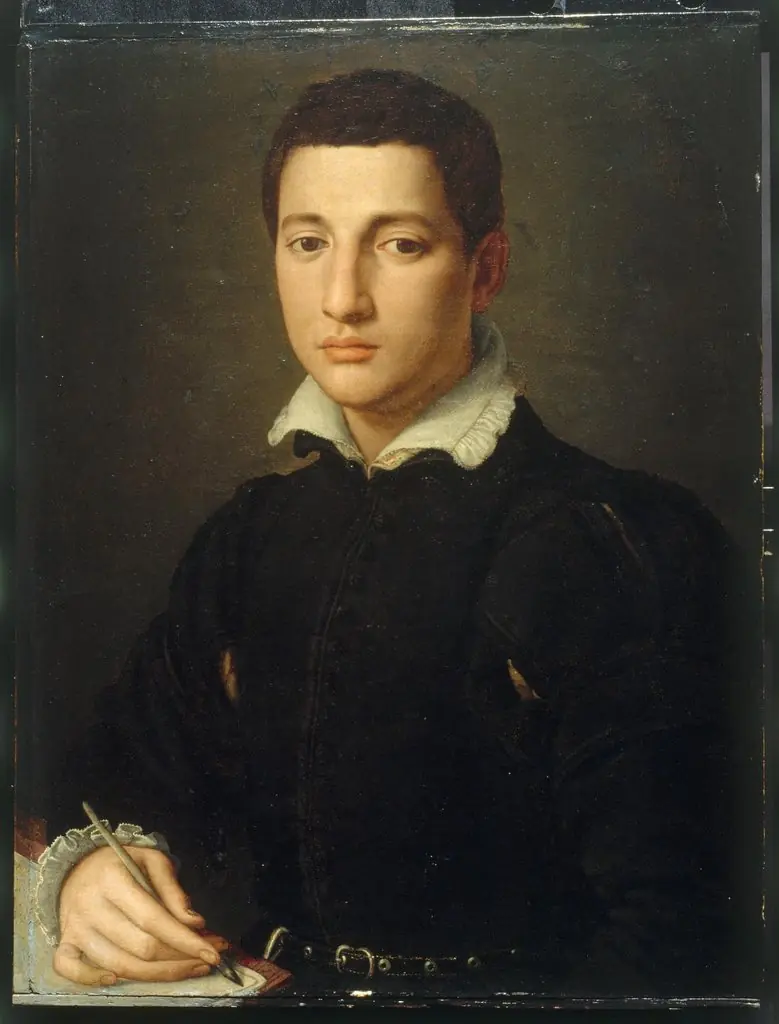
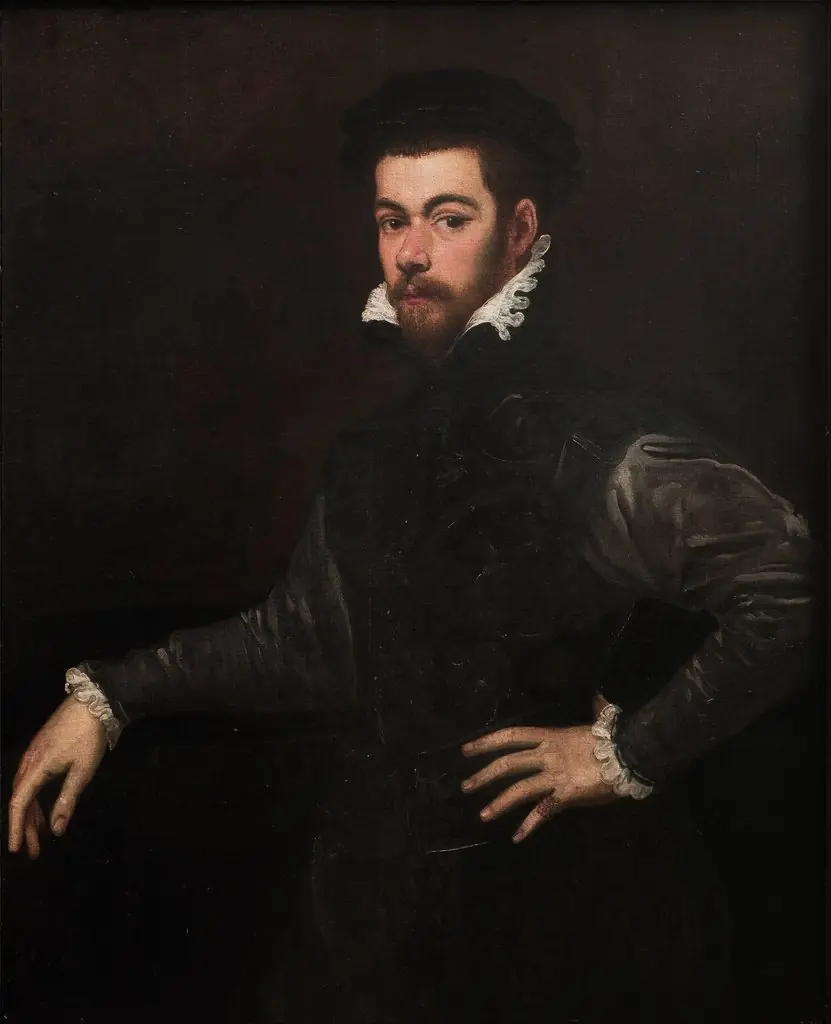
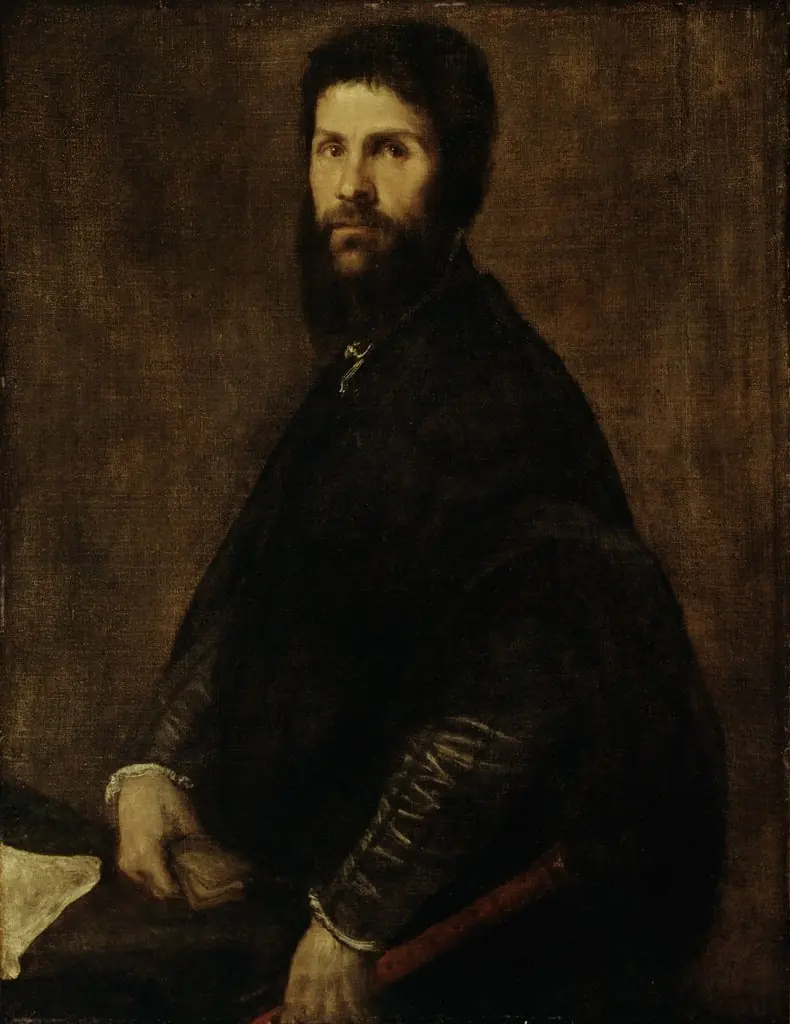
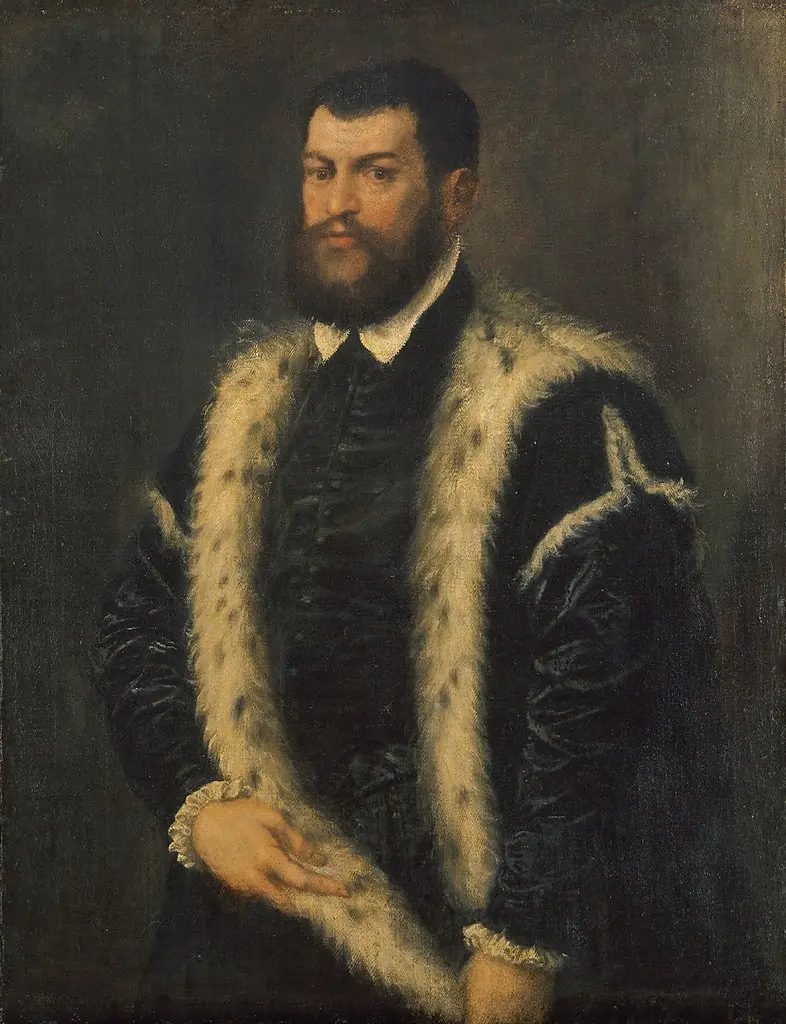
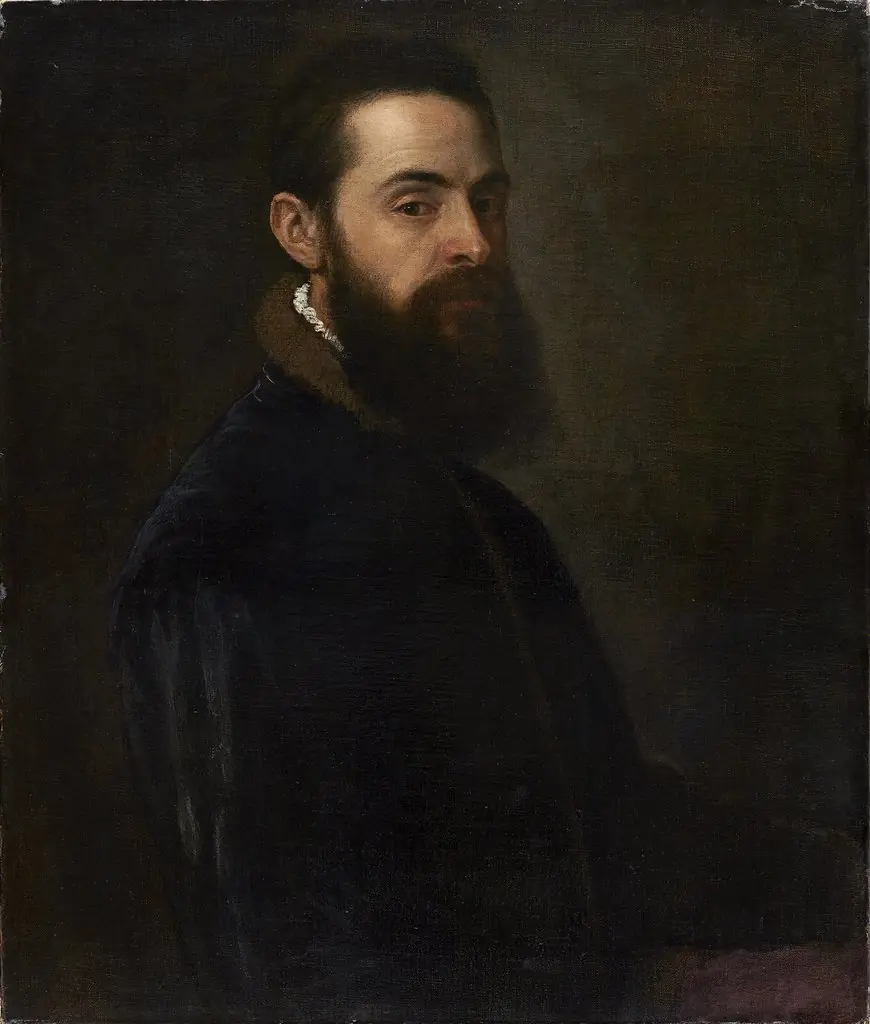
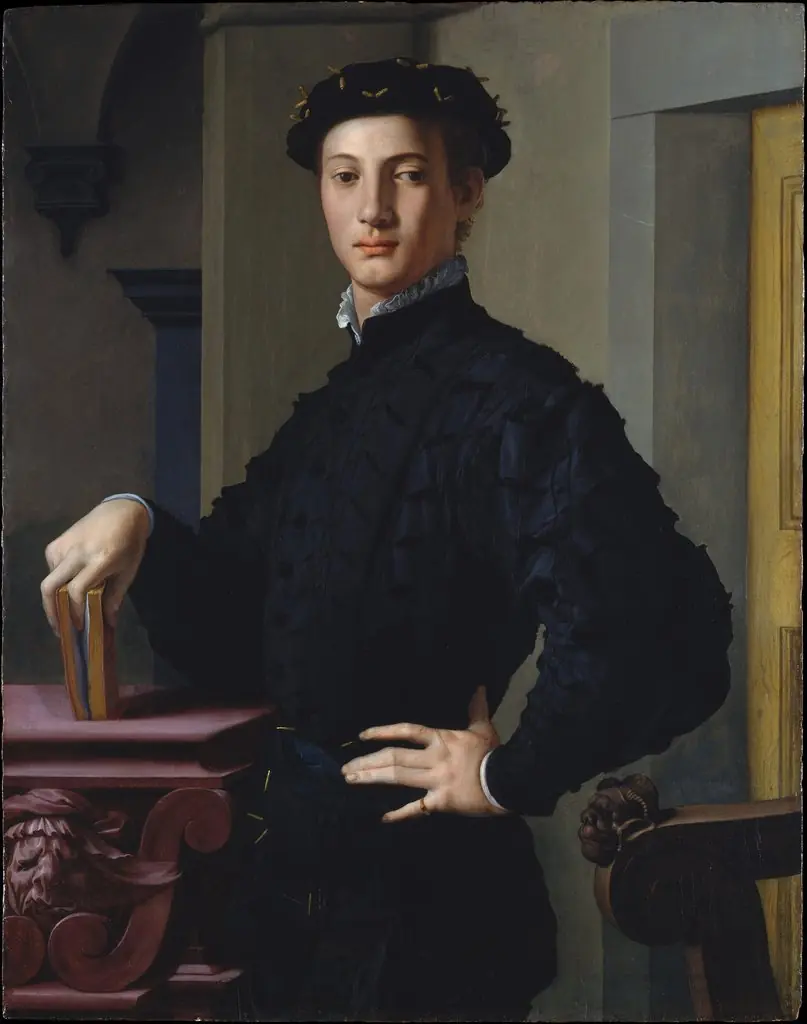
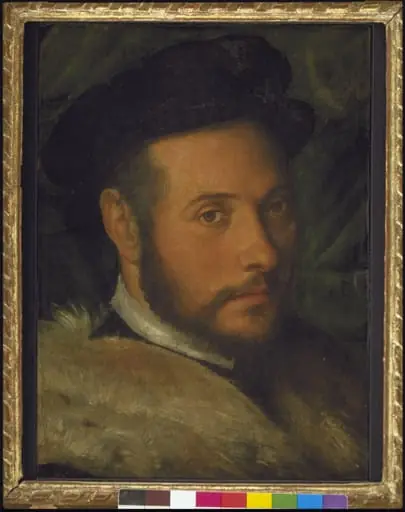
Portrait of a Man is an unspecified painting by Unknown. It dates from 1550 and is held in the collection of the Statens Museum for Kunst. Painted around 1550, this portrait depicts a man in quiet repose, rendered with subtle attention to texture and form.
About this work
Overview
Painted around 1550, this portrait depicts a man in quiet repose, rendered with subtle attention to texture and form. Executed in oil on panel, the work is part of the Museum of Ethnography’s collection. The composition isolates the figure against a dark, unadorned background, emphasizing his presence through careful modulation of light and shadow.
Subject & Meaning
The sitter, dressed in a dark jacket with intricate patterning and a crisp white lace collar, conveys a sense of dignity and restraint. His clasped hands and faint, unreadable smile suggest composure rather than emotion. The presence of a ring implies personal or social status, though his identity remains unconfirmed. The portrait prioritizes inner stillness over narrative context.
Technique & Style
The artist employs chiaroscuro to model the face and hands, using soft transitions between light and shadow to create volume without harsh contrast. Fine brushwork captures the sheen of fabric and the delicate weave of the lace collar. The background’s uniform darkness enhances the three-dimensionality of the figure, a hallmark of mid-16th-century portraiture.
History & Provenance
The painting entered the Museum of Ethnography’s holdings in the late 19th century, acquired as part of a broader collection of European secular portraits. Its origins prior to this are undocumented, and no contemporary records link it to a specific patron or commission. Its attribution to 34587_person remains tentative, based on stylistic comparison.
Context
Created during a period when portraiture in Northern Europe increasingly emphasized individuality and psychological nuance, this work reflects the influence of humanist ideals. Unlike formal court portraits, it avoids symbols of power or office, suggesting a private, possibly middle-class commission focused on personal presence rather than social rank.
Legacy
Though not widely exhibited, the portrait contributes to scholarly understanding of non-noble portraiture in the mid-1500s. Its restrained aesthetic and technical precision align it with regional traditions that valued subtlety over grandeur. It remains a quiet example of how everyday dignity was rendered in oil during the Renaissance.
Artist & collection

 Domestic Scene
 Giacomo and Cardinal Marco, investing Andrea, Abbot of San Zeno, with his Benefice
 The Nymph of Fontainebleau
 Portrait of a Woman
 Madonna and Child with Saints in the Enclosed Garden
 Venus and Minerva
 Family Group of Four on Sofa
 Wall painting from Room H of the Villa of P. Fannius Synistor at Boscoreale