Artwork
Portrait of an Actor
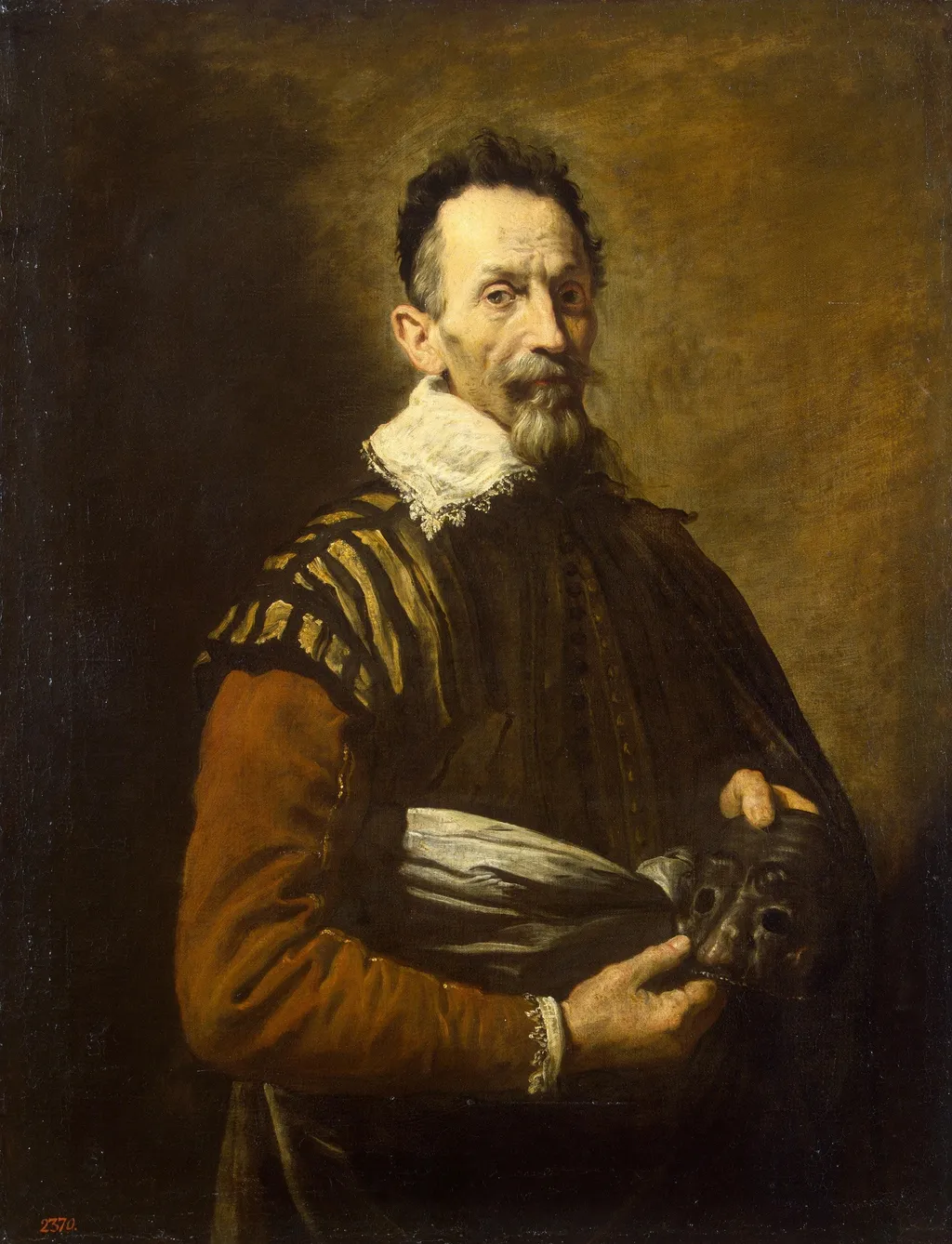
Portrait of an Actor is an oil painting by the Early Baroque Italian artist Domenico Fetti. It dates from 1621 and is held in the collection of the Hermitage Museum.
About this work
Overview
Domenico Fetti’s oil portrait, titled *Portrait of an Actor*, resides in the Hermitage Museum in Saint Petersburg. Executed in the early 1620s, likely 1621–1622, the work originates from Fetti’s period in Mantua, where he was active for the court of the Gonzaga family.
Subject & Meaning
The canvas depicts a male figure grasping a theatrical mask, a visual cue that identifies him as a performer of the Italian commedia dell’arte. Scholars have proposed two possible identities: the celebrated improvisational actor Tristano Martinelli or his contemporary Francesco Andreini, both prominent in early‑17th‑century theatre.
Technique & Style
Fetti employs a restrained palette and soft modeling to render the sitter’s features, while the mask provides a contrasting, more sharply lit element. The composition balances realism with a hint of theatricality, reflecting the Baroque interest in drama and the artist’s skill in integrating portraiture with narrative symbols.
History & Provenance
After its creation in Mantua, the painting entered various private collections before being acquired by the Russian Imperial collection in the 18th century, eventually becoming part of the Hermitage’s holdings. A notable replica, executed by an unknown hand, is displayed in Venice’s Gallerie dell’Accademia, testifying to the work’s early popularity.
Context
Fetti’s portrait belongs to a broader trend of depicting actors and theatrical subjects during the early Baroque, when the commedia dell’arte was gaining cultural prominence across Italy. The inclusion of the mask underscores the period’s fascination with performance, identity, and the interplay between reality and artifice.
Own this work as a print
Artist & collection
Artist
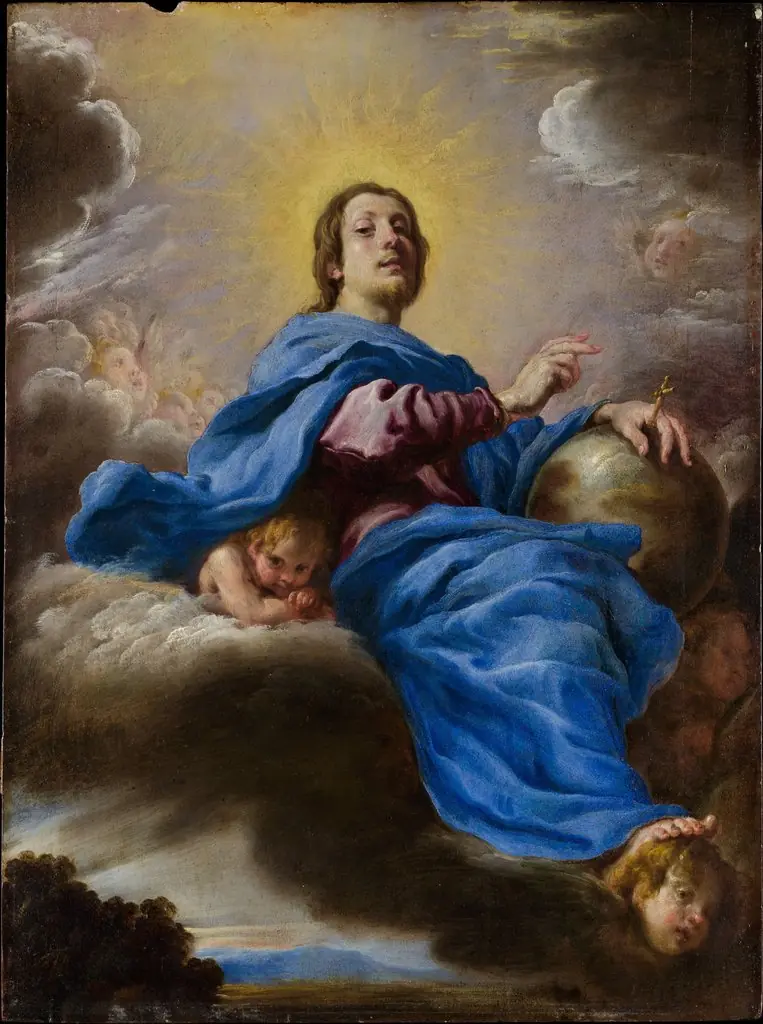
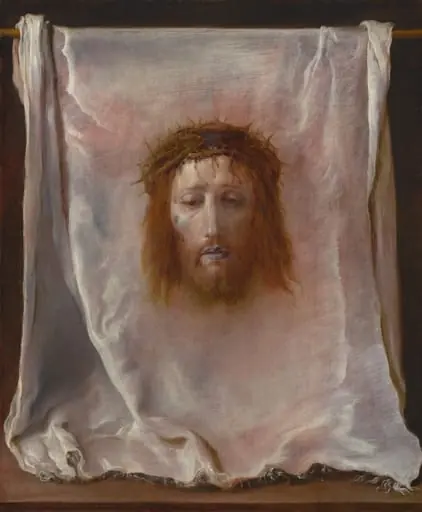
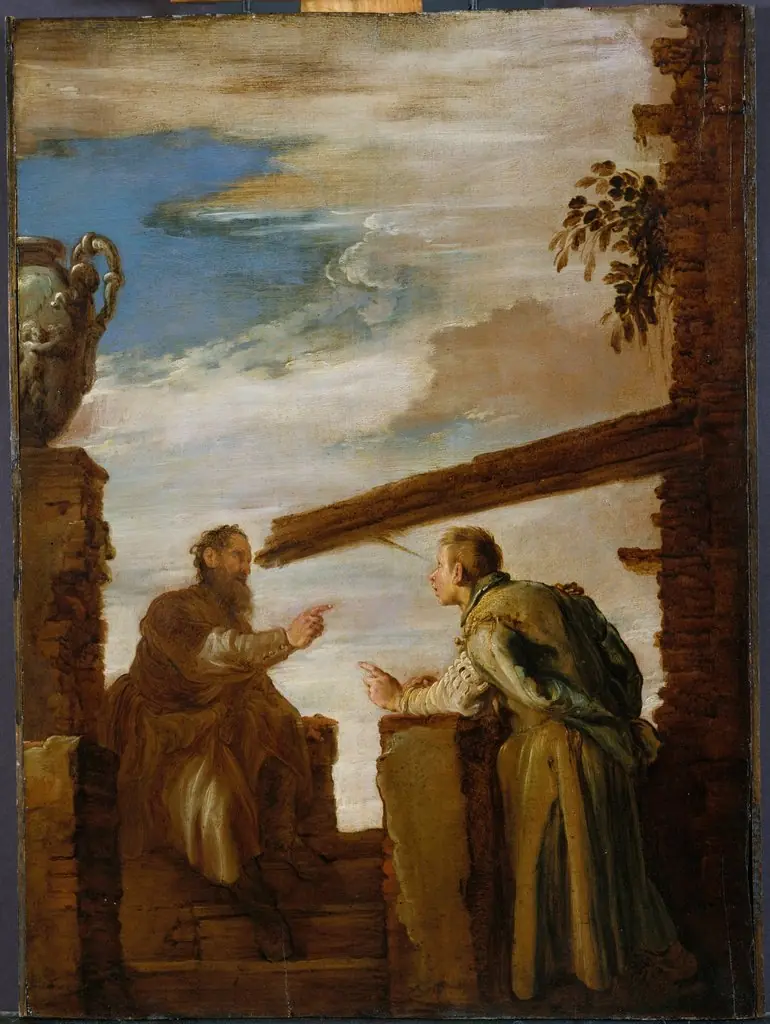
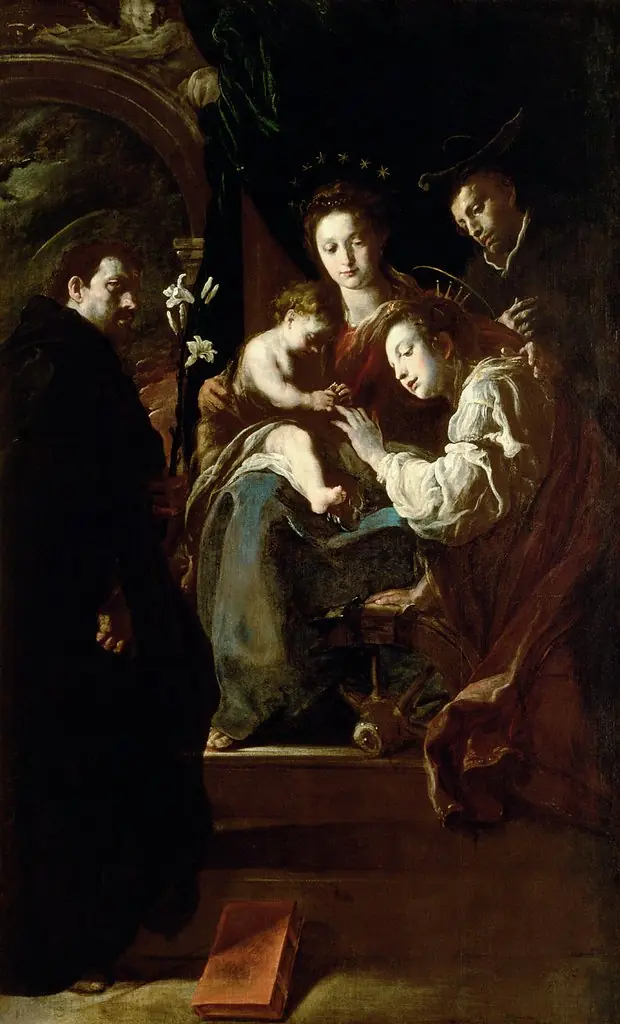
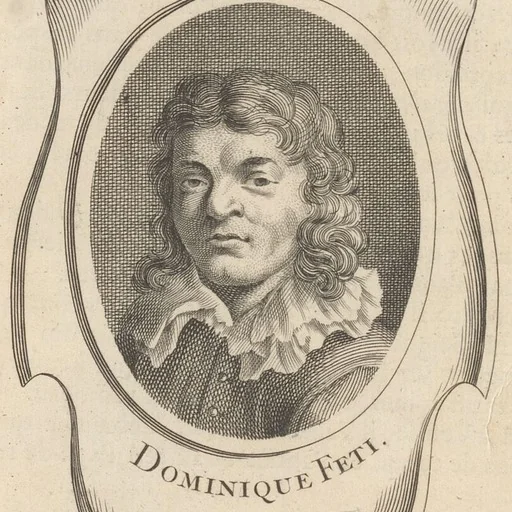
Domenico Fetti (also spelled Feti) (c. 1589 – 16 April 1623) was an Italian Baroque painter who was active mainly in Rome, Mantua and Venice.