Artwork
Road with People and Animals
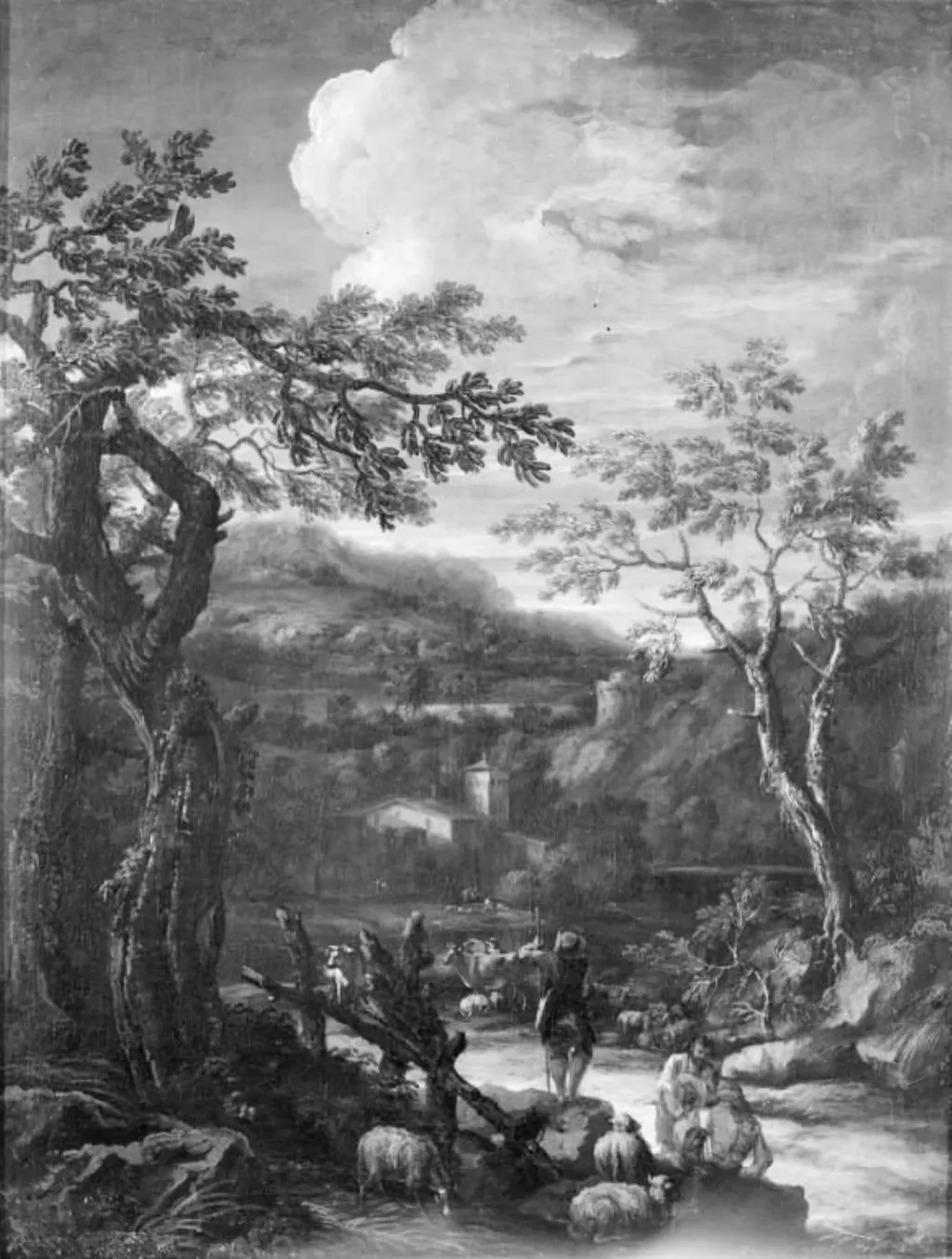
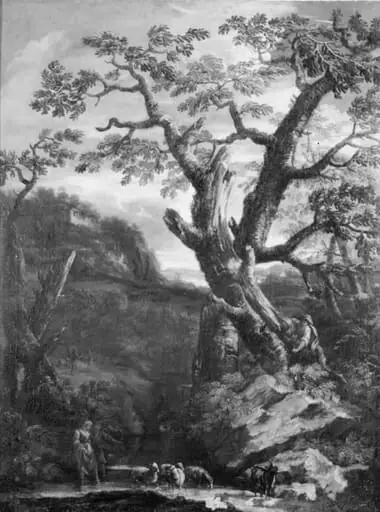
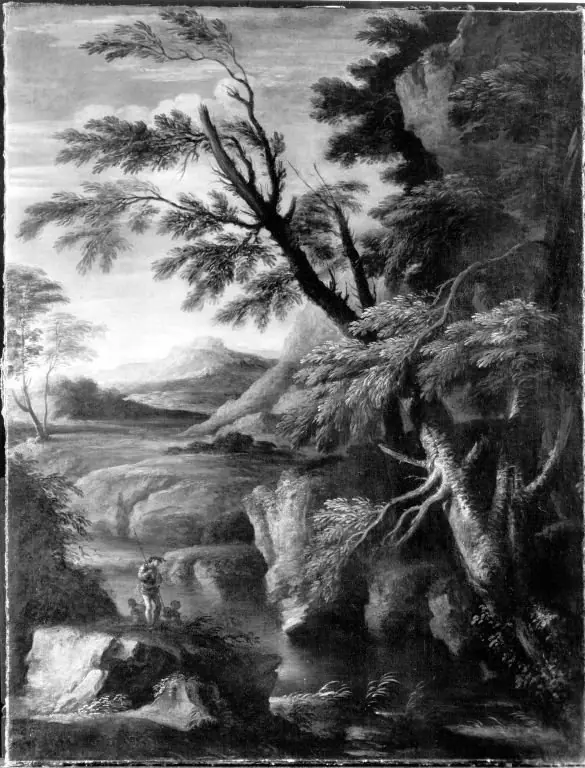
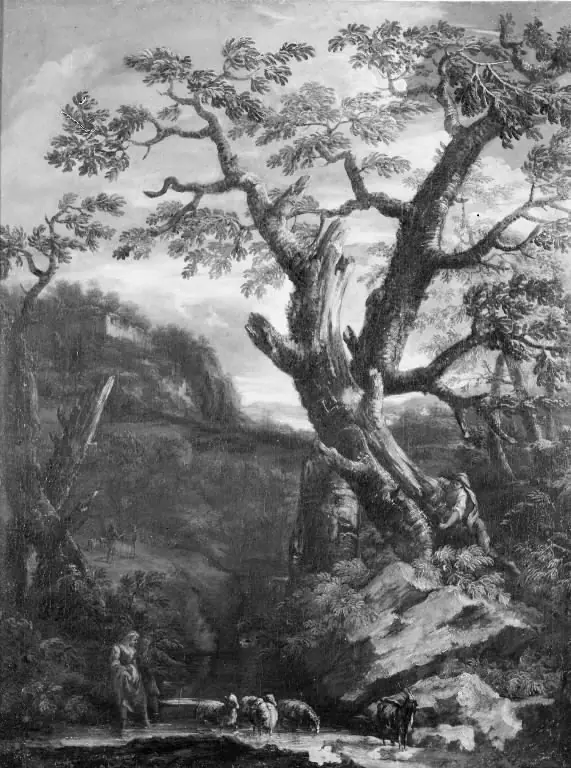
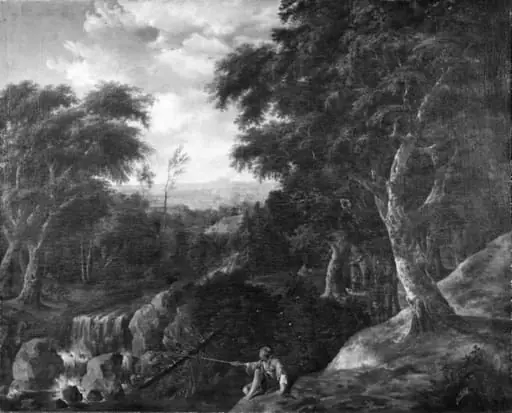
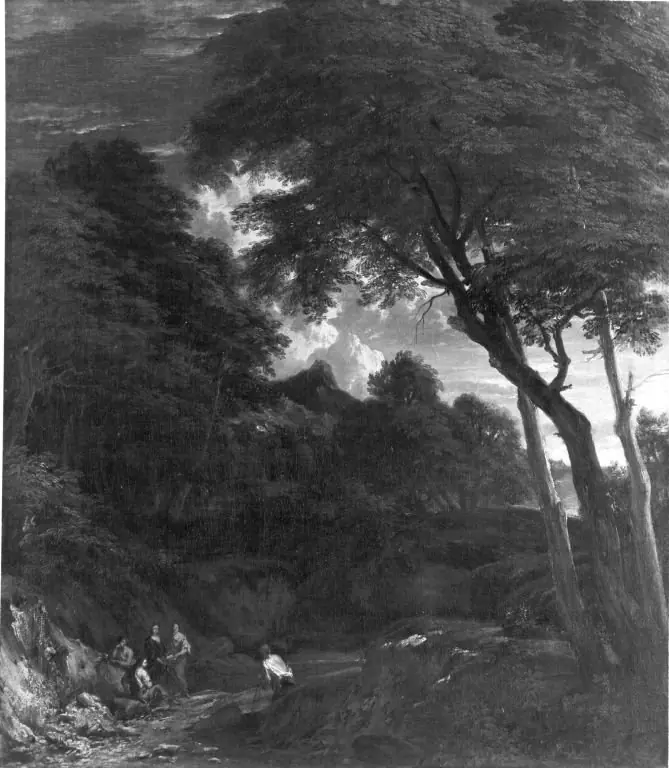
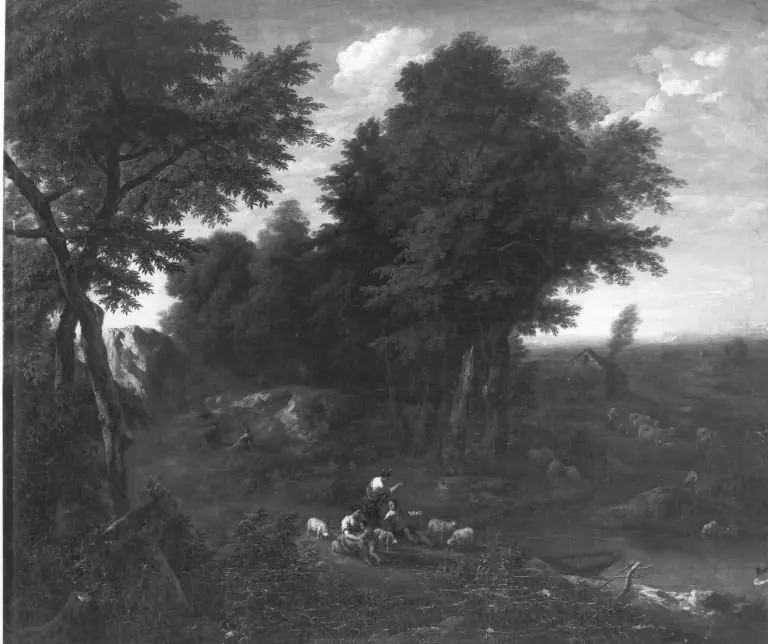
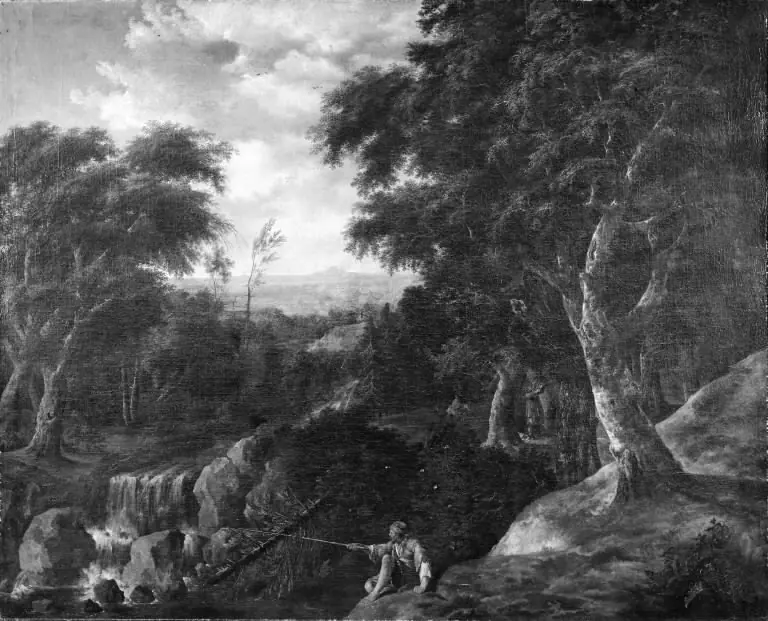
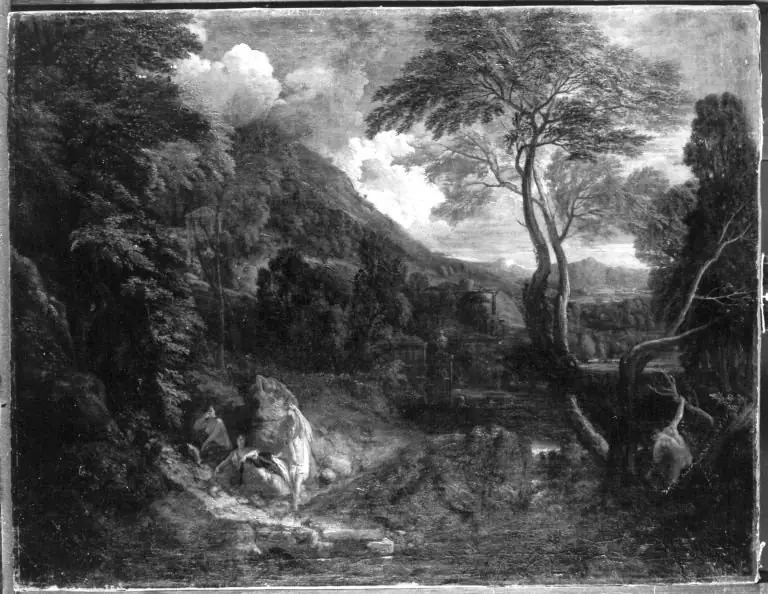
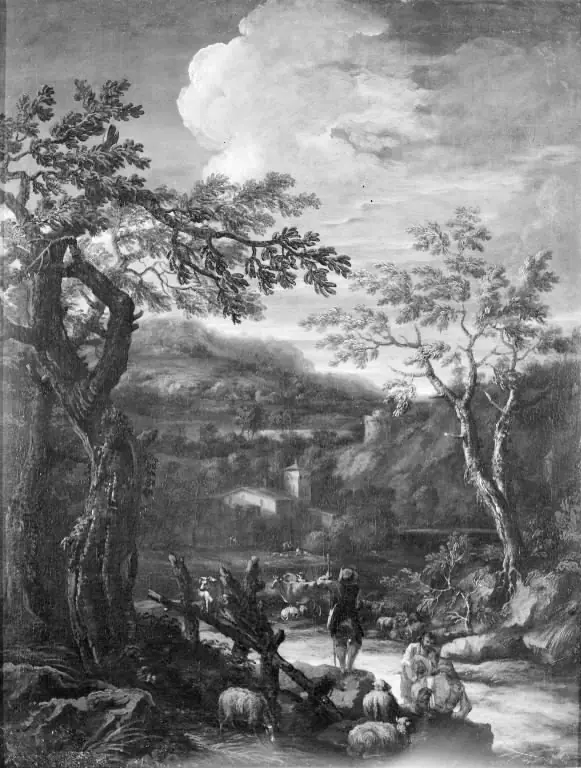
Road with People and Animals is a photography by Unknown. It dates from 1750 and is held in the collection of the Statens Museum for Kunst. This mid-eighteenth-century painting depicts a rural pathway traversed by a shepherd and flock.
About this work
Overview
This mid-eighteenth-century painting depicts a rural pathway traversed by a shepherd and flock. Attributed to an artist identified as 34788_person, the composition centers on a winding road that guides the viewer through a wooded landscape. The work resides in the collection of the Museum of Ethnography, where it represents period interpretations of pastoral life.
Subject & Meaning
The scene captures a moment of quiet labor in the countryside. A solitary figure directs a small group of sheep along a rocky track, evoking themes of human interaction with nature. The distant structures emerging through mist suggest habitation beyond the immediate pastoral setting, reinforcing the idea of rural life as both self-contained and connected to broader communities.
Technique & Style
Background elements remain softly defined, ensuring focus remains on the shepherd and flock without sacrificing atmospheric perspective.
The artist employs pronounced contrasts of light and shadow to structure the scene, a method aligning with chiaroscuro principles. Dark foliage on the left frames the composition, while illuminated figures and animals occupy the foreground, creating spatial depth. Background elements remain softly defined, ensuring focus remains on the shepherd and flock without sacrificing atmospheric perspective.
History & Provenance
Created around 1750, the painting has been part of the Museum of Ethnography’s holdings. Little documentation survives regarding its early ownership or commissioning, though its inclusion in the museum’s collection underscores its value as a record of rural customs and artistic practices of the period. Its preservation allows for continued study of eighteenth-century landscape conventions.
Context
Works of this kind emerged during a period when European artists increasingly turned to rural subjects, reflecting both aesthetic trends and societal shifts. The depiction of shepherds and livestock served as a counterpoint to urbanization, offering viewers an idealized vision of agrarian existence. Such scenes also aligned with broader Enlightenment interests in nature and human labor.
Artist & collection

 Domestic Scene
 Giacomo and Cardinal Marco, investing Andrea, Abbot of San Zeno, with his Benefice
 The Nymph of Fontainebleau
 Portrait of a Woman
 Madonna and Child with Saints in the Enclosed Garden
 Venus and Minerva
 Family Group of Four on Sofa
 Wall painting from Room H of the Villa of P. Fannius Synistor at Boscoreale