Artwork
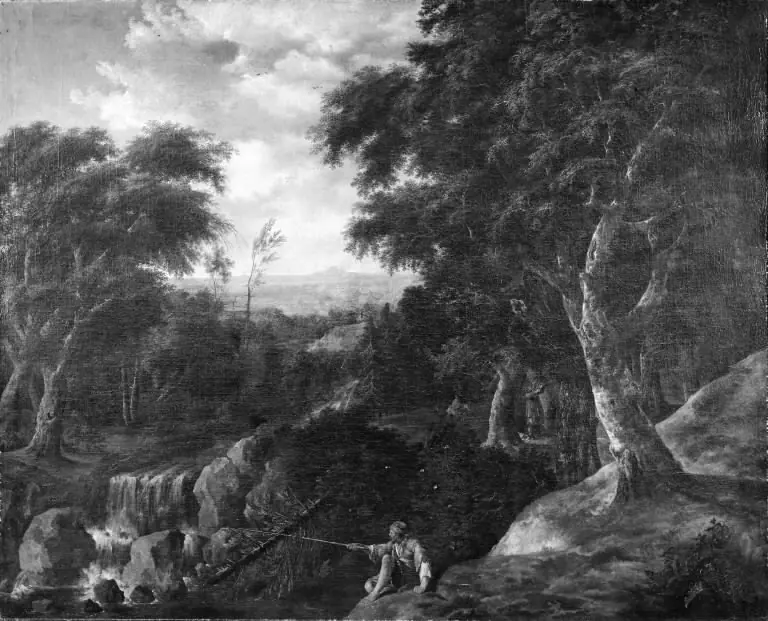
The Angler at the Forest Brook
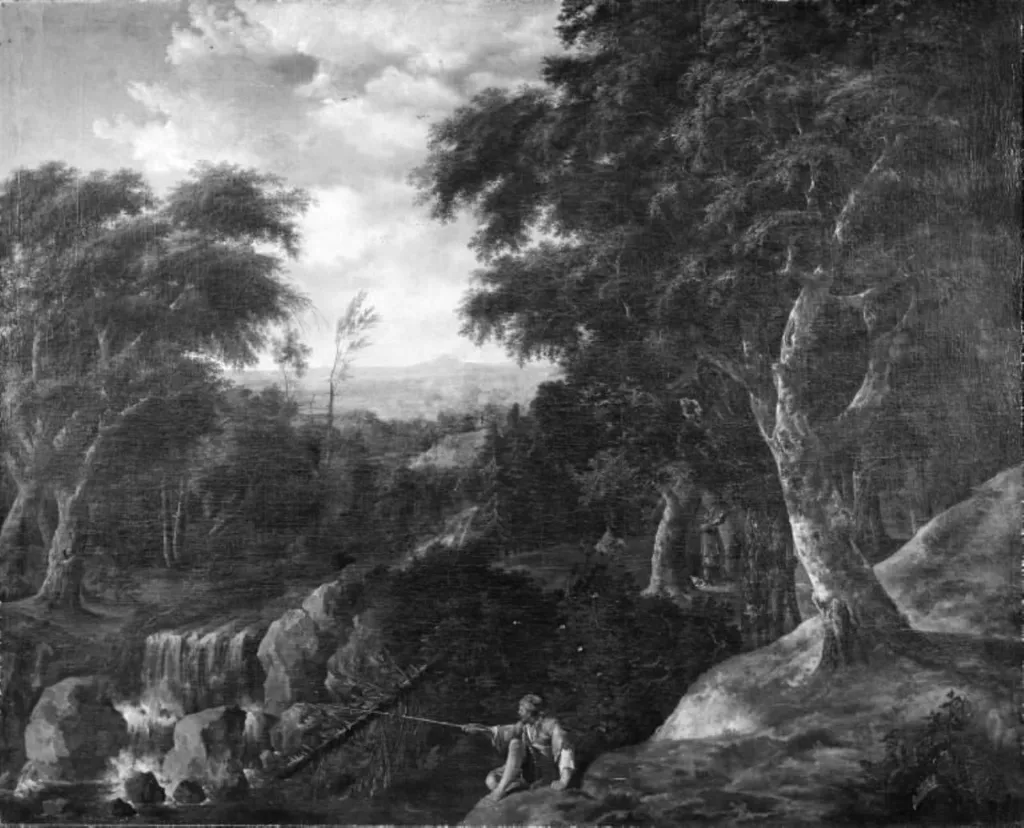
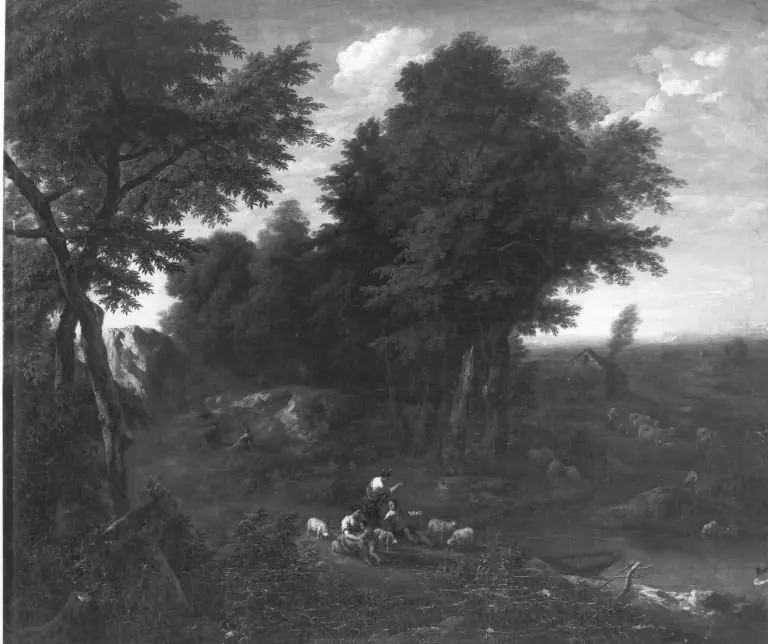
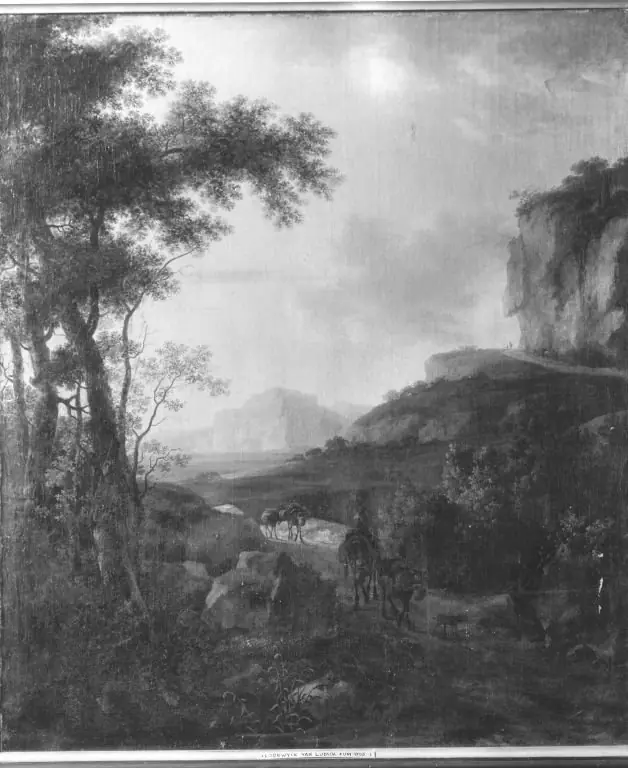
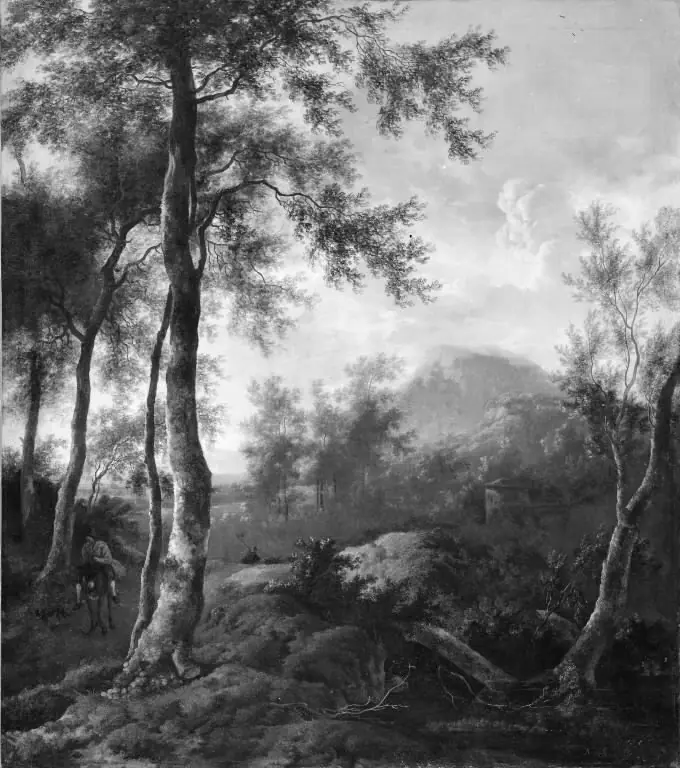
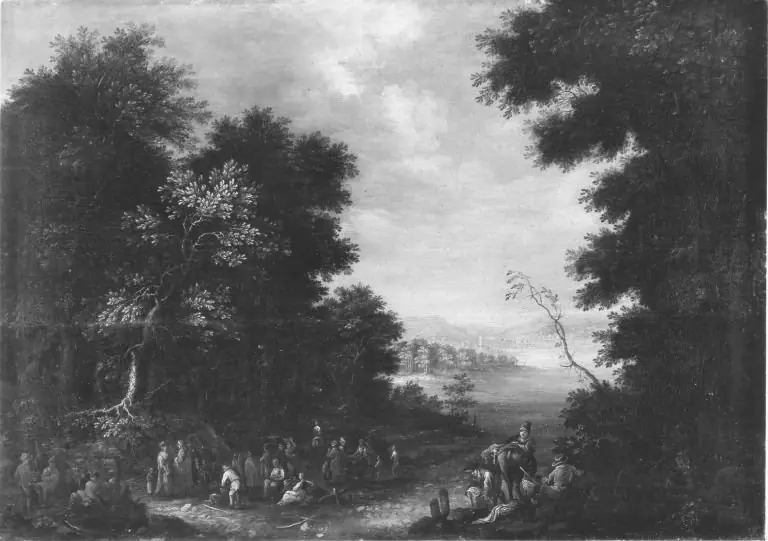
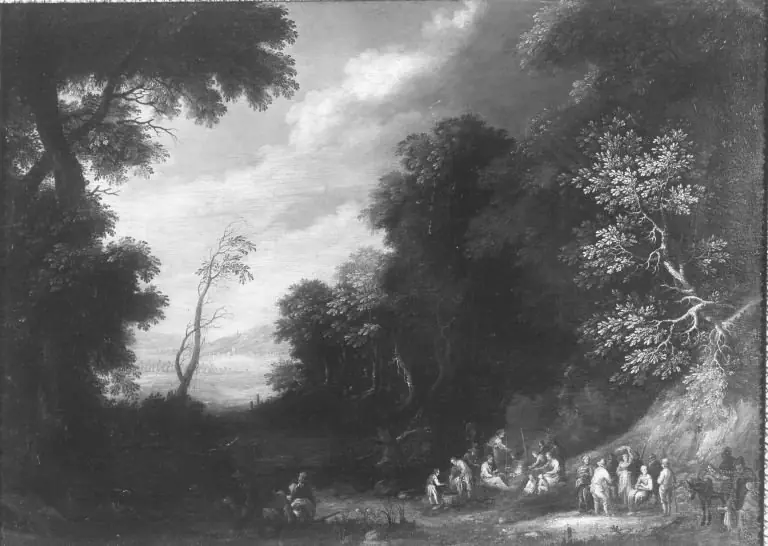
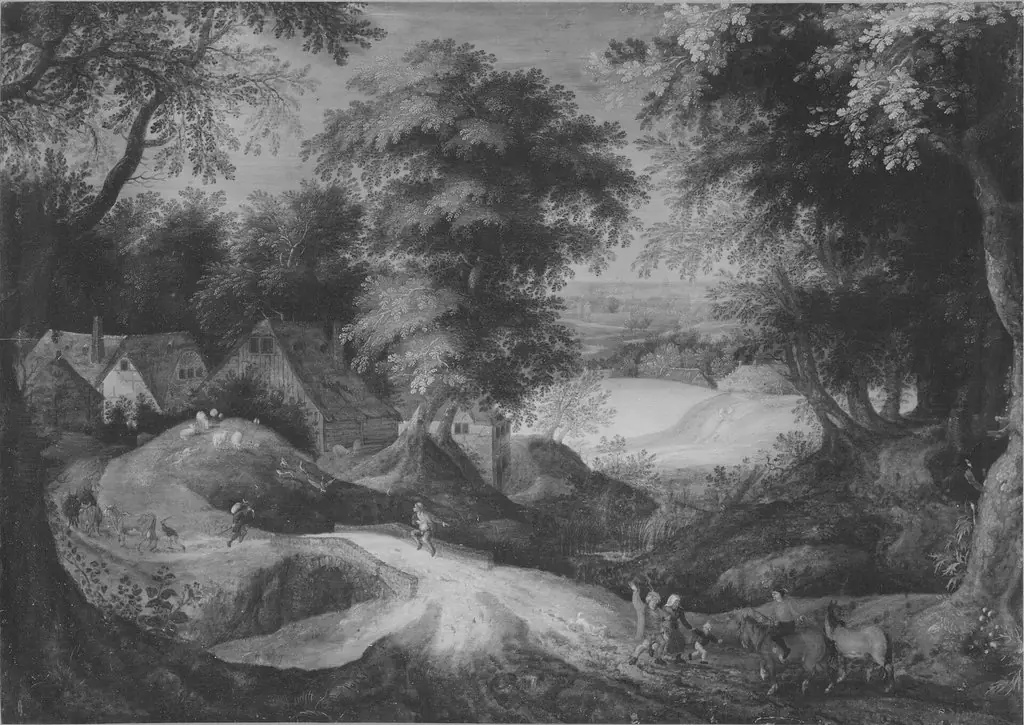
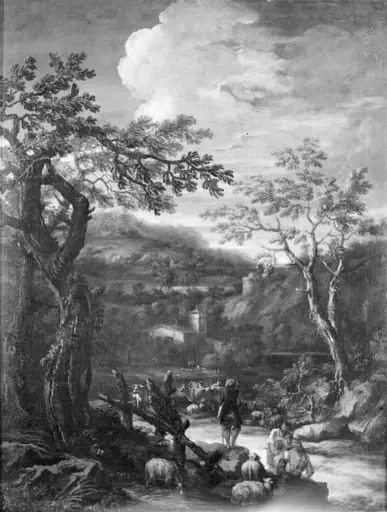
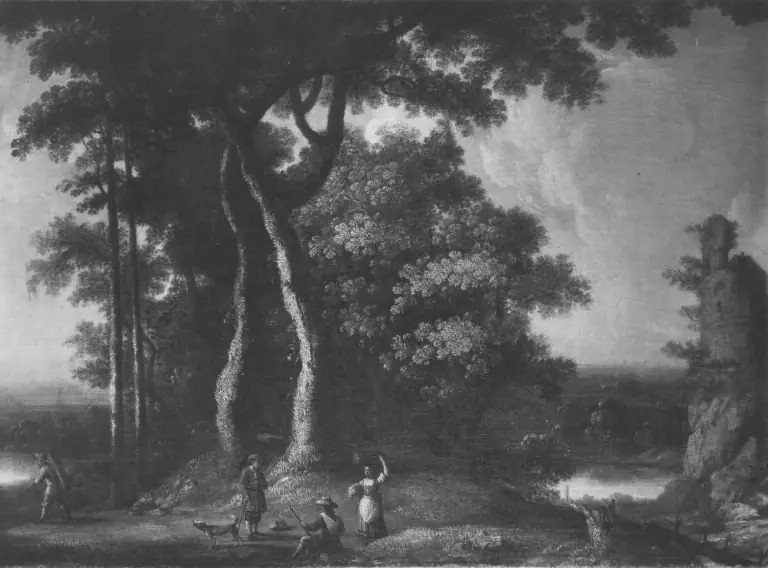
The Angler at the Forest Brook is a photography by Unknown. It dates from 1650 and is held in the collection of the Statens Museum for Kunst. Created around 1650, this black-and-white photograph depicts a solitary figure fishing beside a forest stream.
About this work
Overview
Though the medium is photographic, the composition reflects conventions of earlier painted landscapes, emphasizing mood over documentary detail.
Created around 1650, this black-and-white photograph depicts a solitary figure fishing beside a forest stream. The image is held in the collection of the Museum of Ethnography. Though the medium is photographic, the composition reflects conventions of earlier painted landscapes, emphasizing mood over documentary detail. The scene captures a moment of stillness amid natural elements, with lighting and framing suggesting intentional artistic direction.
Subject & Meaning
The figure, seated on a moss-covered rock, is absorbed in the act of angling, their posture conveying quiet determination. The surrounding forest, dense with shadowed trees and a cascading waterfall, frames the individual as part of a larger, untamed environment. The image suggests a contemplative relationship between human and nature, where patience and solitude are central. No narrative context is provided, leaving interpretation open to the viewer’s perception of stillness and focus.
Technique & Style
The photograph employs strong contrasts between light and dark, a technique reminiscent of chiaroscuro in painting. Sunlight breaks through the canopy, illuminating the angler and the water’s surface while leaving the undergrowth in deep shadow. Textures of wet rock, foliage, and flowing water are rendered with clarity, enhancing the sense of immediacy. The composition directs attention to the figure’s stillness against the movement of the stream and clouds.
History & Provenance
The photograph is attributed to an unknown creator, though dated to approximately 1650 — a period when photographic technology did not yet exist. This discrepancy suggests the work may be a later reproduction or misattributed image. It resides in the Museum of Ethnography, where it is cataloged as part of a collection exploring cultural representations of nature and labor, though its exact origin remains unverified.
Context
Though dated to the mid-17th century, the image likely stems from a later era, possibly the 19th or early 20th century, when romanticized depictions of rural life gained popularity. Its inclusion in an ethnographic museum implies an interest in portraying traditional or symbolic human interactions with nature. The scene aligns with broader visual traditions that idealize solitude and subsistence activities in natural settings.
Legacy
The image endures as a visual archetype of quiet human engagement with the natural world. Though its origins are uncertain, its composition continues to resonate in discussions of photographic aesthetics and the representation of labor. It serves as a reference point for how light, shadow, and isolation are used to evoke emotional depth, influencing later artistic and documentary approaches to landscape and figure studies.
Artist & collection

 Domestic Scene
 Giacomo and Cardinal Marco, investing Andrea, Abbot of San Zeno, with his Benefice
 The Nymph of Fontainebleau
 Portrait of a Woman
 Madonna and Child with Saints in the Enclosed Garden
 Venus and Minerva
 Family Group of Four on Sofa
 Wall painting from Room H of the Villa of P. Fannius Synistor at Boscoreale