Artwork
Aconitum napellus (?) (ægte stormhat); Aconitum variegatum, evt. Aconitum ×cammarum (?) (broget stormhat, evt. have-stormhat); Aconitum anthora (finbladet stormhat)
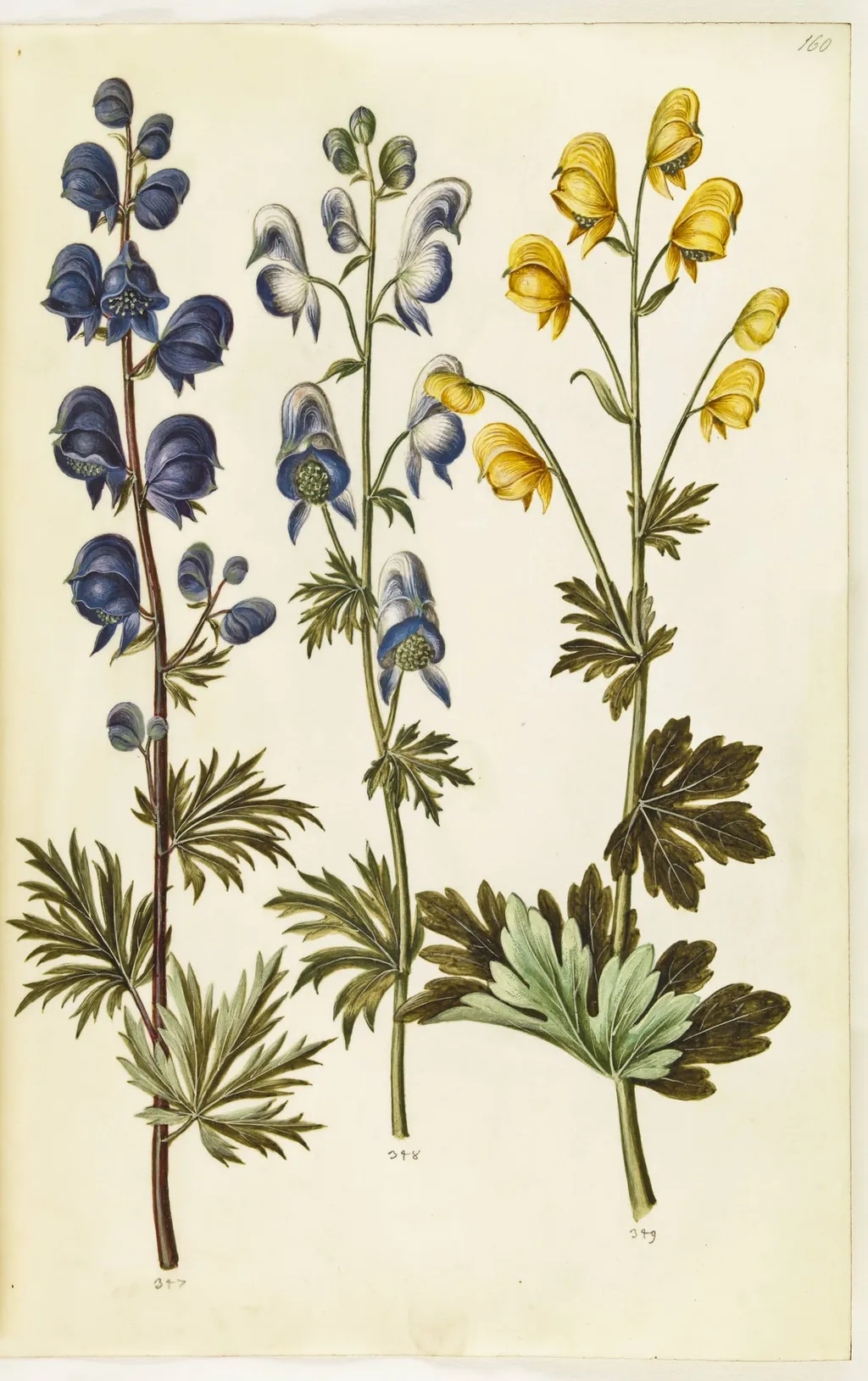
Aconitum napellus (?) (ægte stormhat); Aconitum variegatum, evt. Aconitum ×cammarum (?) (broget stormhat, evt. have-stormhat); Aconitum anthora (finbladet stormhat) is an unspecified work on paper by Unknown. It dates from 1650 and is held in the collection of the Statens Museum for Kunst.
About this work
Overview
Created around 1650, this watercolor illustration depicts three distinct species of Aconitum—commonly known as monkshood—arranged in a vertical tableau. The work is attributed to the artist catalogued as 35199_person and is part of the collection of the Museum of Ethnography.
Subject & Meaning
The image presents Aconitum napellus, Aconitum variegatum (or possibly the hybrid Aconitum ×cammarum), and Aconitum anthora, each rendered with its characteristic foliage and blossoms. By showing the plants at different stages of flowering, the illustration emphasizes botanical variation and the identification of species.
Technique & Style
Executed in watercolor, the artist employs delicate washes of blue, yellow, and white for the flowers, set against green leaves and brown stems. The medium allows fine gradations of tone, highlighting the texture of petals and the subtle veining of foliage, typical of 17th‑century scientific illustration.
History & Provenance
The piece dates to the mid‑17th century, a period when botanical illustration served both scientific and decorative purposes. It entered the Museum of Ethnography’s holdings, where it remains accessible for study of early modern plant documentation.
Context
During the 1600s, European interest in cataloguing flora grew alongside advances in taxonomy. Watercolor was favored for its capacity to capture fleeting colors of blossoms, making it a practical choice for scholars and collectors documenting medicinal and ornamental plants such as monkshood.
Artist & collection

 Domestic Scene
 Giacomo and Cardinal Marco, investing Andrea, Abbot of San Zeno, with his Benefice
 The Nymph of Fontainebleau
 Portrait of a Woman
 Madonna and Child with Saints in the Enclosed Garden
 Venus and Minerva
 Family Group of Four on Sofa
 Wall painting from Room H of the Villa of P. Fannius Synistor at Boscoreale
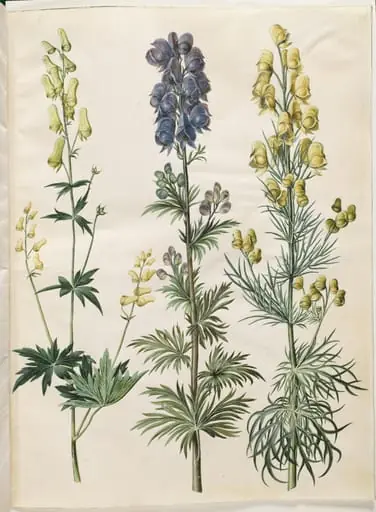 Aconitum lycoctonum (nordisk stormhat); Aconitum napellus (ægte stormhat); Aconitum anthora (finbladet stormhat)
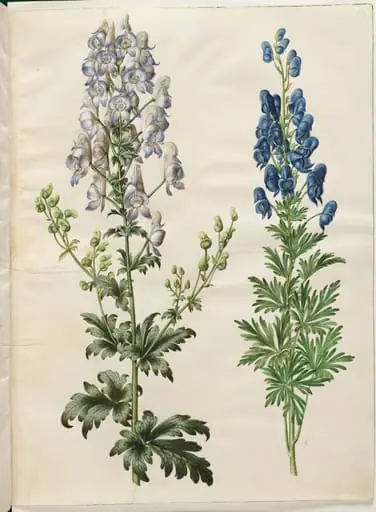 Aconitum variegatum (broget stormhat); Aconitum napellus (ægte stormhat)
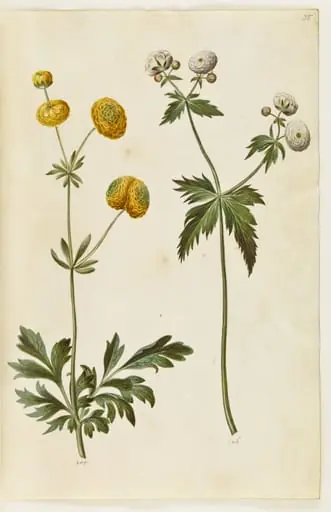 Ranunculus acris (guldknap-ranunkel); Ranunculus aconitifolius (sølvknap-ranunkel)
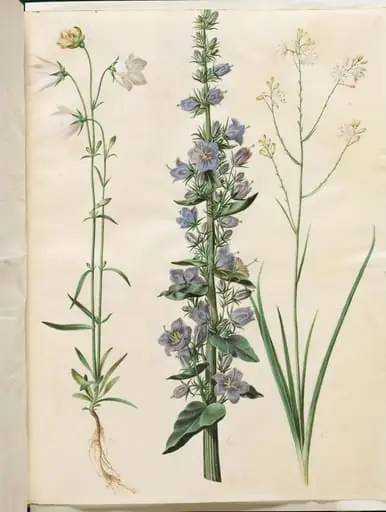 Campanula persicifolia (smalbladet klokke); Campanula pyramidalis (pyramide-klokke); Anthericum ramosum (grenet edderkopurt)
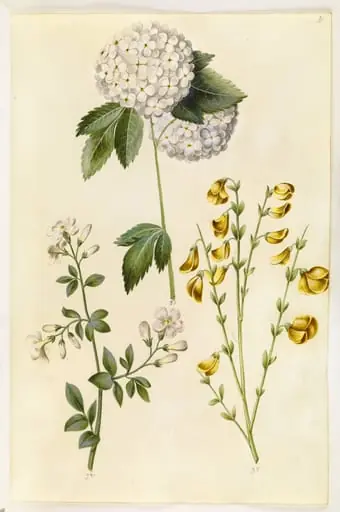 Viburnum opulus (almindelig snebolle); Jasminum officinale (læge-jasmin); Cytisus scoparius (almindelig gyvel)
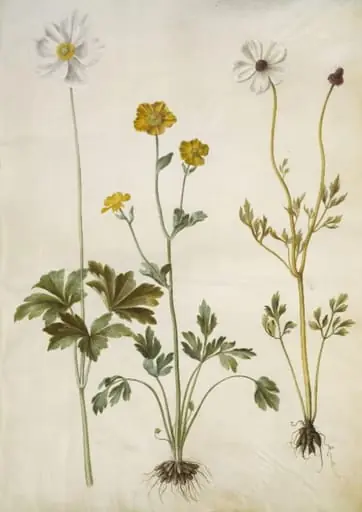 Anemone sylvestris (sommer-anemone); Ranunculus monspeliacus (silke-ranunkel); Ranunculus asiaticus (have-ranunkel)
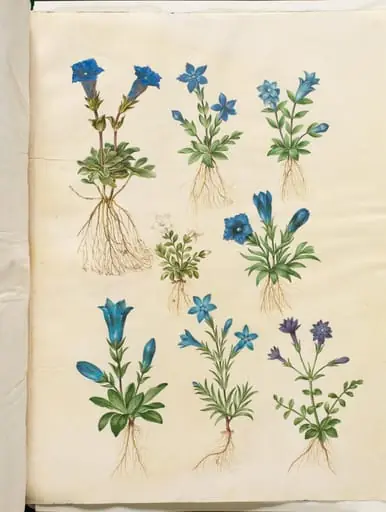 Gentiana acaulis (stængelløs ensian); Gentiana verna (vår-ensian); Gentiana acaulis (stængelløs ensian); Gentiana (art af ensian)
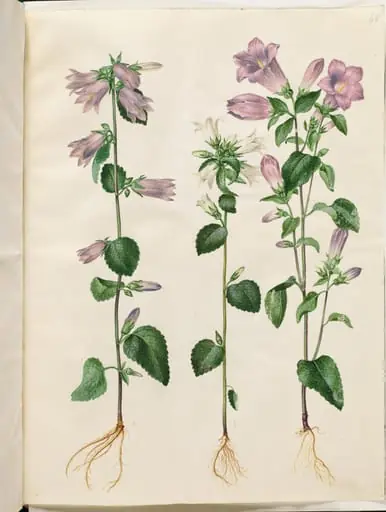 Campanula trachelium (nælde-klokke); Campanula medium (marie-klokke)