Artwork
Aloe (aloe)
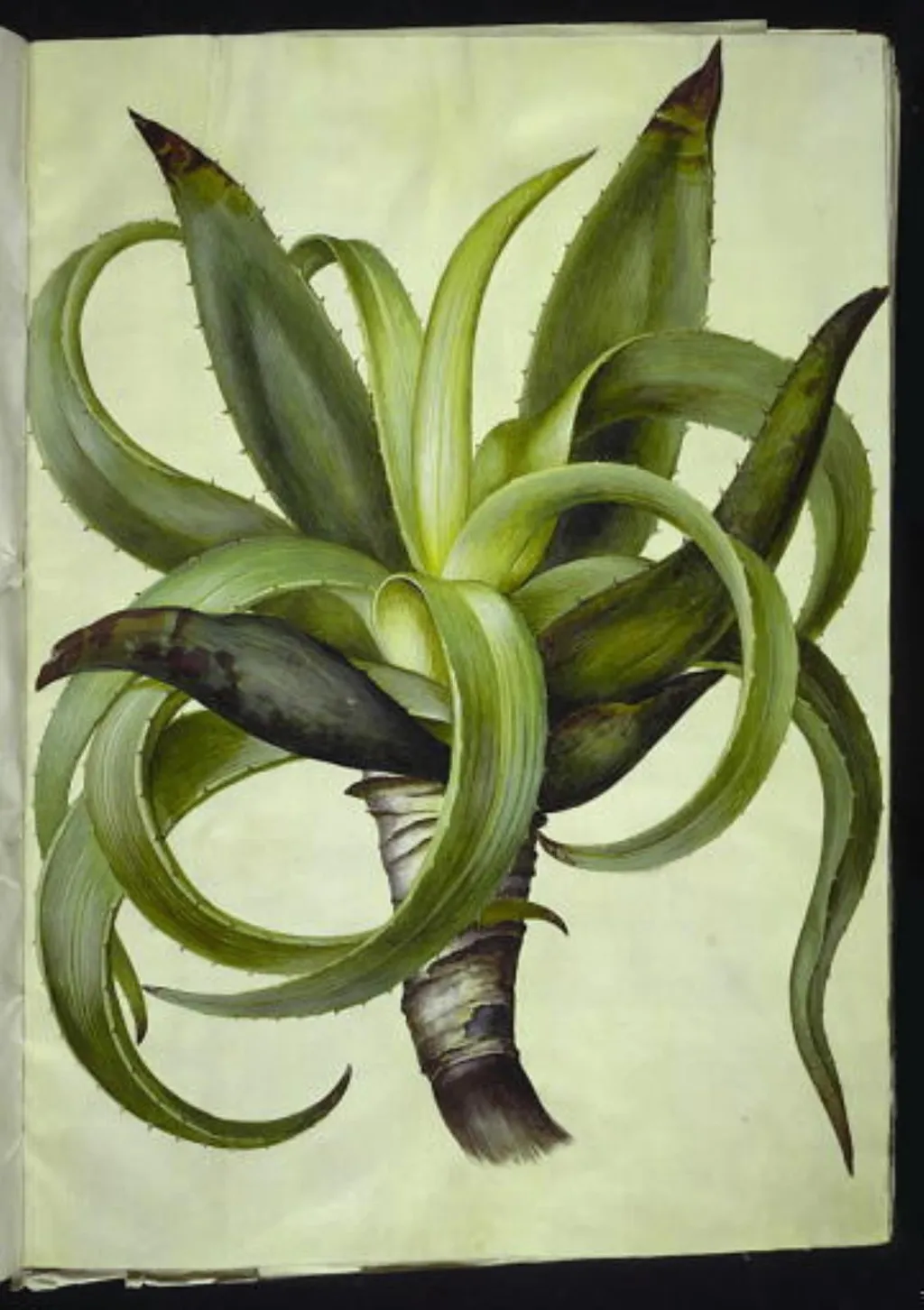
Aloe (aloe) is an unspecified work on paper by Unknown. It dates from 1654 and is held in the collection of the Statens Museum for Kunst. Created around 1654, this watercolor depicts a single aloe plant with careful attention to its botanical structure.
About this work
Overview
Created around 1654, this watercolor depicts a single aloe plant with careful attention to its botanical structure. The work is held in the collection of the Museum of Ethnography. Rendered in delicate, layered washes, the painting emphasizes the plant’s form without embellishment, reflecting a tradition of observational naturalism common in early scientific illustration.
Subject & Meaning
The aloe plant is portrayed in isolation, its thick, arching leaves rendered with precision. No symbolic or cultural context is overtly present; the focus remains on the organism itself. This suggests an intent to document rather than idealize, aligning with emerging practices in natural history that valued accurate representation over decorative flourish.
Technique & Style
The artist employed translucent watercolor to capture subtle variations in leaf tone, from pale green to muted brown at the tips. Soft, controlled strokes model the plant’s texture and curvature, suggesting volume without heavy outline. The plain, light background enhances clarity, allowing the viewer’s attention to remain fixed on the plant’s natural contours and spatial presence.
History & Provenance
The work is attributed to an artist identified as 35199_person, though little else is known about their background. It entered the Museum of Ethnography’s collection through documented acquisitions in the 19th century, likely as part of a broader effort to compile visual records of flora from colonial and trade networks.
Context
In mid-17th-century Europe, detailed plant studies were increasingly valued by scholars and collectors interested in botany and medicinal resources. The aloe, known for its healing properties, was frequently illustrated in herbals and travel accounts. This painting fits within that tradition, serving as a quiet record of a plant encountered through global exchange.
Legacy
Though not widely exhibited, the work remains a representative example of early scientific watercolor. Its restrained aesthetic and botanical fidelity offer insight into pre-modern methods of visual documentation. It continues to inform studies of how natural specimens were observed, recorded, and preserved in pre-photographic eras.
Artist & collection

 Domestic Scene
 Giacomo and Cardinal Marco, investing Andrea, Abbot of San Zeno, with his Benefice
 The Nymph of Fontainebleau
 Portrait of a Woman
 Madonna and Child with Saints in the Enclosed Garden
 Venus and Minerva
 Family Group of Four on Sofa
 Wall painting from Room H of the Villa of P. Fannius Synistor at Boscoreale
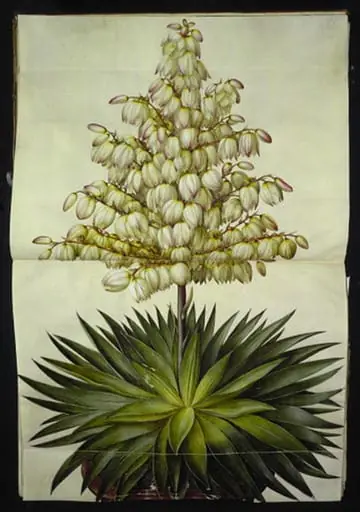 Yucca gloriosa (pragt-palmelilje)
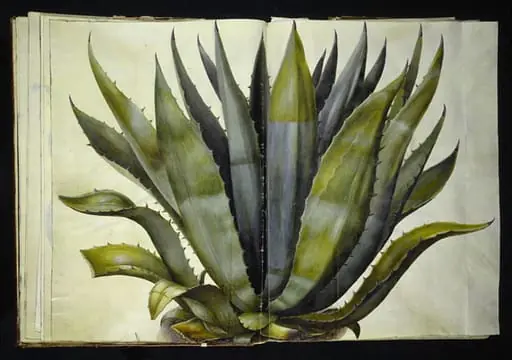 Agave americana (almindelig agave)
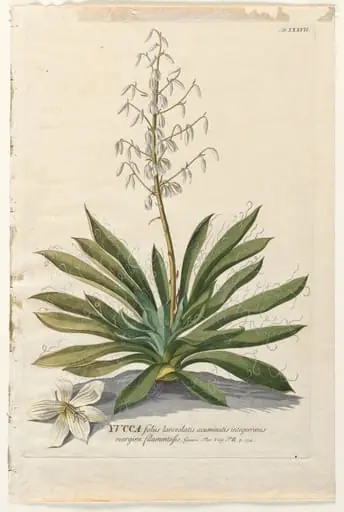 Plantae Selectae: No. 37 - Yucca
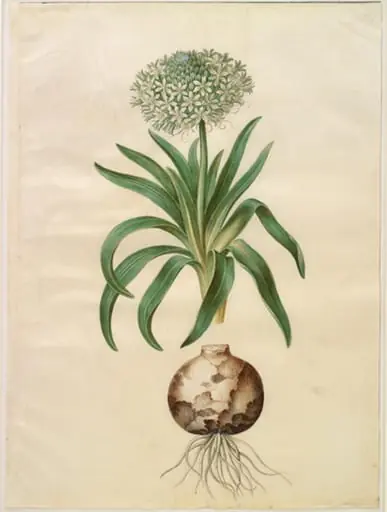 Scilla peruviana (kæmpe-skilla)
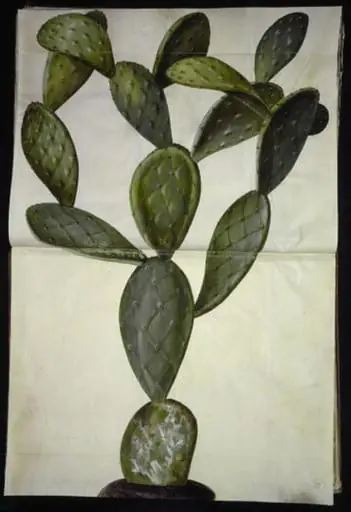 Opuntia monacantha (entornet figenkaktus)
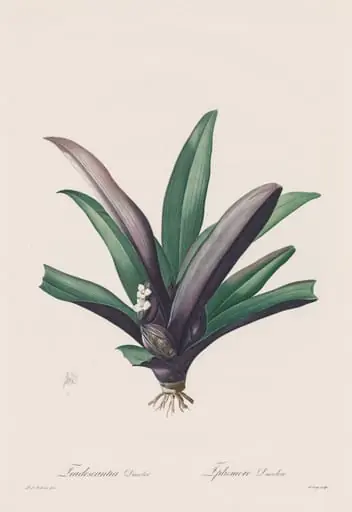 Les Liliacées: Tradescantia discolor
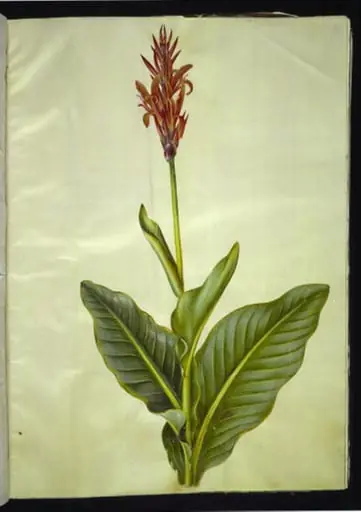 Canna indica (spiselig kanna)
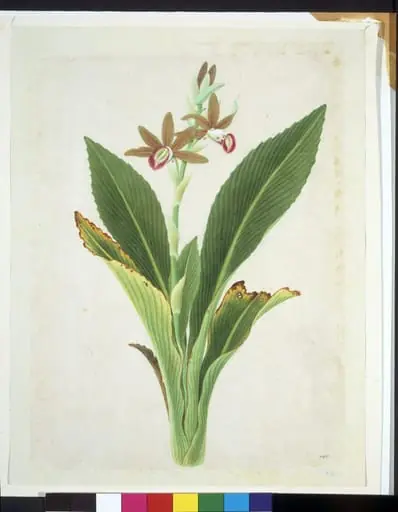 Nun Orchid
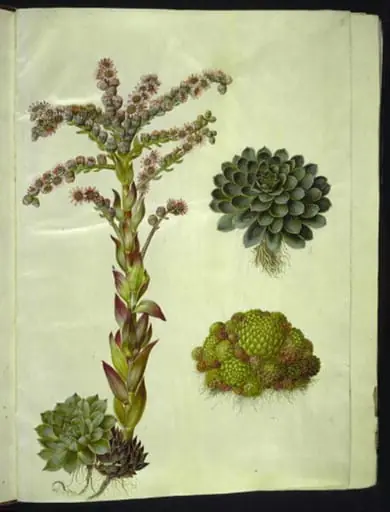 Sempervivum tectorum (almindelig husløg); Sempervivum montanum (bjerg-husløg)
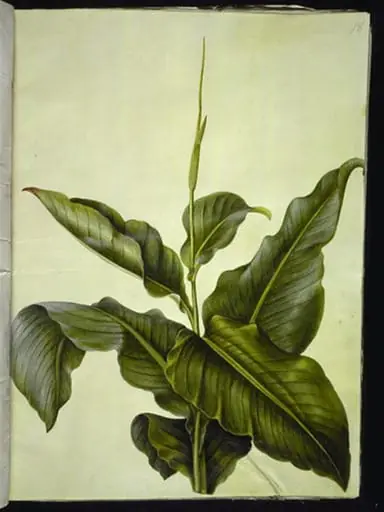 Canna (kanna)