Artwork
Cercis siliquastrum (almindelig judastræ)
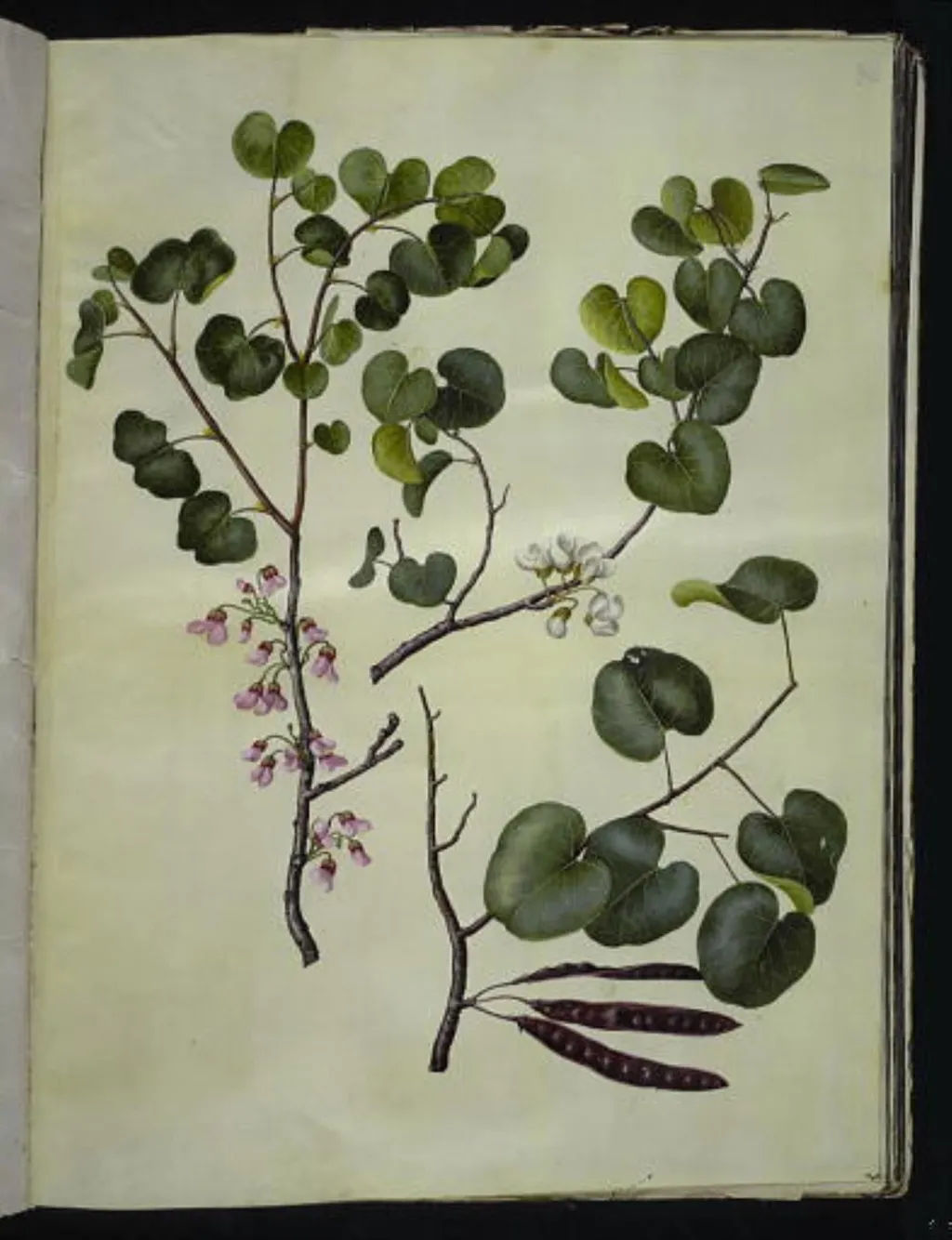
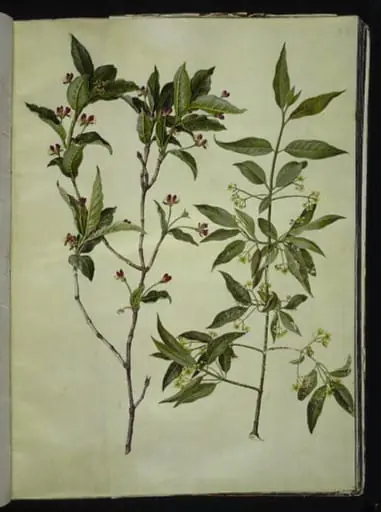
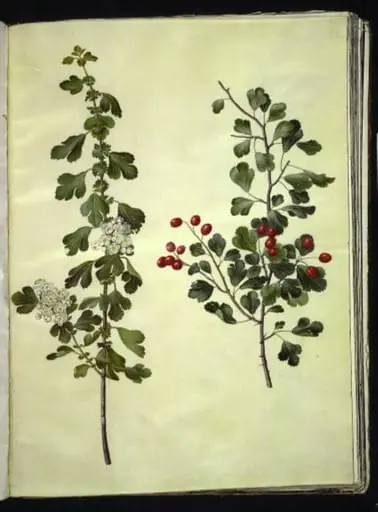
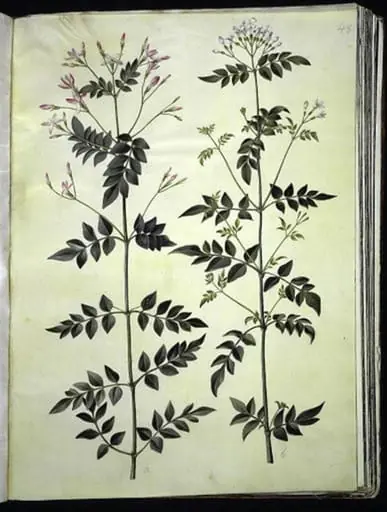
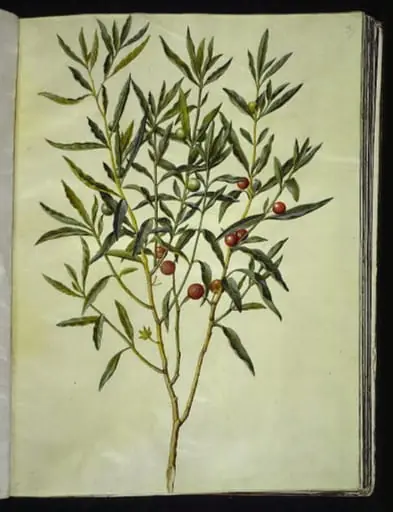
Cercis siliquastrum (almindelig judastræ) is an unspecified work on paper by Unknown. It dates from 1654 and is held in the collection of the Statens Museum for Kunst. This watercolor painting, dated around 1654, depicts a single branch of Cercis siliquastrum, commonly known as the Judas tree.
About this work
Overview
This watercolor painting, dated around 1654, depicts a single branch of Cercis siliquastrum, commonly known as the Judas tree. Created by an artist identified as 35199_person, the work is part of the collection at the Museum of Ethnography. Rendered with precision, the image isolates the plant against a pale, unobtrusive background to emphasize botanical accuracy over decorative composition.
Subject & Meaning
The absence of context or human presence implies a scientific intent, likely for documentation rather than symbolic or narrative expression.
The painting focuses on the reproductive structures of the Judas tree: small pink flowers, round green leaves with subtle yellow tones, and elongated dark seed pods. These elements reflect the tree’s seasonal cycle, suggesting observation made during spring or early summer. The absence of context or human presence implies a scientific intent, likely for documentation rather than symbolic or narrative expression.
Technique & Style
The artist employed watercolor to render fine details with layered washes, capturing the texture of leaves and the translucency of petals. Delicate gradations of color suggest natural light and volume without shading or outline. The technique prioritizes fidelity to form, using transparent layers to build depth and realism, typical of early modern botanical illustration aimed at scientific clarity.
History & Provenance
The work was created in the mid-seventeenth century and entered the collection of the Museum of Ethnography, though its original purpose and patron remain undocumented. Its survival suggests it was valued for its precision, possibly used in educational or archival contexts. The attribution to 35199_person reflects institutional cataloging rather than known historical authorship.
Context
During the 1600s, detailed plant studies flourished alongside expanding European botanical exploration. This painting aligns with a tradition of observational art used in herbaria and natural history collections. While not part of a published volume, its style reflects the influence of contemporary scientific illustrators who sought to record flora with minimal artistic embellishment.
Legacy
The painting endures as an example of pre-modern botanical documentation, valued for its technical restraint and attention to natural detail. It contributes to the historical record of how plants were visually studied before photography. Its presence in a museum of ethnography hints at broader cultural interest in plant forms, possibly linked to trade, medicine, or colonial exchange.
Artist & collection

 Domestic Scene
 Giacomo and Cardinal Marco, investing Andrea, Abbot of San Zeno, with his Benefice
 The Nymph of Fontainebleau
 Portrait of a Woman
 Madonna and Child with Saints in the Enclosed Garden
 Venus and Minerva
 Family Group of Four on Sofa
 Wall painting from Room H of the Villa of P. Fannius Synistor at Boscoreale