Artwork
Lilium martagon (krans-lilje); Lilium pyrenaicum (pyrenæisk lilje)
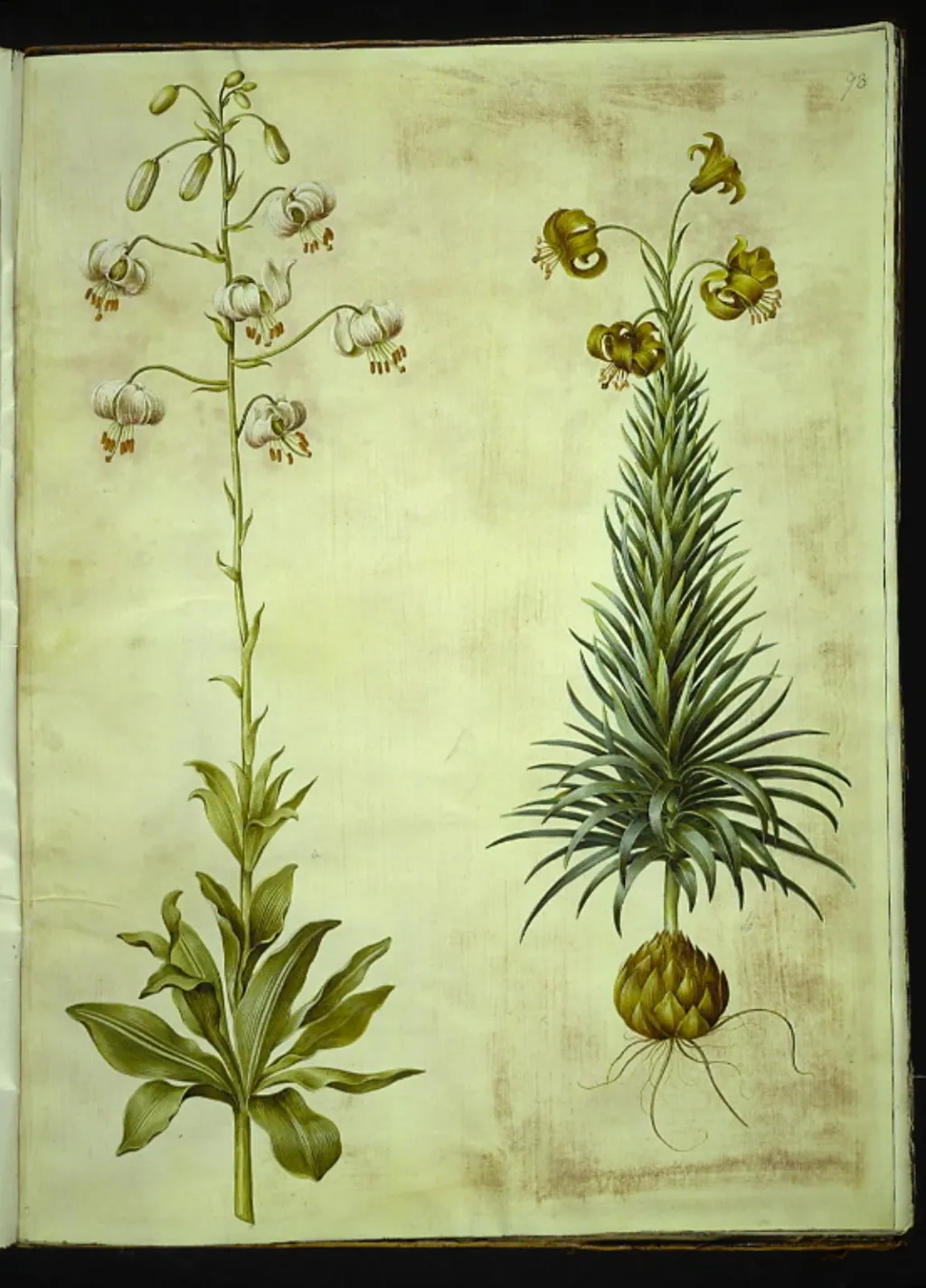
Lilium martagon (krans-lilje); Lilium pyrenaicum (pyrenæisk lilje) is an unspecified work on paper by Unknown. It dates from 1654 and is held in the collection of the Statens Museum for Kunst. This botanical illustration, dated around 1654, depicts two distinct lily species: Lilium martagon and Lilium pyrenaicum.
About this work
Overview
This botanical illustration, dated around 1654, depicts two distinct lily species: Lilium martagon and Lilium pyrenaicum. Rendered in precise detail on paper, the work was likely intended for scientific documentation rather than decorative display. It is currently held in the collection of the Museum of Ethnography, where it serves as a record of early modern plant observation.
Subject & Meaning
One features white, reflexed petals and slender foliage; the other, yellow blooms with recurved tips and basal spiky leaves.
The painting presents two European lily species side by side, emphasizing their morphological differences. One features white, reflexed petals and slender foliage; the other, yellow blooms with recurved tips and basal spiky leaves. The composition avoids symbolic or ornamental context, focusing instead on taxonomic clarity, suggesting its use in botanical study or classification during the 17th century.
Technique & Style
The artist employed fine brushwork to capture minute anatomical features: leaf venation, petal curvature, and stem texture. Painted against a neutral, light background, the plants appear isolated to enhance observational accuracy. The use of watercolor allowed for subtle gradations, with layers applied to suggest volume and natural variation in color, reflecting a method grounded in empirical study.
History & Provenance
Created circa 1654, the work is attributed to an unnamed artist identified only by a catalog number. Its presence in the Museum of Ethnography indicates it was likely acquired as part of a broader collection of natural history materials, possibly linked to early scientific expeditions or private cabinets of curiosities. Its preservation suggests enduring value as a specimen of early botanical illustration.
Context
In mid-17th century Europe, detailed plant illustrations were vital to the emerging field of botany. As herbaria and botanical gardens expanded, accurate visual records became essential for identification and exchange among scholars. This work aligns with a tradition of scientific imagery that prioritized fidelity over aesthetics, supporting the systematic classification of flora during the Scientific Revolution.
Legacy
Though unsigned and uncelebrated in its time, the illustration remains a quiet testament to the rigor of pre-modern naturalists. Its inclusion in a museum of ethnography underscores how botanical knowledge was intertwined with global exploration and cultural documentation. Today, it offers insight into the visual practices that underpinned early scientific inquiry.
Artist & collection

 Domestic Scene
 Giacomo and Cardinal Marco, investing Andrea, Abbot of San Zeno, with his Benefice
 The Nymph of Fontainebleau
 Portrait of a Woman
 Madonna and Child with Saints in the Enclosed Garden
 Venus and Minerva
 Family Group of Four on Sofa
 Wall painting from Room H of the Villa of P. Fannius Synistor at Boscoreale
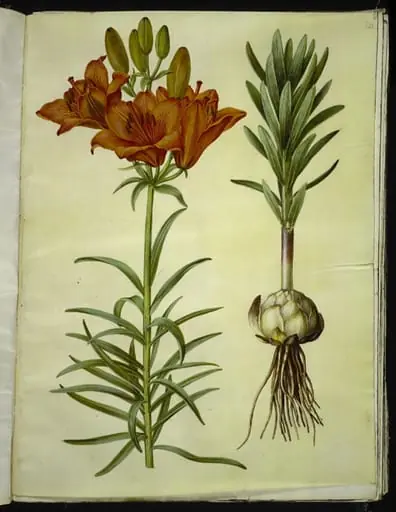 Lilium bulbiferum (brand-lilje)
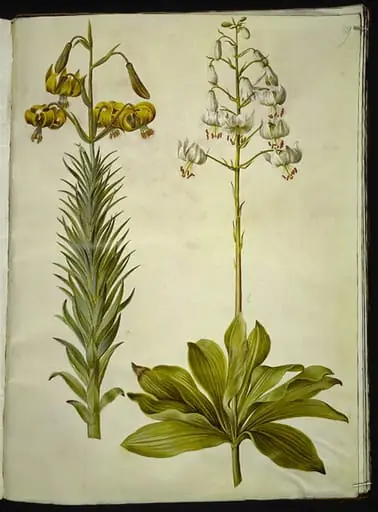 Lilium pyrenaicum (pyrenæisk lilje); Lilium martagon (krans-lilje)
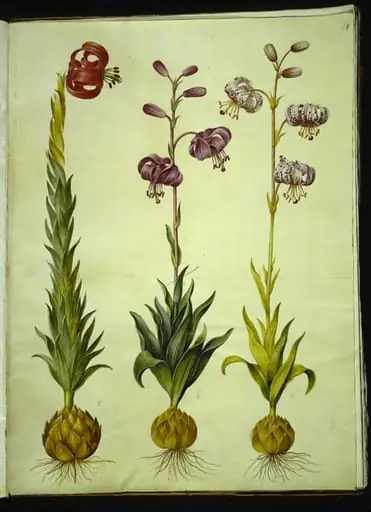 Lilium pomponium (pompon-lilje); Lilium martagon (krans-lilje)
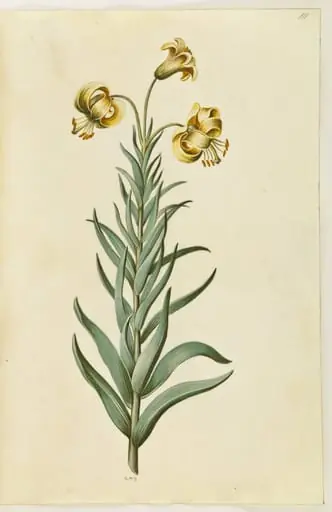 Lilium pyrenaicum (pyrenæisk lilje)
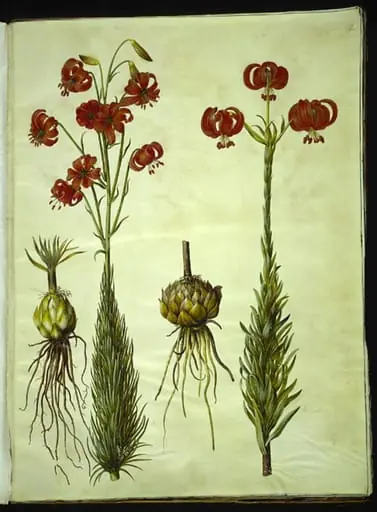 Lilium chalcedonicum (rød turbanlilje)
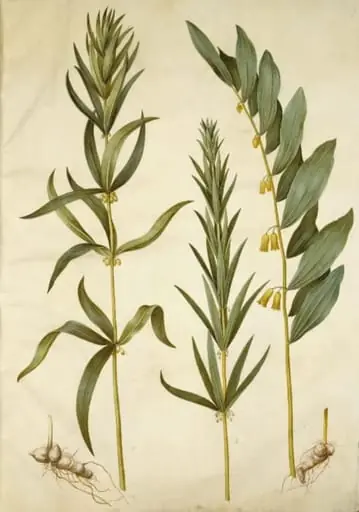 Polygonatum verticillatum (krans-konval); Polygonatum multiflorum (stor konval)
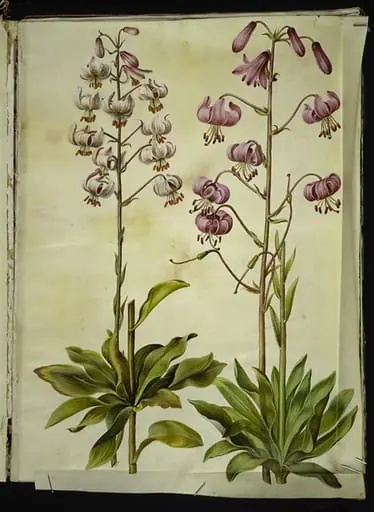 Lilium martagon (krans-lilje)
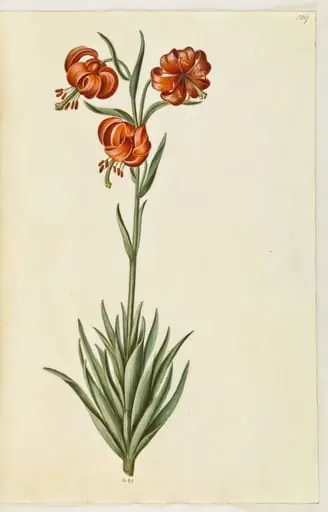 Lilium pomponium (pompon-lilje)
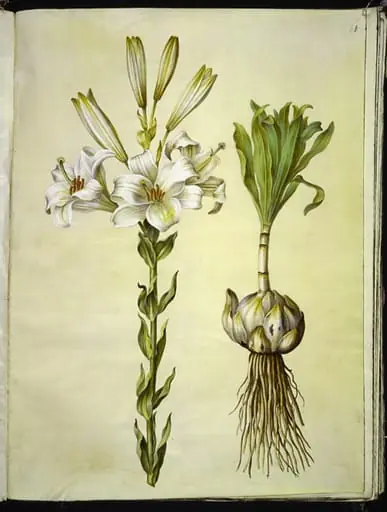 Lilium candidum (madonna-lilje)
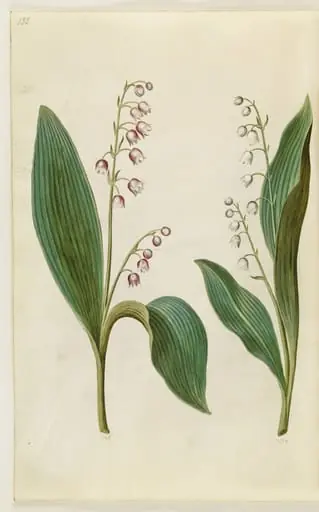 Convallaria majalis rosea (rød liljekonval); Convallaria majalis (liljekonval)
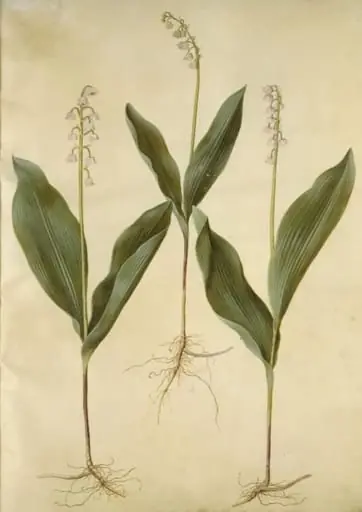 Convallaria majalis (liljekonval); Convallaria majalis (varietet af liljekonval)