Artwork
Solanum lycopersicum L. (almindelig tomat )
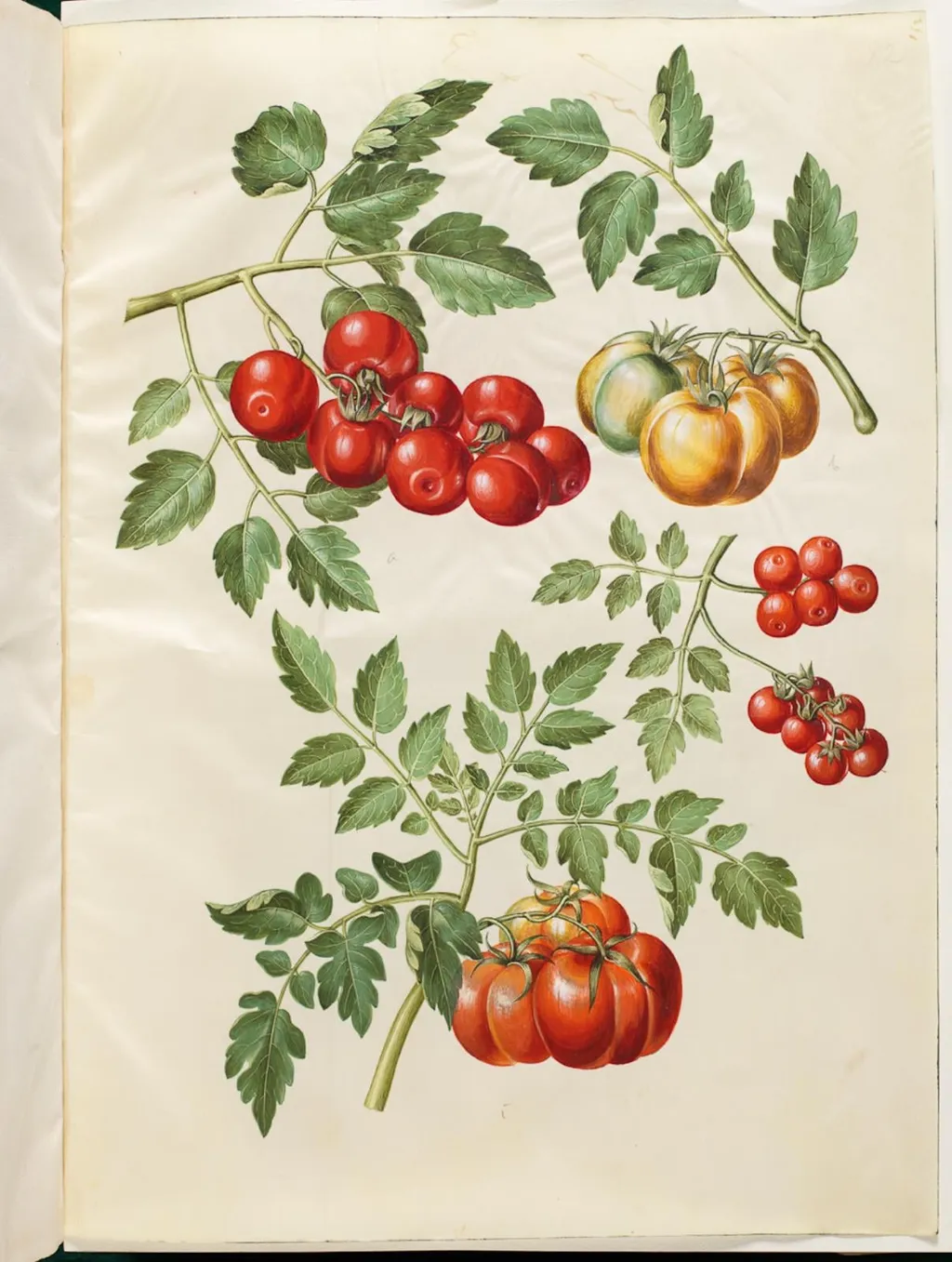
Solanum lycopersicum L. (almindelig tomat ) is an unspecified work on paper by Unknown. It dates from 1654 and is held in the collection of the Statens Museum for Kunst. This watercolor depiction of Solanum lycopersicum L.
About this work
Overview
, dated around 1654, is attributed to an unknown artist identified only by the catalog number 35199_person.
This watercolor depiction of Solanum lycopersicum L., dated around 1654, is attributed to an unknown artist identified only by the catalog number 35199_person. It resides in the collection of the Museum of Ethnography. The work presents a botanical study of the tomato plant, rendered with attention to naturalistic detail and color variation, reflecting early scientific interest in New World flora.
Subject & Meaning
The painting documents multiple stages and forms of the tomato fruit, from small, round specimens to larger, lightly striped ones. By isolating the plant against a neutral background, the artist emphasizes morphological diversity rather than symbolic or cultural context. This suggests a purpose rooted in classification, possibly for scholarly or horticultural use during a period of expanding European botanical knowledge.
Technique & Style
Executed in watercolor, the work employs thin, layered washes to capture the subtle gradations of color in the tomatoes and the translucent quality of the leaves. Delicate linework defines the slender stems and fine veins, while the absence of shadow or perspective reinforces a focus on accurate representation over atmospheric effect. The technique aligns with contemporary botanical illustration practices of the mid-17th century.
History & Provenance
The painting entered the Museum of Ethnography’s collection as part of a broader archive of early natural history illustrations. Its origin prior to institutional acquisition remains undocumented, though its style and date suggest it may have been produced in northern Europe, possibly for a private collector or academic institution interested in New World plants newly introduced to the continent.
Context
In the mid-1600s, tomatoes were still relatively new to European gardens and often regarded with suspicion as ornamental or potentially poisonous. This image reflects a growing scholarly effort to systematically observe and record such plants, contributing to the transition from folklore to empirical botany. The focus on variety signals an emerging interest in agricultural biodiversity.
Legacy
As a specimen of early scientific illustration, the work contributes to the historical record of how plants were visually documented before the advent of photography. It stands as a quiet testament to the meticulous observation that underpinned botanical science in the 17th century, preserving a moment when the tomato was being redefined from curiosity to cultivated crop.
Artist & collection

 Domestic Scene
 Giacomo and Cardinal Marco, investing Andrea, Abbot of San Zeno, with his Benefice
 The Nymph of Fontainebleau
 Portrait of a Woman
 Madonna and Child with Saints in the Enclosed Garden
 Venus and Minerva
 Family Group of Four on Sofa
 Wall painting from Room H of the Villa of P. Fannius Synistor at Boscoreale
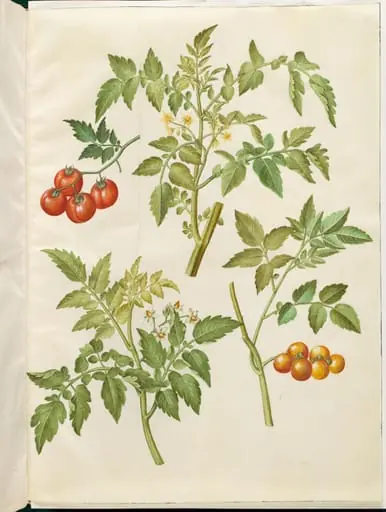 Solanum lycopersicum (almindelig tomat)
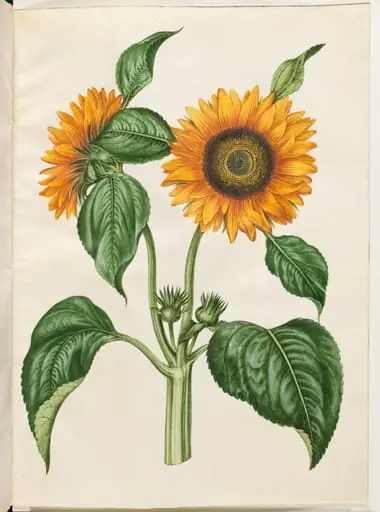 Helianthus annuus (almindelig solsikke)
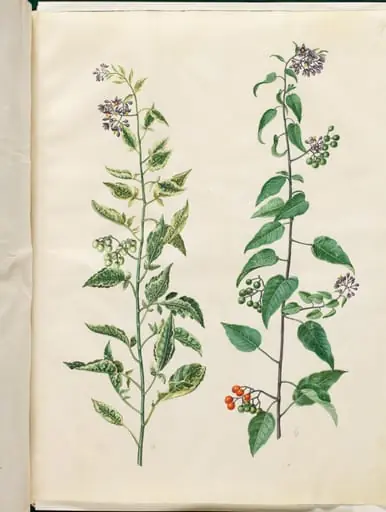 Solanum dulcamara (bittersød natskygge)
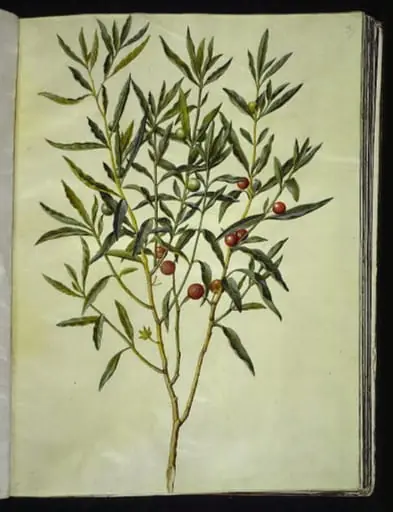 Solanum pseudocapsicum (jerusalem-koralbær)
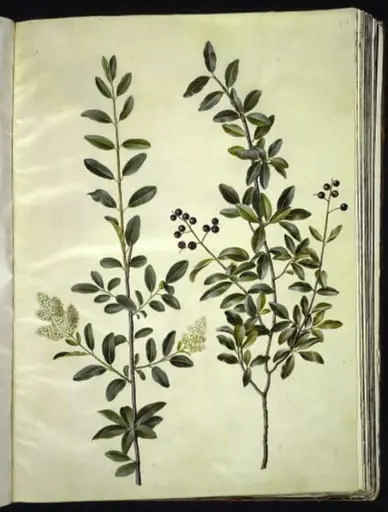 Ligustrum vulgare (almindelig liguster)
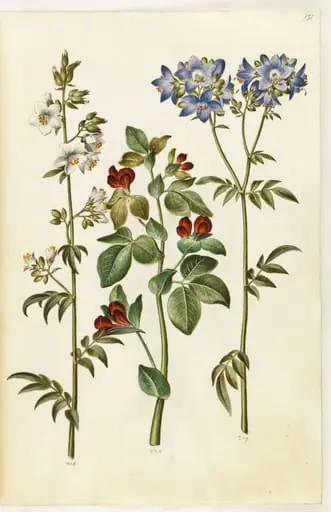 Polemonium caeruleum (almindelig jakobsstige); Lotus tetragonolobus (aspargesært)
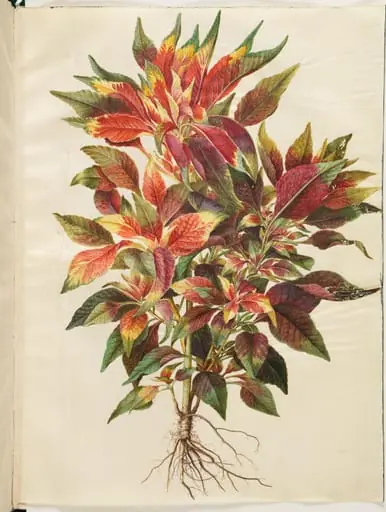 Amaranthus tricolor (papegøje-amarant)