Artwork
Portrait
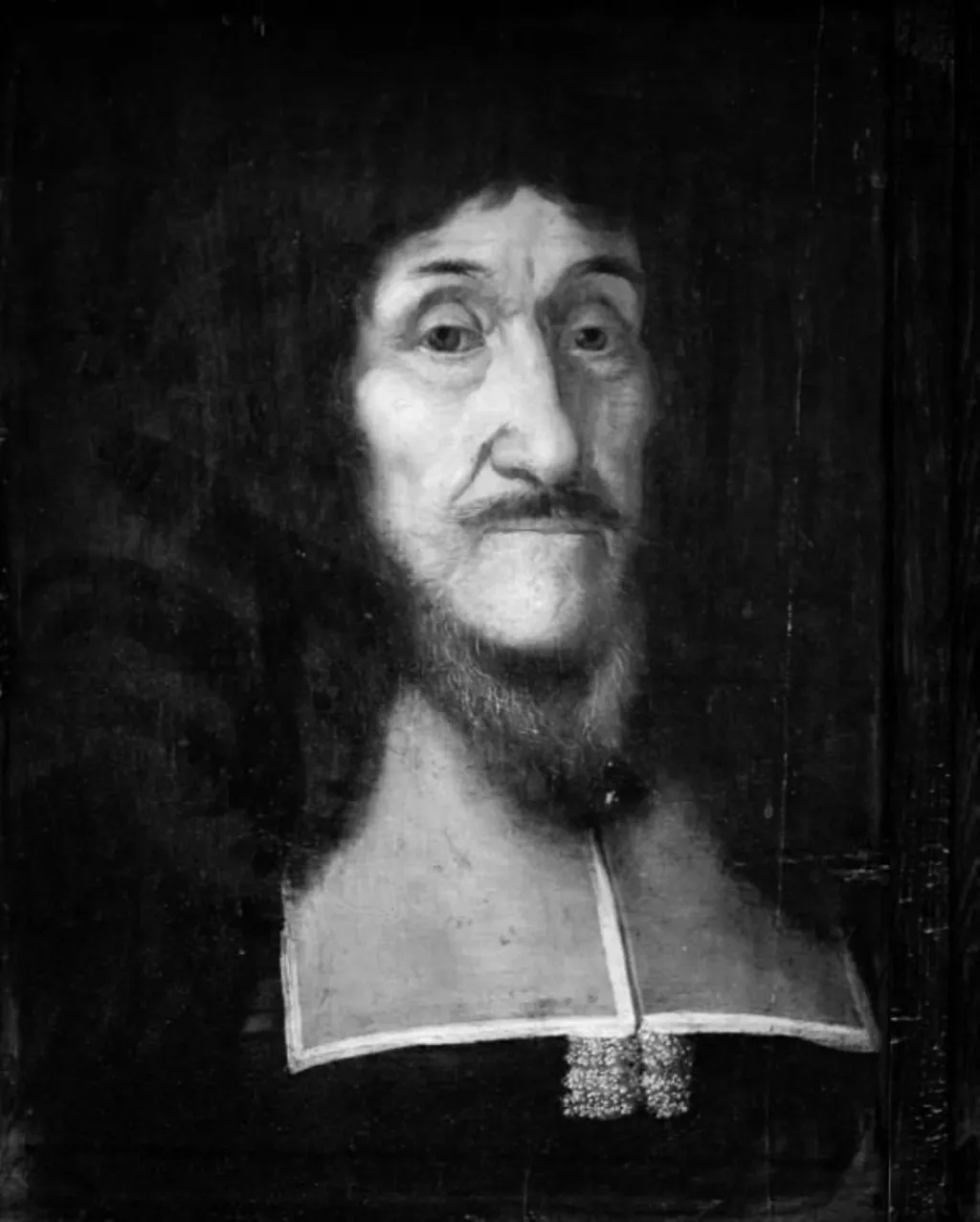
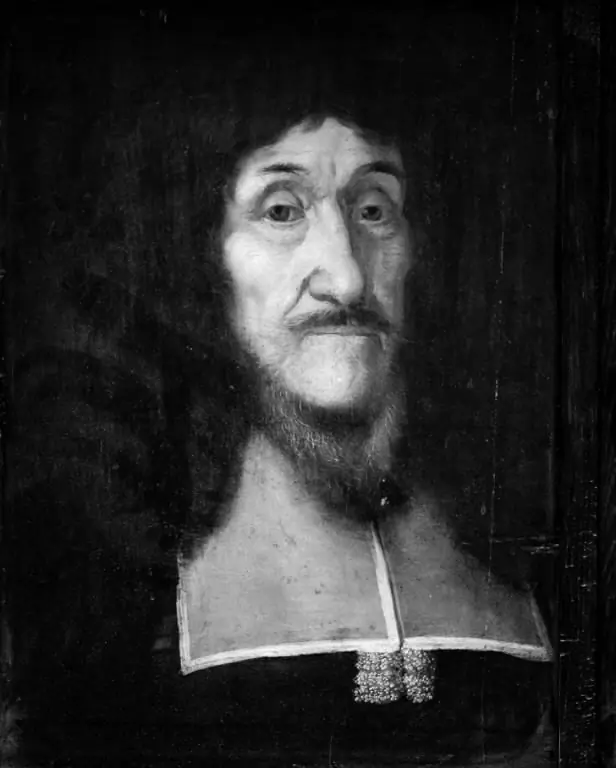
Portrait is an unspecified painting by Unknown. It dates from 1650 and is held in the collection of the Statens Museum for Kunst.
About this work
Overview
The work emphasizes facial expression and texture, suggesting a deliberate study of individual identity rather than a formal commission.
This portrait, dated around 1650, depicts a man with a full beard and mustache, rendered in oil on panel. It is part of the collection at the Museum of Ethnography. The composition focuses tightly on the upper torso and face, with no contextual elements beyond a dark, neutral background. The work emphasizes facial expression and texture, suggesting a deliberate study of individual identity rather than a formal commission.
Subject & Meaning
The subject is a man of mature age, his facial features marked by time and labor. The absence of identifying symbols or attire typical of nobility or profession implies a non-elite status. The direct gaze and detailed rendering suggest an intention to convey presence and character, possibly reflecting a cultural value placed on personal dignity, even outside aristocratic circles.
Technique & Style
The artist employs chiaroscuro to model the face with strong contrasts between light and shadow, giving the features a sculpted depth. The lace trim at the collar is rendered with fine brushwork, contrasting with the rougher texture of the beard. The dark background isolates the figure, heightening the focus on facial expression and the play of light across skin and fabric.
History & Provenance
The portrait entered the Museum of Ethnography’s collection in the early 20th century, though its earlier ownership remains undocumented. Its origin is likely regional, possibly from a community where portraiture served personal or familial commemoration rather than public display. No signatures or inscriptions have been identified on the work.
Context
Created during a period when portrait painting was expanding beyond elite patrons, this work reflects a broader trend of depicting ordinary individuals with psychological depth. Similar images appear in Northern European vernacular traditions, where modest means did not preclude attention to individual likeness and dignity in visual representation.
Legacy
The portrait contributes to scholarly understanding of non-elite visual culture in the 17th century. Its preservation highlights how everyday people were represented in art outside official or aristocratic contexts. It remains a quiet but significant example of how light, texture, and gaze could convey humanity without ornament or status markers.
Artist & collection

 Domestic Scene
 Giacomo and Cardinal Marco, investing Andrea, Abbot of San Zeno, with his Benefice
 The Nymph of Fontainebleau
 Portrait of a Woman
 Madonna and Child with Saints in the Enclosed Garden
 Venus and Minerva
 Family Group of Four on Sofa
 Wall painting from Room H of the Villa of P. Fannius Synistor at Boscoreale
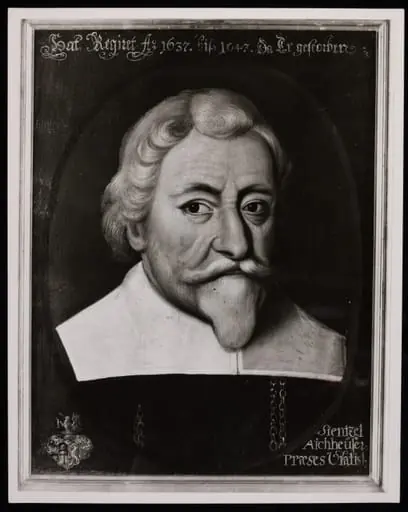 Aichhaüser, Stentzel
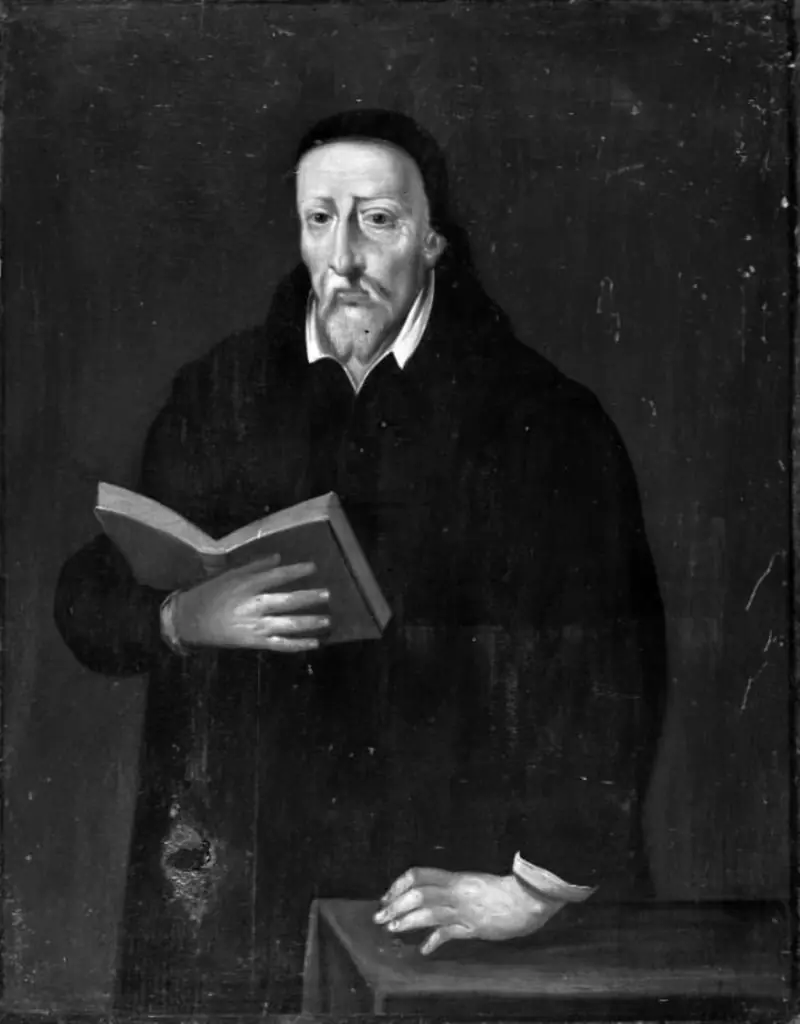 Hadrianus Junius
 Hadrianus Junius
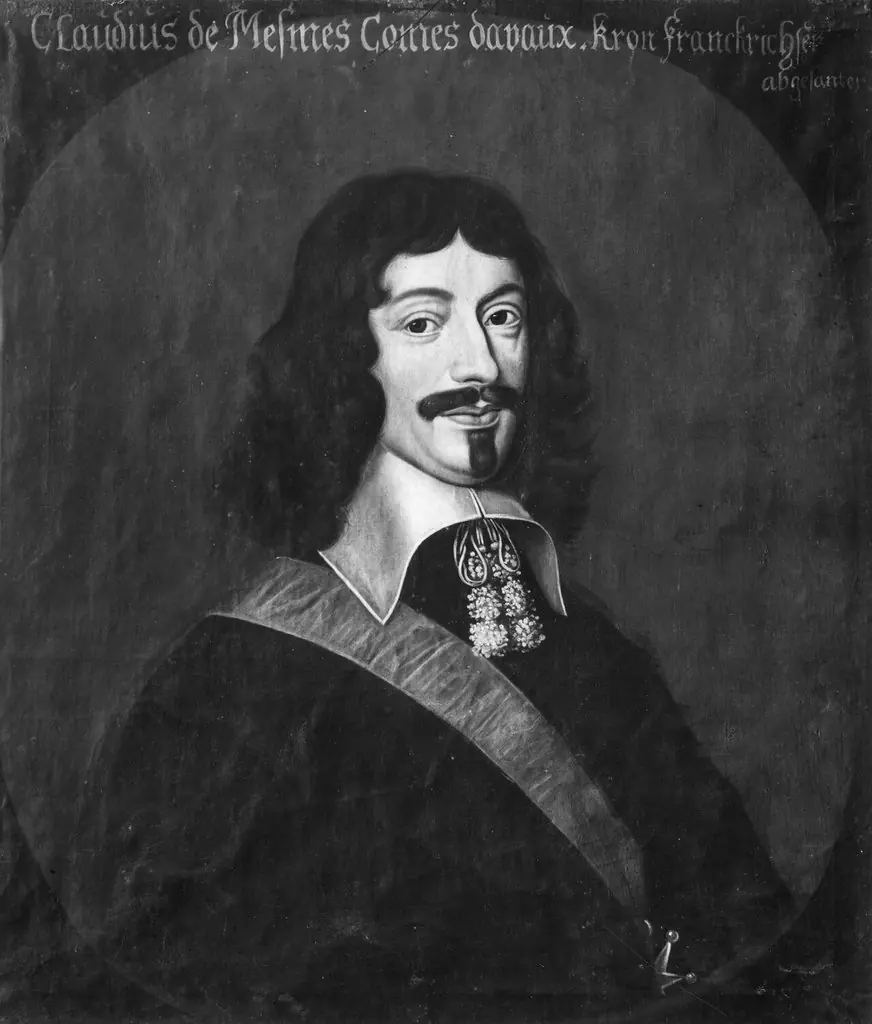 Claude de Mesmes d'Avaux, 1595-1650
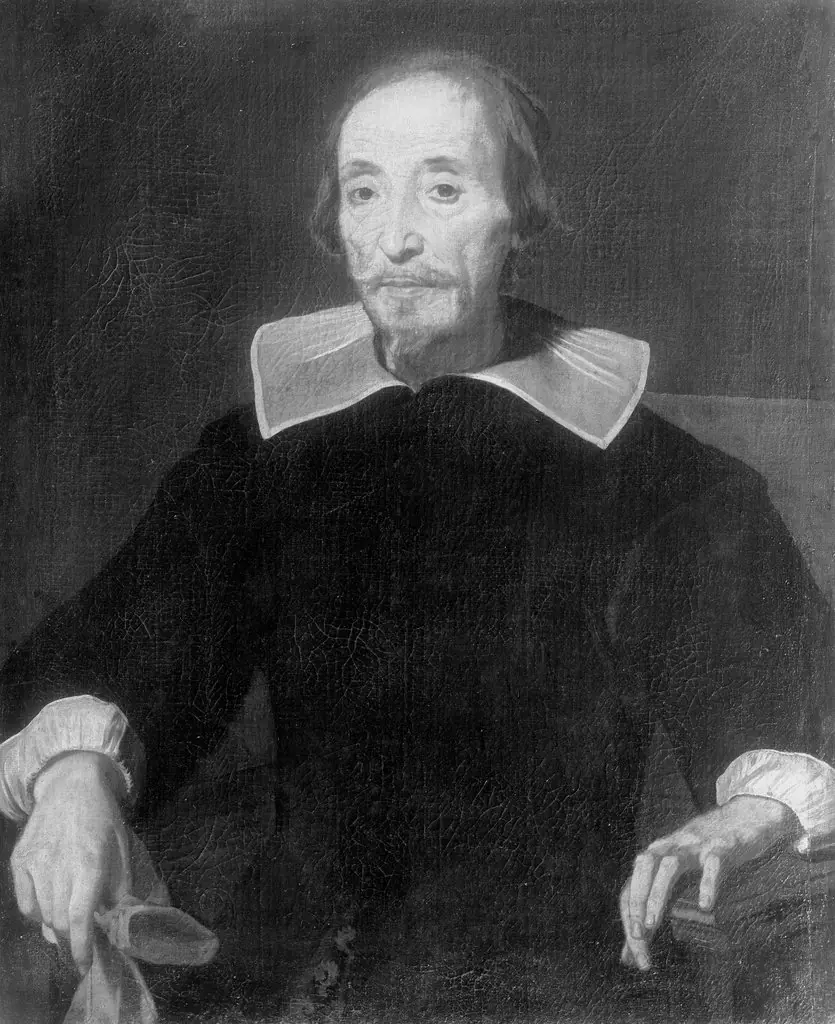 Portrait of an elderly man
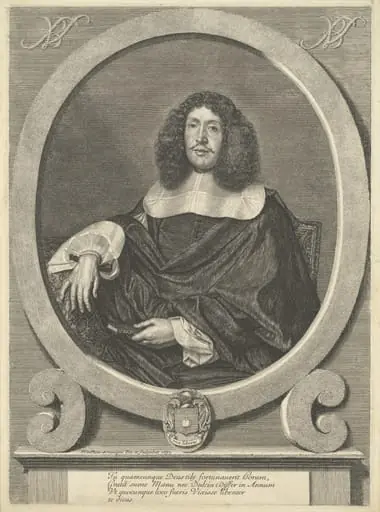 Vincent Barthélémy
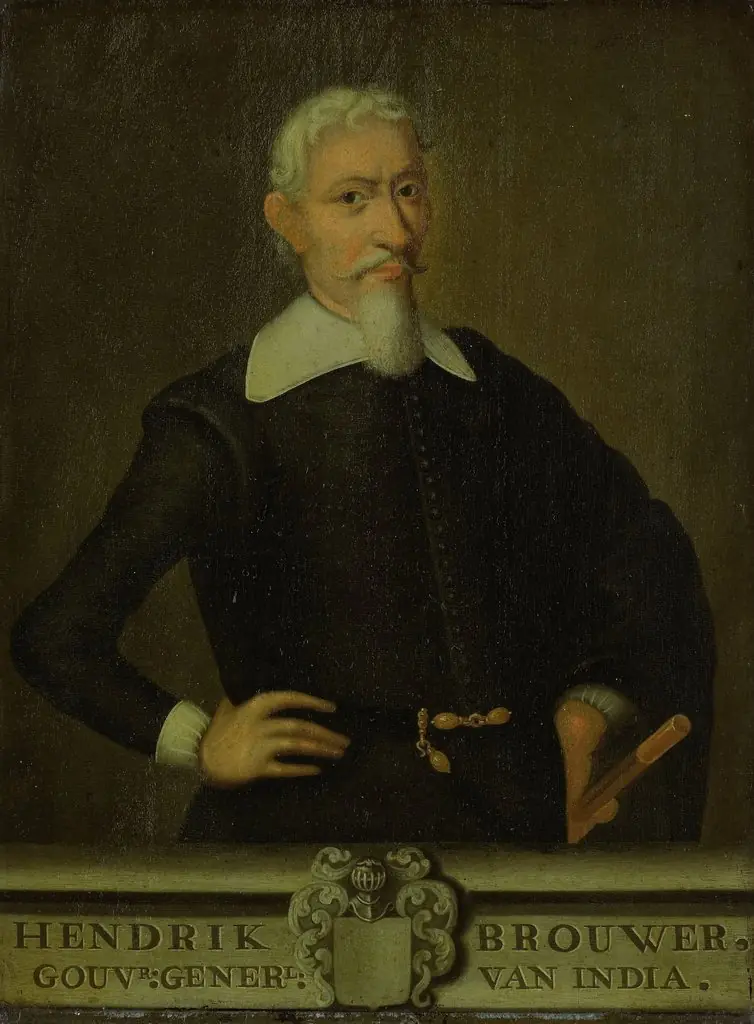 Copy after portrait of Hendrik Brouwer (1581-1643)
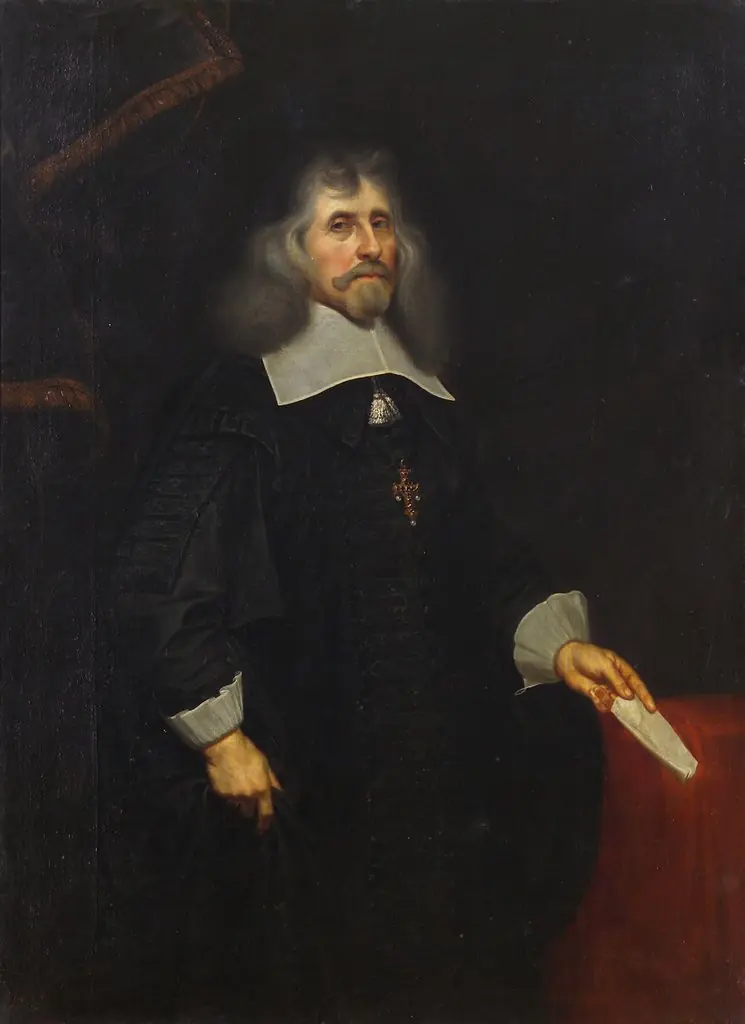 Portrait of Johann Philipp Schönborn, elector of Mainz
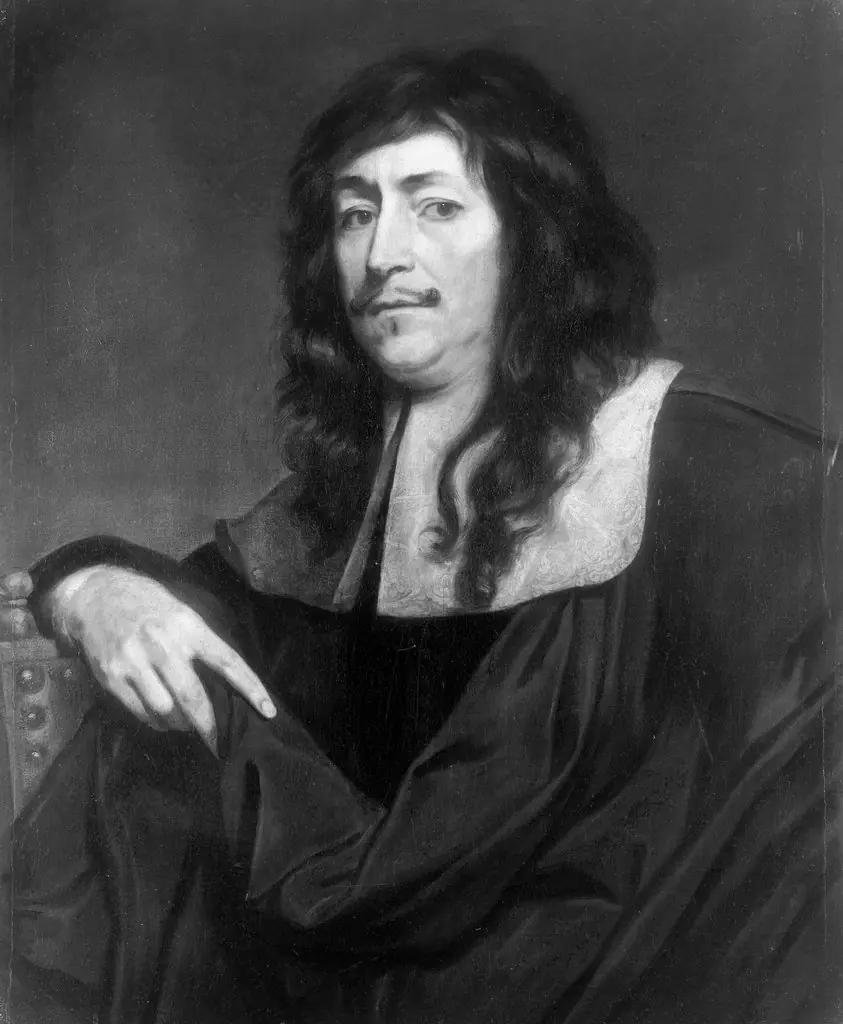 Portrait of a man
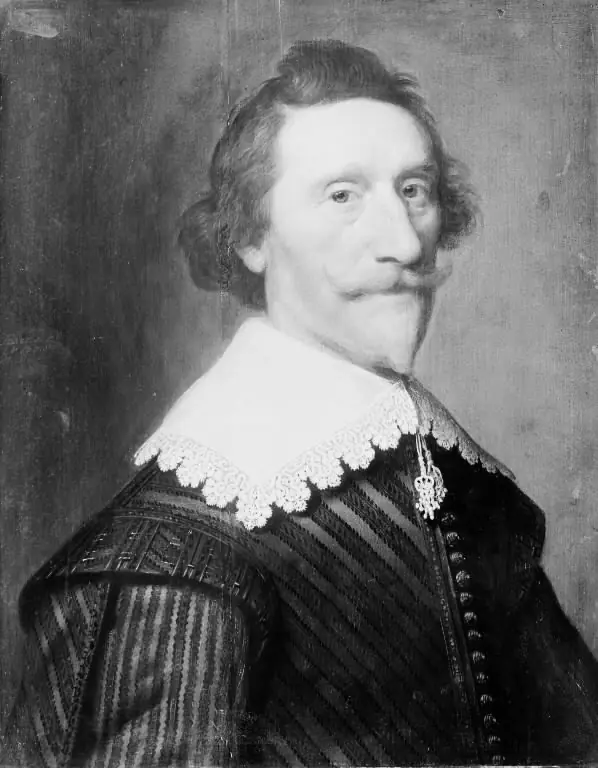 The Dutch Poet and Historian Pieter Cornelisz Hooft (1581-1647)
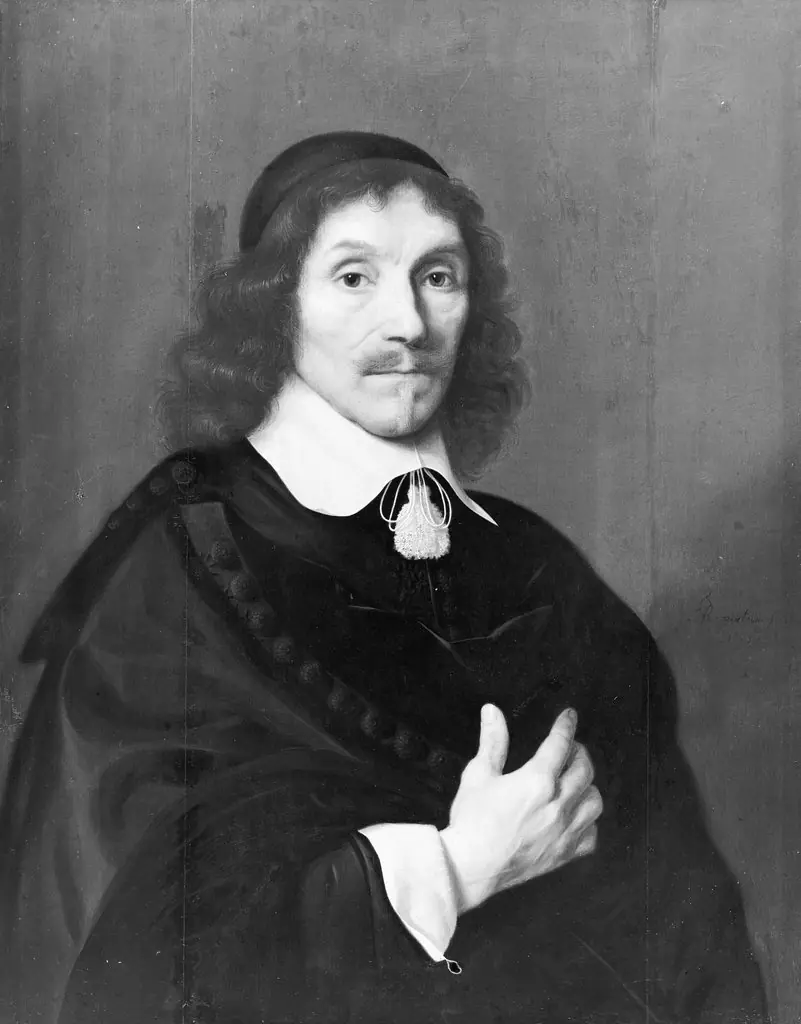 Man's portrait
 Portrait