Artwork
Hadrianus Junius
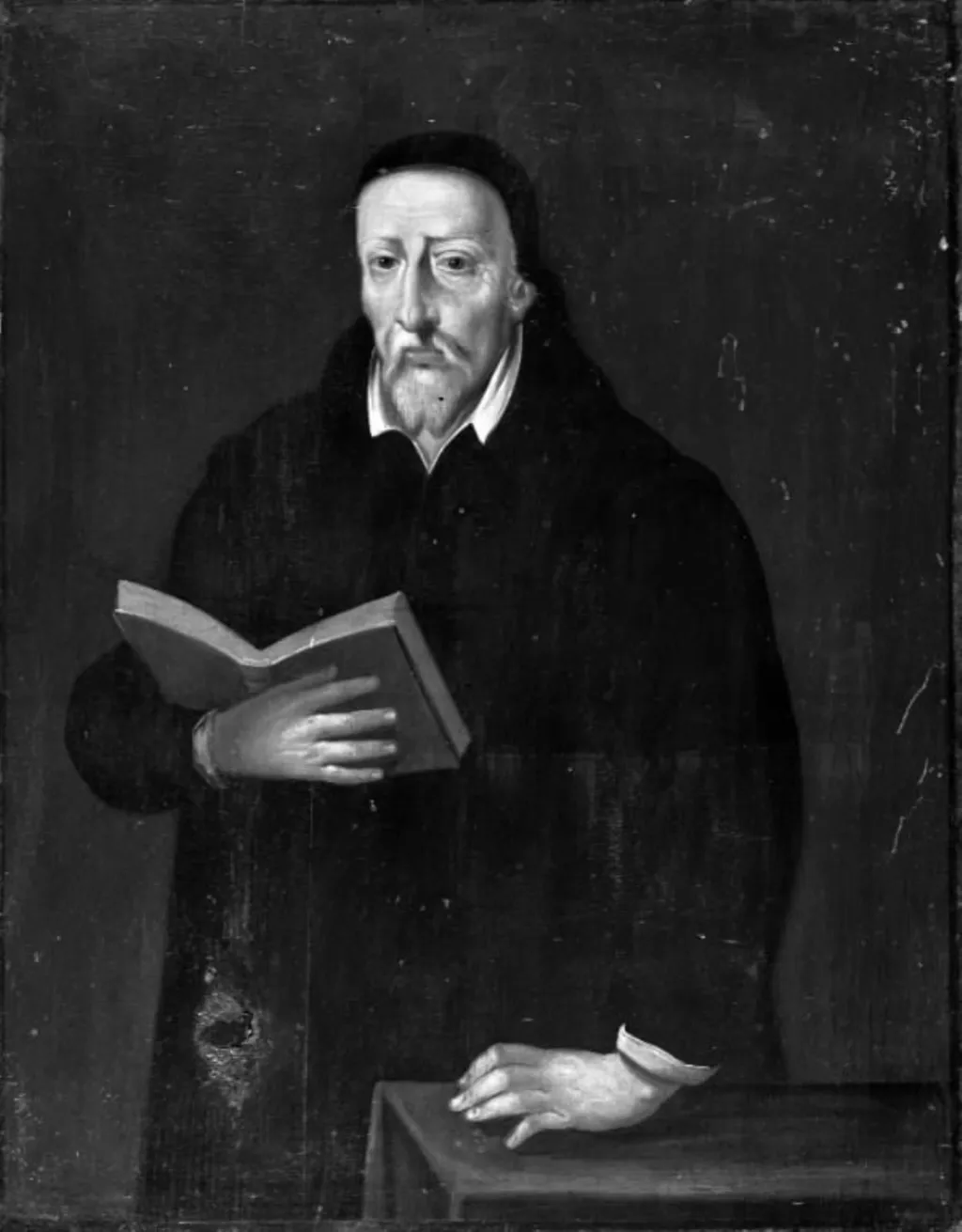
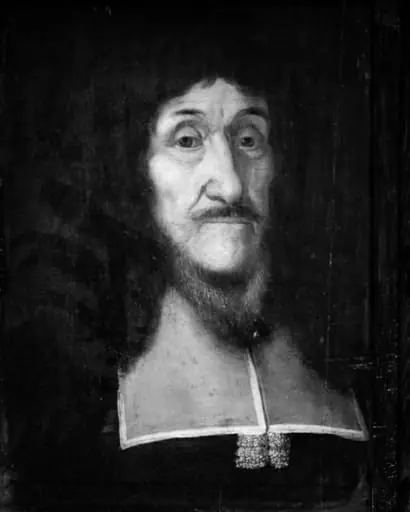
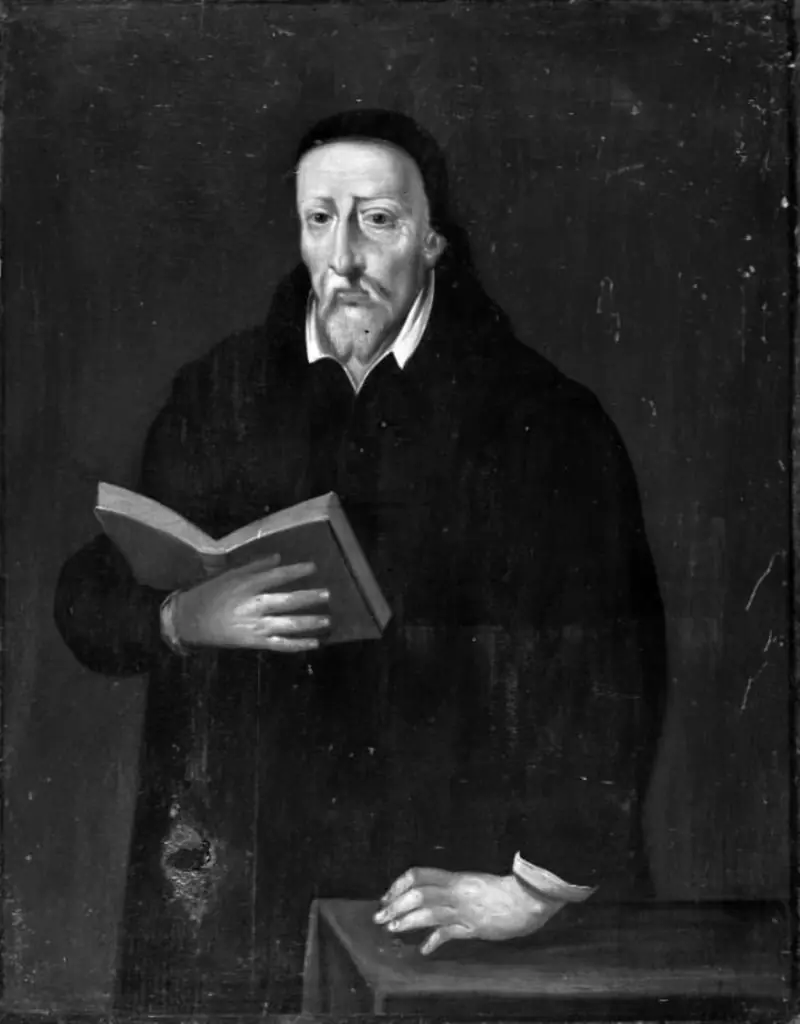
Hadrianus Junius is a photography by Unknown. It dates from 1750 and is held in the collection of the Statens Museum for Kunst.
About this work
Overview
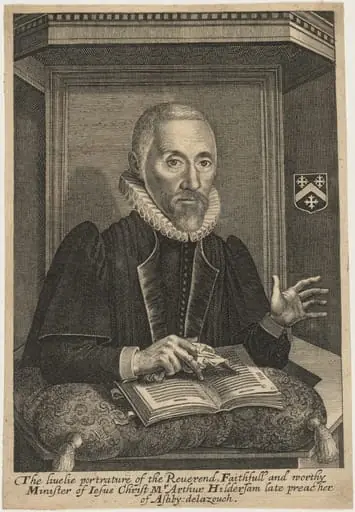
This black-and-white image depicts Hadrianus Junius, a 16th-century Dutch scholar, rendered in photographic form around 1750. Though visually resembling a painted portrait, it is a photograph, capturing the man in a moment of quiet concentration. The composition isolates him against a dark, unadorned background, emphasizing his presence through controlled lighting and minimal detail.
Subject & Meaning
Hadrianus Junius was a humanist, physician, and author known for his scholarly works on classical antiquity.
Hadrianus Junius was a humanist, physician, and author known for his scholarly works on classical antiquity. The image portrays him engaged with a book, a conventional symbol of intellectual pursuit. His serious expression and formal attire reflect the dignity associated with learned men of the early modern period, reinforcing his identity as a man of letters rather than a figure of public display.
Technique & Style
The photograph employs chiaroscuro to model the face and hands with dramatic contrast, enhancing three-dimensionality. Strong shadows define the contours of his beard and collar, while the book and ledge are rendered with subtle gradations. The technique mimics the tonal precision of engraved portraits, bridging the aesthetic traditions of print culture with the emerging medium of photography.
History & Provenance
Created circa 1750, the photograph likely served as a posthumous commemoration, as Junius died in 1575. It may have been produced from an earlier portrait or engraving, common practice when honoring historical figures before the widespread use of photography. The image is now held by the Museum of Ethnography, suggesting its role in documenting cultural and intellectual heritage.
Context
In the mid-18th century, photographic technology was in its infancy, yet images of historical figures were already being reproduced to reinforce cultural memory. This photograph reflects a growing interest in preserving the likenesses of scholars, aligning with Enlightenment ideals that valued knowledge and individual contribution to intellectual history.
Legacy
The image endures as a visual anchor for Junius’s scholarly identity, illustrating how early photography was used to extend the reach of historical figures beyond printed texts. Its adoption by an ethnographic institution underscores its value not merely as a portrait, but as a cultural artifact representing the transmission of learning across centuries.
Artist & collection

 Domestic Scene
 Giacomo and Cardinal Marco, investing Andrea, Abbot of San Zeno, with his Benefice
 The Nymph of Fontainebleau
 Portrait of a Woman
 Madonna and Child with Saints in the Enclosed Garden
 Venus and Minerva
 Family Group of Four on Sofa
 Wall painting from Room H of the Villa of P. Fannius Synistor at Boscoreale