Artwork
Portrait of a Man
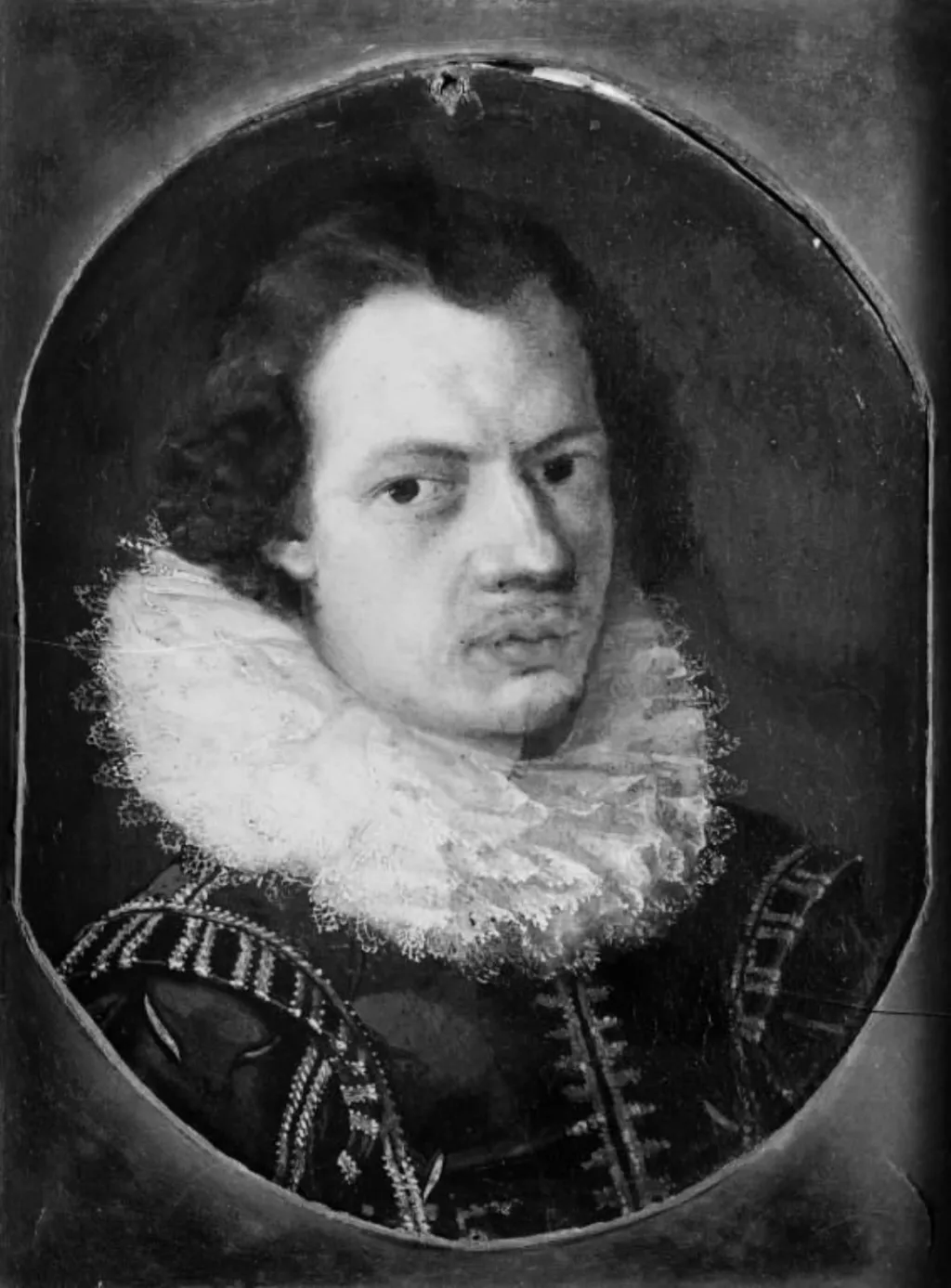
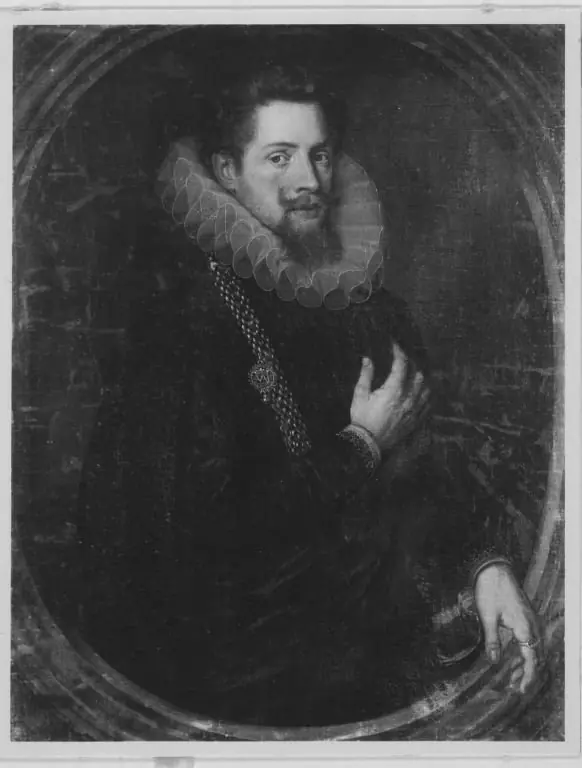
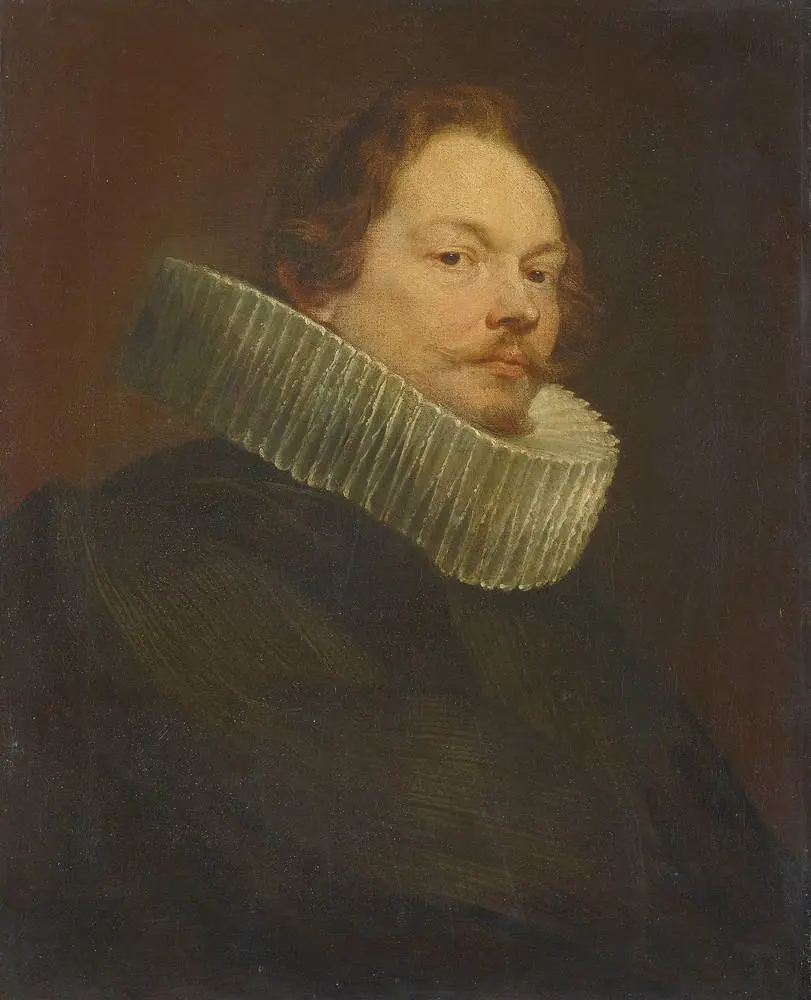
Portrait of a Man is an unspecified painting by Unknown. It dates from 1650 and is held in the collection of the Statens Museum for Kunst. This black-and-white portrait, dated around 1650, depicts a man in formal attire, rendered with subtle tonal gradations.
About this work
Overview
The subject is framed within an oval border, set against a neutral background that directs focus to his poised demeanor and finely detailed clothing.
This black-and-white portrait, dated around 1650, depicts a man in formal attire, rendered with subtle tonal gradations. Executed in a soft, blended style, it emphasizes quiet dignity over dramatic flair. The subject is framed within an oval border, set against a neutral background that directs focus to his poised demeanor and finely detailed clothing. The work is held in the collection of the Museum of Ethnography.
Subject & Meaning
The man’s serious expression and restrained posture suggest a figure of social standing, likely from a merchant or professional class. His high lace collar and patterned sleeves indicate wealth and attention to contemporary fashion. His hands resting on the frame’s edge imply self-possession, not confrontation. The absence of symbolic objects or elaborate settings points to an emphasis on personal presence rather than status markers.
Technique & Style
The artist employed delicate brushwork to model the face with smooth transitions between light and shadow, avoiding harsh lines. This soft blending, akin to sfumato, lends a lifelike subtlety to the skin and features. The dark jacket and lace collar are rendered with precise detail, contrasting with the muted background. The oval format enhances intimacy, drawing the viewer’s gaze inward toward the subject’s composed expression.
History & Provenance
The portrait entered the Museum of Ethnography’s collection in the early 20th century, though its prior ownership remains undocumented. Its origins are likely Dutch or Flemish, consistent with mid-17th-century portraiture practices. No signatures or inscriptions are visible, and the artist’s identity has not been conclusively established, leaving the work as an anonymous yet carefully executed example of its time.
Context
Created during a period when portraiture flourished in Northern Europe, this image reflects a shift toward individualized representation beyond aristocratic or religious themes. While grander portraits often included heraldry or landscapes, this intimate format suggests a private commission, possibly for domestic display. The emphasis on texture and quiet expression aligns with emerging middle-class tastes in the Dutch Republic.
Legacy
Though unsigned and unattributed, the portrait exemplifies the quiet realism valued in 17th-century Northern European art. Its preservation in an ethnographic museum highlights its value as a cultural artifact, offering insight into personal identity and dress of the era. It contributes to broader studies of non-noble portraiture, illustrating how everyday dignity was captured through restrained technique and composition.
Artist & collection

 Domestic Scene
 Giacomo and Cardinal Marco, investing Andrea, Abbot of San Zeno, with his Benefice
 The Nymph of Fontainebleau
 Portrait of a Woman
 Madonna and Child with Saints in the Enclosed Garden
 Venus and Minerva
 Family Group of Four on Sofa
 Wall painting from Room H of the Villa of P. Fannius Synistor at Boscoreale
 Portrait of a Man
 Portrait of Cornelis van Poelenburgh
 Portrait of Cornelis van Poelenburgh
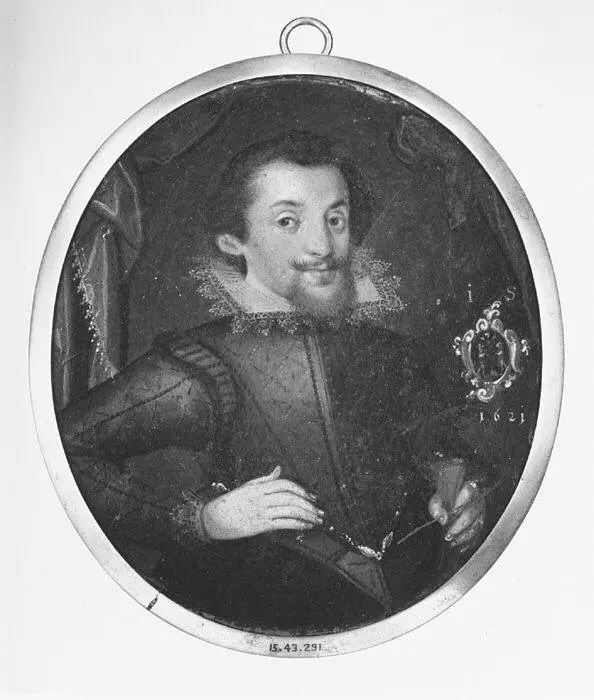 Portrait of a Man
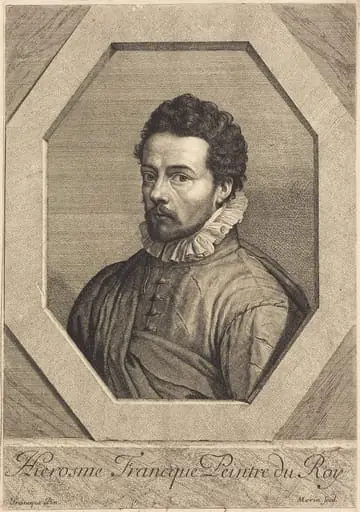 Jerome Franck
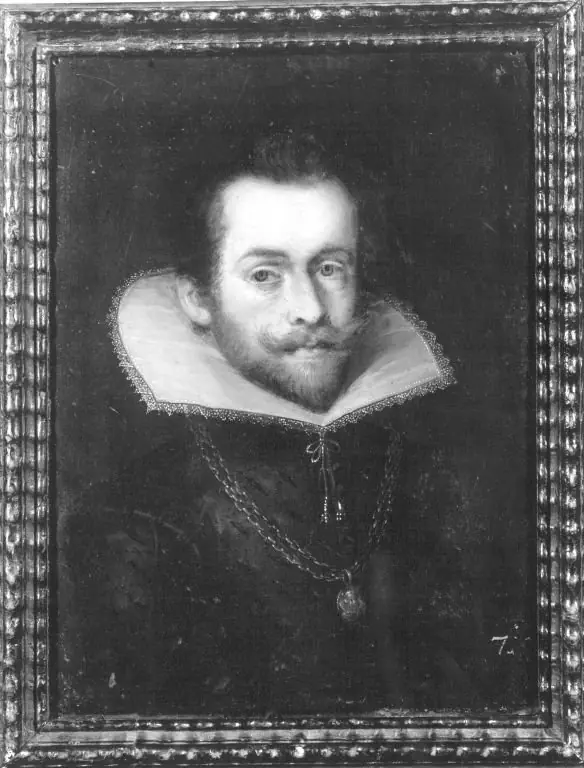 Bildnis eines Mannes (Wolfgang Wilhelm?)
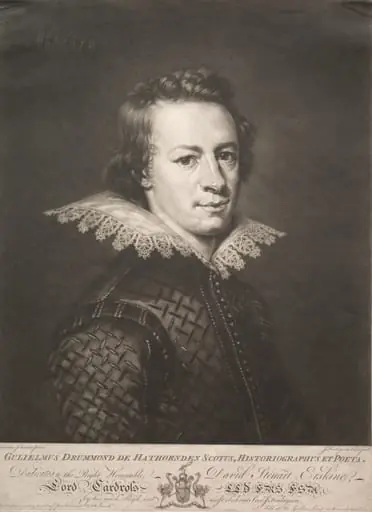 William Drummond of Hawthorndon
 Portrait of a man with a scar
 Portrait of Marqués de Mirabel
 Bildnis eines jungen Mannes
 Comte Anibal Altemps
 Portrait of a man (maybe Phillip Rubens)