Artwork
Bildnis eines jungen Mannes
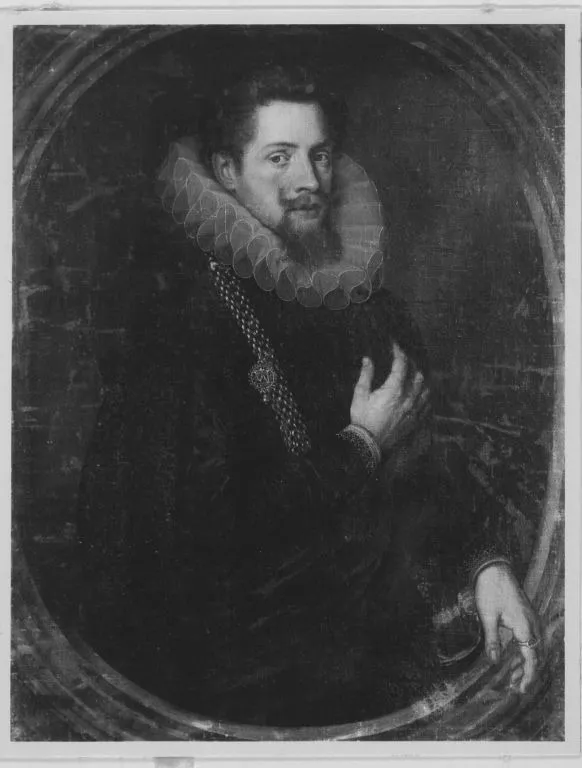
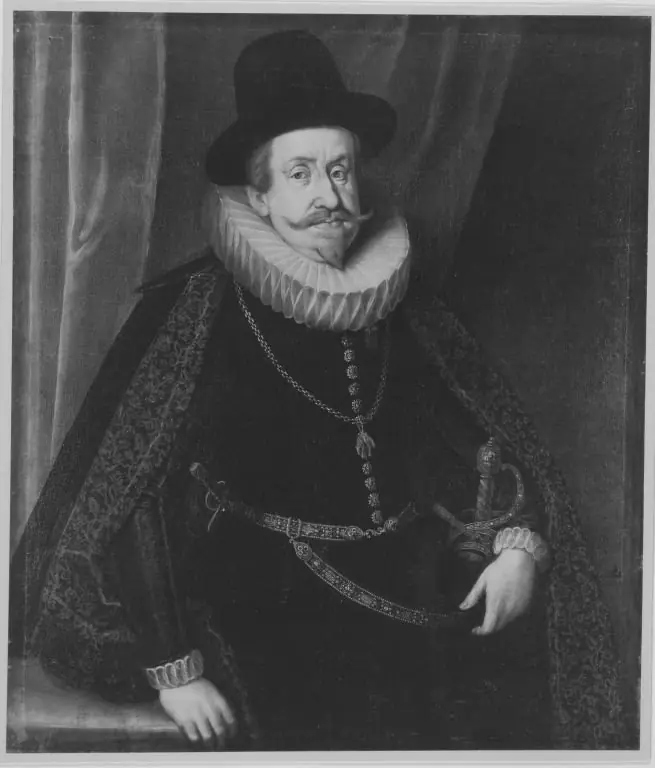
Bildnis eines jungen Mannes is an unspecified painting by the Early Baroque Italian artist Unknown. It dates from 1610 and is held in the collection of the Bavarian State Painting Collections. The work is a monochrome portrait depicting a young man with a dark beard, ruff collar, and a dark coat accented by a chain necklace.
About this work
Overview
The work is a monochrome portrait depicting a young man with a dark beard, ruff collar, and a dark coat accented by a chain necklace. He holds a glove in one hand, and the plain background isolates the figure. Light falls from one side, casting a pronounced shadow across his cheek, giving the composition a stark, focused presence.
Subject & Meaning
The sitter appears to be a gentleman of some standing, suggested by his attire—a ruff, fine coat, and ornamental chain. The solitary pose and direct gaze may convey confidence or introspection, while the limited setting invites viewers to consider the individual's identity through his dress and bearing rather than narrative context.
Technique & Style
The artist employs chiaroscuro, a method that exploits strong contrasts between illuminated and shadowed areas to model form. Side lighting defines the facial planes, while the dark background enhances the three‑dimensional effect. The limited palette and careful rendering of textures, such as the sheen of the chain and the softness of the beard, reflect a disciplined, realistic approach.
History & Provenance
No specific details about the painting’s creation date, artist, or ownership history are provided. Consequently, its provenance remains undocumented in the available information, limiting insight into its original commission or subsequent collection history.
Context
Portraits employing chiaroscuro were common in the Baroque period, where dramatic lighting served to emphasize the sitter’s character and status. The use of a plain background aligns with a focus on individual presence, a practice seen in works by artists such as Caravaggio and his followers, who prioritized psychological depth over elaborate settings.
Artist & collection

 Domestic Scene
 Giacomo and Cardinal Marco, investing Andrea, Abbot of San Zeno, with his Benefice
 The Nymph of Fontainebleau
 Portrait of a Woman
 Madonna and Child with Saints in the Enclosed Garden
 Venus and Minerva
 Family Group of Four on Sofa
 Wall painting from Room H of the Villa of P. Fannius Synistor at Boscoreale
 Portrait of a Gentleman
 Bildnis eines Mannes
 Portrait of a Man
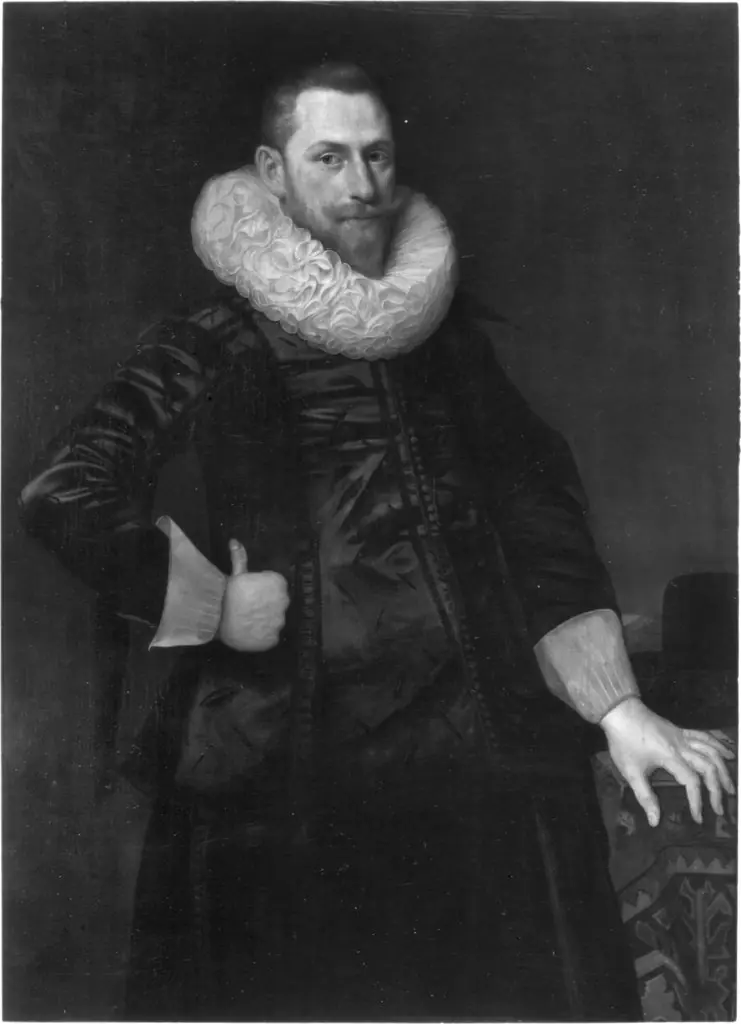 Portrait of Dirck Corver (1587-1633)
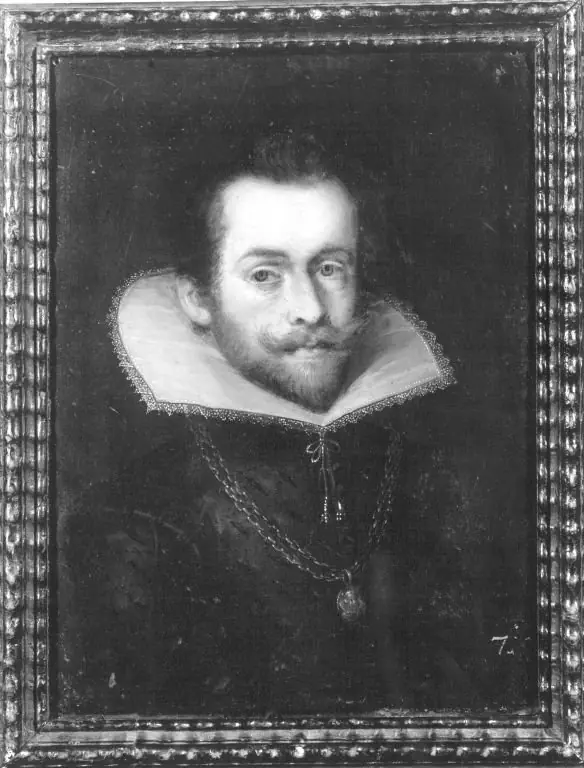 Bildnis eines Mannes (Wolfgang Wilhelm?)
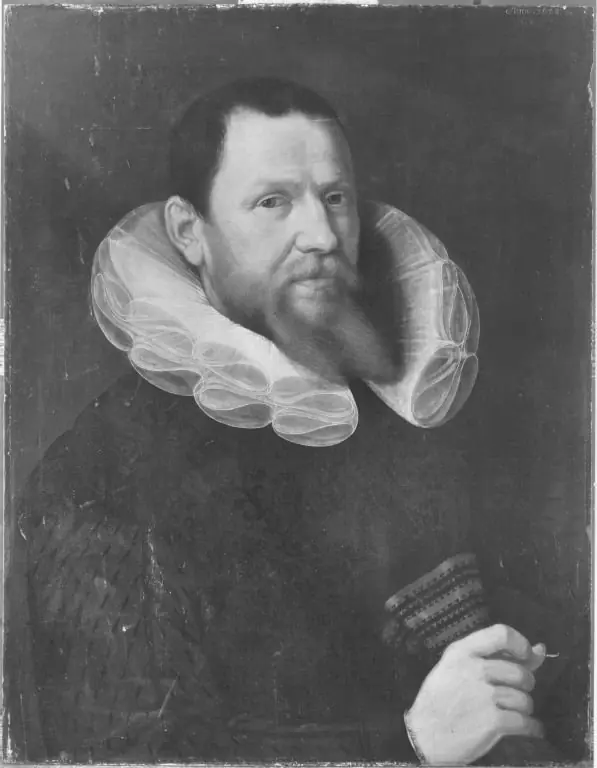 Bildnis eines Mannes
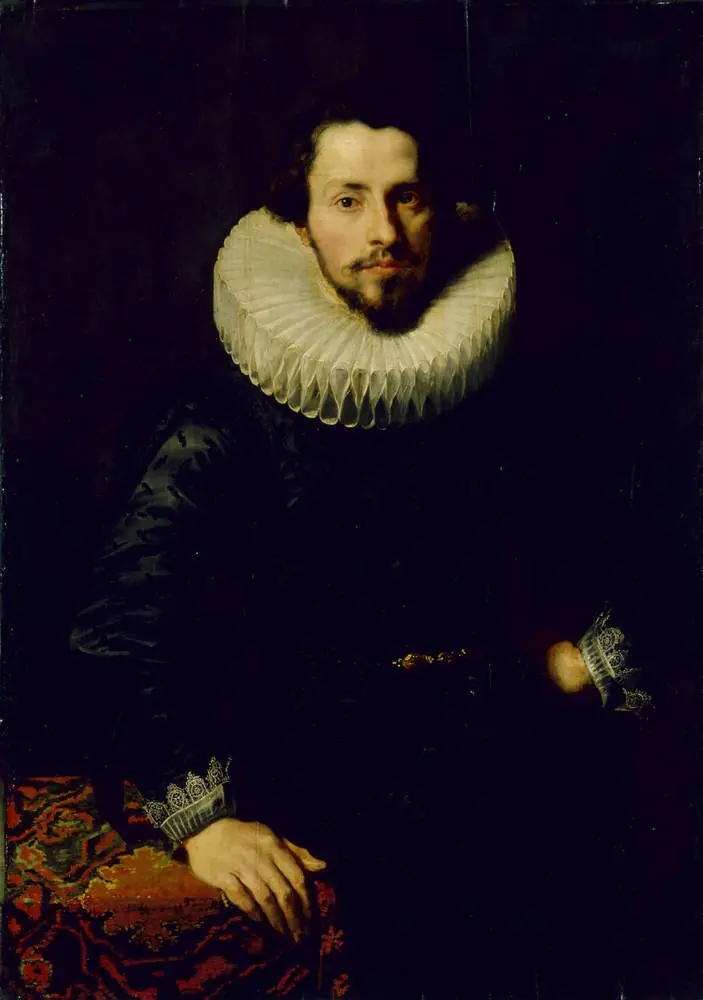 Portrait of a Man at a Table
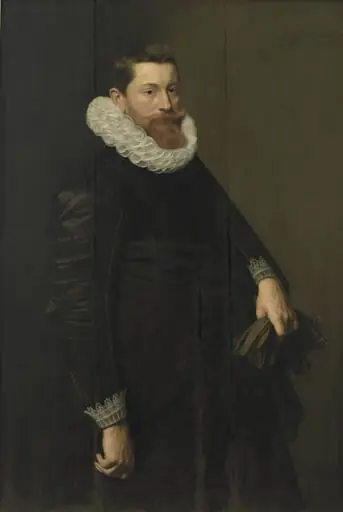 Portrait of a Gentleman
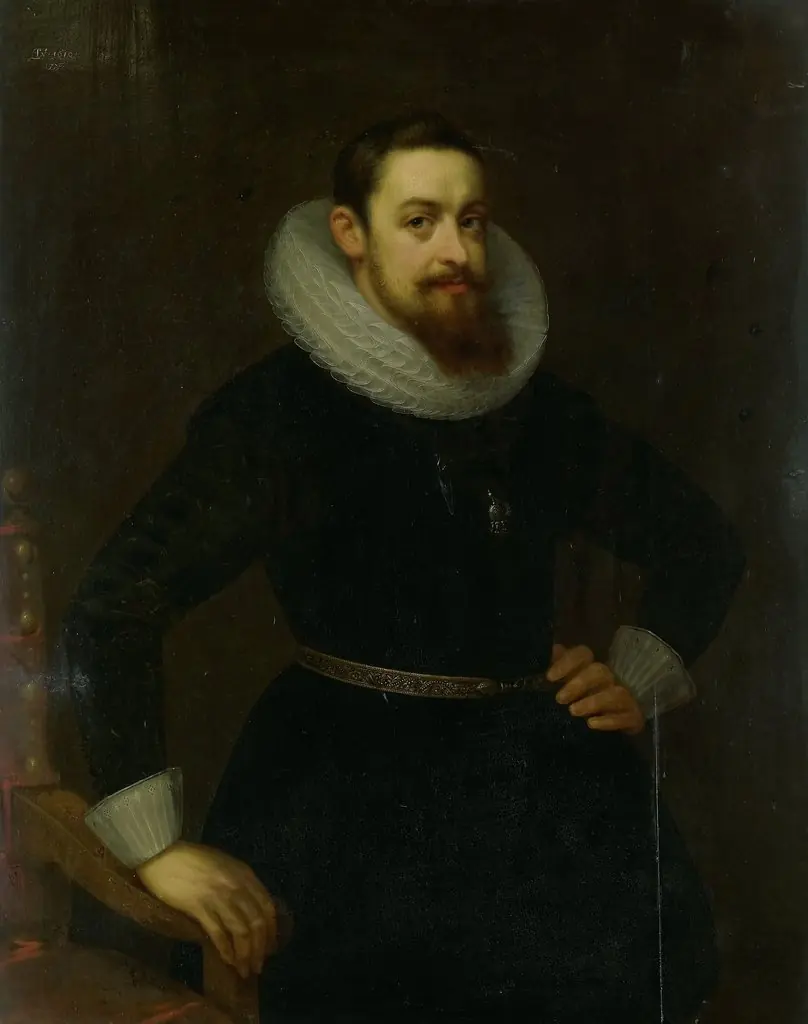 Portrait of Jeremias Boudinois
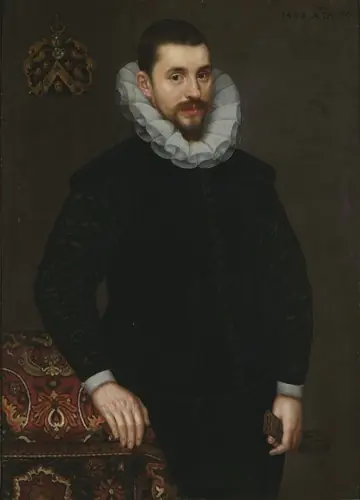 Portret van Jean Charles della Faille, heer van Rijmenam
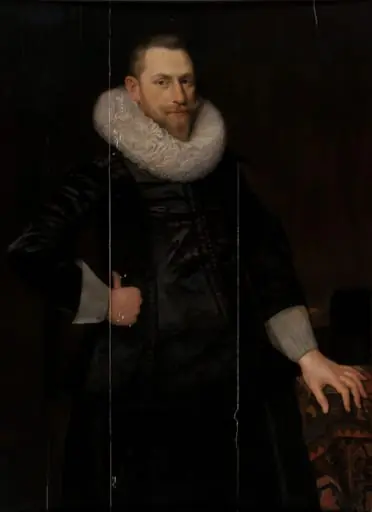 Untitled
 Kaiser Ferdinand II.