Artwork
Madonna med Barnet
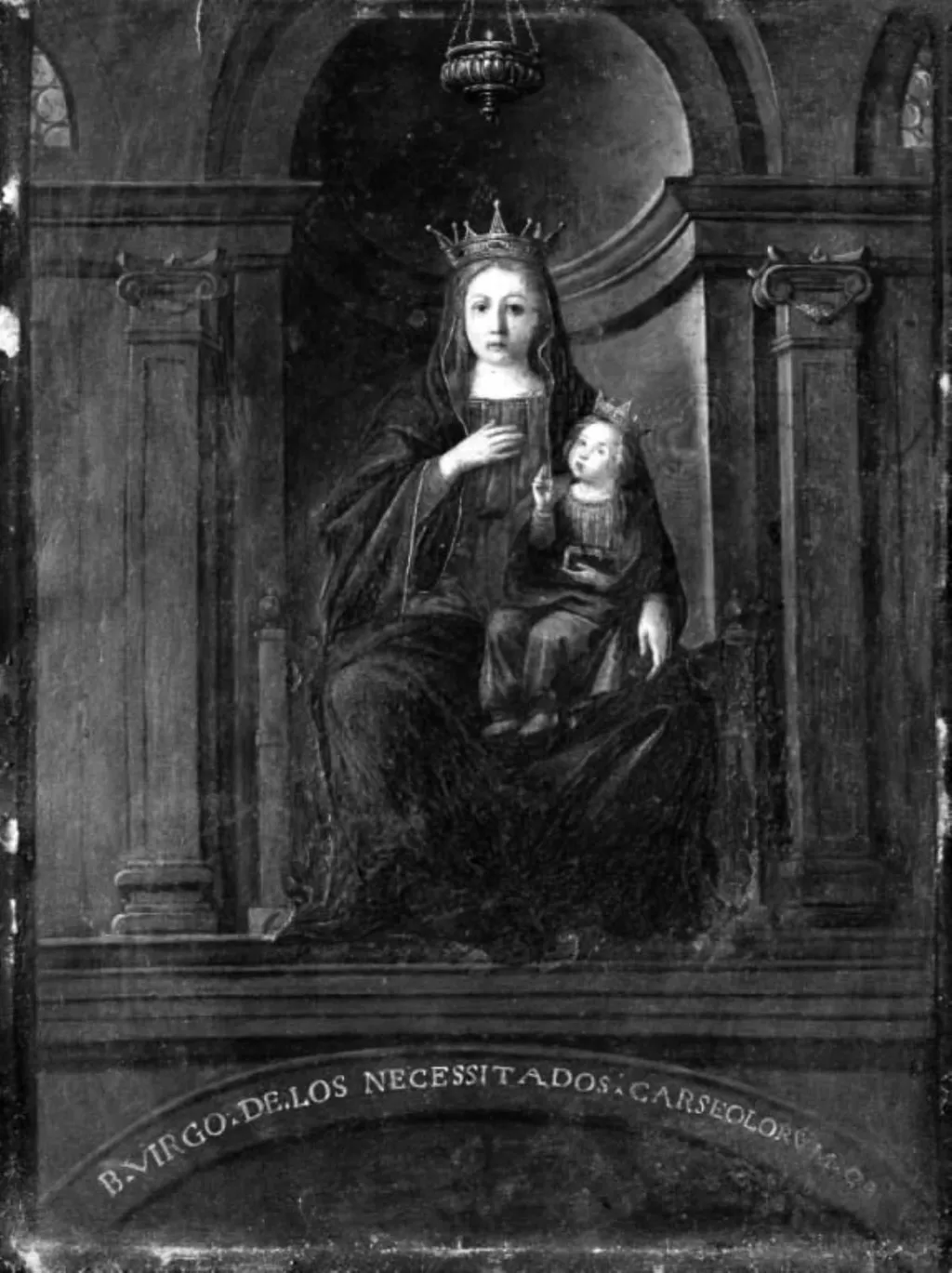
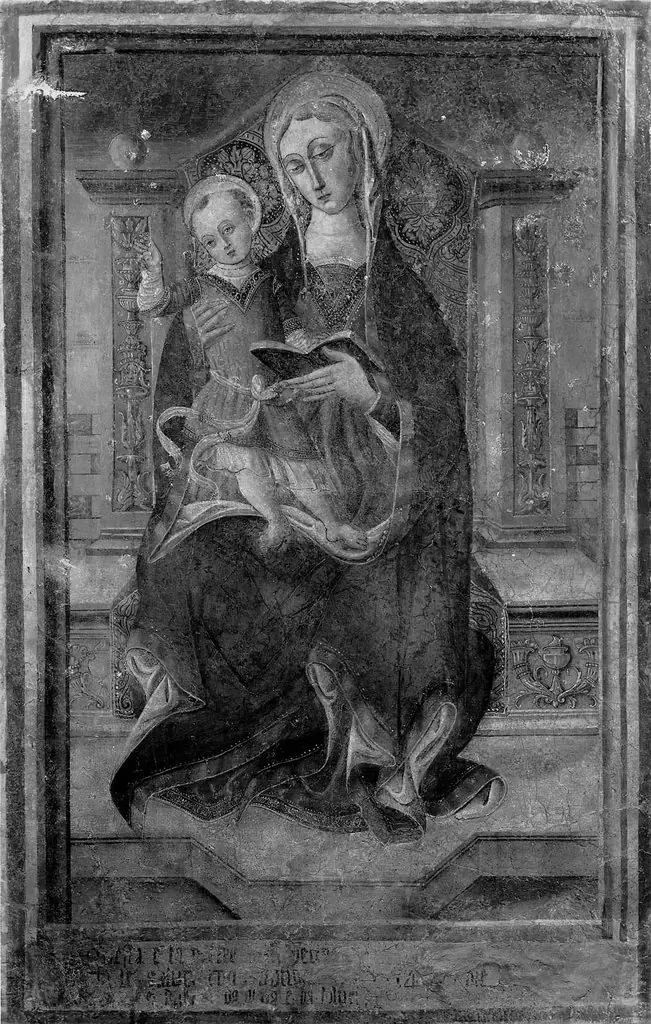
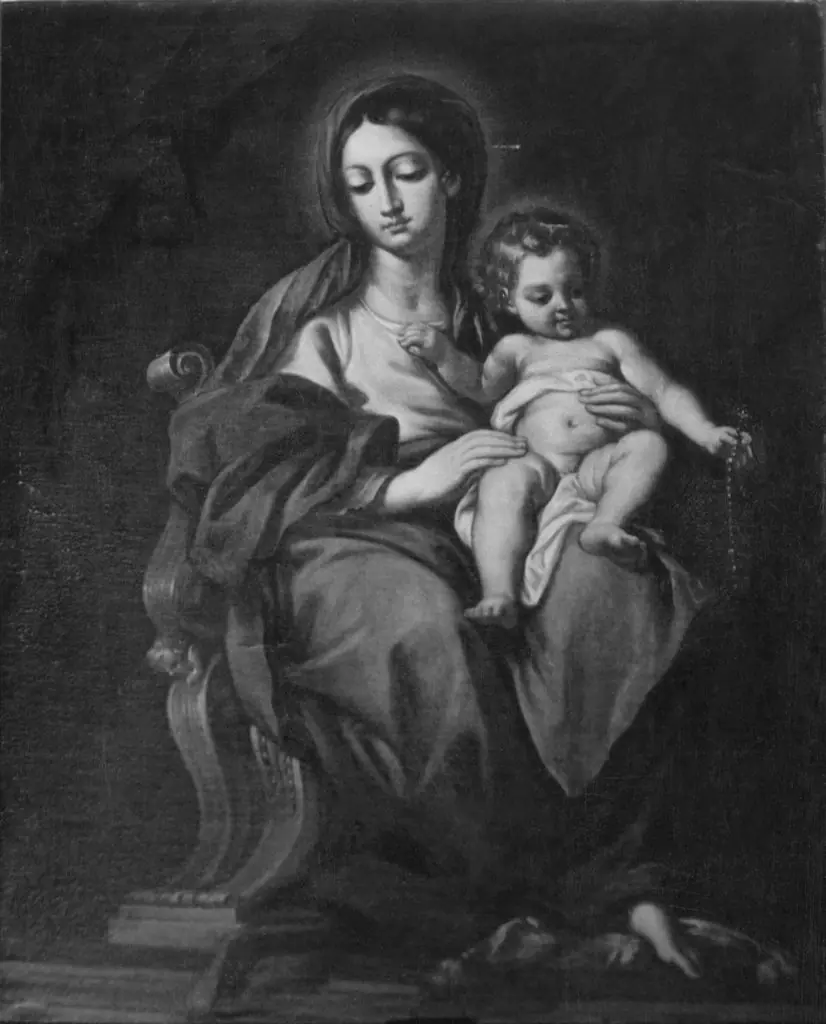
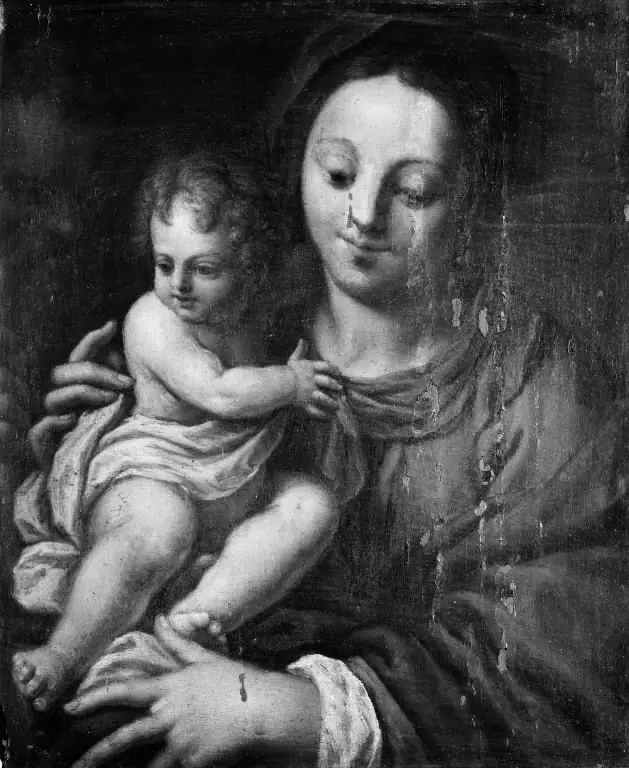
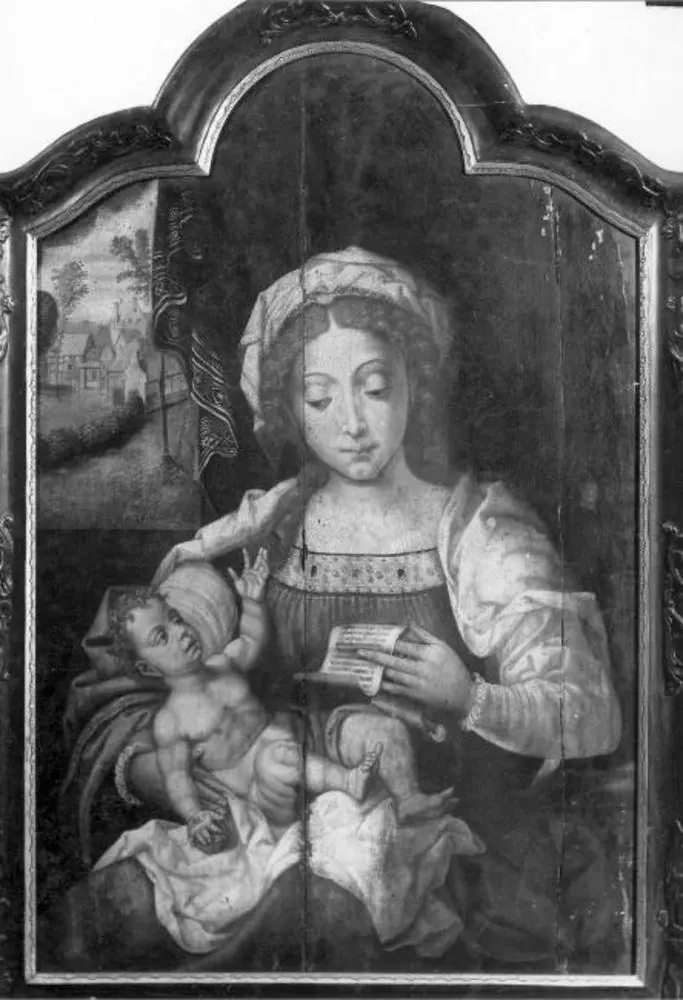
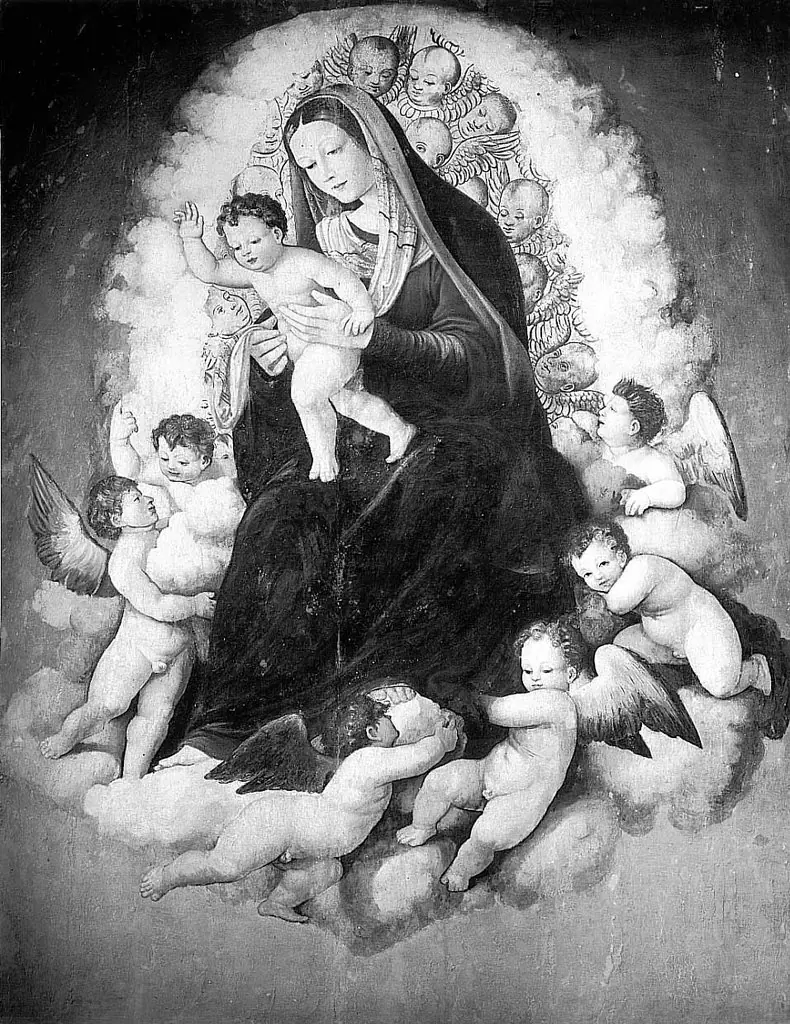
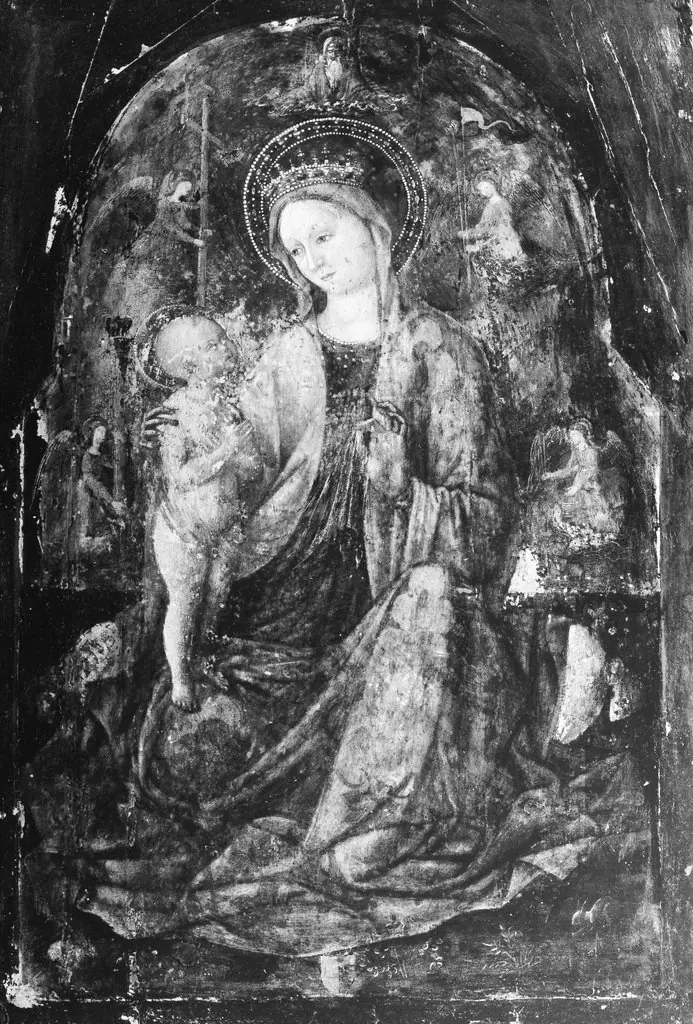
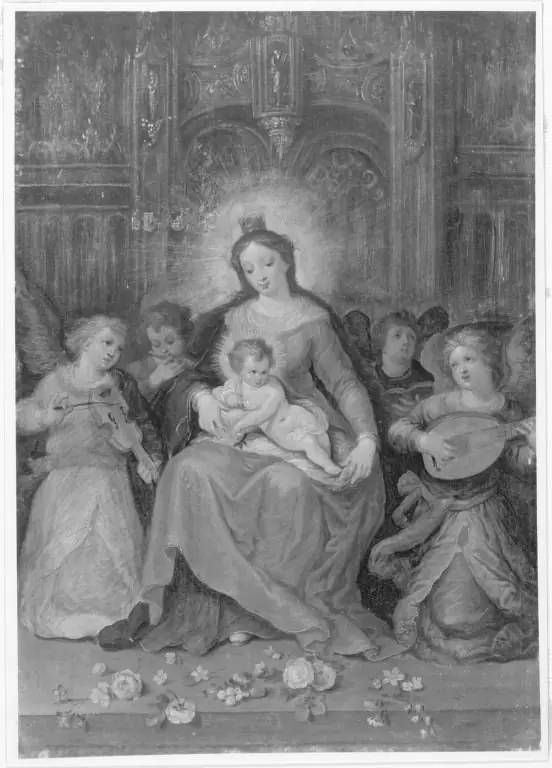
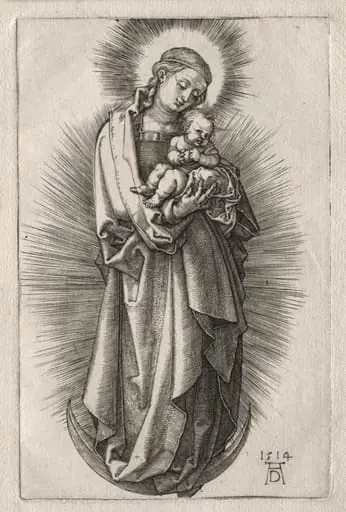
Madonna med Barnet is a photography by the Romanticist artist Unknown. It dates from 1848 and is held in the collection of the Statens Museum for Kunst. Painted in 1848, this religious work depicts the Virgin Mary with the infant Jesus, rendered in a quiet, intimate manner.
About this work
Overview
Painted in 1848, this religious work depicts the Virgin Mary with the infant Jesus, rendered in a quiet, intimate manner.
Painted in 1848, this religious work depicts the Virgin Mary with the infant Jesus, rendered in a quiet, intimate manner. Though attributed to an artist identified as 37320_person, little is known about their broader oeuvre. The painting resides in the Museum of Ethnography, a collection more commonly associated with cultural artifacts than fine art, suggesting an unusual institutional context for its preservation.
Subject & Meaning
The figures of Mary and Jesus are portrayed not as celestial beings but as a tender maternal pair. Mary’s crown and dark robe signify her royal and solemn status, while the child’s similar attire and curious gaze humanize the divine narrative. The scene avoids grandeur, favoring quiet connection, reflecting a devotional emphasis on maternal tenderness over theological spectacle.
Technique & Style
The composition uses deep, muted tones with restrained lighting to create a somber, enclosed atmosphere. The stone arches and columns behind the figures suggest a sacred architecture without overt symbolism. Brushwork is smooth and controlled, avoiding dramatic contrasts, aligning with a subdued realism that prioritizes emotional resonance over theatrical effect.
History & Provenance
The painting entered the Museum of Ethnography shortly after its creation, possibly as part of a broader collection of religious imagery from Nordic or European traditions. Its presence in an ethnographic institution, rather than a fine arts museum, hints at its classification as a devotional object rather than a work of high art at the time of acquisition.
Context
Created during the height of Romanticism, the painting aligns with the movement’s interest in emotion, intimacy, and the sublime in everyday moments. While many Romantic religious works emphasized drama or mysticism, this piece opts for restraint, reflecting a quieter, more personal strand of spiritual expression common in Nordic religious art of the period.
Legacy
The painting remains a quiet example of 19th-century devotional imagery, valued more for its emotional tone than its artistic innovation. It continues to be studied as a case of how religious themes were adapted into intimate, human-centered compositions, offering insight into private piety in a period dominated by public liturgical art.
Artist & collection

 Domestic Scene
 Giacomo and Cardinal Marco, investing Andrea, Abbot of San Zeno, with his Benefice
 The Nymph of Fontainebleau
 Portrait of a Woman
 Madonna and Child with Saints in the Enclosed Garden
 Venus and Minerva
 Family Group of Four on Sofa
 Wall painting from Room H of the Villa of P. Fannius Synistor at Boscoreale