Artwork
Virgin and Child Enthroned
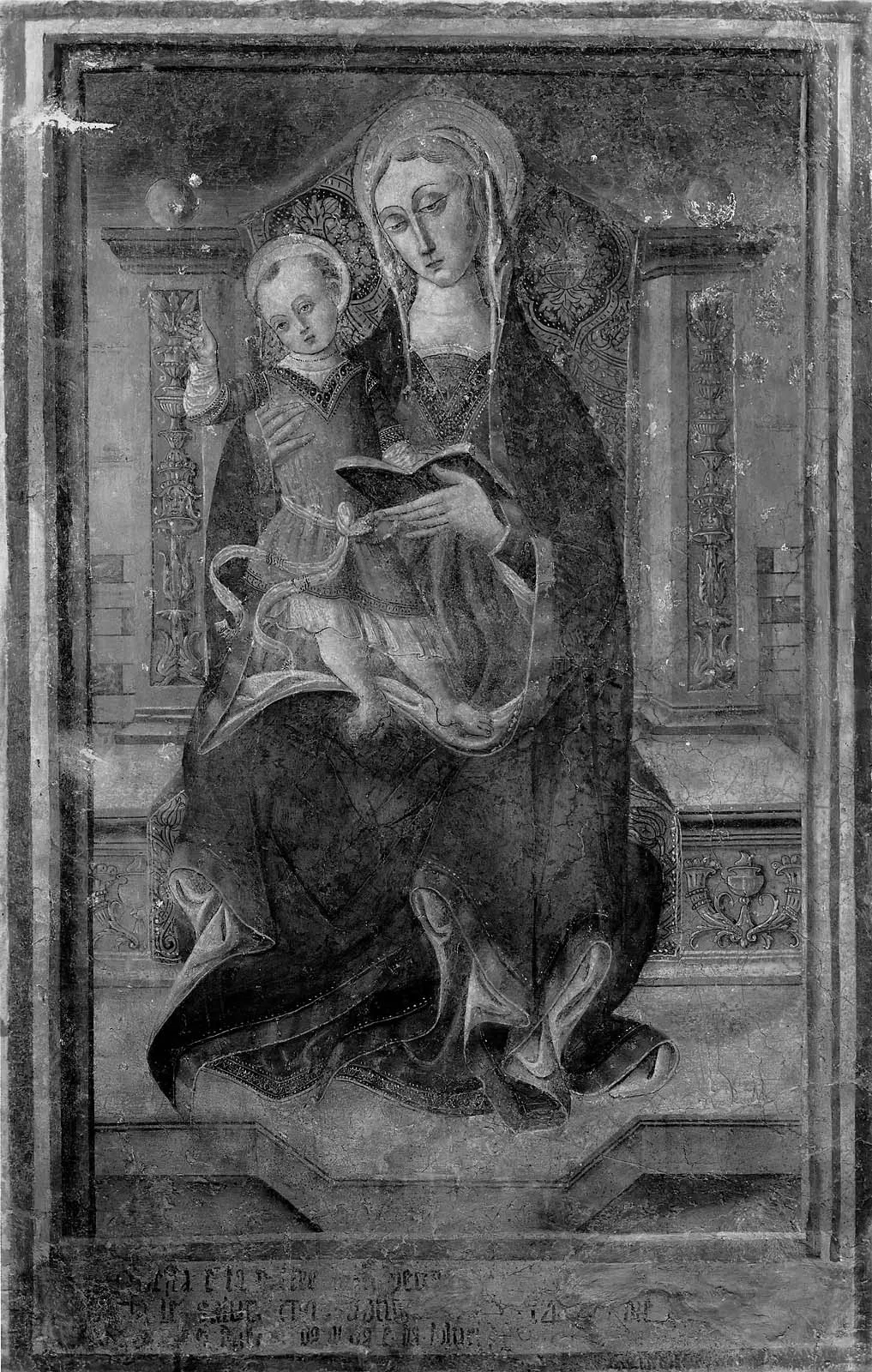
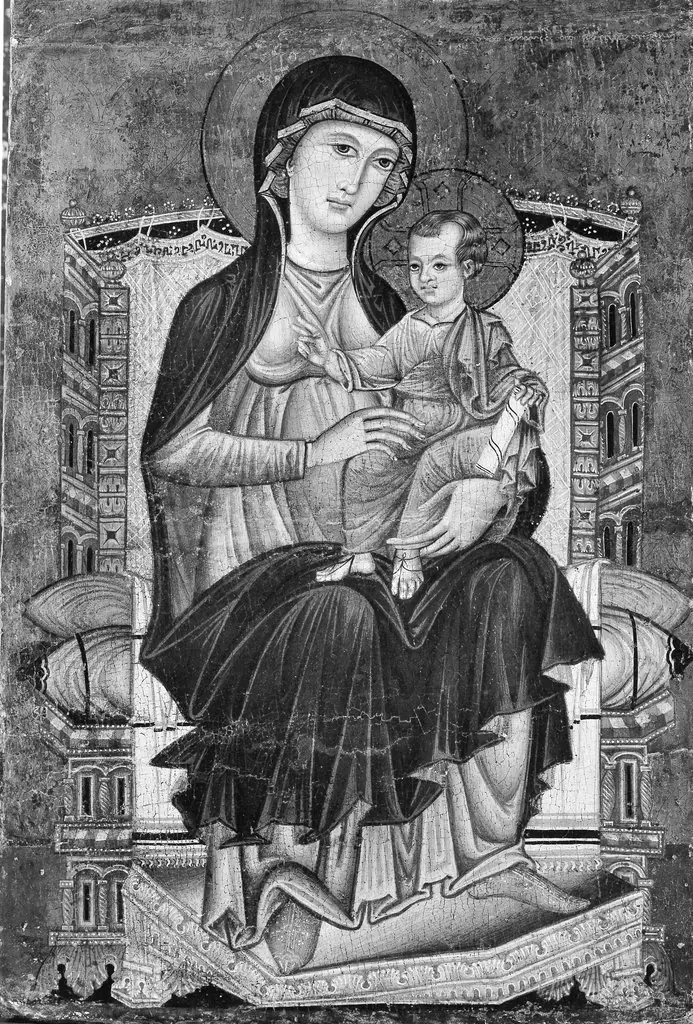
Virgin and Child Enthroned is an unspecified painting by the Early Renaissance artist Matteo da Gualdo. It dates from 1499 and is held in the collection of the Museum of Fine Arts Boston.
About this work
Overview
Created in 1499 by the Italian painter Matteo da Gualdo, this early Renaissance panel presents the Virgin Mary seated on a throne with the infant Christ on her lap. The composition is framed by a dark background that hints at architectural elements, while the figures are rendered with careful attention to texture and detail.
Subject & Meaning
The work depicts the traditional Christian theme of the Virgin and Child, emphasizing devotion and contemplation. Both figures are shown gazing toward a book held by the Virgin, suggesting the presence of the Holy Scriptures and underscoring the theological link between Mary’s wisdom and Christ’s divine nature.
Technique & Style
Matteo da Gualdo employs fine brushwork to articulate the intricate patterns on the Virgin’s garments and the carved details of the throne. The use of chiaroscuro creates a subtle contrast between the illuminated figures and the muted backdrop, enhancing the sense of three‑dimensionality and calm presence.
History & Provenance
The painting entered the collection of the Museum of Fine Arts in Boston, where it remains on display. Its provenance traces back to the artist’s workshop in central Italy, reflecting the regional artistic currents of the late 15th century.
Context
Executed during the transition from Gothic to Renaissance sensibilities, the piece illustrates the growing interest in naturalistic representation and human emotion. Matteo da Gualdo’s work aligns with contemporary developments in central Italy, where artists increasingly explored spatial depth and individualized expression.
Artist & collection
Artist
Matteo da Gualdo or Matteo di Pietro di Ser Bernardo (Gualdo Tadino, circa 1435-1440 - 1507) was an Italian painter, active in Gualdo Tadino, Nocera Umbra, and Assisi.

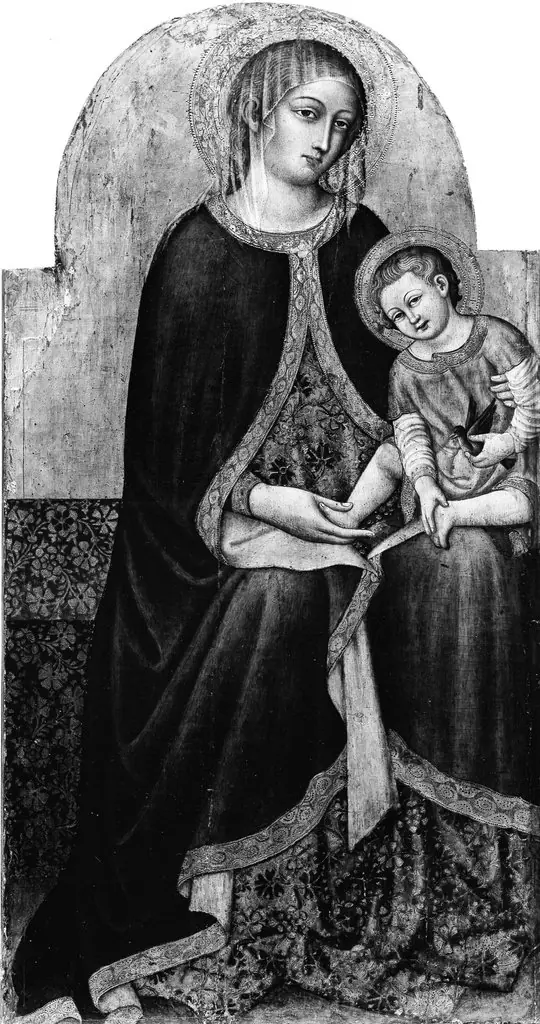 Madonna and Child with Saints
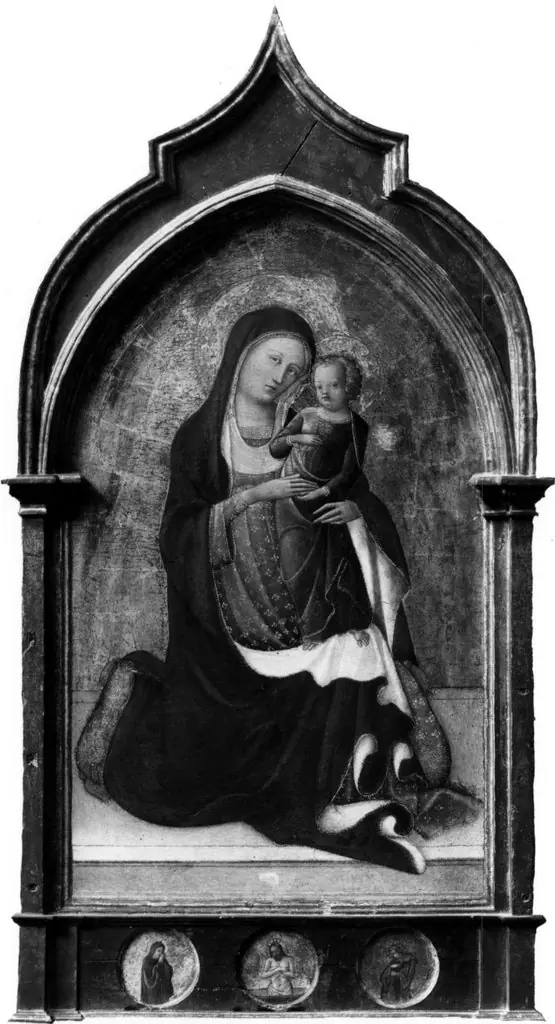 Mary with the Child
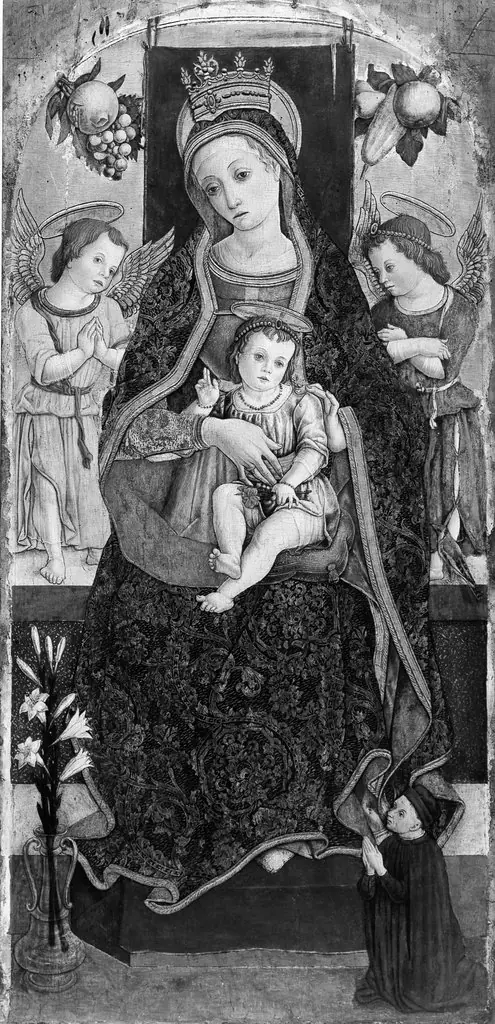 Madonna and Child Enthroned with Two Angels and a Donor
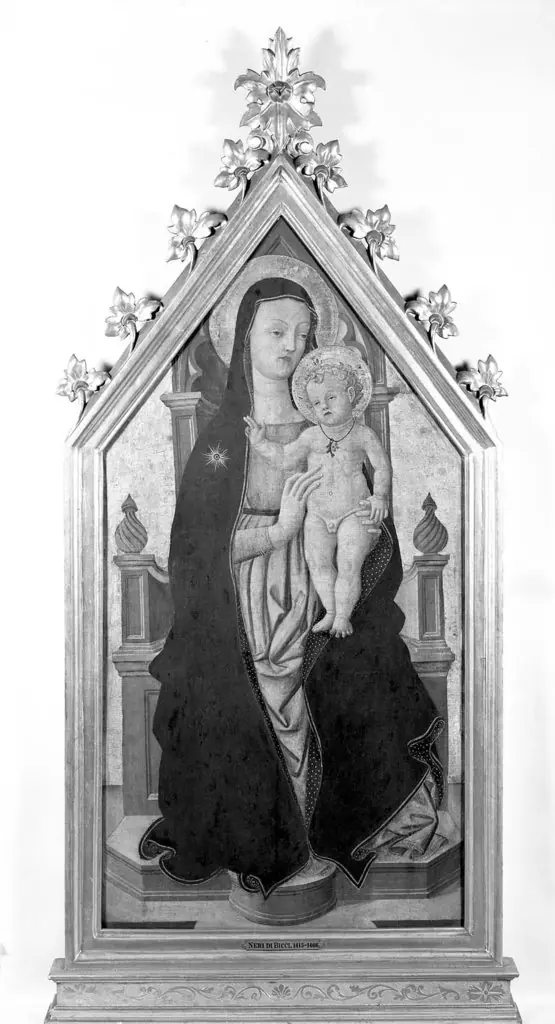 Virgin and Child
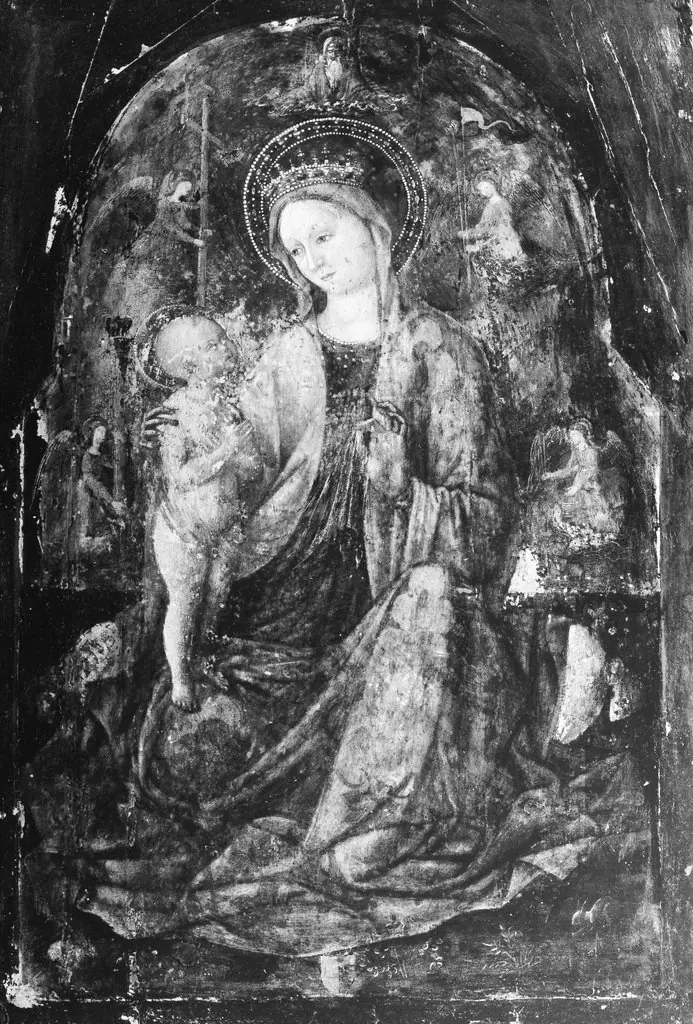 Madonna and Child
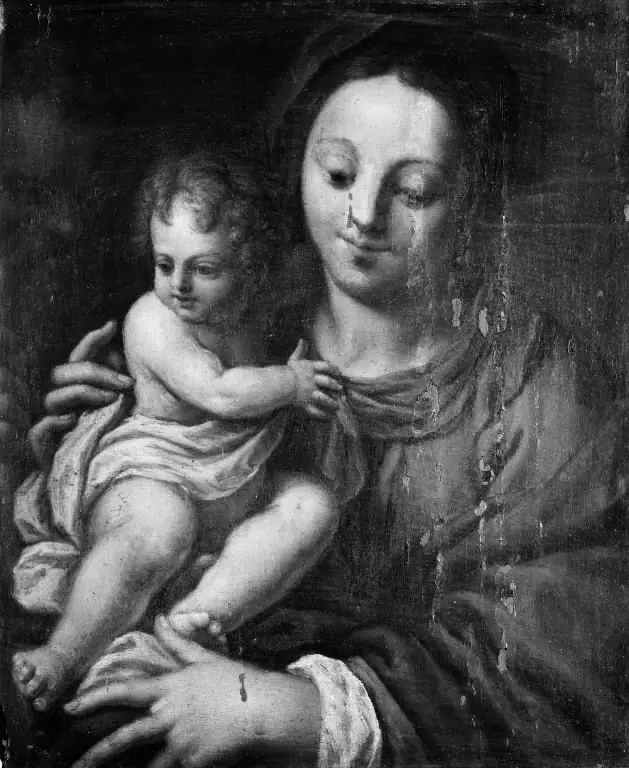 Virgin and Child
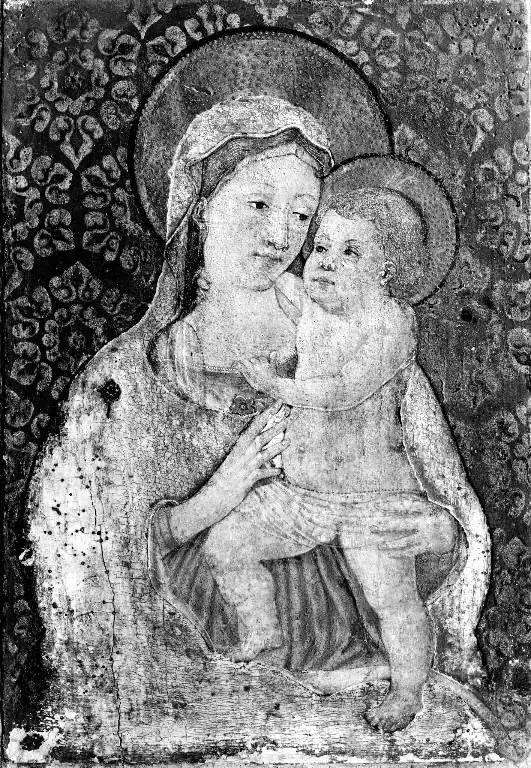 The Virgin and Child
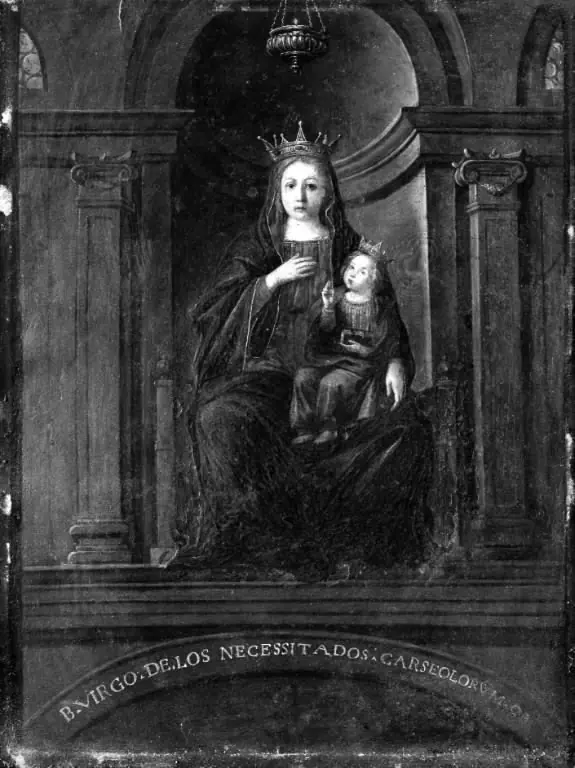 Madonna med Barnet
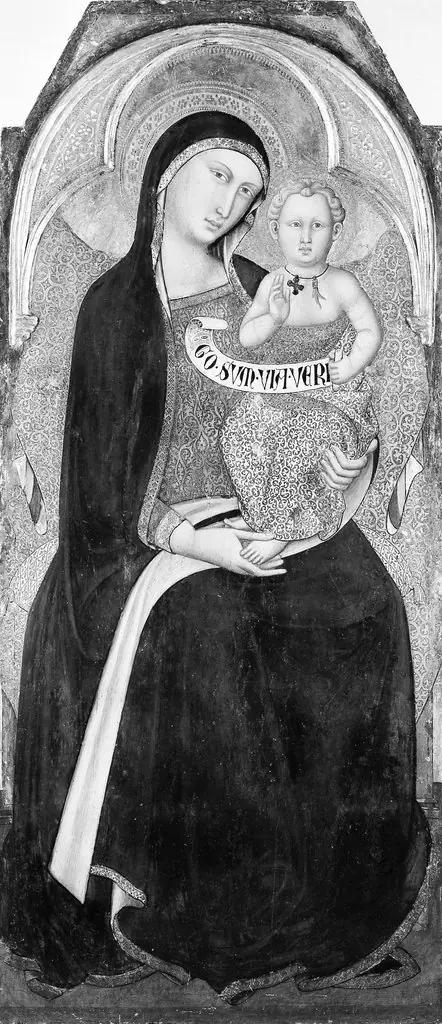 Madonna and Child
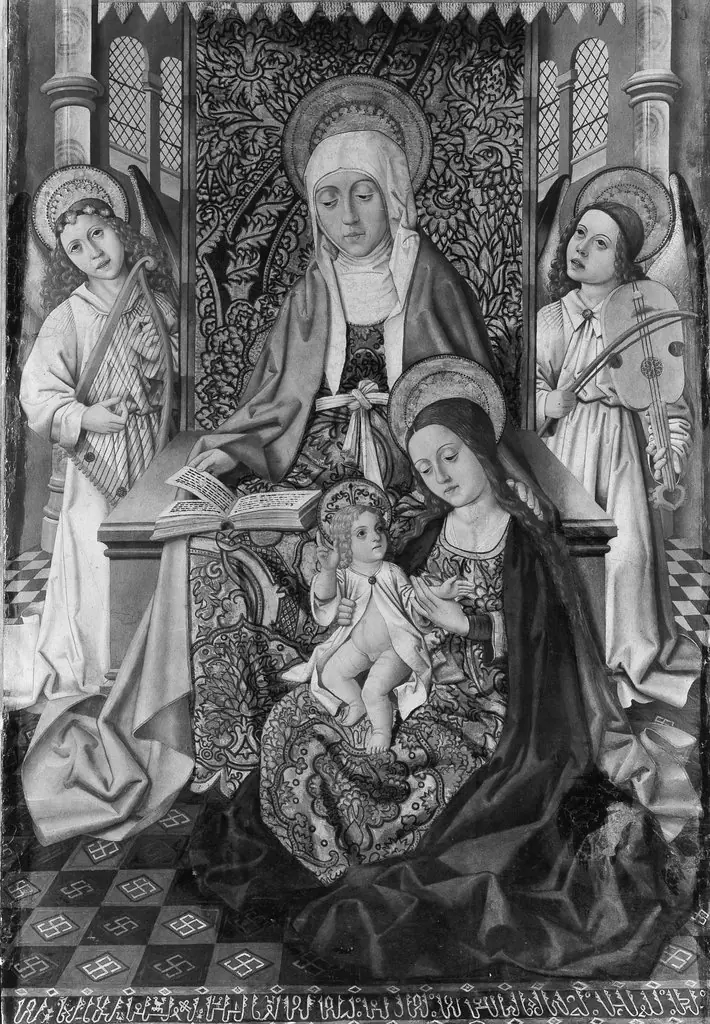 Saint Anne Enthroned with the Virgin and Child
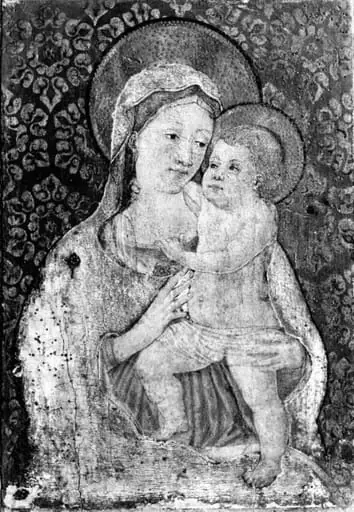 The Virgin and Child
 Madonna and Child Enthroned