Artwork
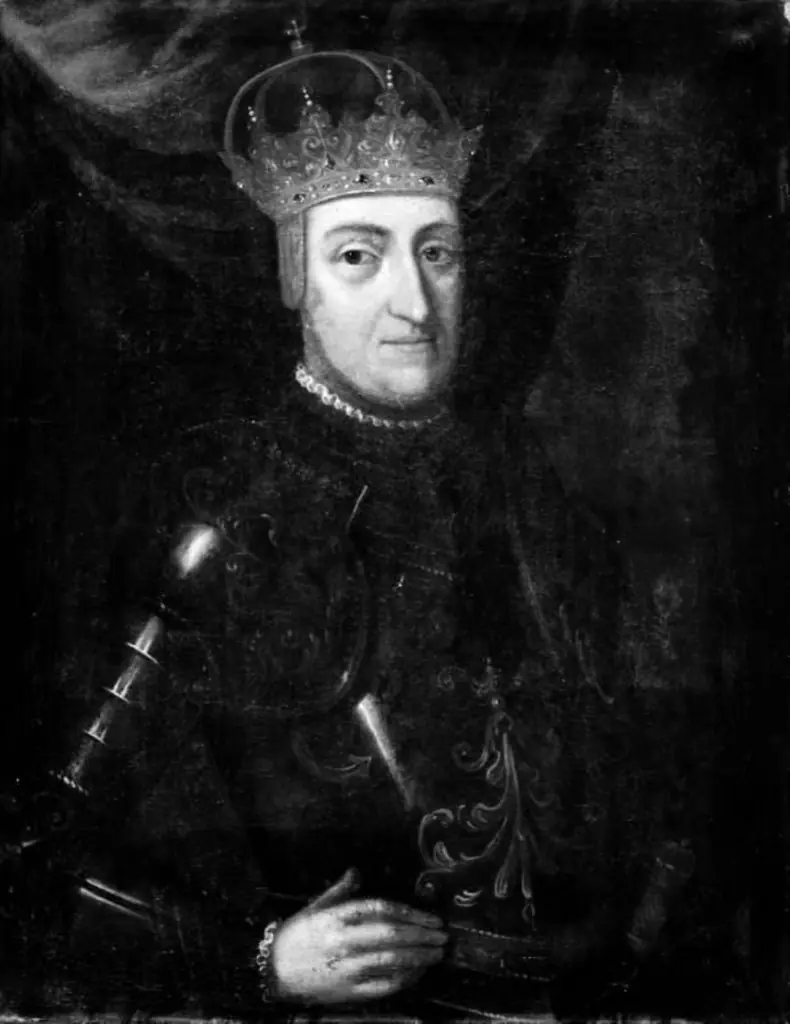
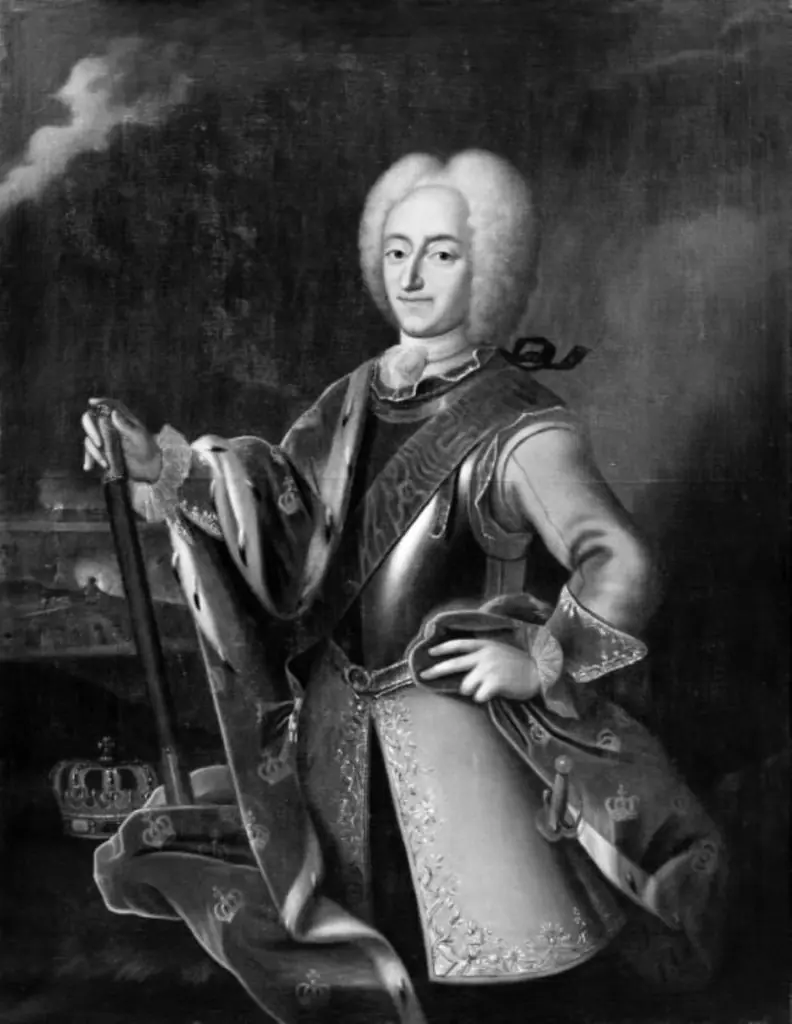
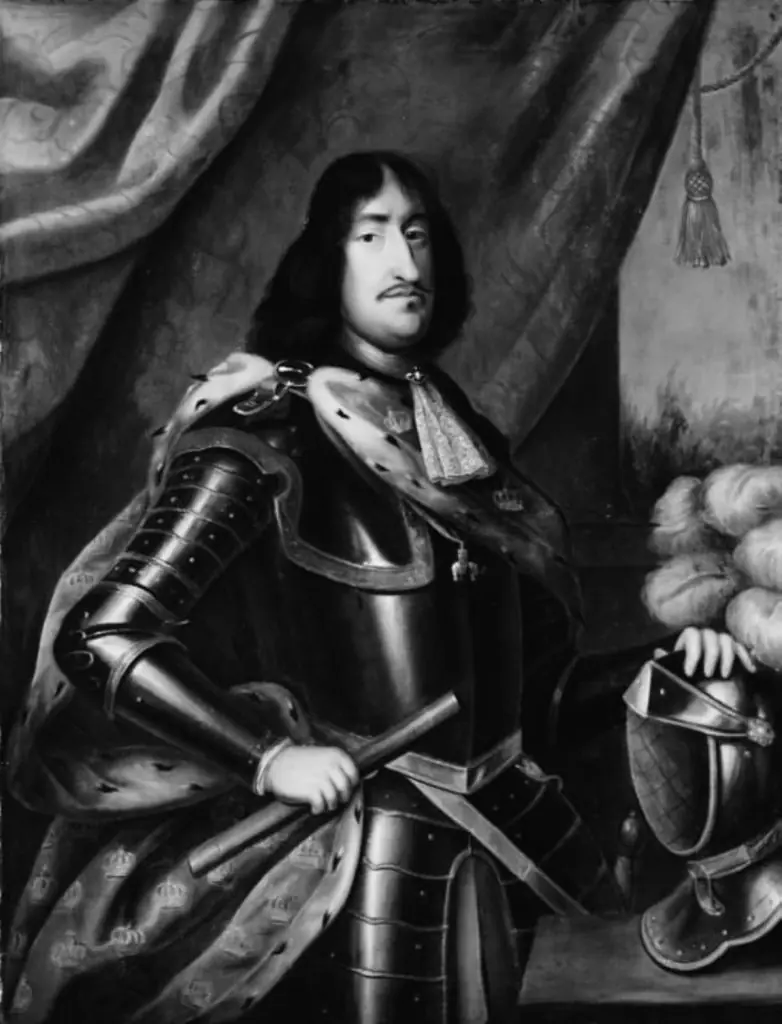
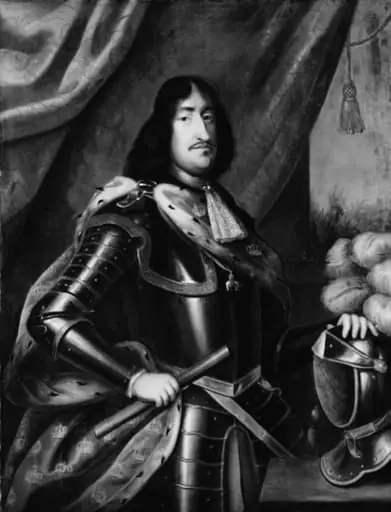
Kong Frederik I i rustning
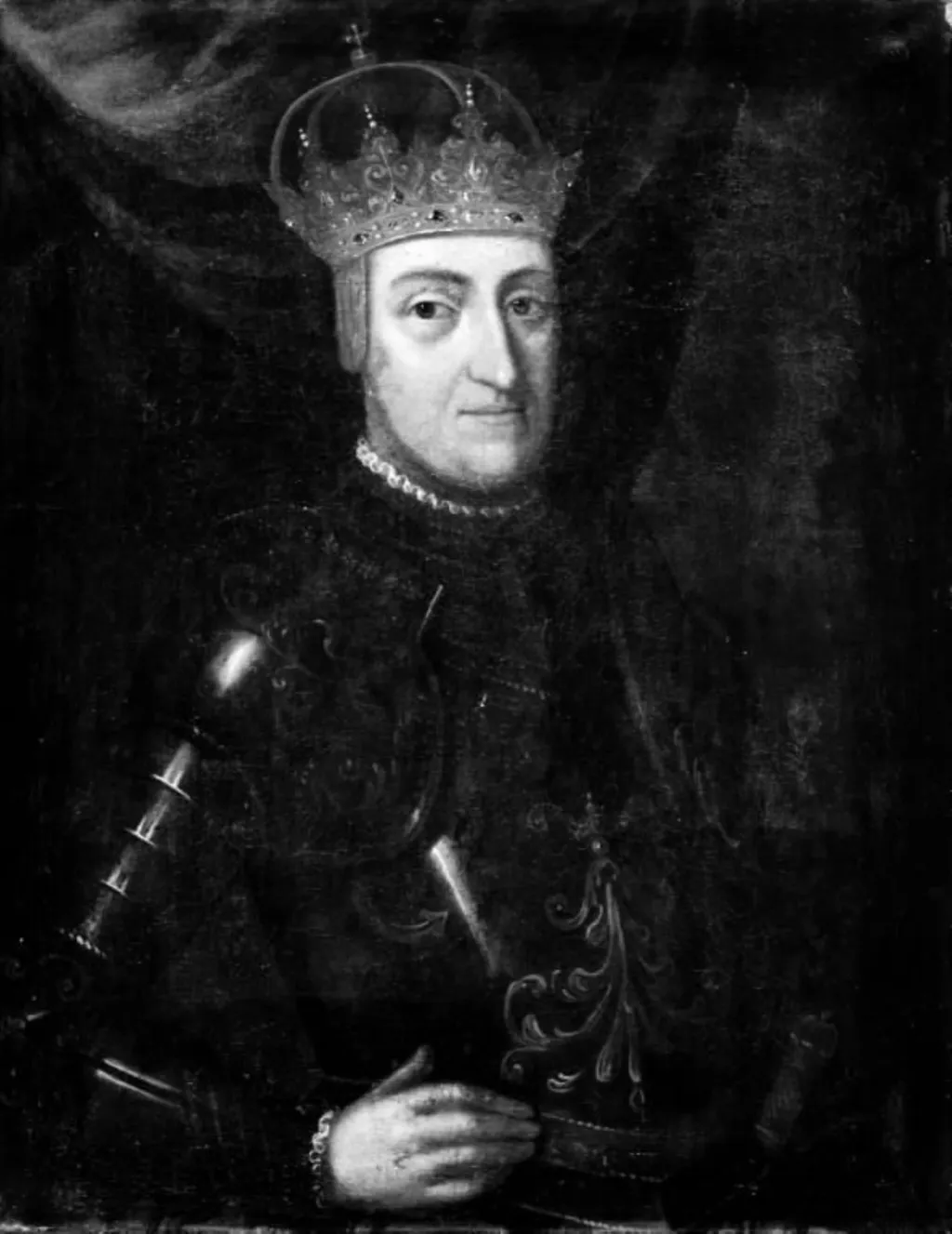
Kong Frederik I i rustning is a photography by Unknown. It dates from 1750 and is held in the collection of the Statens Museum for Kunst. This portrait depicts King Frederick I of Denmark, rendered in a black-and-white photographic medium circa 1750.
About this work
Overview
This portrait depicts King Frederick I of Denmark, rendered in a black-and-white photographic medium circa 1750. The image is part of the collection at the Museum of Ethnography. Though the original artwork may have been painted, this version captures a formal, staged representation of the monarch, emphasizing regal authority through composition and lighting rather than color.
Subject & Meaning
Frederick I is portrayed in ceremonial armor and royal attire, symbols of his dual role as military leader and sovereign. The sheathed sword and ornate staff signify both martial readiness and administrative power. His stern expression and direct gaze convey solemnity, reinforcing the expectation of dignity and control associated with monarchical rule in 18th-century Denmark.
Technique & Style
The photograph employs chiaroscuro to heighten the king’s presence, isolating his face and attire against a dark, undefined background. This dramatic interplay of light and shadow draws focus to his features and regalia, echoing Renaissance painting traditions. The high contrast enhances texture in the fabric and metal, lending a sculptural weight to the figure despite the flatness of the medium.
History & Provenance
Created around 1750, the image likely originated as a painted portrait later reproduced photographically. It entered the Museum of Ethnography’s holdings as part of a broader collection documenting European royalty and cultural representation. Its preservation reflects 19th-century efforts to archive historical figures through emerging photographic technologies.
Context
During Frederick I’s reign, Denmark maintained a centralized monarchy with strong ties to the nobility and military. Portraits like this served political purposes, reinforcing legitimacy and continuity. The use of armor and ceremonial objects aligned with broader European trends in royal imagery, where visual symbolism outweighed personal expression to project enduring authority.
Legacy
The image remains a documented example of how monarchy was visually codified in the 18th century. Though not an original painting, its photographic reproduction preserves the iconography intended for public perception. It contributes to scholarly understanding of how royal authority was communicated through staged representation in pre-modern Denmark.
Artist & collection

 Domestic Scene
 Giacomo and Cardinal Marco, investing Andrea, Abbot of San Zeno, with his Benefice
 The Nymph of Fontainebleau
 Portrait of a Woman
 Madonna and Child with Saints in the Enclosed Garden
 Venus and Minerva
 Family Group of Four on Sofa
 Wall painting from Room H of the Villa of P. Fannius Synistor at Boscoreale