Artwork
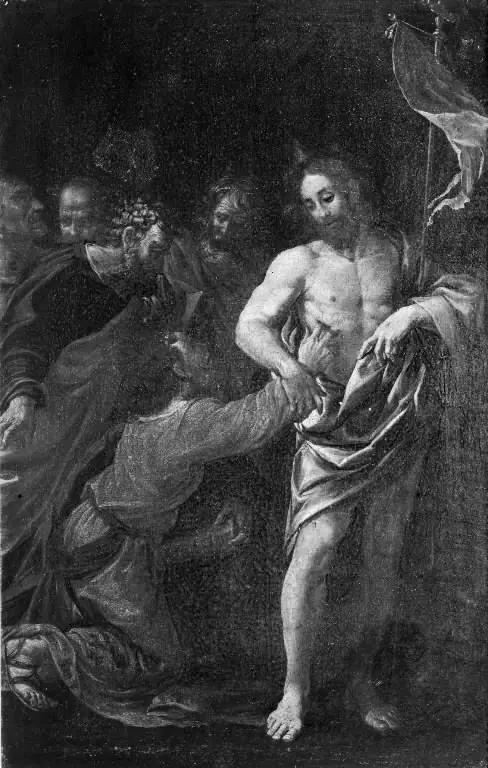
Den vantro Thomas
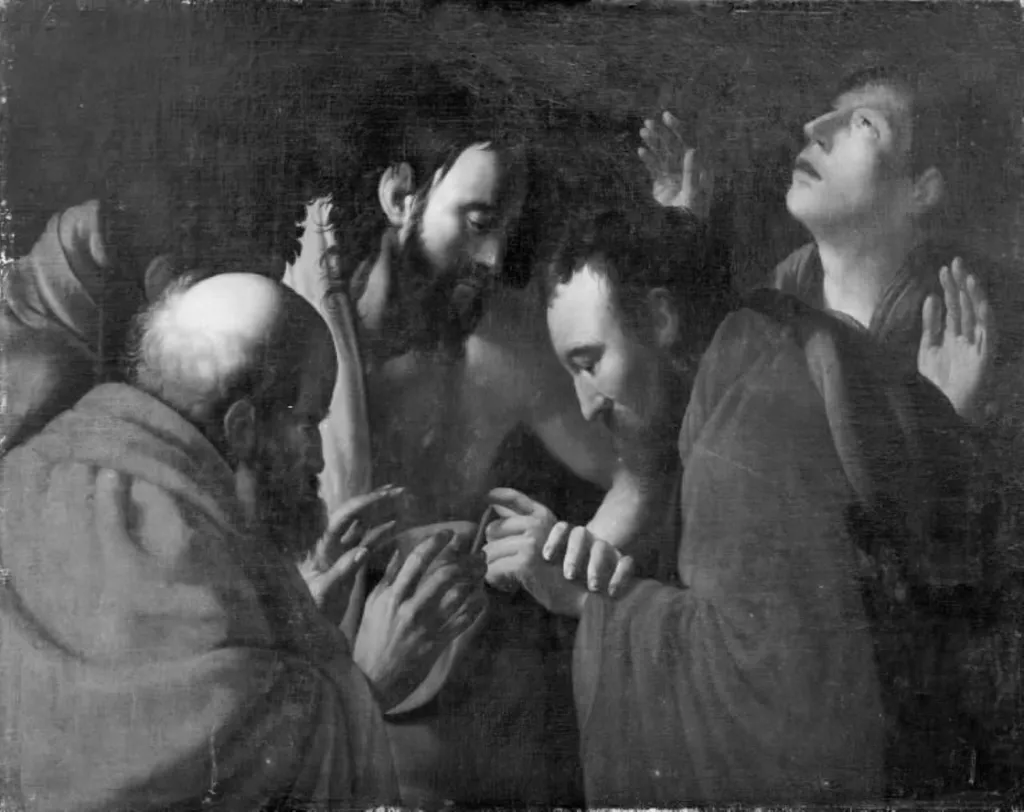
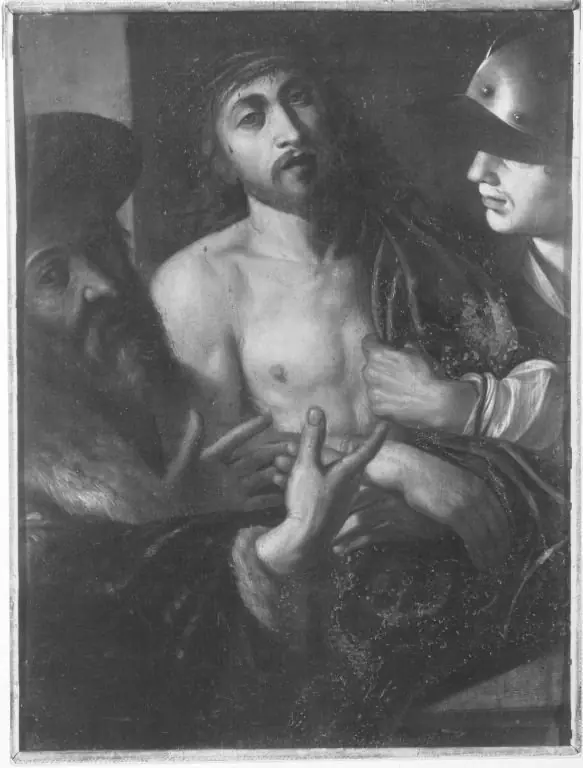
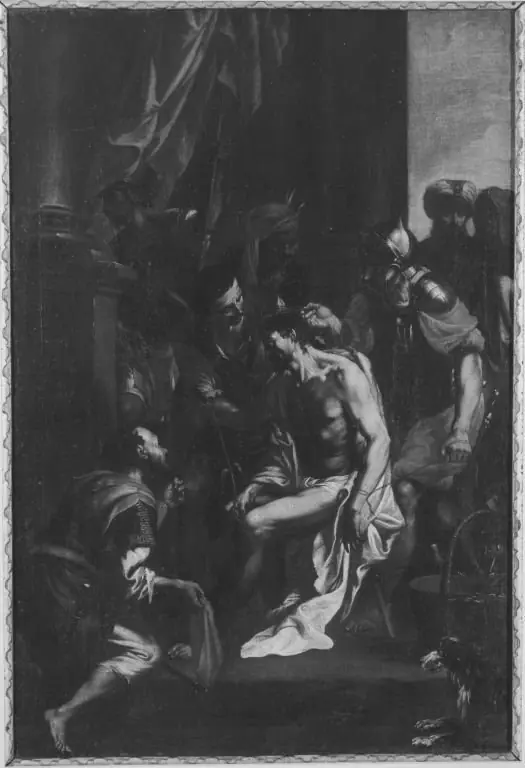
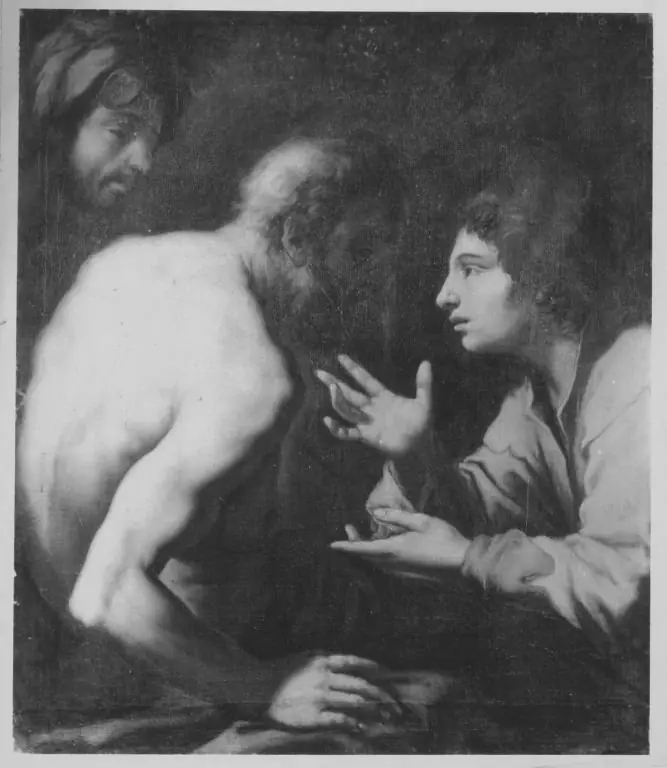
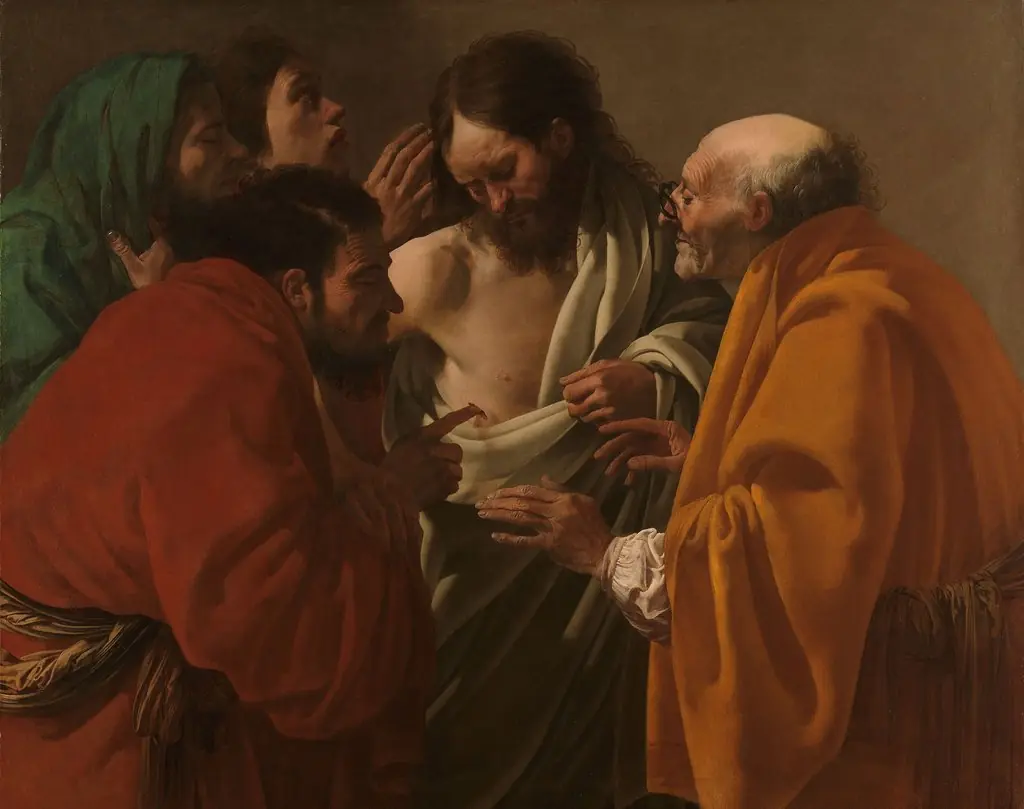
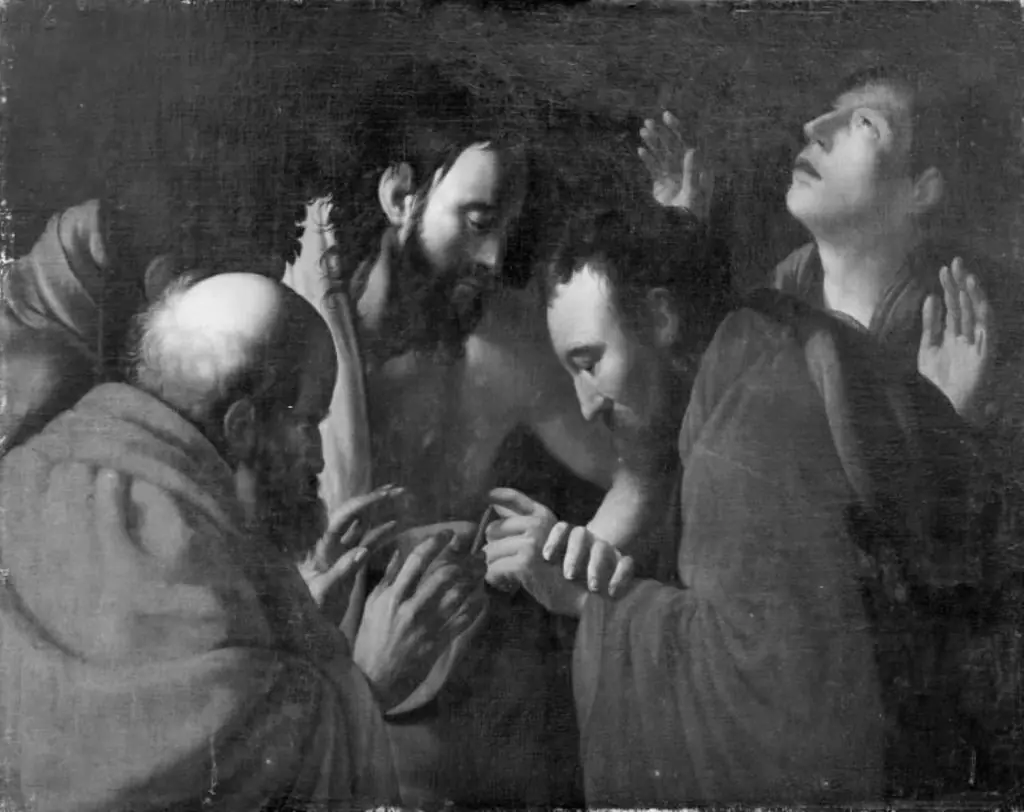
Den vantro Thomas is a photography by Unknown. It dates from 1750 and is held in the collection of the Statens Museum for Kunst. Created around 1750, this black-and-white photograph depicts a moment of quiet intensity among four men in a dim interior.
About this work
Overview
Its dramatic use of light and shadow draws attention to the figures’ gestures and expressions, emphasizing emotional tension over environmental detail.
Created around 1750, this black-and-white photograph depicts a moment of quiet intensity among four men in a dim interior. The image is held in the collection of the Museum of Ethnography. Its dramatic use of light and shadow draws attention to the figures’ gestures and expressions, emphasizing emotional tension over environmental detail. The composition avoids decorative elements, focusing solely on human interaction under stark illumination.
Subject & Meaning
The scene portrays a kneeling figure with clasped hands, surrounded by three others who lean in, their gazes fixed on him. The man behind him reaches upward, suggesting supplication or revelation. Though the exact narrative is unclear, the arrangement implies a moment of doubt, witness, or spiritual reckoning. The absence of context invites interpretation, framing the moment as universal rather than specific to a single tradition or event.
Technique & Style
The photograph employs chiaroscuro—sharp contrasts between light and deep shadow—to model the figures and isolate them from their surroundings. Faces are illuminated with precision, while the background dissolves into darkness. This technique, borrowed from painting traditions, heightens emotional focus and three-dimensionality. The monochrome palette removes distraction, reinforcing the psychological weight of the scene through tonal gradation alone.
History & Provenance
The photograph entered the Museum of Ethnography’s collection in the late 19th or early 20th century, likely acquired during a period of expanding ethnographic documentation. Its origin as a studio or staged composition remains unverified. No record of the photographer or exact date of capture survives, though stylistic cues suggest it was made in the mid-18th century, possibly as a study for a larger artistic project.
Context
Produced during an era when visual culture increasingly documented religious and ritual practices, this image reflects a broader interest in capturing human expression under emotional duress. Though not tied to a specific documented ceremony, its composition echoes religious iconography of doubt and revelation, particularly the biblical story of Thomas’s skepticism. It aligns with contemporary efforts to visually categorize human behavior across cultures.
Legacy
The photograph endures as a study in emotional economy and lighting control. While not widely exhibited, it is referenced in pedagogical contexts for its clear demonstration of chiaroscuro in photographic form. Its ambiguity has allowed it to remain open to reinterpretation across disciplines, from art history to anthropology, serving as a quiet example of how light can shape narrative without words.
Artist & collection

 Domestic Scene
 Giacomo and Cardinal Marco, investing Andrea, Abbot of San Zeno, with his Benefice
 The Nymph of Fontainebleau
 Portrait of a Woman
 Madonna and Child with Saints in the Enclosed Garden
 Venus and Minerva
 Family Group of Four on Sofa
 Wall painting from Room H of the Villa of P. Fannius Synistor at Boscoreale