Artwork
The Baptism of Christ
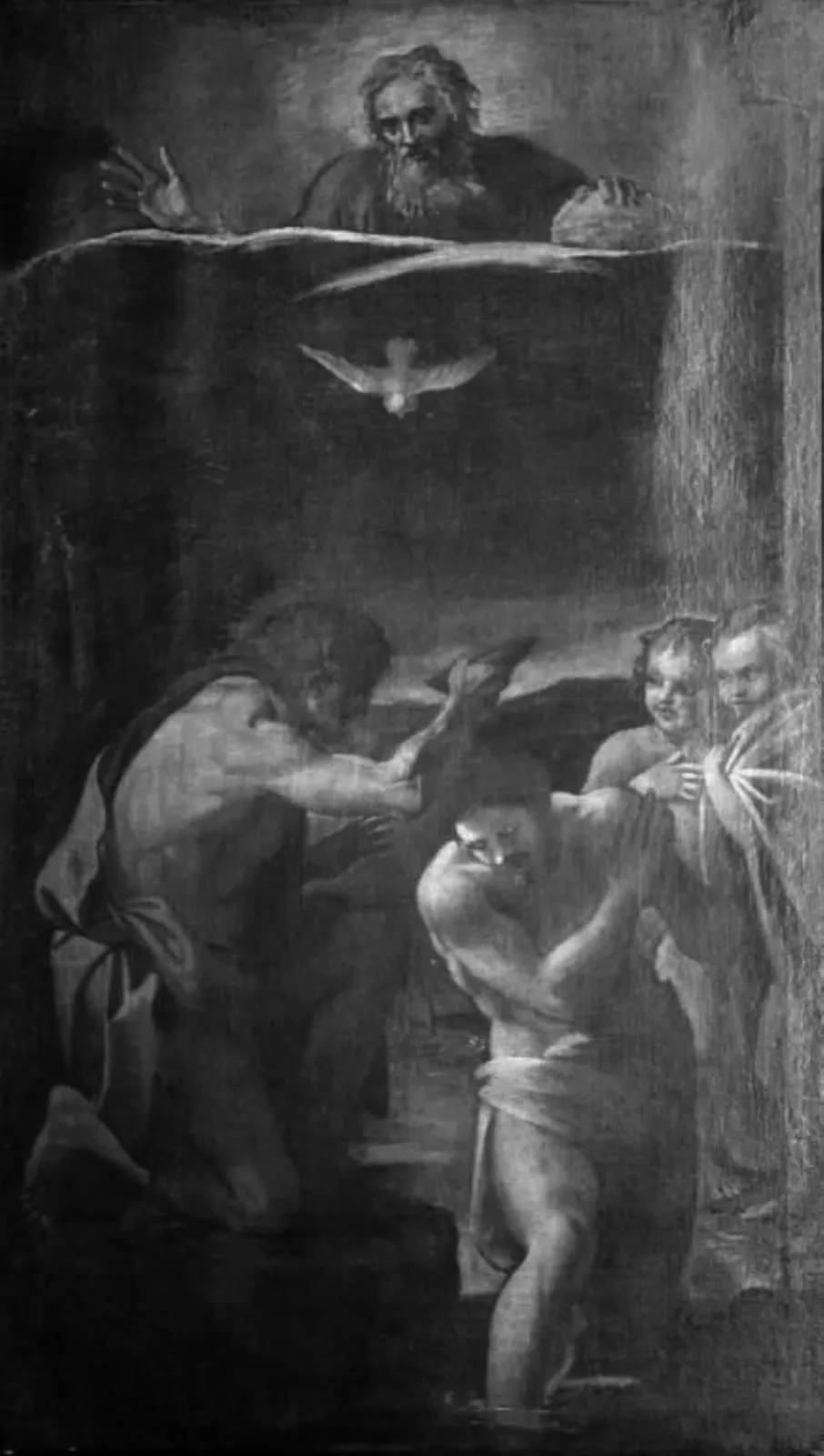
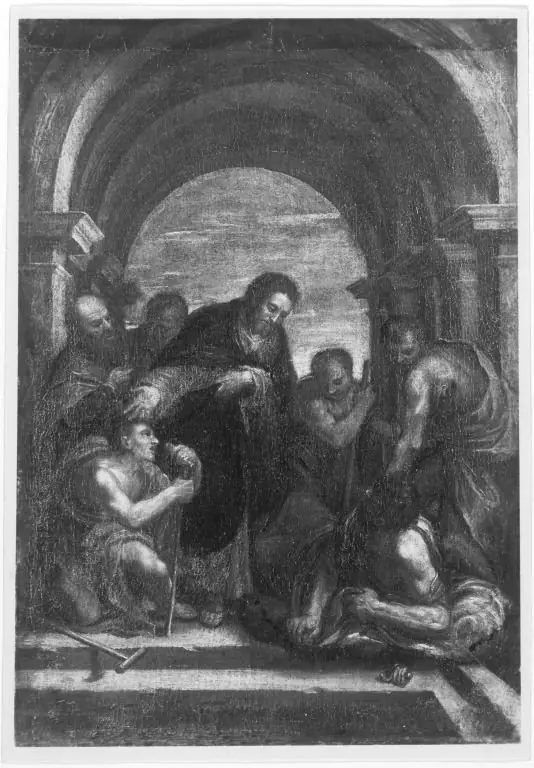
The Baptism of Christ is a photography by Unknown. It dates from 1592 and is held in the collection of the Statens Museum for Kunst.
About this work
Overview
Painted around 1592, this work depicts the baptism of Christ as described in the Gospels. It is attributed to an artist active in the late 16th century and is currently housed in the Museum of Ethnography. The composition centers on a moment of spiritual revelation, rendered with heightened emotional tension through controlled lighting and minimal spatial depth.
Subject & Meaning
The scene portrays John the Baptist, an elderly figure with a beard, guiding the baptism of Christ, a youthful man with arms outstretched.
The scene portrays John the Baptist, an elderly figure with a beard, guiding the baptism of Christ, a youthful man with arms outstretched. A child holds a cloth nearby, likely symbolizing the ritual’s practical and sacred elements. Above, a dove hovers in a beam of light, representing the Holy Spirit. The composition emphasizes divine intervention and the transition from earthly to sacred authority.
Technique & Style
The artist employs chiaroscuro to model forms through stark contrasts between light and shadow. The light source, positioned above, illuminates Christ’s torso while leaving the background in deep gloom. This selective illumination draws focus to the central figures and enhances the scene’s solemnity. The figures are rendered with restrained detail, prioritizing emotional weight over naturalistic precision.
History & Provenance
The painting’s early history is undocumented, but it entered the Museum of Ethnography’s collection in the late 19th century. Its attribution to a specific artist remains uncertain, though stylistic elements align with late Renaissance devotional works from southern Europe. The work’s survival suggests it was preserved within a private or ecclesiastical context before institutional acquisition.
Context
Created during a period of religious upheaval, the painting reflects the Counter-Reformation’s emphasis on clear, emotionally resonant religious imagery. While not commissioned for a major church, its subject and technique align with contemporary devotional practices that sought to inspire contemplation and piety through dramatic visual storytelling.
Legacy
Though not widely exhibited or reproduced, the painting contributes to the understanding of regional religious art in the late 1500s. Its use of light and symbolic economy reveals how smaller-scale works conveyed theological narratives with intensity. It remains a quiet example of how personal devotion shaped visual culture beyond grand altarpieces.
Artist & collection

 Domestic Scene
 Giacomo and Cardinal Marco, investing Andrea, Abbot of San Zeno, with his Benefice
 The Nymph of Fontainebleau
 Portrait of a Woman
 Madonna and Child with Saints in the Enclosed Garden
 Venus and Minerva
 Family Group of Four on Sofa
 Wall painting from Room H of the Villa of P. Fannius Synistor at Boscoreale
 The Baptism of Christ
 Den vantro Thomas
 Christus am Ölberg
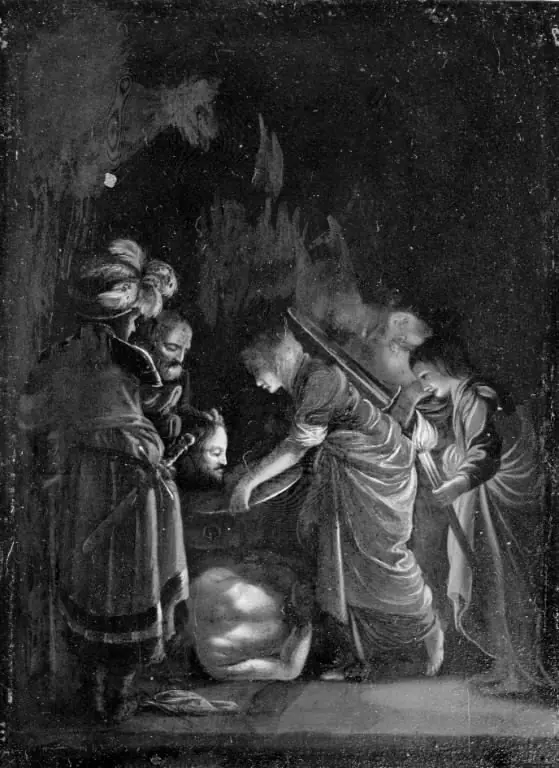 The Presentation of the Head of Saint John the Baptist, Night
 The Presentation of the Head of Saint John the Baptist, Night
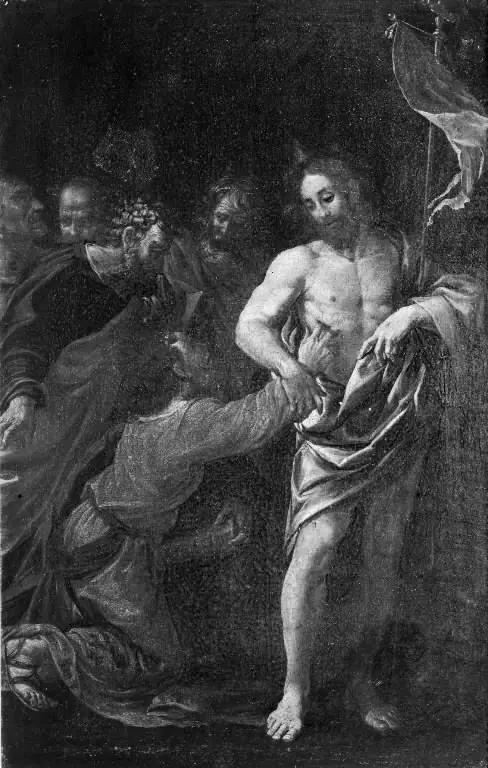 The Incredulity of St Thomas
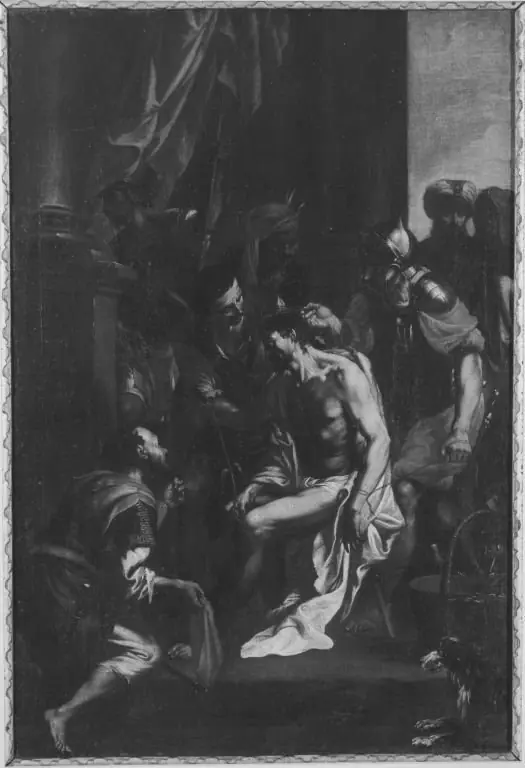 Dornenkrönung Christi
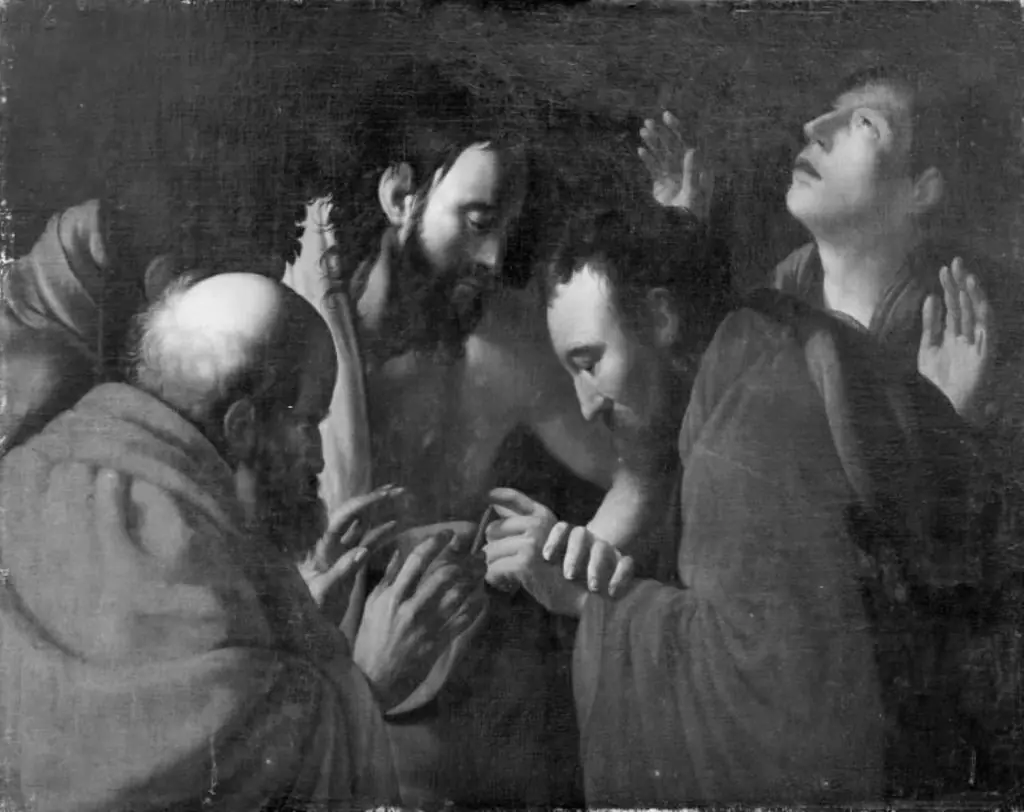 Den vantro Thomas
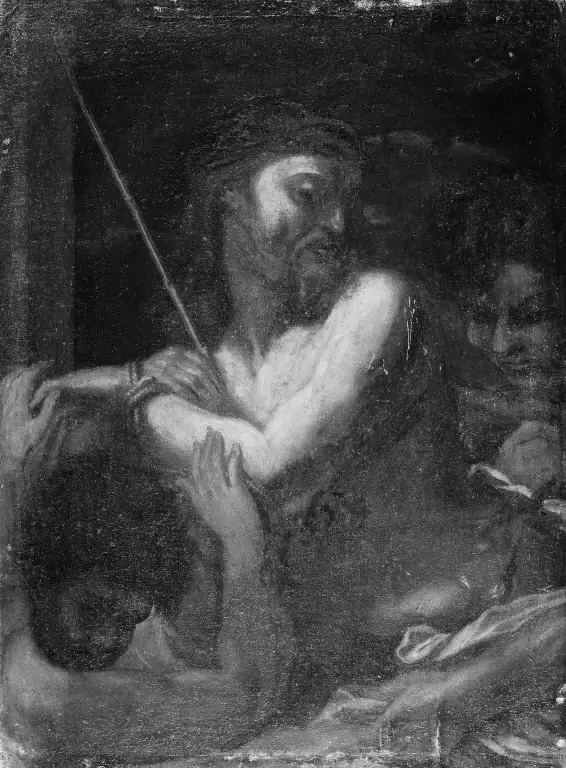 The Suffering Christ
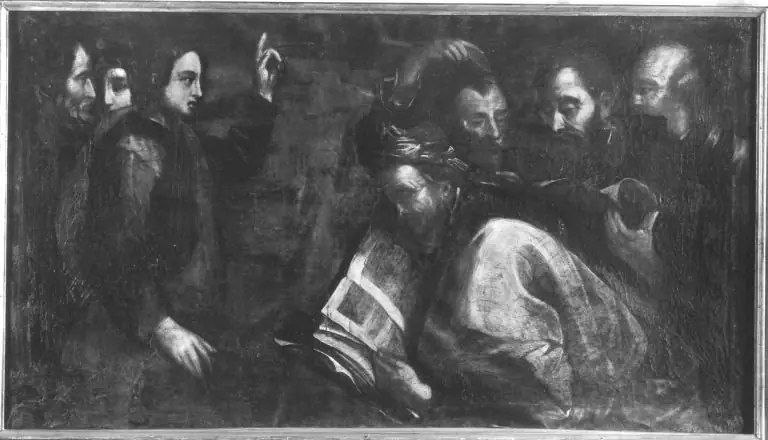 Der zwölfjährige Jesus im Tempel
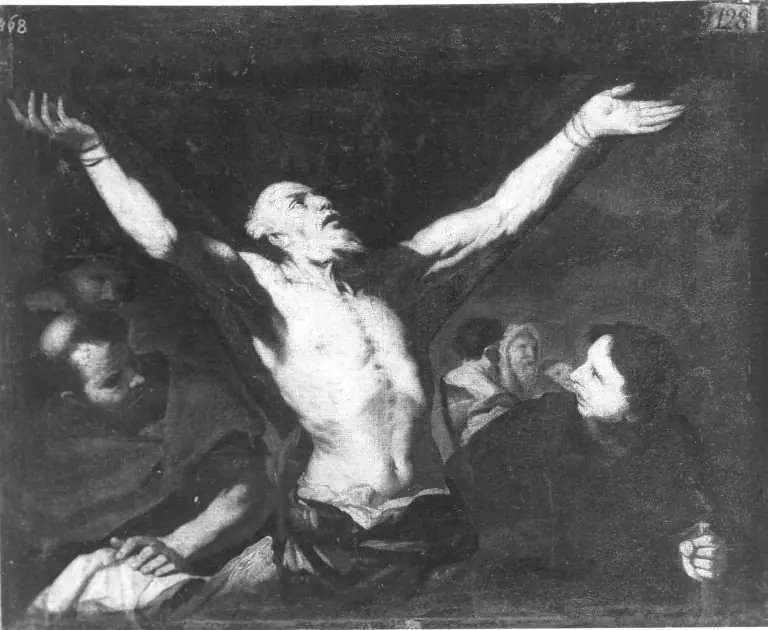 Der hl. Andreas
 Heilung des Gichtbrüchigen