Artwork
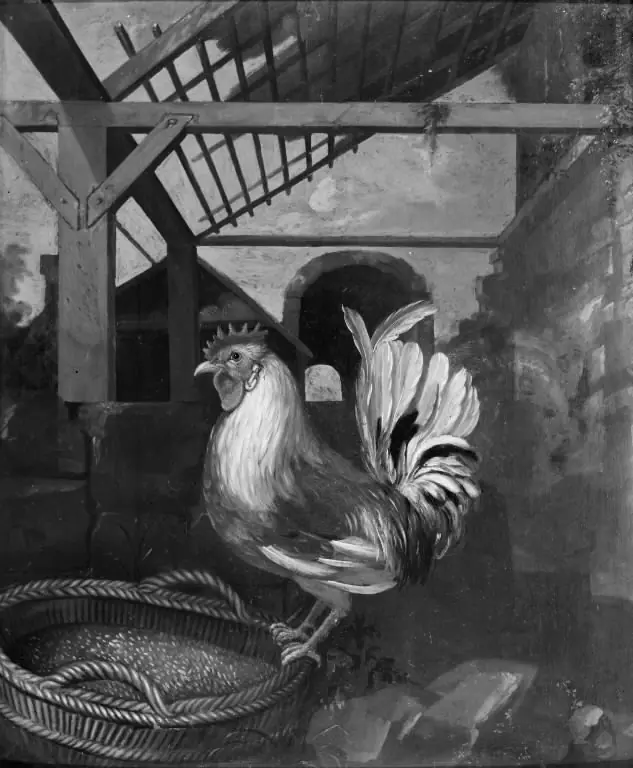
En hane sidder på en kurv fyldt med korn i stald, bag ved blå himmel
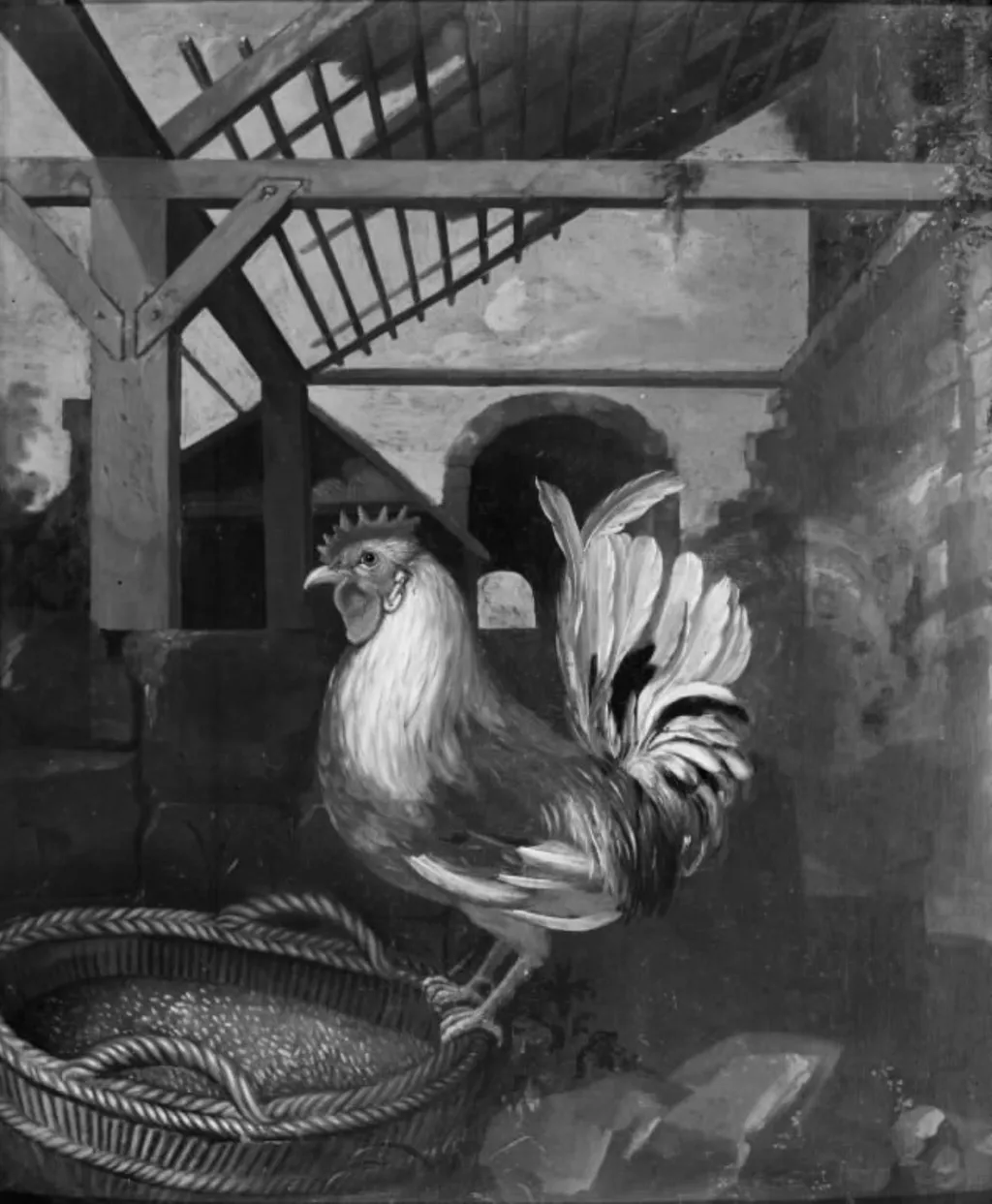
En hane sidder på en kurv fyldt med korn i stald, bag ved blå himmel is a photography by Unknown. It dates from 1750 and is held in the collection of the Statens Museum for Kunst. This image, dated around 1750, depicts a rooster perched atop a woven basket filled with grain inside a barn.
About this work
Overview
This image, dated around 1750, depicts a rooster perched atop a woven basket filled with grain inside a barn.
This image, dated around 1750, depicts a rooster perched atop a woven basket filled with grain inside a barn. The scene is rendered in monochrome, emphasizing form and contrast over color. It is held in the collection of the Museum of Ethnography, though the artist’s identity remains unrecorded. The composition captures a quiet, everyday moment on a farm, framed by the structural elements of the stable.
Subject & Meaning
The rooster, positioned prominently on the basket of grain, suggests themes of domesticity and agricultural abundance. Its upright posture and detailed plumage convey alertness and dignity, common symbolic traits associated with roosters in rural life. The basket, a utilitarian object, anchors the scene in practicality, while the dim interior and distant window imply the quiet rhythm of farm routines, free from overt narrative or drama.
Technique & Style
The image employs strong chiaroscuro, using sharp contrasts between light and shadow to define volume and depth. The rooster’s feathers, particularly the fanned tail, are rendered with careful attention to texture, while the wooden fence and window frame create a structured boundary for the scene. The monochrome palette enhances the focus on form and spatial relationships, typical of observational drawings from the period.
History & Provenance
The work entered the Museum of Ethnography’s collection without documented provenance prior to its acquisition. Its origins are likely tied to regional folk or artisanal practices in Scandinavia, where such imagery may have served as studies of rural life. No records confirm its original purpose—whether as a sketch, instructional aid, or decorative piece—but its preservation suggests later recognition of its documentary value.
Context
Created in the mid-18th century, this image reflects a period when rural economies dominated European life. Visual records of farm animals and domestic settings were often made by local artists or observers documenting daily routines. Unlike formal portraiture, such works prioritized accuracy over idealization, offering insight into the material culture and animal husbandry practices of the time.
Legacy
Though not widely exhibited or reproduced, the image contributes to a broader archive of vernacular visual culture from the 18th century. It stands as a quiet testament to the observation of ordinary life, valued today for its unembellished depiction of agricultural settings. Its preservation in an ethnographic context underscores its role as a record of material and social conditions rather than artistic innovation.
Artist & collection

 Domestic Scene
 Giacomo and Cardinal Marco, investing Andrea, Abbot of San Zeno, with his Benefice
 The Nymph of Fontainebleau
 Portrait of a Woman
 Madonna and Child with Saints in the Enclosed Garden
 Venus and Minerva
 Family Group of Four on Sofa
 Wall painting from Room H of the Villa of P. Fannius Synistor at Boscoreale
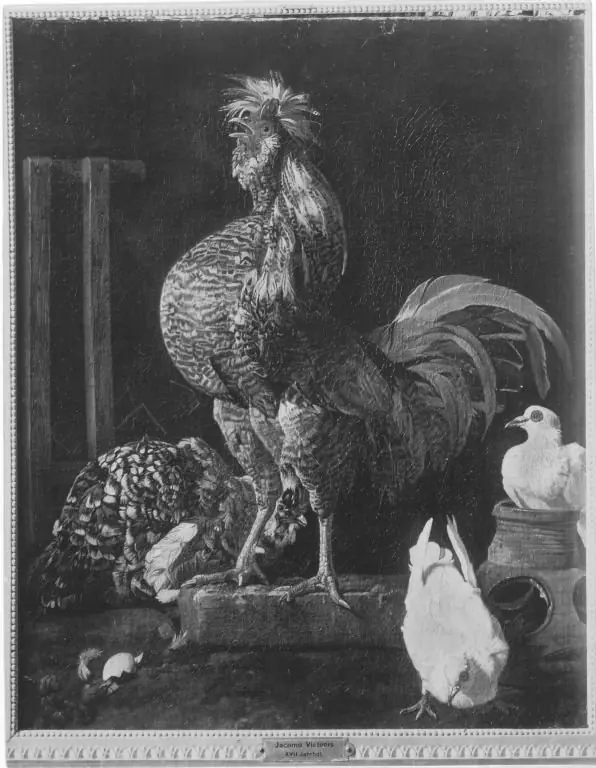 Rooster, Hen and Pigeons
 Mellem høns, haner og kyllinger, ses et par påfugle
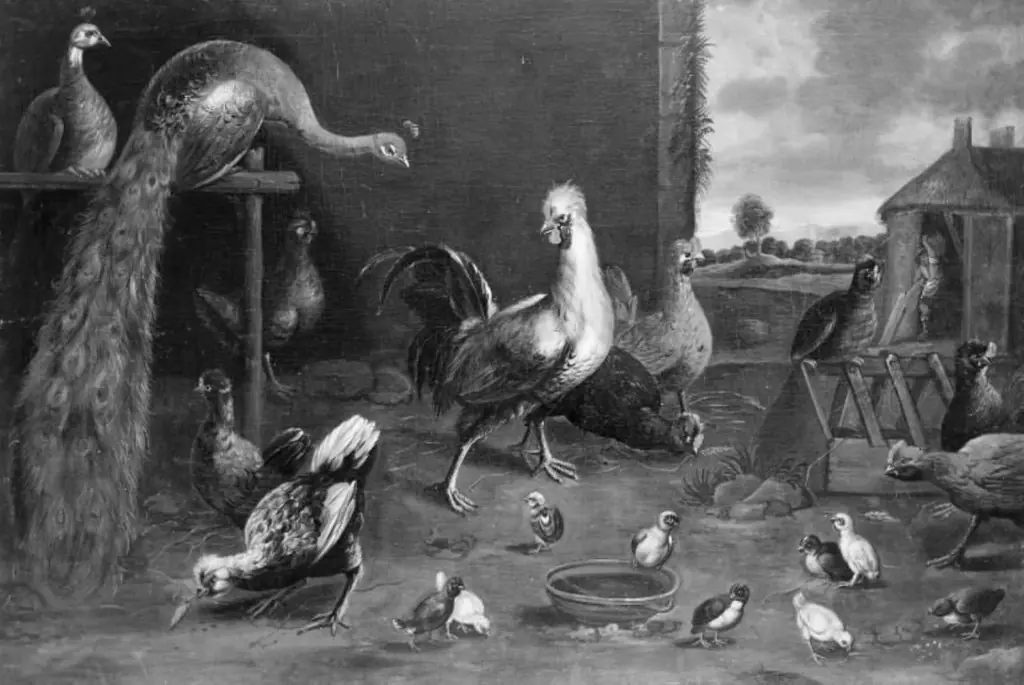 Mellem høns, haner og kyllinger, ses et par påfugle
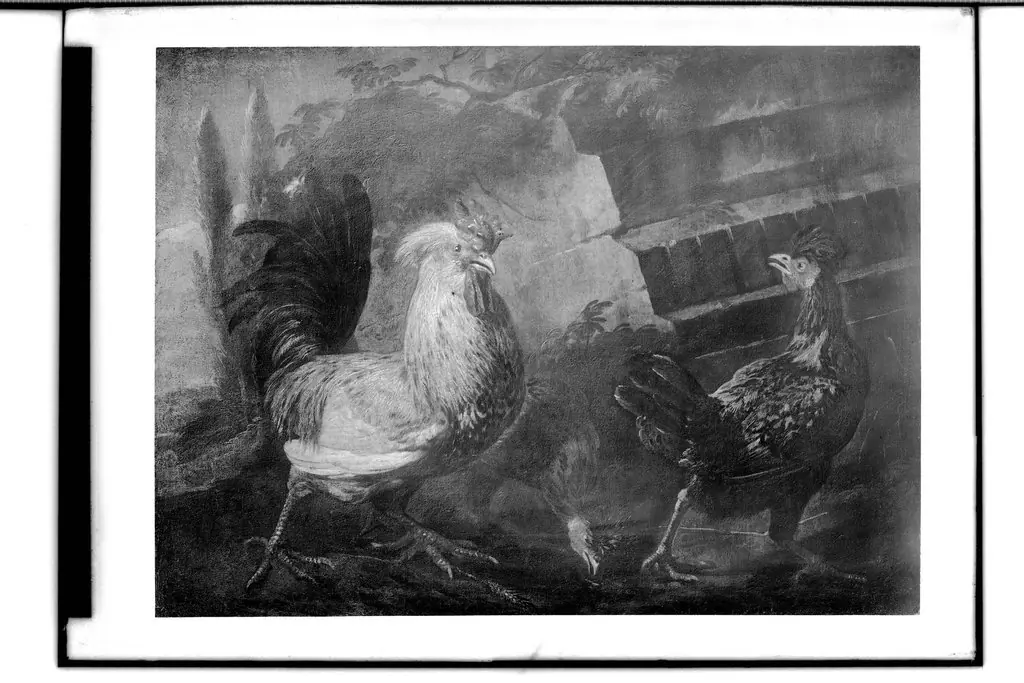 Rooster and hens
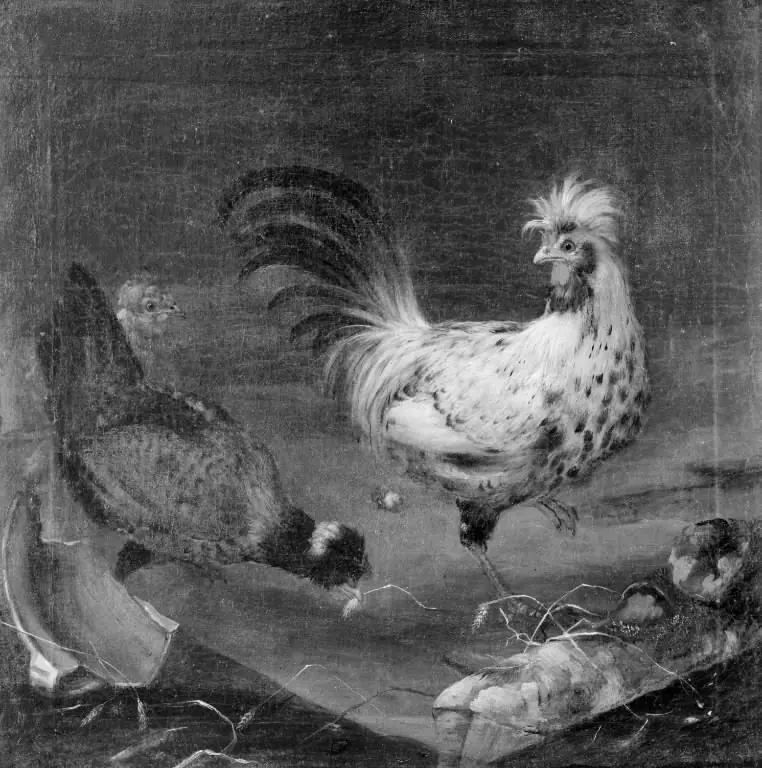 Two Hens and a Cock
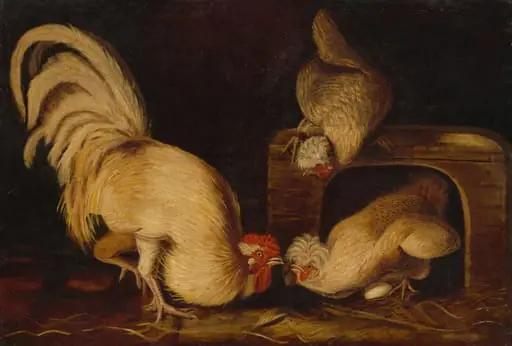 Farmyard Fowls
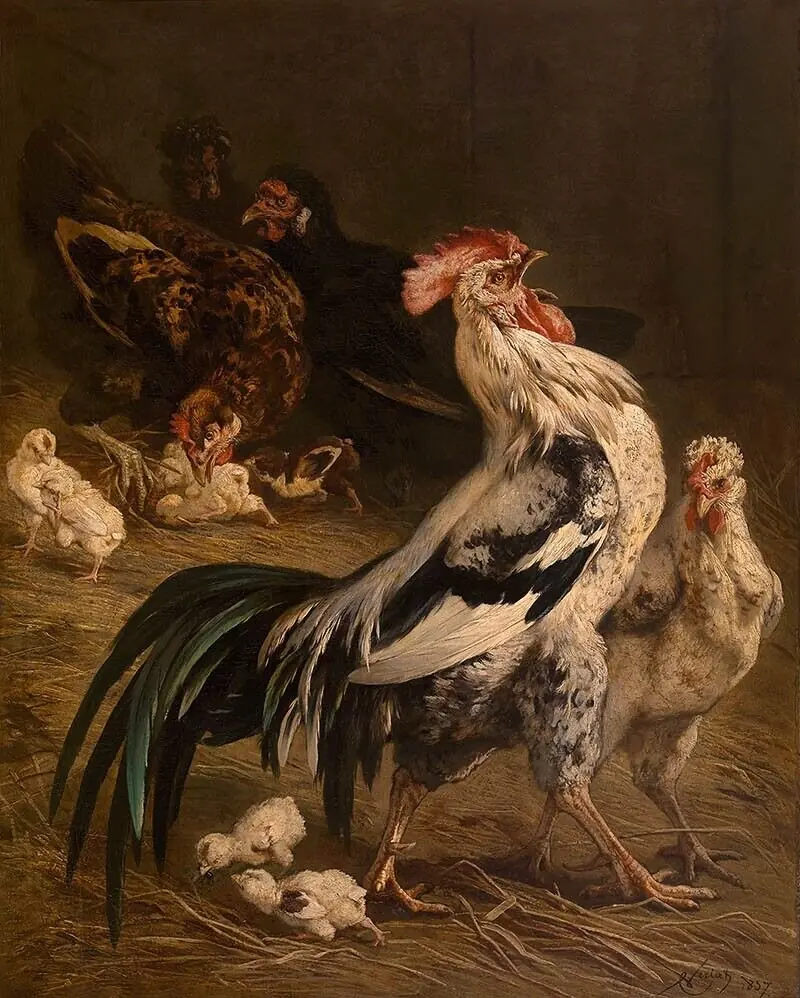 The King of the Poultry Yard
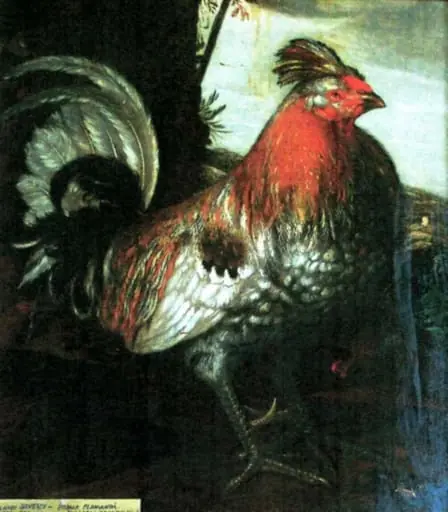 Parabola cocoșului
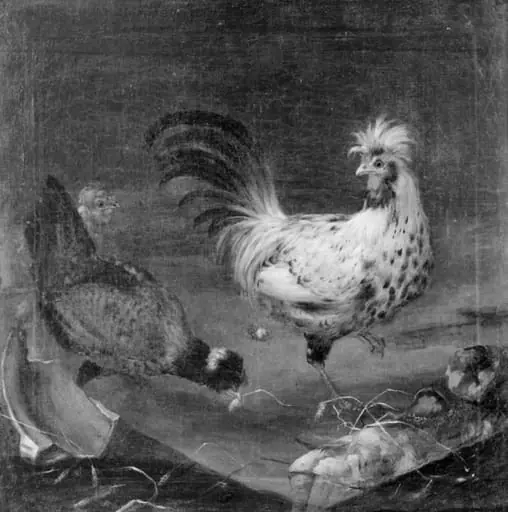 Two Hens and a Cock
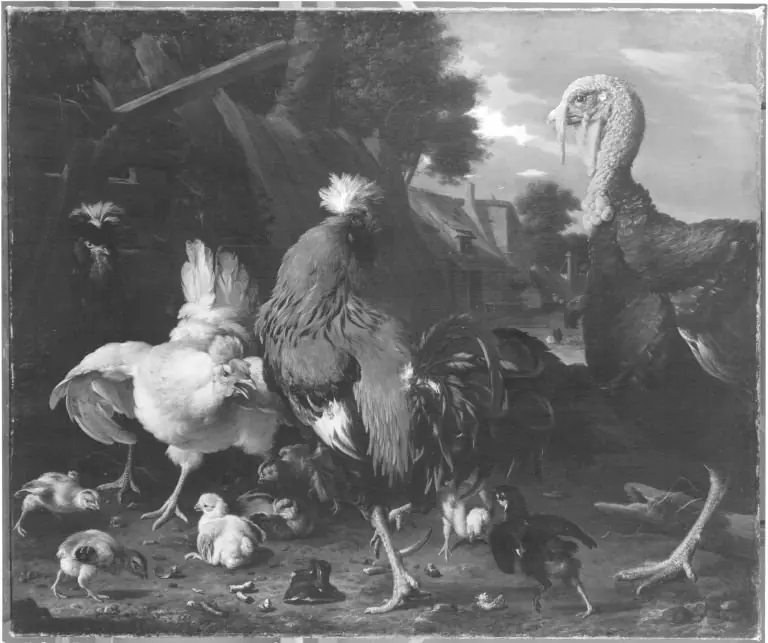 A turkey, chickens and quails in a farmyard
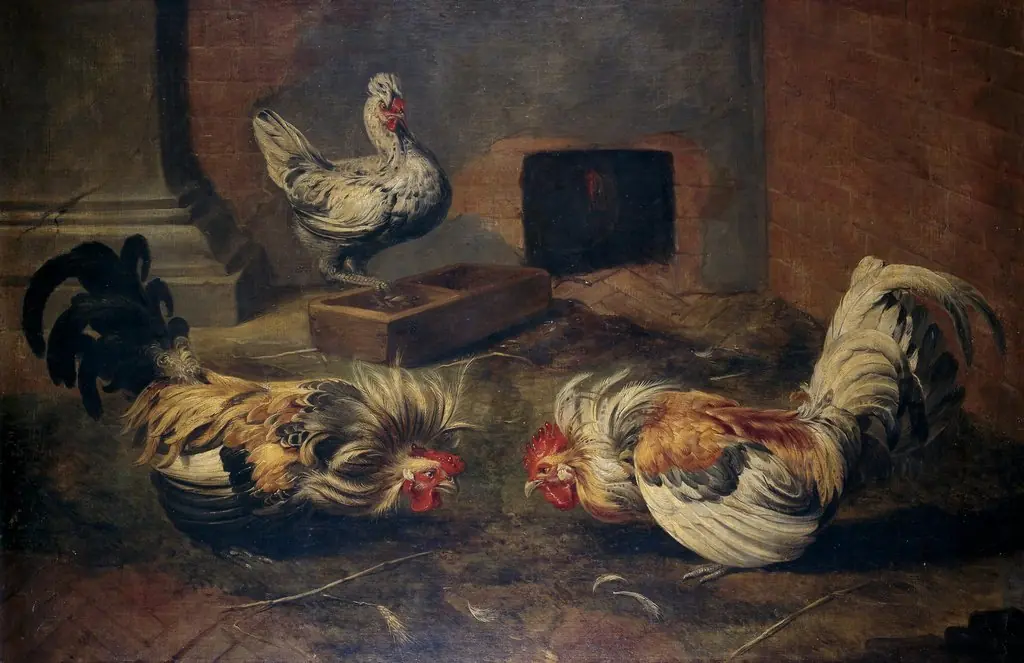 Chicken coop
 En hane sidder på en kurv fyldt med korn i stald, bag ved blå himmel