Artwork
Study from the Interior of Vartov Church in Copenhagen
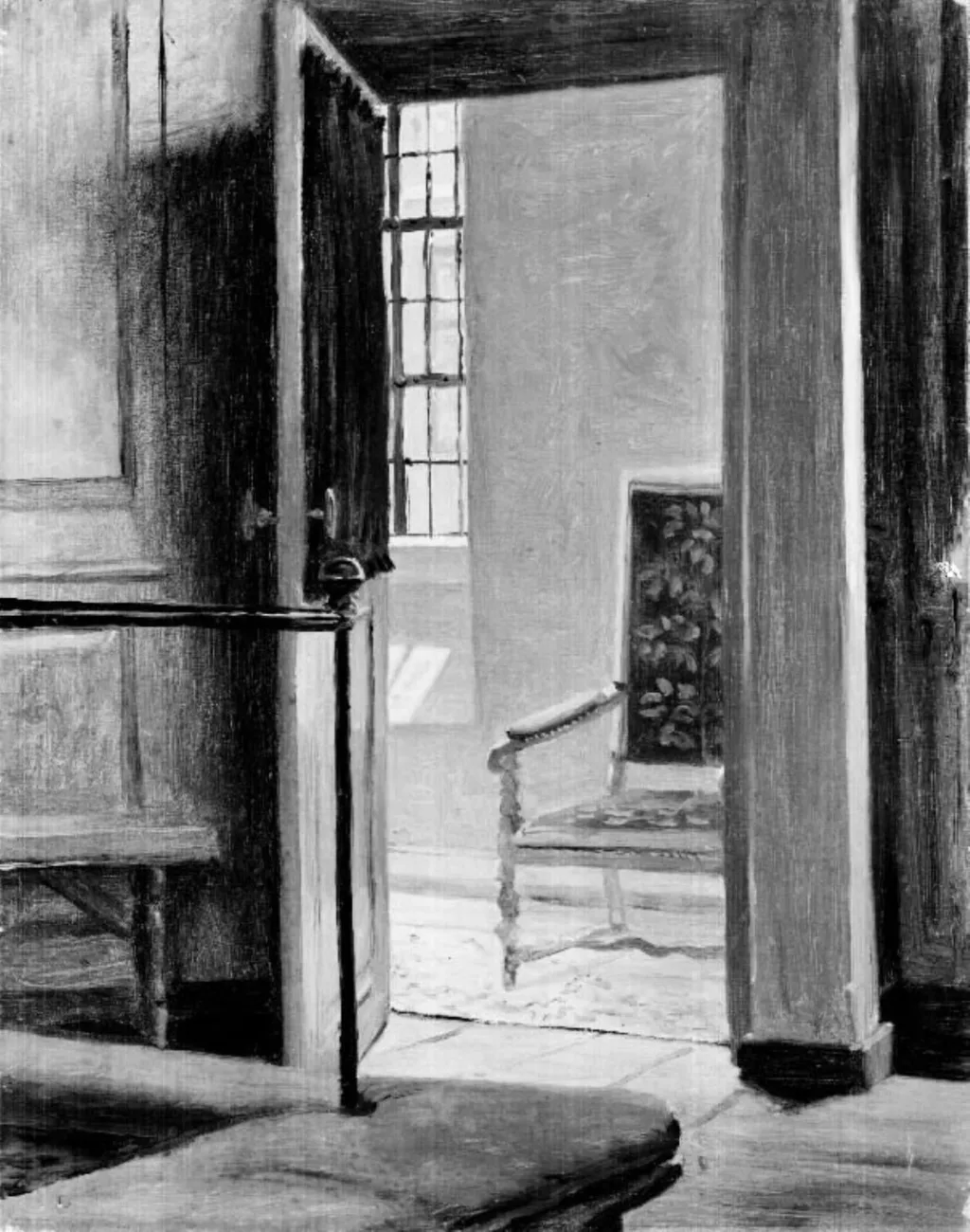
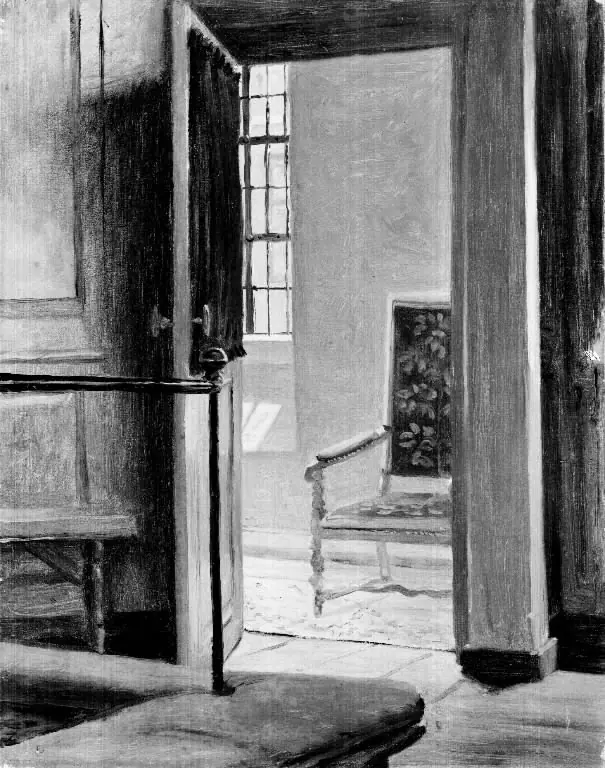
Study from the Interior of Vartov Church in Copenhagen is a drawing by the Impressionist artist Unknown. It dates from 1868 and is held in the collection of the Statens Museum for Kunst. Created in 1868, this drawing captures an interior space within Vartov Church in Copenhagen.
About this work
Overview
Executed in pencil or ink, the work belongs to a tradition of observational sketches that prioritize atmosphere over narrative.
Created in 1868, this drawing captures an interior space within Vartov Church in Copenhagen. Executed in pencil or ink, the work belongs to a tradition of observational sketches that prioritize atmosphere over narrative. It is held in the collection of the Museum of Ethnography, though its subject is architectural rather than ethnographic, suggesting a broader interest in domestic and sacred spaces of the time.
Subject & Meaning
The scene depicts a quiet, unoccupied interior: a partially open door reveals a staircase and a solitary chair in an adjacent room. Sunlight filters through a high window, illuminating worn flooring and a curved wooden bench in the foreground. The absence of people and the careful rendering of light suggest a meditation on stillness, transience, and the quiet dignity of everyday architecture.
Technique & Style
The artist employs subtle linear techniques—fine hatching and tonal gradations—to model form and suggest depth without color. Shadows are carefully weighted to define the contours of walls, stairs, and furniture, while the play of light emphasizes spatial recession. This restrained approach aligns with late 19th-century Scandinavian drawing practices that valued precision and emotional restraint over dramatic effect.
History & Provenance
The drawing was made in 1868 during a period of heightened interest in documenting architectural interiors across Northern Europe. It entered the Museum of Ethnography’s collection, possibly through a donation or acquisition tied to scholarly surveys of religious spaces. Its presence there reflects an early institutional effort to preserve visual records of everyday environments, even when they lacked overt cultural artifacts.
Context
In the 1860s, Danish artists increasingly turned to quiet, unadorned interiors as subjects, influenced by realism and the rise of photographic documentation. Vartov Church, a modest parish site, offered a contrast to grand cathedrals, making it a fitting subject for artists seeking authenticity. This work aligns with a broader movement to find meaning in ordinary, overlooked spaces.
Legacy
Though not widely exhibited, the drawing contributes to a body of work that redefined architectural observation in Nordic art. Its emphasis on light, silence, and material texture influenced later generations of Danish draftsmen who sought to convey emotional resonance through minimal means. It remains a quiet example of how line and shadow could evoke presence through absence.
Artist & collection

 Domestic Scene
 Giacomo and Cardinal Marco, investing Andrea, Abbot of San Zeno, with his Benefice
 The Nymph of Fontainebleau
 Portrait of a Woman
 Madonna and Child with Saints in the Enclosed Garden
 Venus and Minerva
 Family Group of Four on Sofa
 Wall painting from Room H of the Villa of P. Fannius Synistor at Boscoreale
 The Artist's Living Room
 The Artist's Living Room
 Interiør fra Immanuelskirken
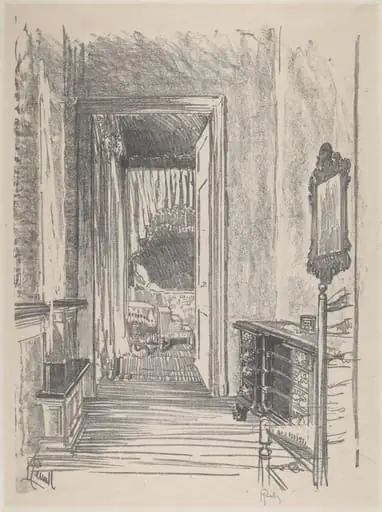 Hallway to Bed Room, Stenton
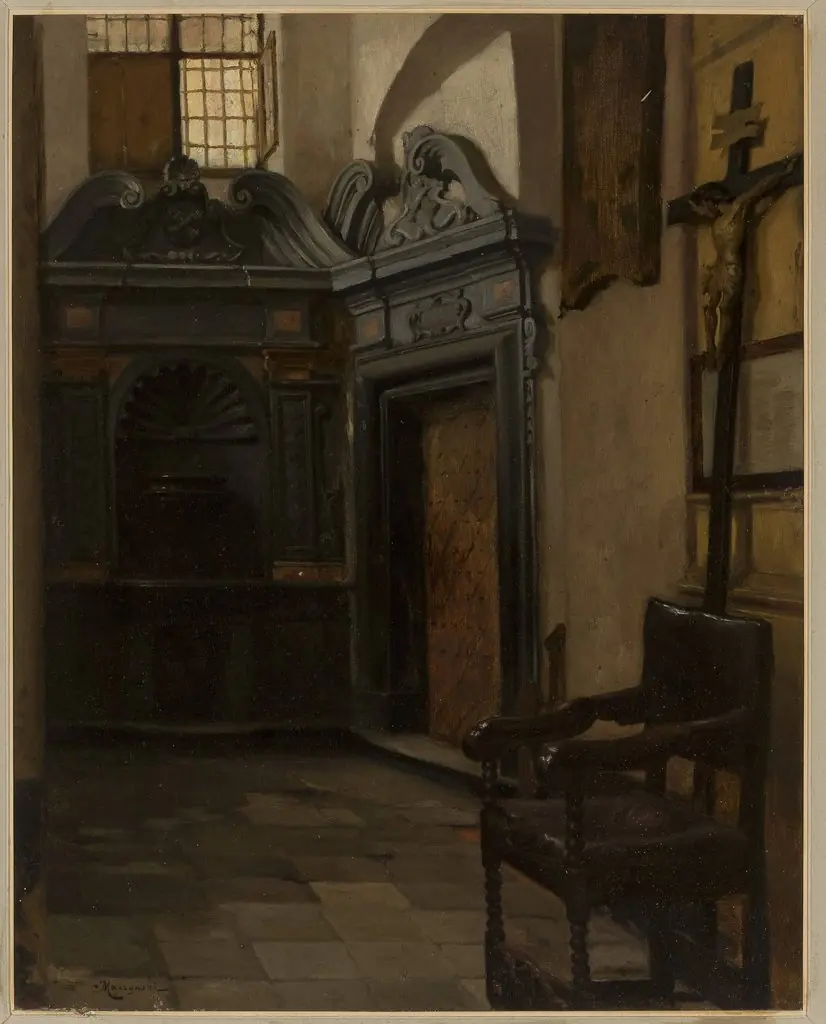 Sacristy
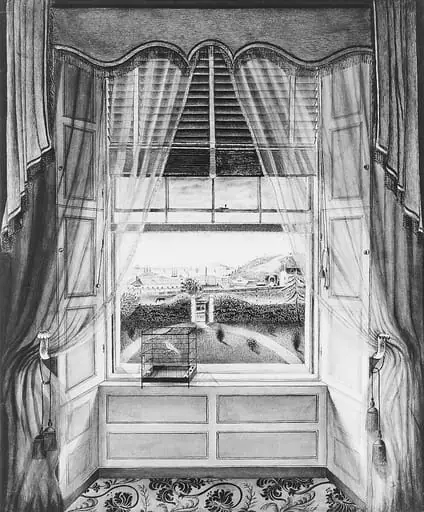 View from the House of Henry Briscoe Thomas, Baltimore
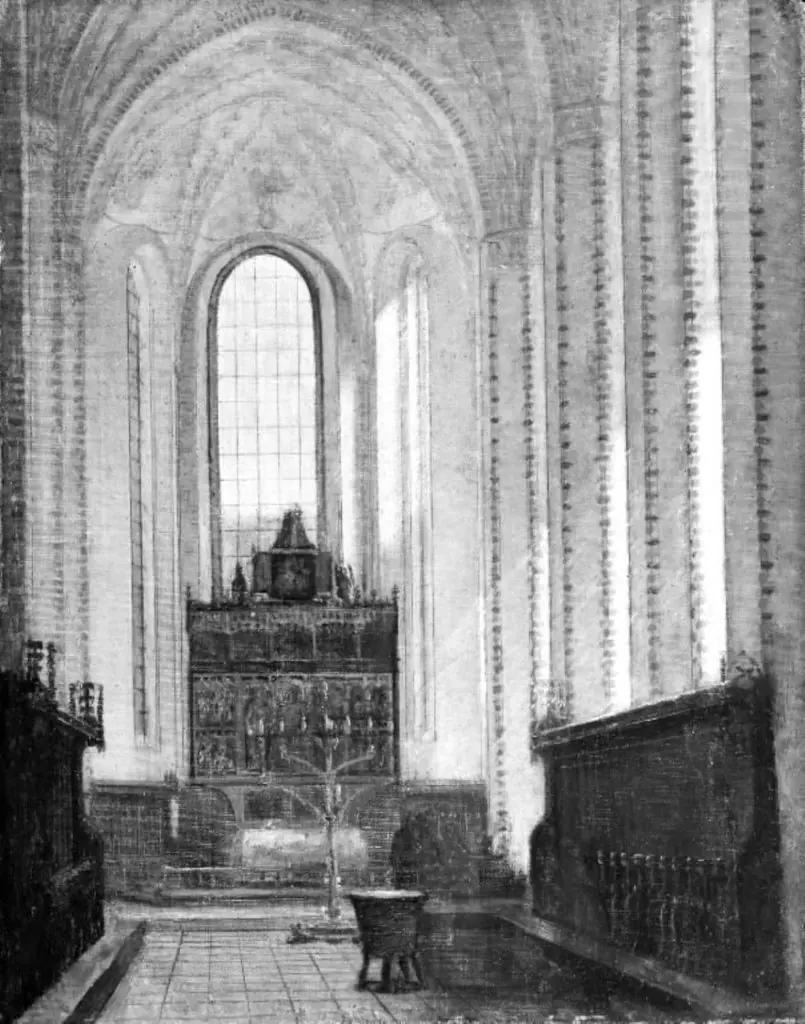 Koret i Århus Domkirke
 Maenan Hall, near Llanrwst
 Koret i Århus Domkirke
 Interiør fra Immanuelskirken
 The Hospital of the Holy Ghost, Lübeck
 Study from the Interior of Vartov Church in Copenhagen