Artwork
Parti ved Hammermøllen
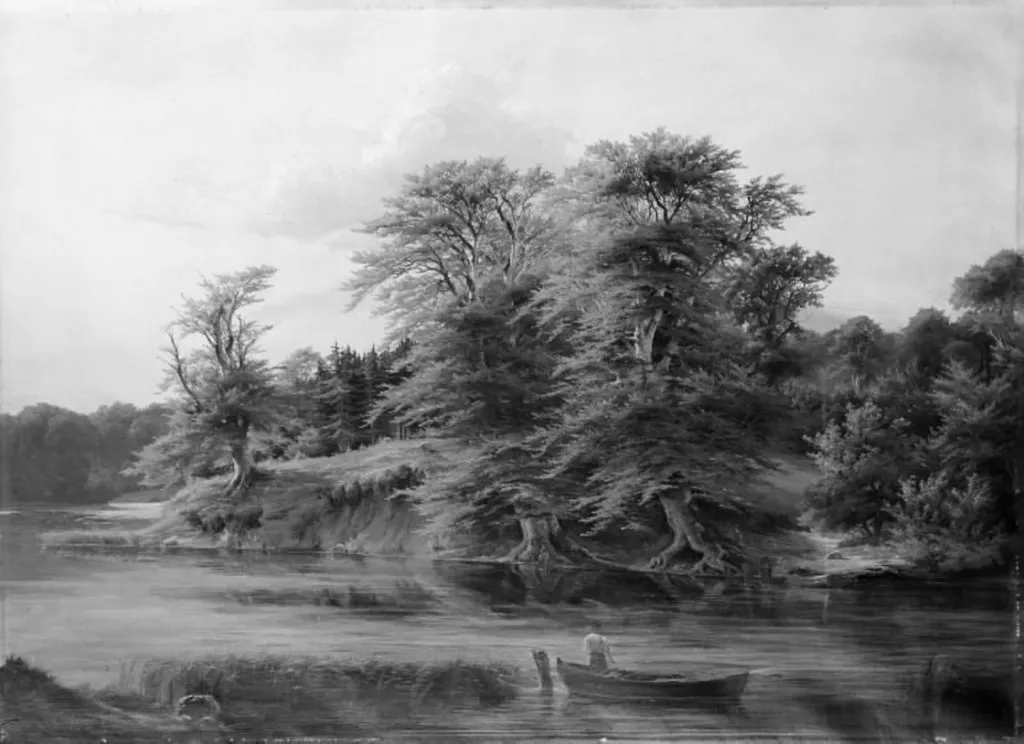
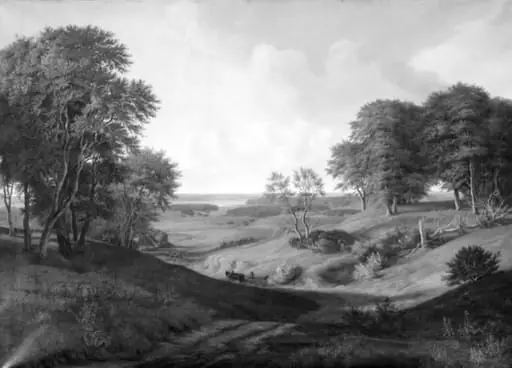
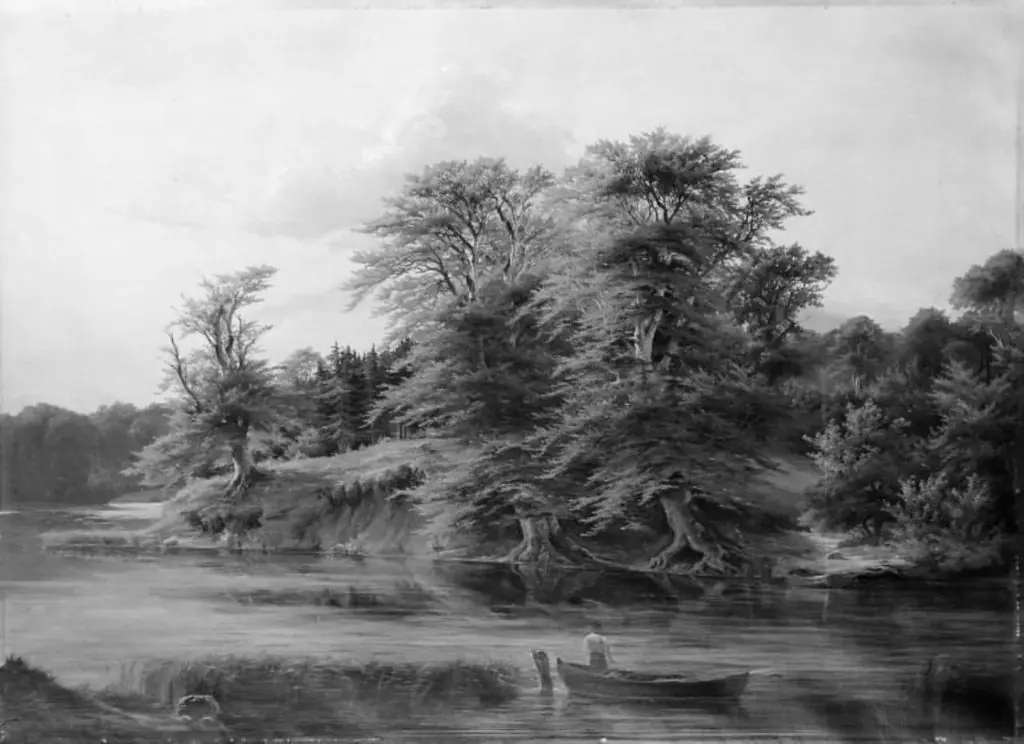
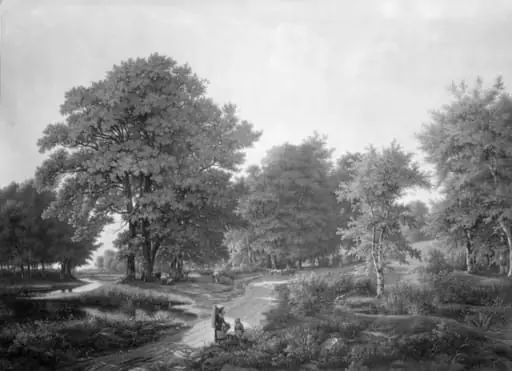
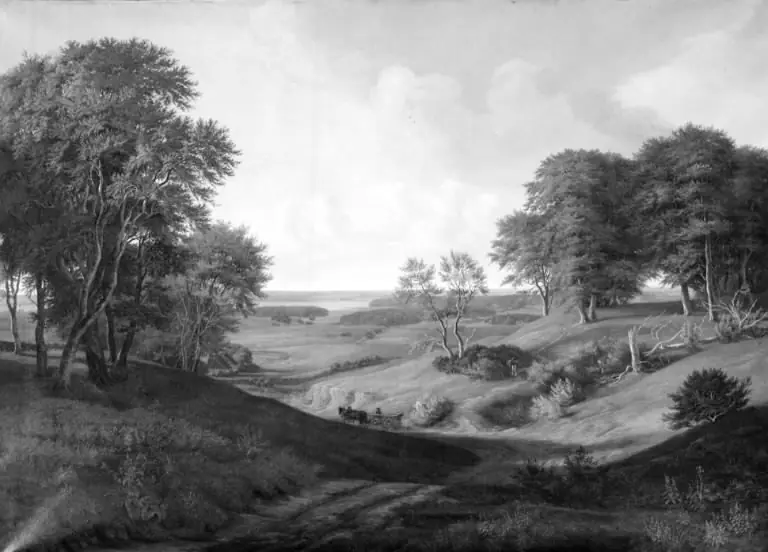
Parti ved Hammermøllen is a photography by the Romanticist artist Unknown. It dates from 1846 and is held in the collection of the Statens Museum for Kunst.
About this work
Overview
Painted in 1846 by 537_person, Parti ved Hammermøllen is a landscape work currently held in the collection of the Museum of Ethnography.
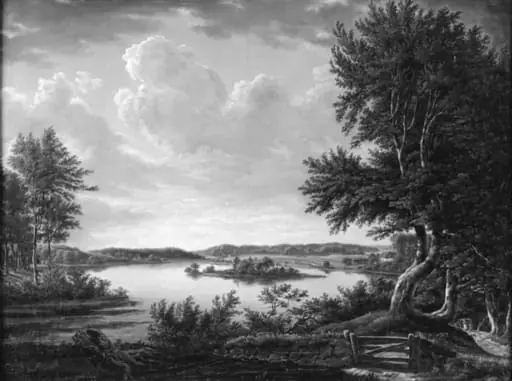
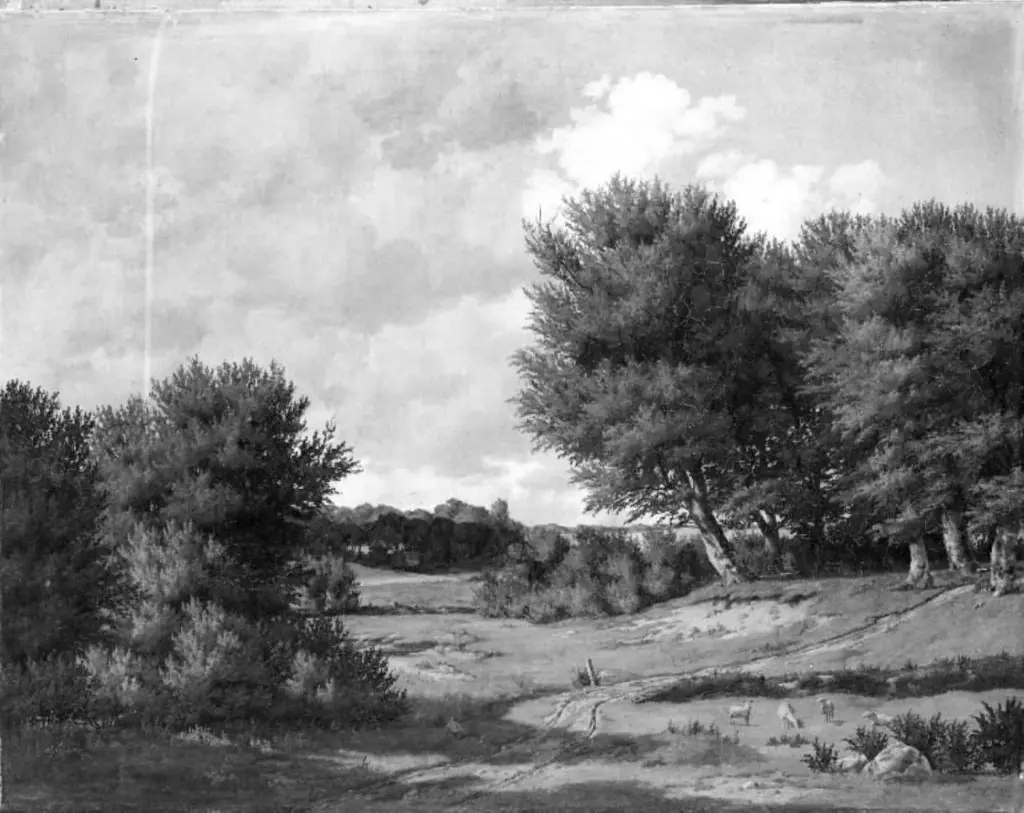
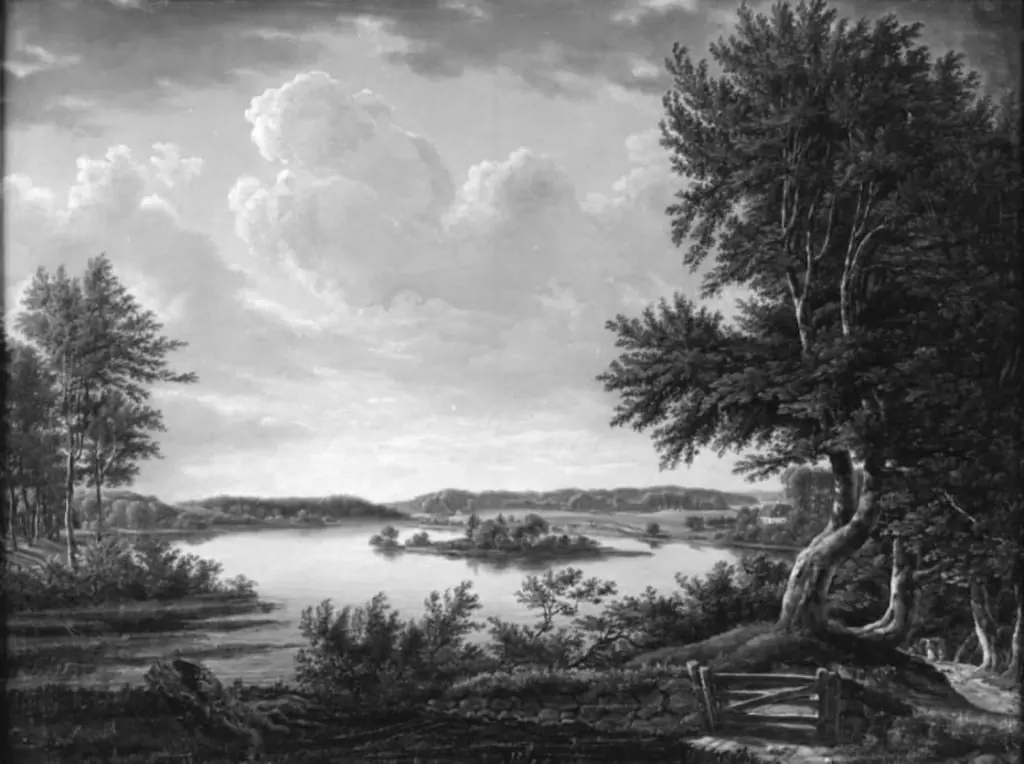
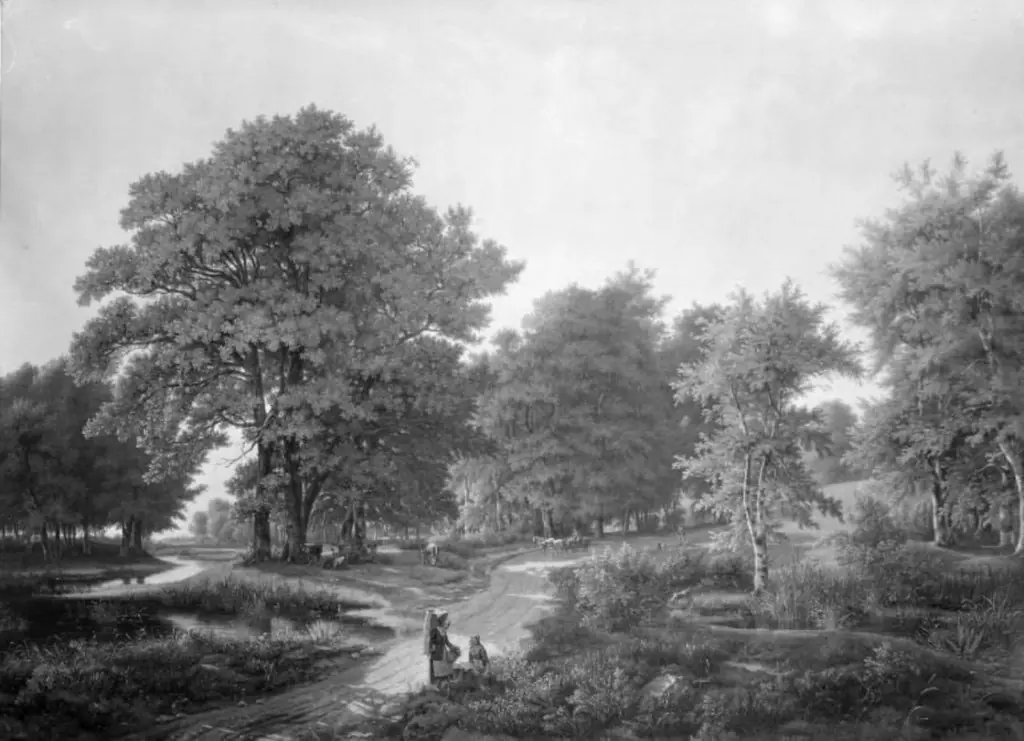
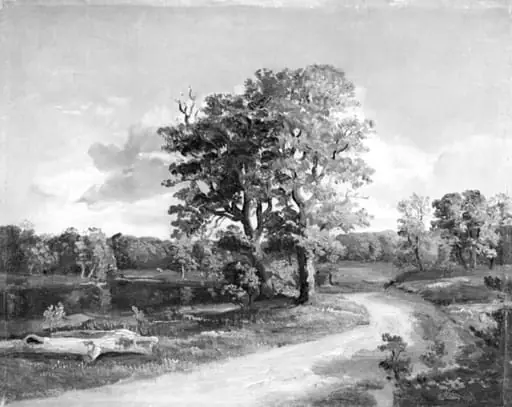
Painted in 1846 by 537_person, Parti ved Hammermøllen is a landscape work currently held in the collection of the Museum of Ethnography. The composition presents a quiet, unpopulated scene centered on a large tree, flanked by smaller vegetation and a still body of water. The muted sky and absence of human presence contribute to a contemplative mood, aligning the piece with broader 19th-century European tendencies to portray nature as a site of quiet reverence.
Subject & Meaning
The painting focuses on a solitary, mature tree as the visual anchor, surrounded by dense but orderly undergrowth and a reflective pond. No figures, structures, or signs of labor appear, suggesting an intentional withdrawal from human narrative. The stillness of the water and the uniformity of the foliage imply a moment suspended in time, evoking a sense of natural harmony rather than dramatic tension or symbolic allegory.
Technique & Style
The artist employs soft, blended brushwork to render foliage and water, avoiding sharp contours in favor of atmospheric gradations. The palette is restrained, dominated by greens and grays, with subtle variations in tone to suggest depth and texture. Light is diffused evenly across the scene, eliminating strong shadows and enhancing the calm, overcast atmosphere. These choices reflect a sensitivity to natural light and mood over detailed realism.
History & Provenance
The painting entered the Museum of Ethnography’s collection following its creation in 1846, though specific details of its early ownership or exhibition history are not documented. Its placement within an ethnographic institution, rather than a fine arts museum, suggests it may have been acquired as part of a broader cultural or regional survey, possibly reflecting Scandinavian landscape traditions of the period.
Context
Created during the height of Romanticism in Northern Europe, the work aligns with contemporary interests in nature as a source of emotional and spiritual resonance. While not overtly dramatic, its quietude reflects a quieter strand of Romantic thought—emphasizing solitude and the sublime in ordinary landscapes. Similar scenes appear in Danish and Norwegian art of the era, where unspoiled nature was increasingly valued amid industrialization.
Legacy
Parti ved Hammermøllen remains a modest but representative example of mid-19th-century Nordic landscape painting. It contributes to the understanding of how artists in the region engaged with natural environments without overt narrative or symbolism. Though not widely reproduced or studied, it holds value as a quiet testament to the period’s contemplative approach to nature.
Artist & collection

 Domestic Scene
 Giacomo and Cardinal Marco, investing Andrea, Abbot of San Zeno, with his Benefice
 The Nymph of Fontainebleau
 Portrait of a Woman
 Madonna and Child with Saints in the Enclosed Garden
 Venus and Minerva
 Family Group of Four on Sofa
 Wall painting from Room H of the Villa of P. Fannius Synistor at Boscoreale