Artwork
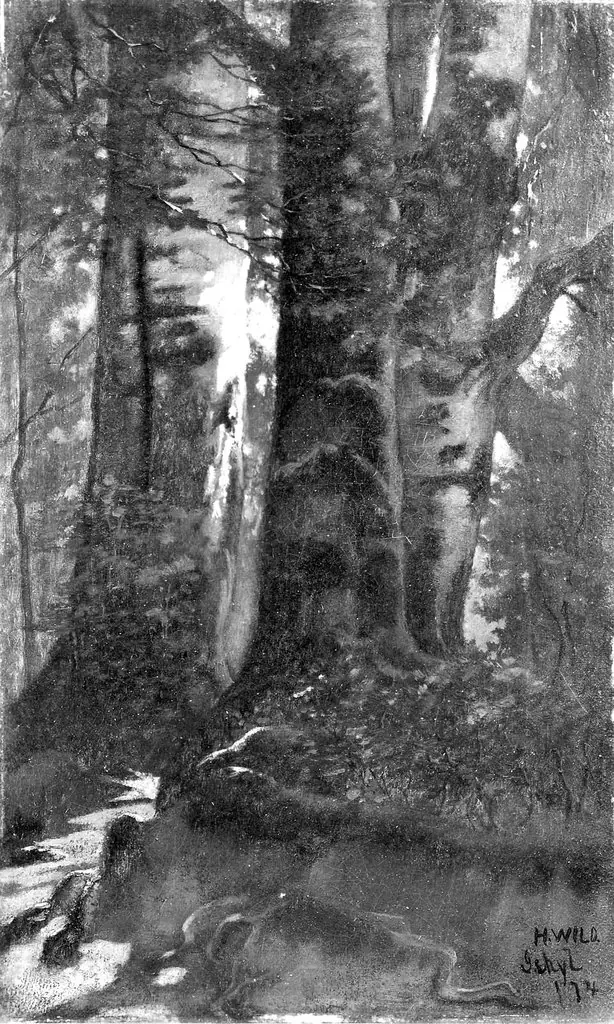
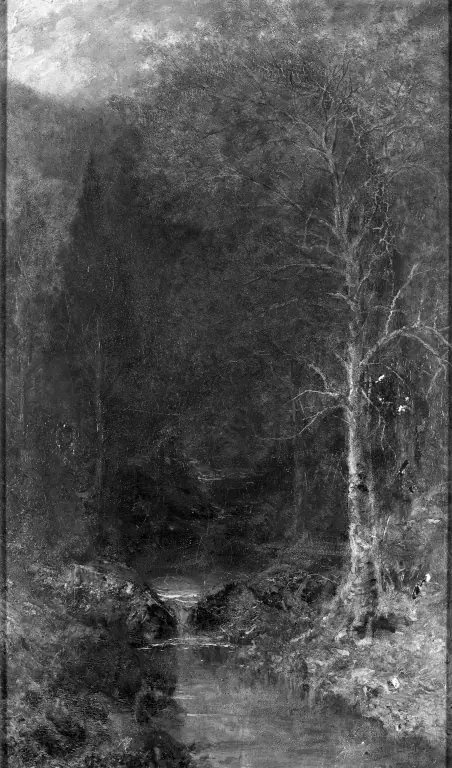
Måneskin i skoven
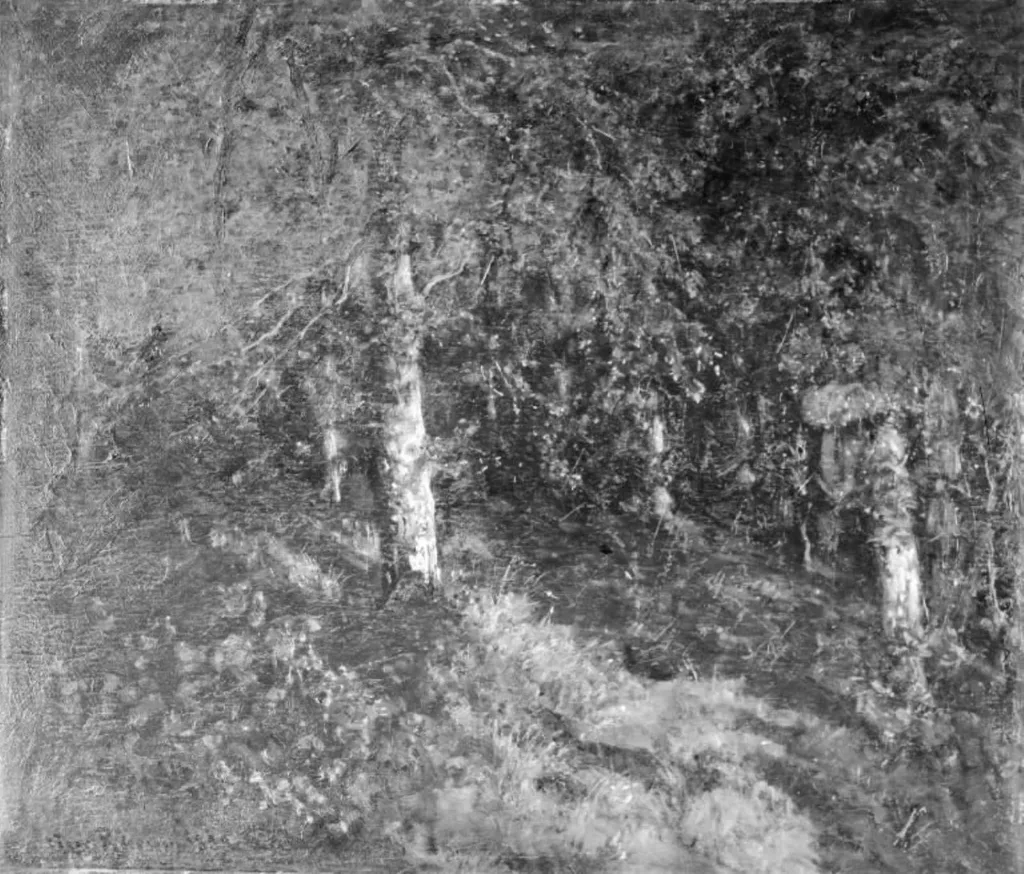
Måneskin i skoven is a photography by the Impressionist artist Unknown. It dates from 1889 and is held in the collection of the Statens Museum for Kunst.
About this work
Overview
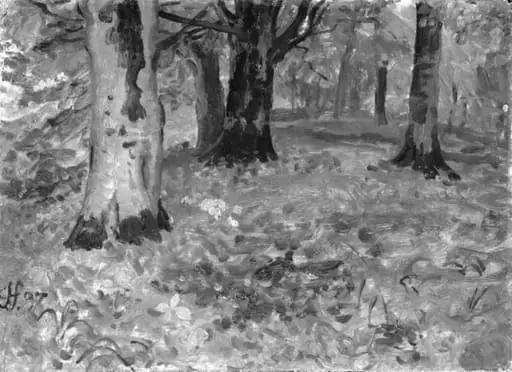
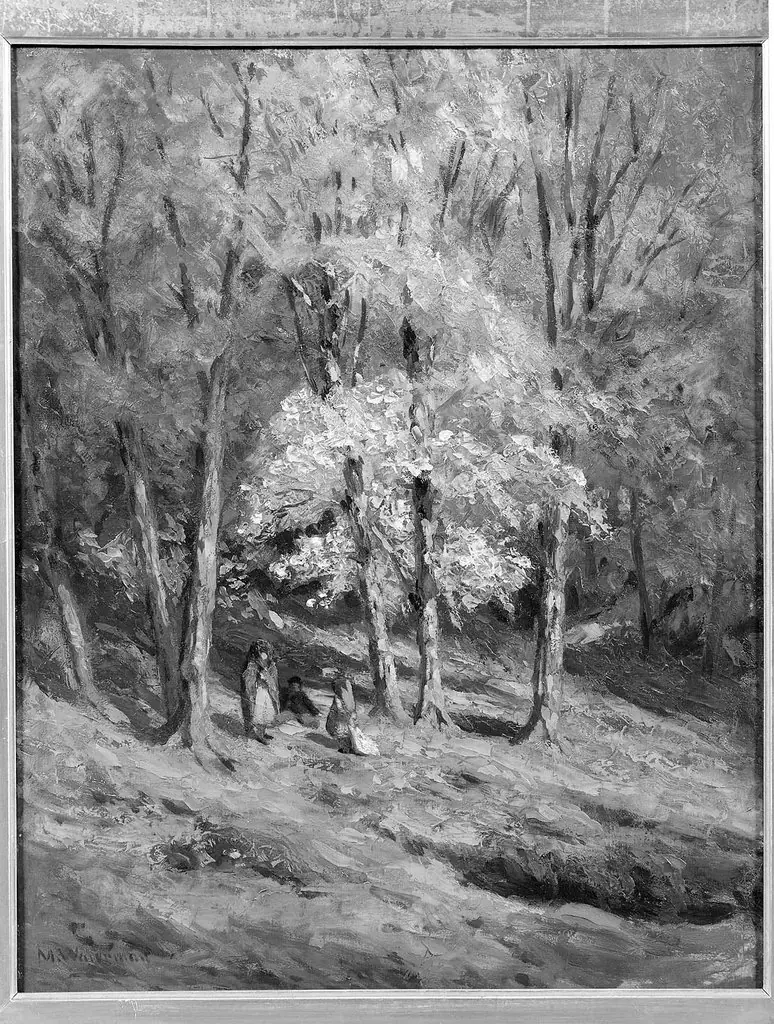
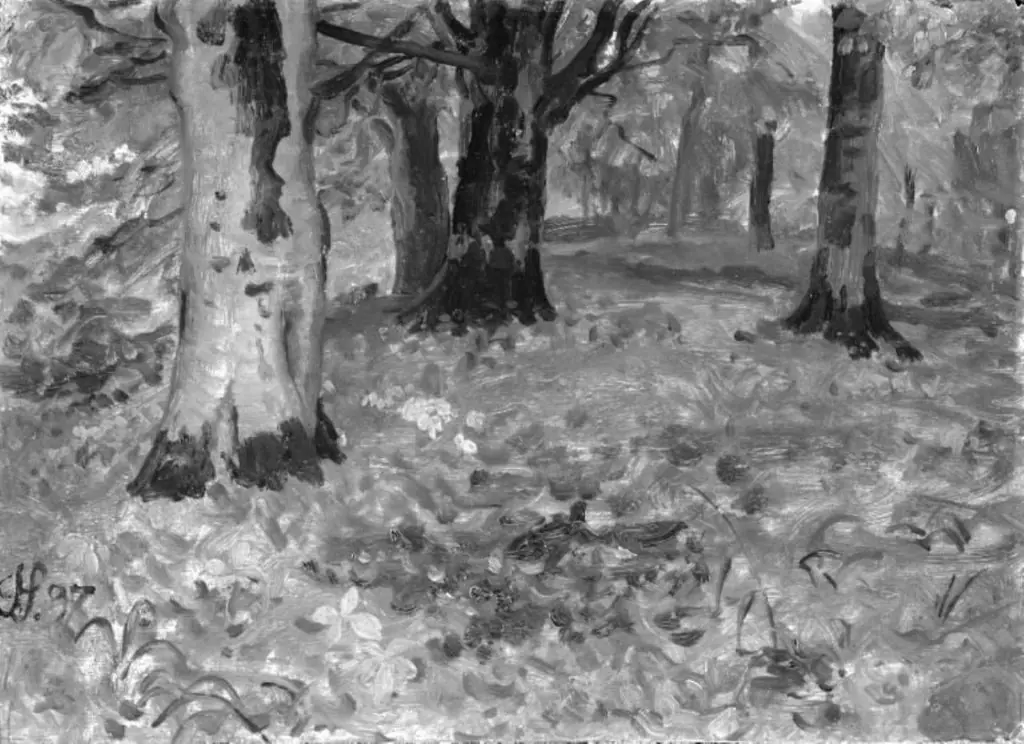
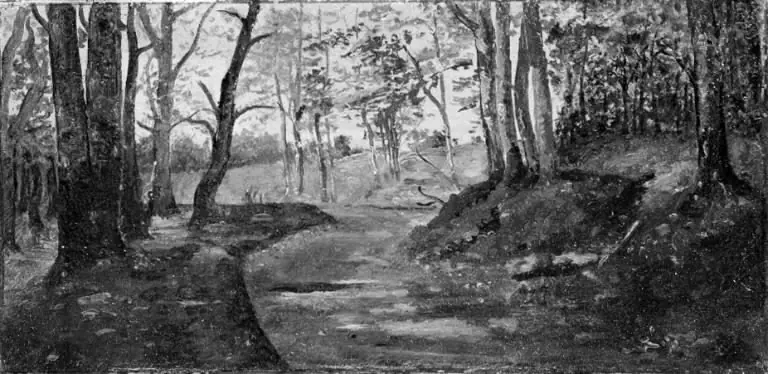
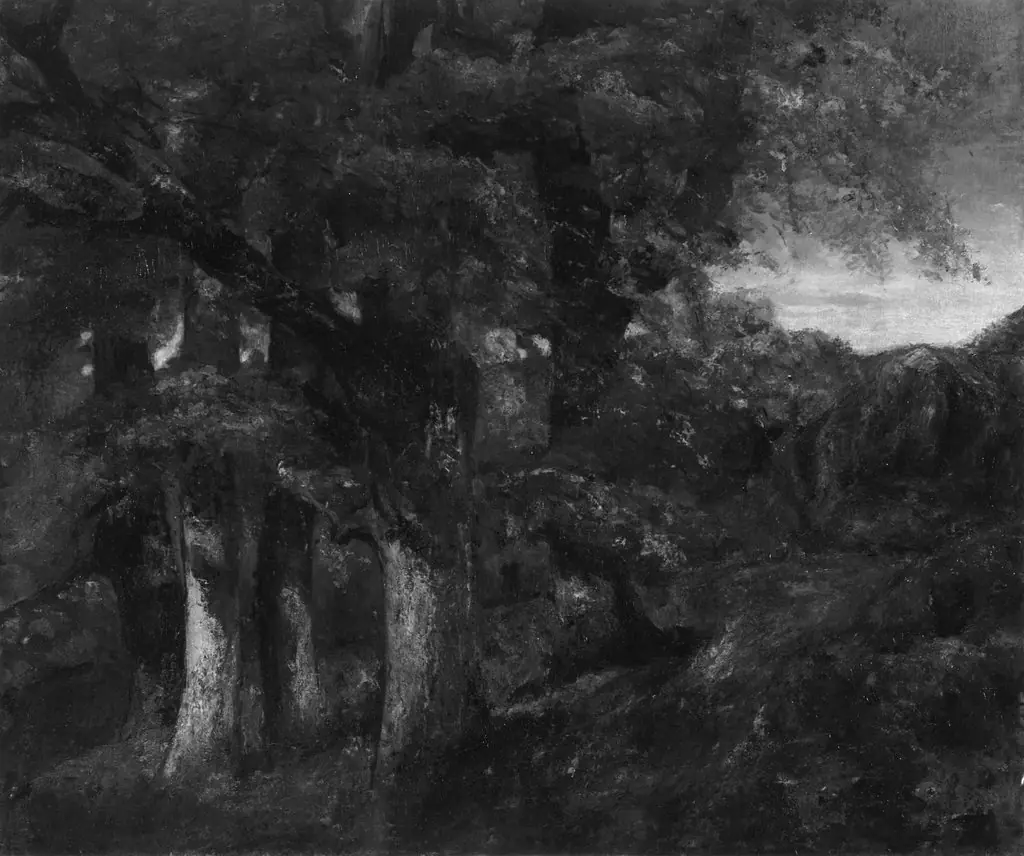
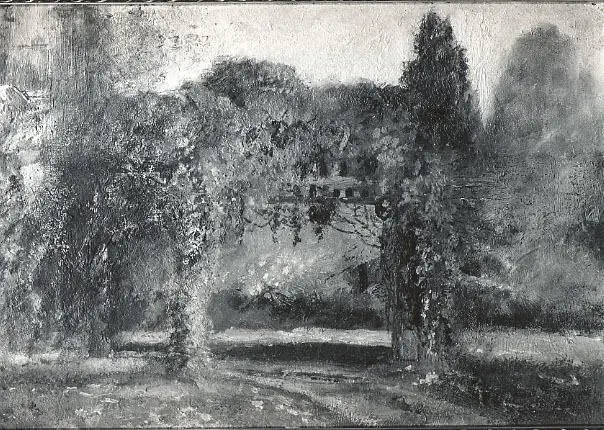
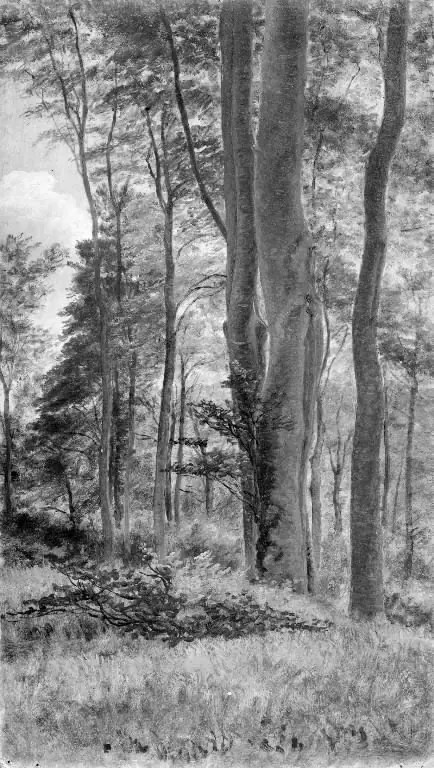
The image captures a quiet woodland scene, emphasizing natural forms through the medium of photography.
Måneskin i skoven is a photographic work from 1889, attributed to the artist 558_person. It is part of the collection at the Museum of Ethnography. The image captures a quiet woodland scene, emphasizing natural forms through the medium of photography. Unlike painted landscapes of the period, this piece relies on the direct recording of light and shadow to convey its atmosphere, reflecting an interest in unembellished observation.
Subject & Meaning
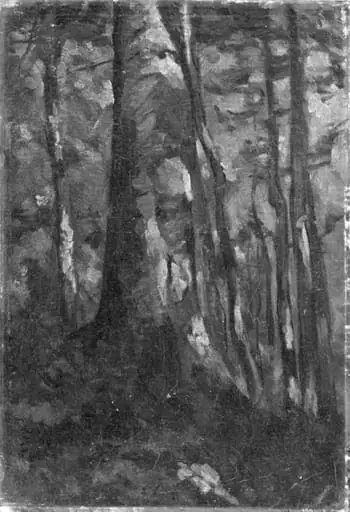
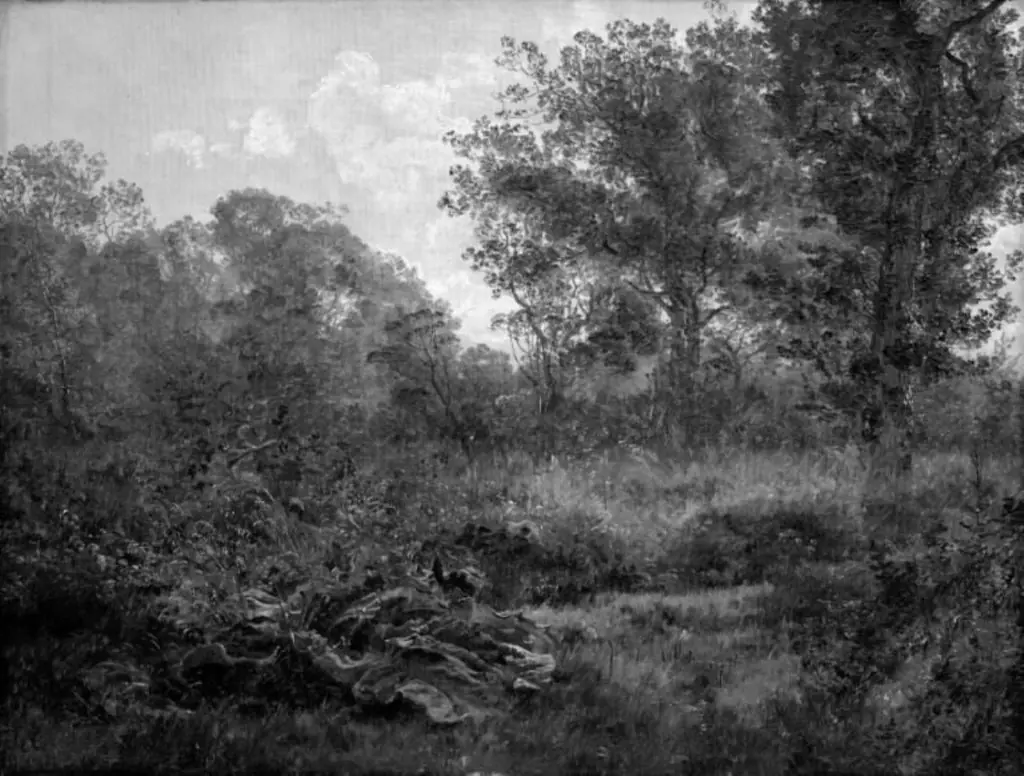
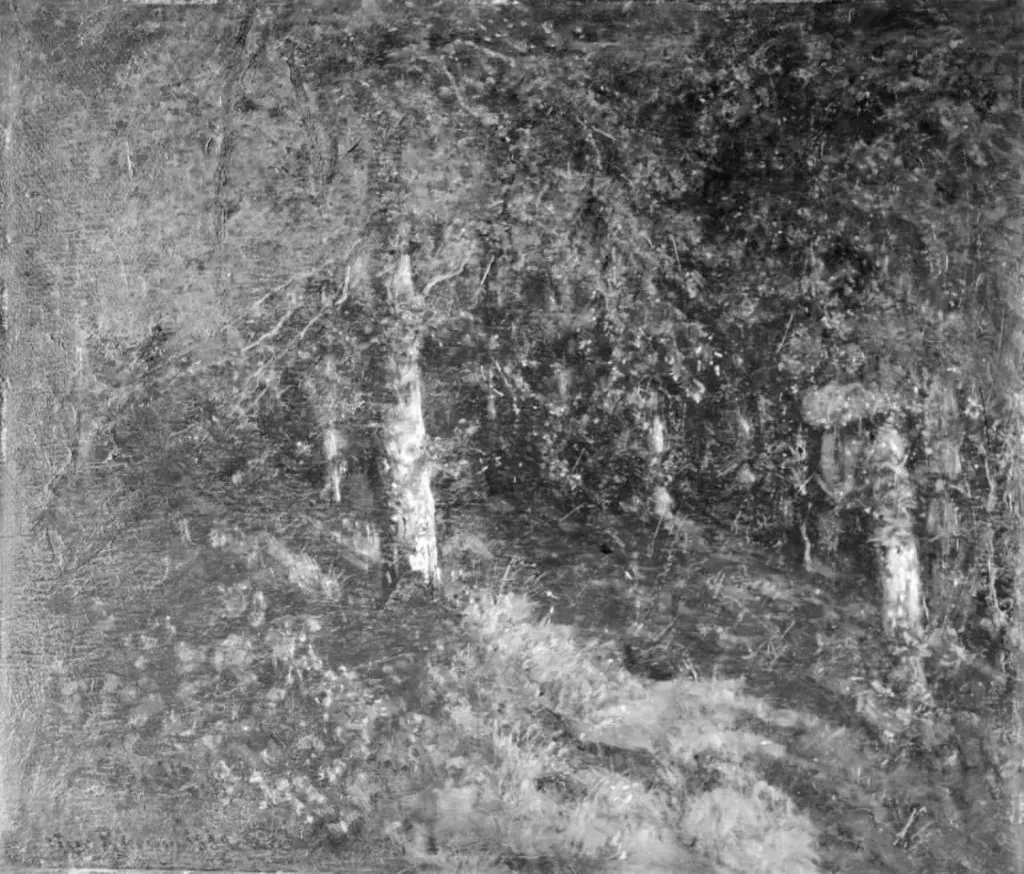
The photograph presents a forest interior with towering trees, their trunks and branching structures rendered in fine detail. There is no human presence or narrative element, focusing instead on the quiet dignity of the natural environment. The title, referencing moonlight, suggests a contemplative mood, possibly evoking themes of solitude, transience, or the spiritual resonance of wild spaces within 19th-century Scandinavian thought.
Technique & Style
The image employs the photographic techniques available in the late 1880s, likely using a large-format camera and long exposure to capture subtle tonal gradations. The composition is deliberately restrained, with vertical tree trunks creating rhythmic lines that guide the eye inward. The lack of dramatic contrast or stylization aligns with a documentary impulse, prioritizing fidelity to the scene over artistic embellishment.
History & Provenance
Created in 1889, the photograph entered the collection of the Museum of Ethnography, an institution focused on cultural artifacts and visual records of human interaction with nature. Its acquisition suggests the museum valued the image not as fine art, but as a document of environmental and cultural context. The artist’s identity remains obscure, and no exhibition history or personal correspondence surrounding the work has been widely documented.
Context
In the late 19th century, photography was increasingly used by scientists, anthropologists, and nature observers to record landscapes as they appeared, free from romantic idealization. This work aligns with broader European trends in naturalist documentation, particularly in Scandinavia, where forests held cultural and mythological significance. The image reflects a shift toward empirical observation over painterly interpretation.
Legacy
Though not widely reproduced or studied in mainstream art history, Måneskin i skoven contributes to the archive of early nature photography in Northern Europe. It stands as a quiet example of how photography was adopted to preserve ecological and atmospheric conditions before widespread environmental awareness. Its preservation in an ethnographic museum underscores its role as a cultural record rather than an aesthetic object.
Artist & collection

 Domestic Scene
 Giacomo and Cardinal Marco, investing Andrea, Abbot of San Zeno, with his Benefice
 The Nymph of Fontainebleau
 Portrait of a Woman
 Madonna and Child with Saints in the Enclosed Garden
 Venus and Minerva
 Family Group of Four on Sofa
 Wall painting from Room H of the Villa of P. Fannius Synistor at Boscoreale