Artwork
Hillside in Autumn
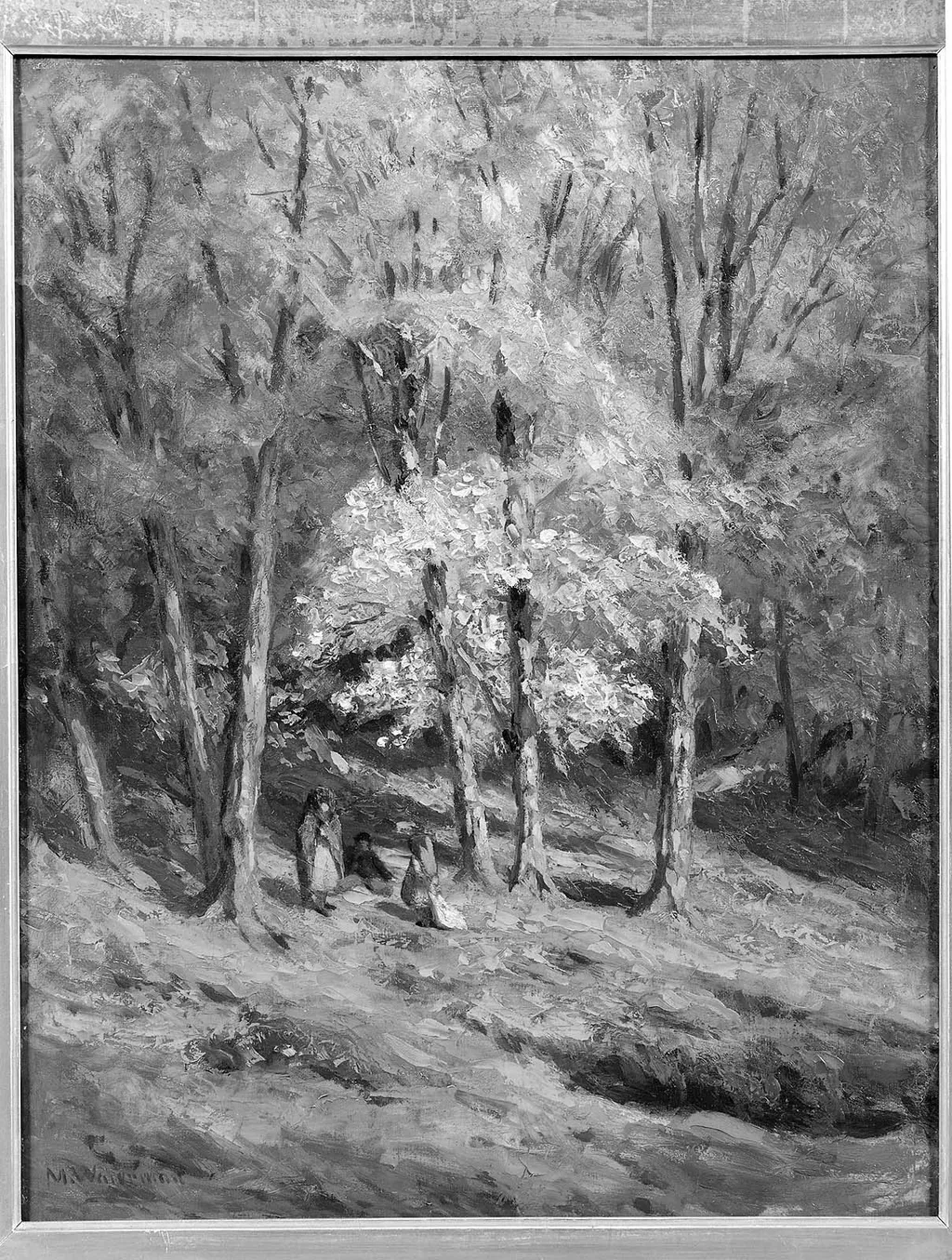
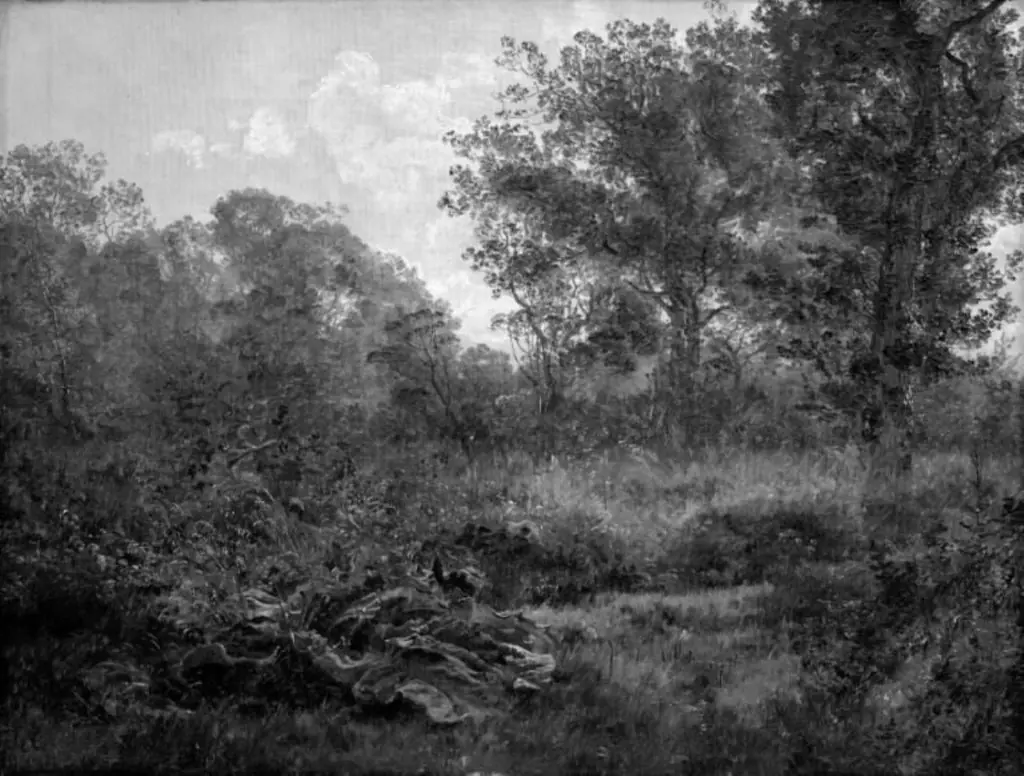
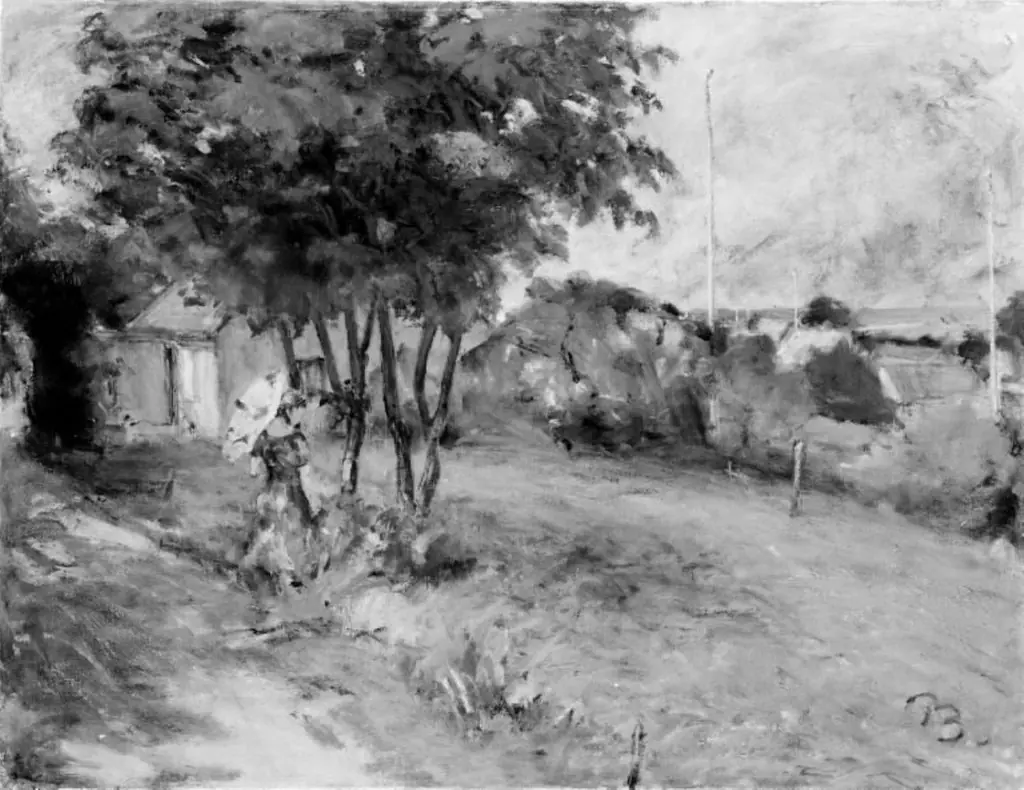
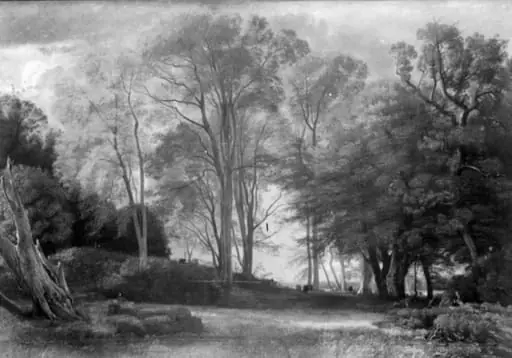
Hillside in Autumn is an oil painting by Marcus Waterman. It dates from 1884 and is held in the collection of the Museum of Fine Arts Boston.
About this work
Overview
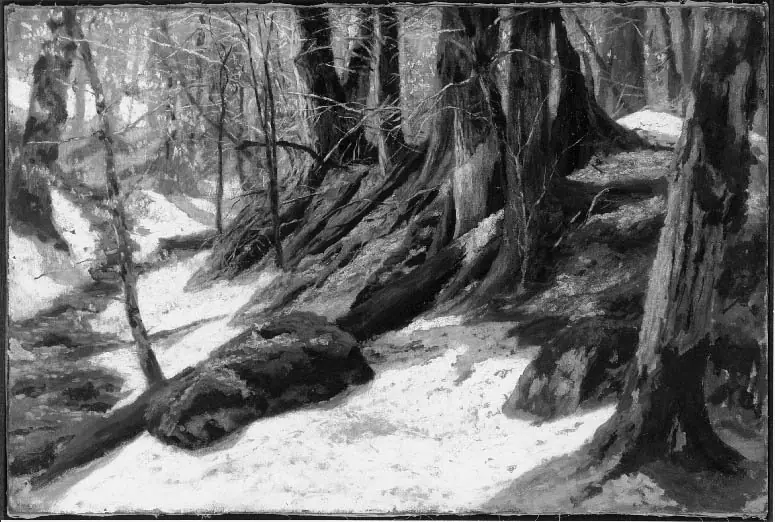
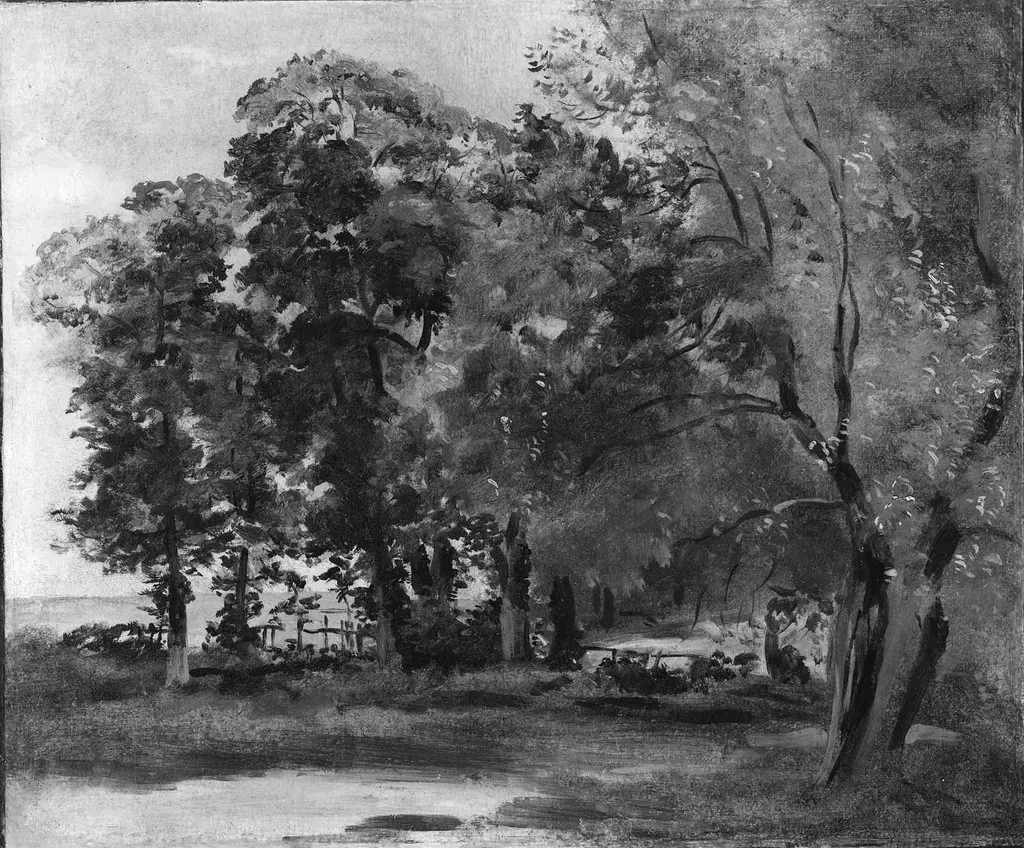
Hillside in Autumn, painted around 1884 by American artist Marcus Waterman, is an oil-on-canvas landscape depicting a quiet rural scene.
Hillside in Autumn, painted around 1884 by American artist Marcus Waterman, is an oil-on-canvas landscape depicting a quiet rural scene. The work is part of the Museum of Fine Arts, Boston’s collection. It captures a bare hillside in late fall, rendered with deliberate texture and a restrained palette. Waterman’s focus on natural atmosphere over narrative detail reflects a quiet realism common among late 19th-century American painters.
Subject & Meaning
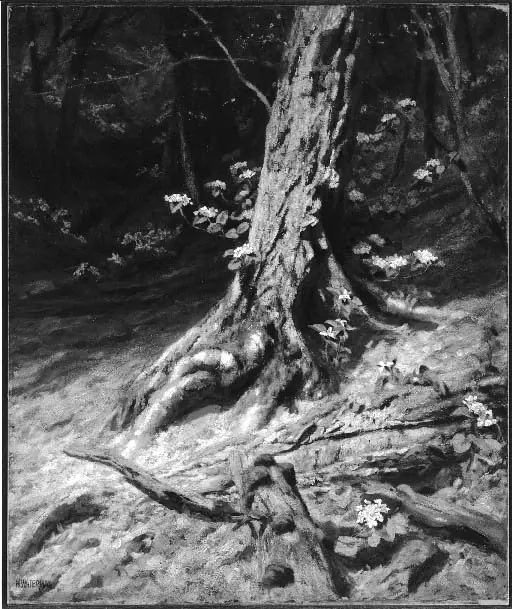
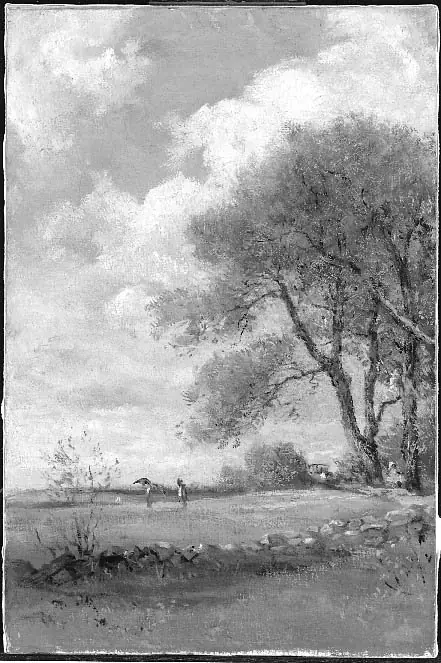
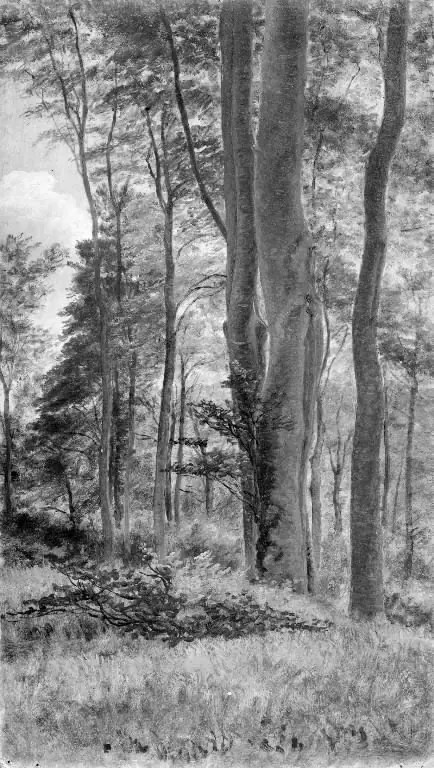
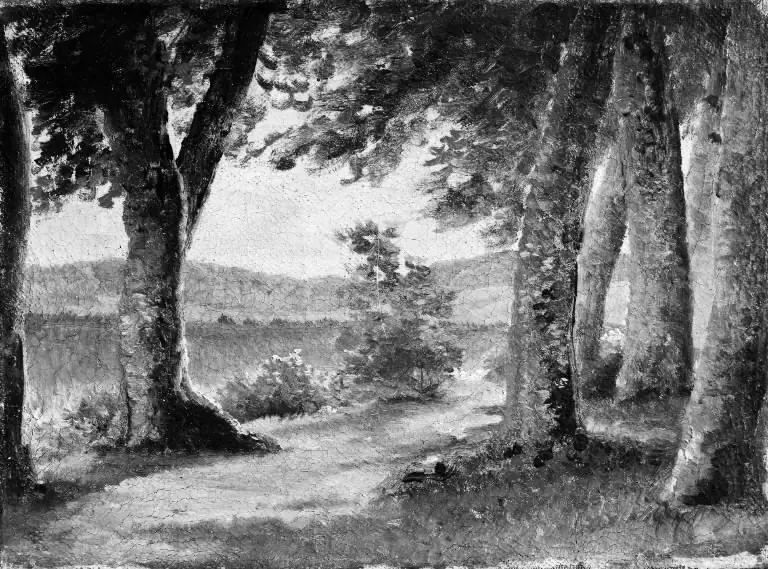
The painting presents a solitary hillside in autumn, with a narrow path winding through the foreground where three figures stand motionless. Bare trees rise behind them, their branches stark against a muted sky. The absence of vibrant color and the stillness of the figures suggest contemplation of seasonal decay, evoking a sense of quiet solitude rather than dramatic change. Nature is portrayed not as picturesque, but as enduring and subdued.
Technique & Style
Waterman applied oil paint thickly, using visible brushwork to build texture in the earth, bark, and sky. The palette is dominated by earth tones—ochres, grays, and dull browns—with minimal contrast. The heavy impasto in the foreground contrasts with the thinner, more blended strokes in the distance, creating a sense of depth. This tactile approach emphasizes material presence over idealized beauty, aligning with emerging realist tendencies of the period.
History & Provenance
Created in 1884, Hillside in Autumn entered the Museum of Fine Arts, Boston’s collection shortly after its completion. Waterman, known for both American landscapes and Orientalist subjects, produced this work during a phase when he focused on domestic scenes. Its early acquisition by the museum suggests it was recognized by contemporaries as a representative example of his landscape work, though it remained outside the mainstream of American art discourse.
Context
In the 1880s, American artists increasingly turned to intimate, unidealized natural settings, moving away from grand Romantic vistas. Waterman’s painting aligns with this shift, echoing the quietude found in the work of contemporaries like George Inness. While not part of a formal movement, the piece reflects a broader cultural interest in the emotional resonance of seasonal change and rural solitude during a time of rapid industrialization.
Legacy
Hillside in Autumn remains a modest but representative example of Marcus Waterman’s landscape practice. Though not widely exhibited or studied today, it contributes to understanding the diversity of American painting in the late 19th century—particularly the quiet, textured realism favored by artists outside the Hudson River School’s grand tradition. Its preservation in a major museum ensures its continued presence in the historical record.
Artist & collection
Artist
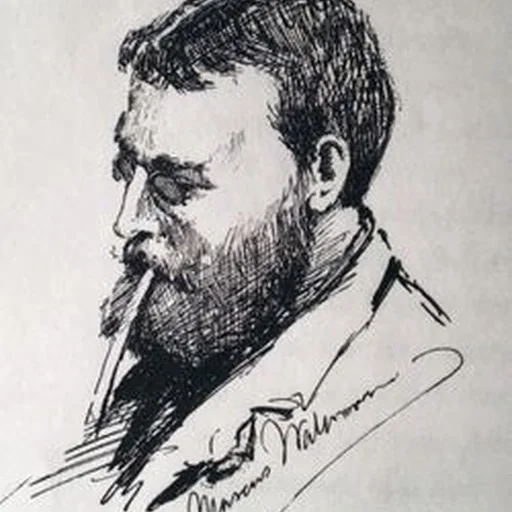
Marcus ("Mark") Waterman (1 September 1834 – 2 April 1914) was an American painter, mainly of landscapes and Orientalist subjects.