Artwork
Mandsportræt
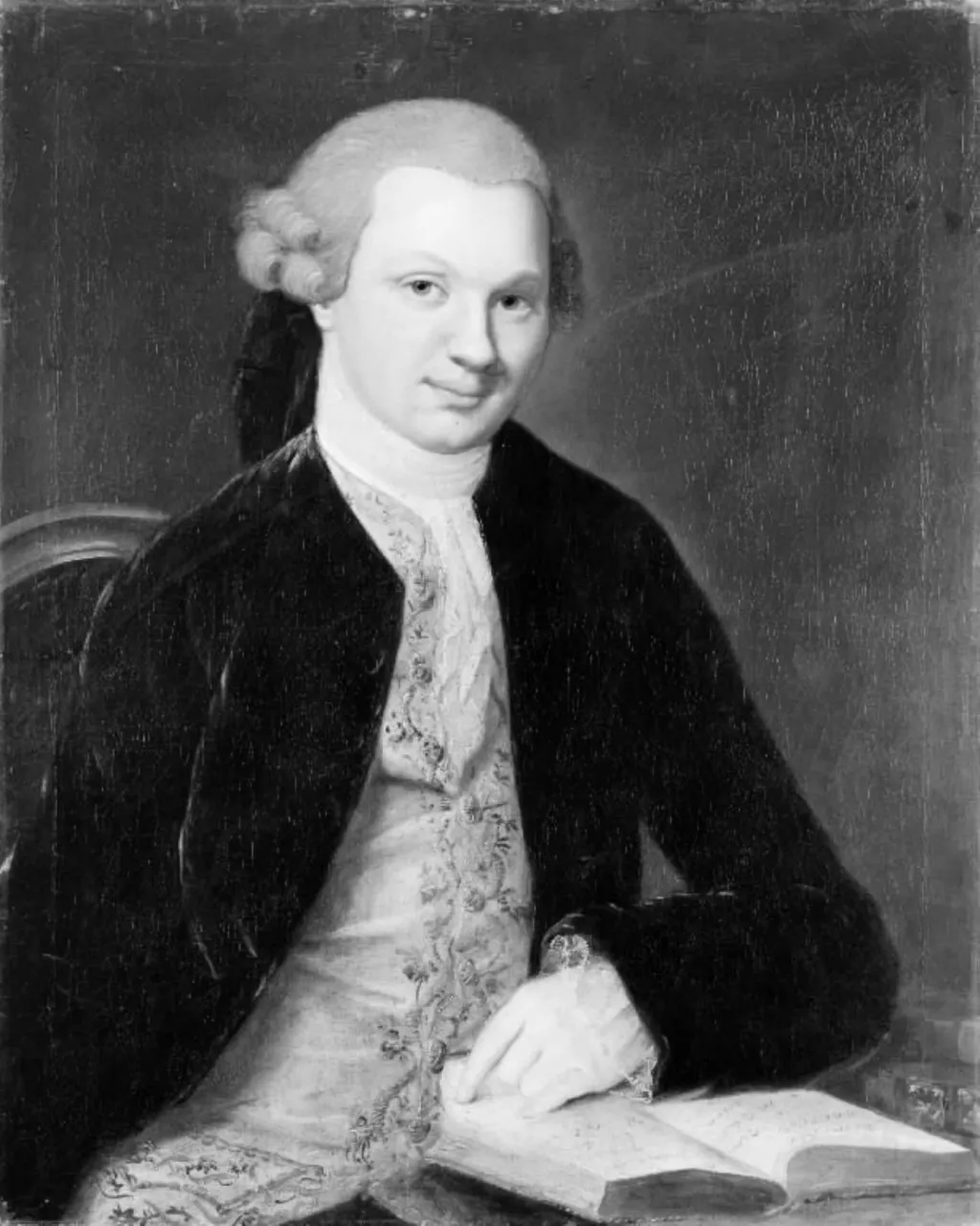
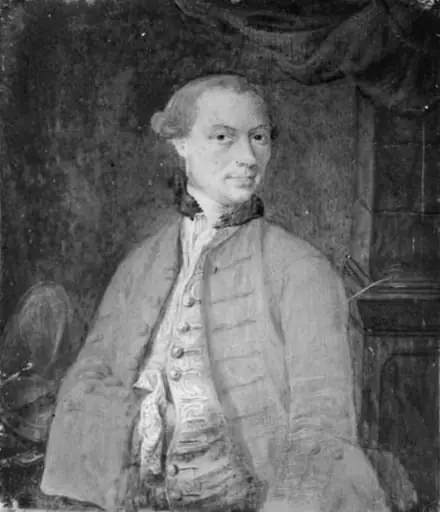
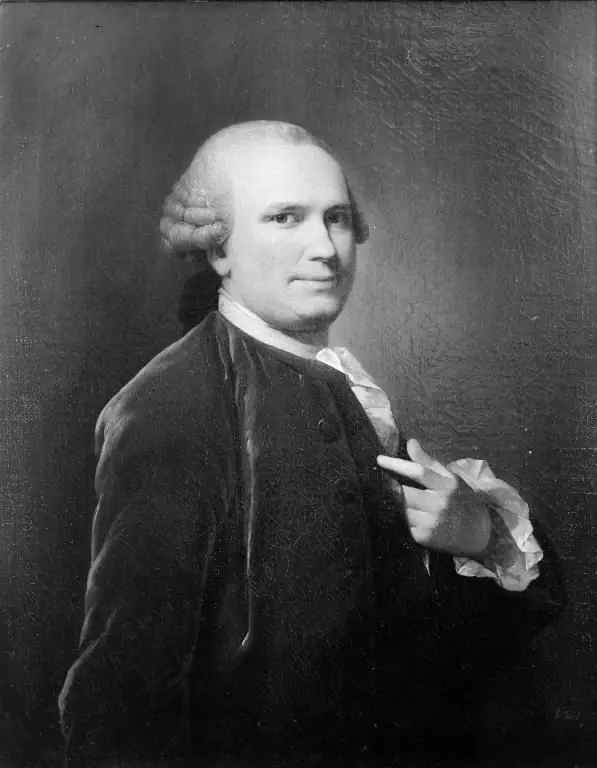
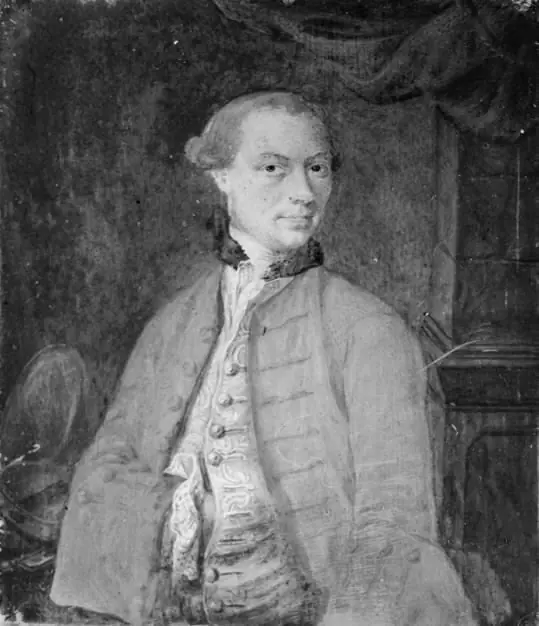
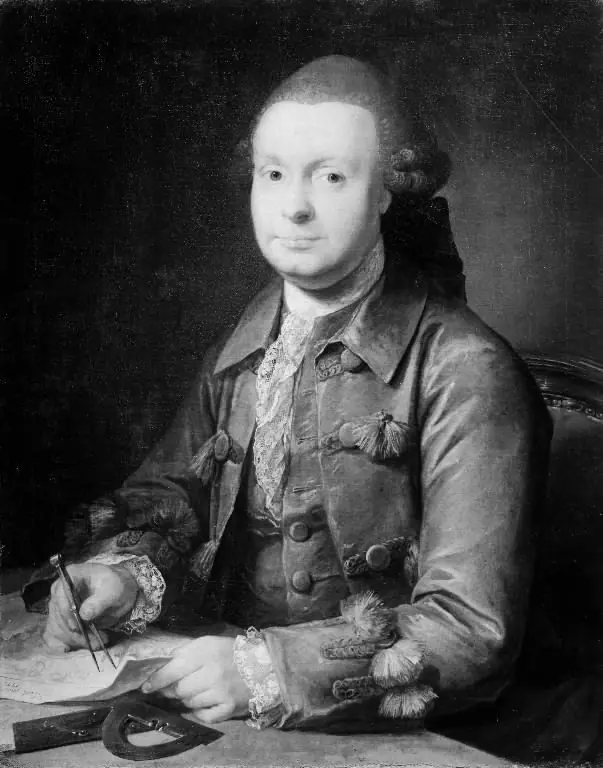
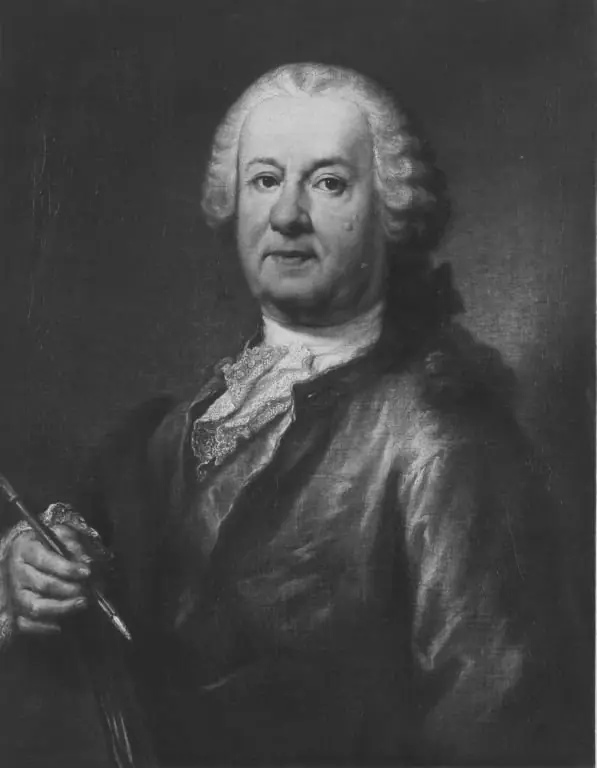
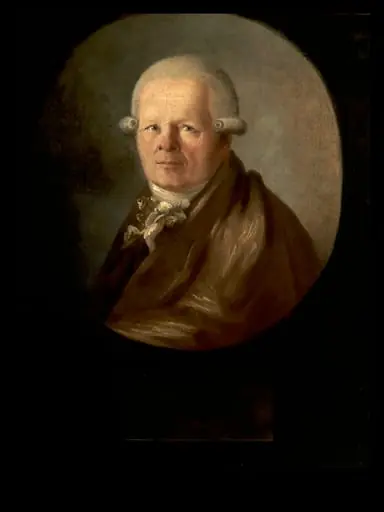
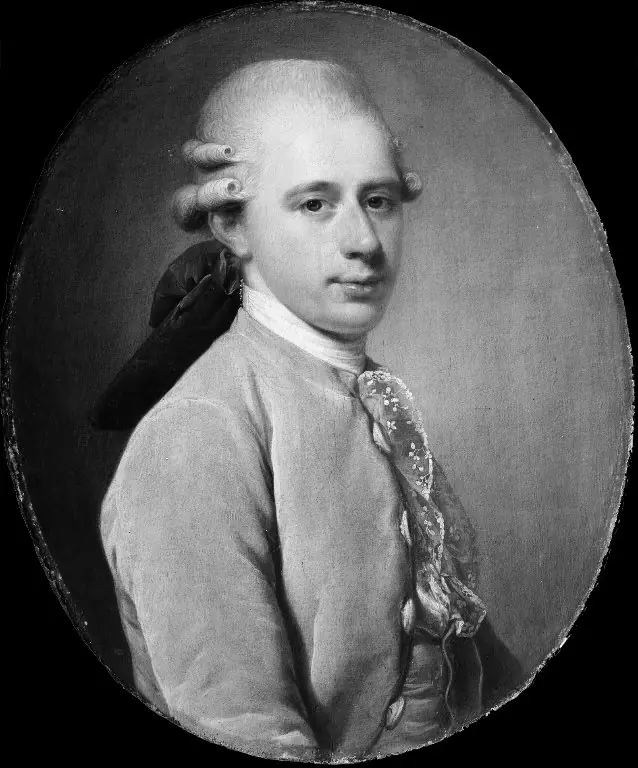
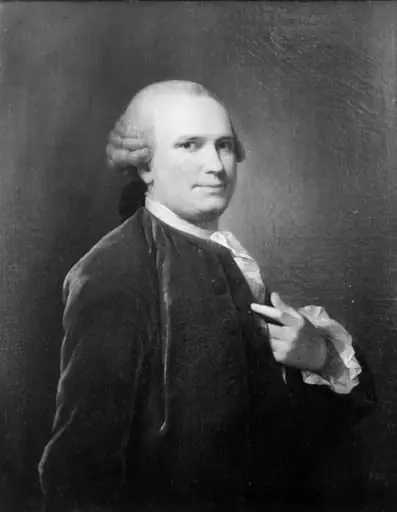
Mandsportræt is a photography by Unknown. It dates from 1764 and is held in the collection of the Statens Museum for Kunst. This black-and-white portrait, dated around 1764, depicts a man in formal 18th-century attire.
About this work
Overview
The composition is restrained, with no elaborate staging or decorative elements, emphasizing the subject’s presence over theatricality.
This black-and-white portrait, dated around 1764, depicts a man in formal 18th-century attire. Created by 589_person, it is preserved in the Museum of Ethnography. The image exhibits the soft grain and muted tonality typical of early photographic or print reproduction techniques. The composition is restrained, with no elaborate staging or decorative elements, emphasizing the subject’s presence over theatricality.
Subject & Meaning
The figure wears a dark coat, a white cravat, and a patterned vest—clothing associated with middle- or upper-class men of the period. One hand rests on a folded document or fabric, suggesting literacy, status, or professional identity. The plain background and direct gaze convey a sense of quiet dignity, aligning with portraiture conventions that valued restraint and personal gravitas over ornamentation.
Technique & Style
The image employs even, flat lighting with minimal contrast, avoiding dramatic chiaroscuro effects common in painted portraits of the era. Texture is rendered through fine grain rather than brushwork, indicating a mechanical reproduction method such as an early engraving or photograph. The lack of shadow modeling and the uniform tonality reflect technical limitations and an aesthetic preference for clarity over emotional intensity.
History & Provenance
The work was produced circa 1764 and entered the collection of the Museum of Ethnography, where it remains today. Its origin as a portrait of an individual from a non-elite background is uncertain, though its attire suggests a person of modest social standing. The piece likely served as a personal keepsake or record before becoming part of a broader ethnographic archive.
Context
In the mid-18th century, portraiture was increasingly accessible beyond aristocracy, aided by emerging reproductive technologies. This image reflects a shift toward documenting ordinary individuals with dignity, even as formal painting still dominated elite circles. Its preservation in an ethnographic museum hints at later efforts to catalog cultural and social types through visual records.
Legacy
As an early example of a non-elite portrait preserved in institutional collections, it contributes to the historical record of how ordinary people were visually represented before widespread photography. Its simplicity stands in contrast to the grandeur of contemporary painted portraits, offering insight into evolving norms of identity, representation, and the democratization of image-making.
Artist & collection

 Domestic Scene
 Giacomo and Cardinal Marco, investing Andrea, Abbot of San Zeno, with his Benefice
 The Nymph of Fontainebleau
 Portrait of a Woman
 Madonna and Child with Saints in the Enclosed Garden
 Venus and Minerva
 Family Group of Four on Sofa
 Wall painting from Room H of the Villa of P. Fannius Synistor at Boscoreale