Artwork
Herreportræt
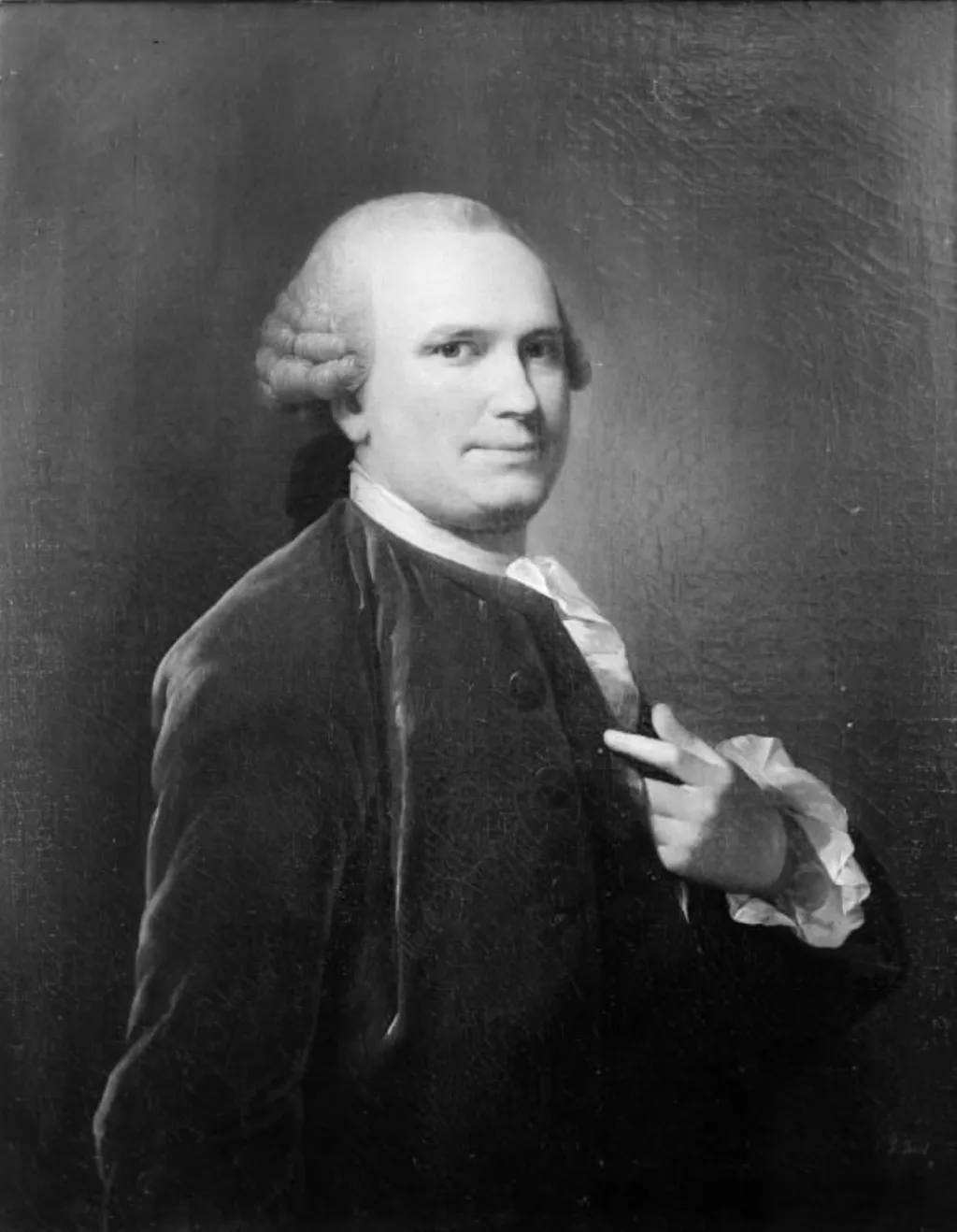
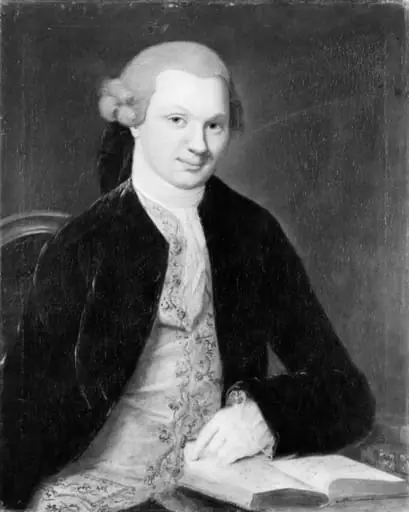
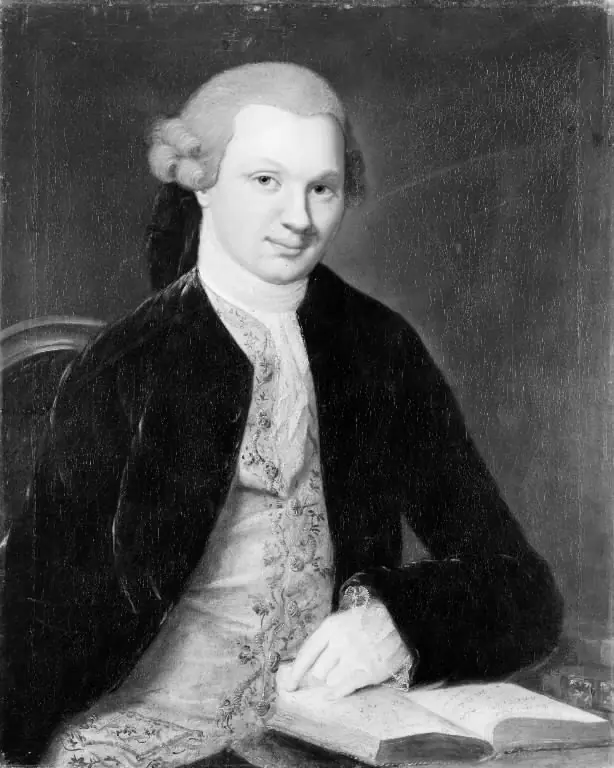
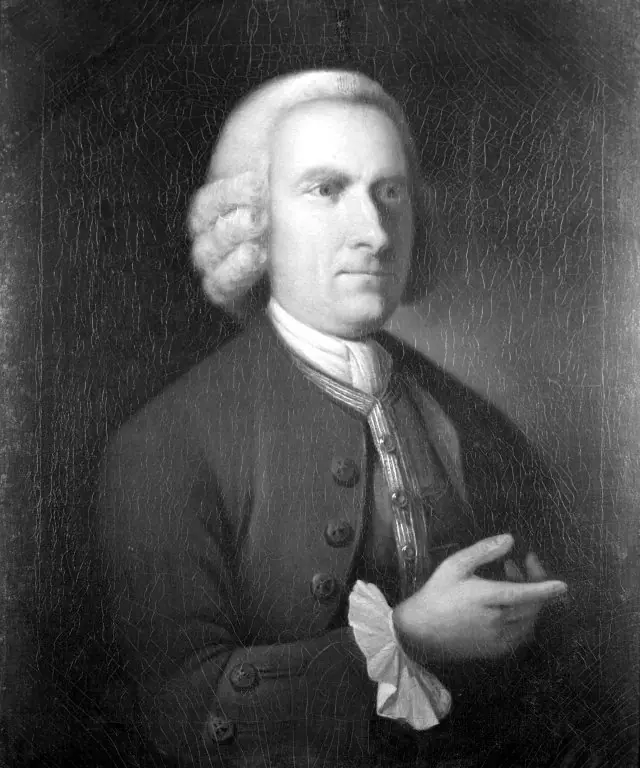
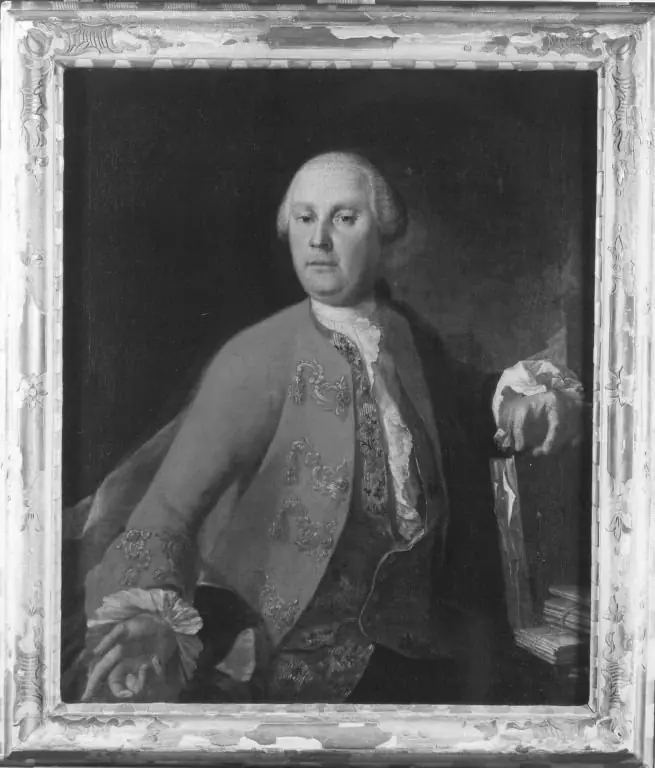
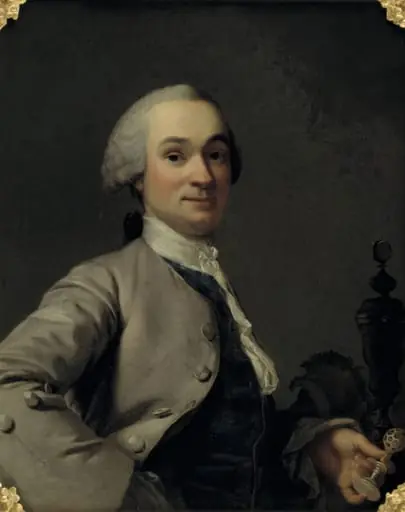
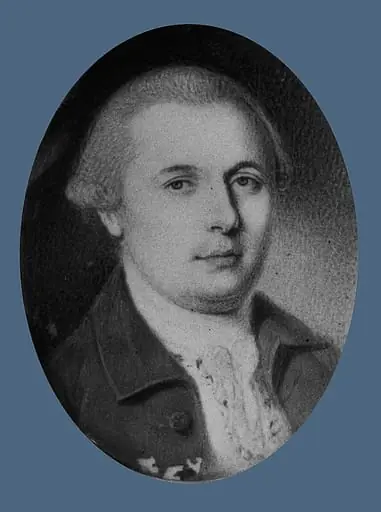
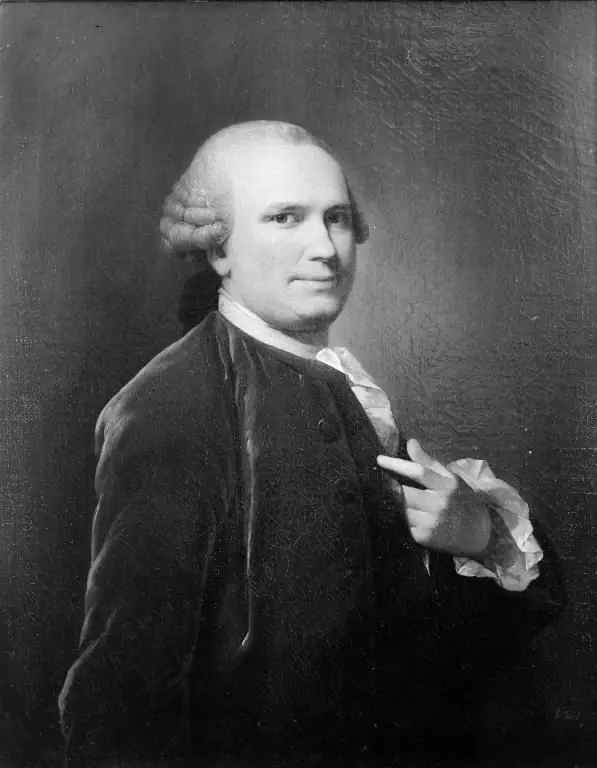
Herreportræt is a photography by Unknown. It dates from 1750 and is held in the collection of the Statens Museum for Kunst. This early photographic portrait dates to around 1750 and is attributed to 1092_person.
About this work
Overview
This early photographic portrait dates to around 1750 and is attributed to 1092_person. It is one of the rare surviving examples of photography from this period, predating the widespread adoption of the medium. The image is held in the collection of the Museum of Ethnography, where it serves as a document of early photographic practice and personal representation in the mid-18th century.
Subject & Meaning
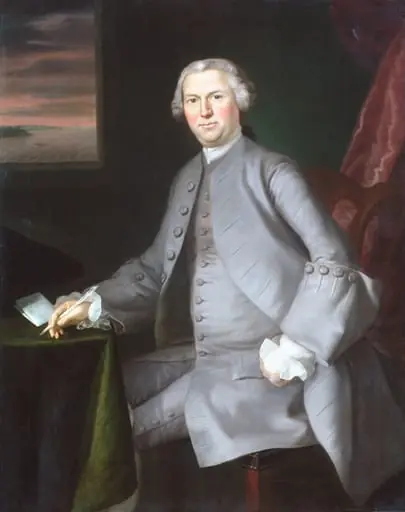
The subject is a man dressed in formal 18th-century attire: a dark coat, white cravat, and powdered hair tied back. He holds a folded paper, possibly a letter or document, suggesting a moment of quiet contemplation or official correspondence. The pose and dress indicate social standing, though the photograph’s purpose—personal keepsake or professional record—remains unclear.
Technique & Style
The image is a black-and-white photograph with soft focus and faded tonalities, typical of early photographic processes. The plain, dark background isolates the figure, emphasizing detail in fabric and texture. The lack of sharp definition and the muted contrast reflect the technical limitations of photographic methods available before the 19th century’s standardization.
History & Provenance
The photograph was created around 1750, an era when photographic technology was in its infancy and rarely used for portraiture. Its survival is unusual, as most early photographic experiments were lost or degraded. It entered the Museum of Ethnography’s collection as part of a broader effort to preserve early visual records of personal and cultural identity.
Context
Its existence suggests that some individuals or practitioners were exploring photography as a new means of capturing likeness despite its technical challenges.
In the mid-18th century, portraiture was dominated by painting, and photography had not yet become a practical medium. This image represents a transitional moment, when experimental techniques began to challenge traditional forms of representation. Its existence suggests that some individuals or practitioners were exploring photography as a new means of capturing likeness despite its technical challenges.
Legacy
As one of the earliest known photographic portraits, this image contributes to the historical understanding of how visual documentation evolved. It stands as a quiet testament to the curiosity and persistence of early experimenters, offering insight into the material culture of personal identity before the photographic age became commonplace.
Artist & collection

 Domestic Scene
 Giacomo and Cardinal Marco, investing Andrea, Abbot of San Zeno, with his Benefice
 The Nymph of Fontainebleau
 Portrait of a Woman
 Madonna and Child with Saints in the Enclosed Garden
 Venus and Minerva
 Family Group of Four on Sofa
 Wall painting from Room H of the Villa of P. Fannius Synistor at Boscoreale