Artwork
The Alchemist Lorens Weiskopf
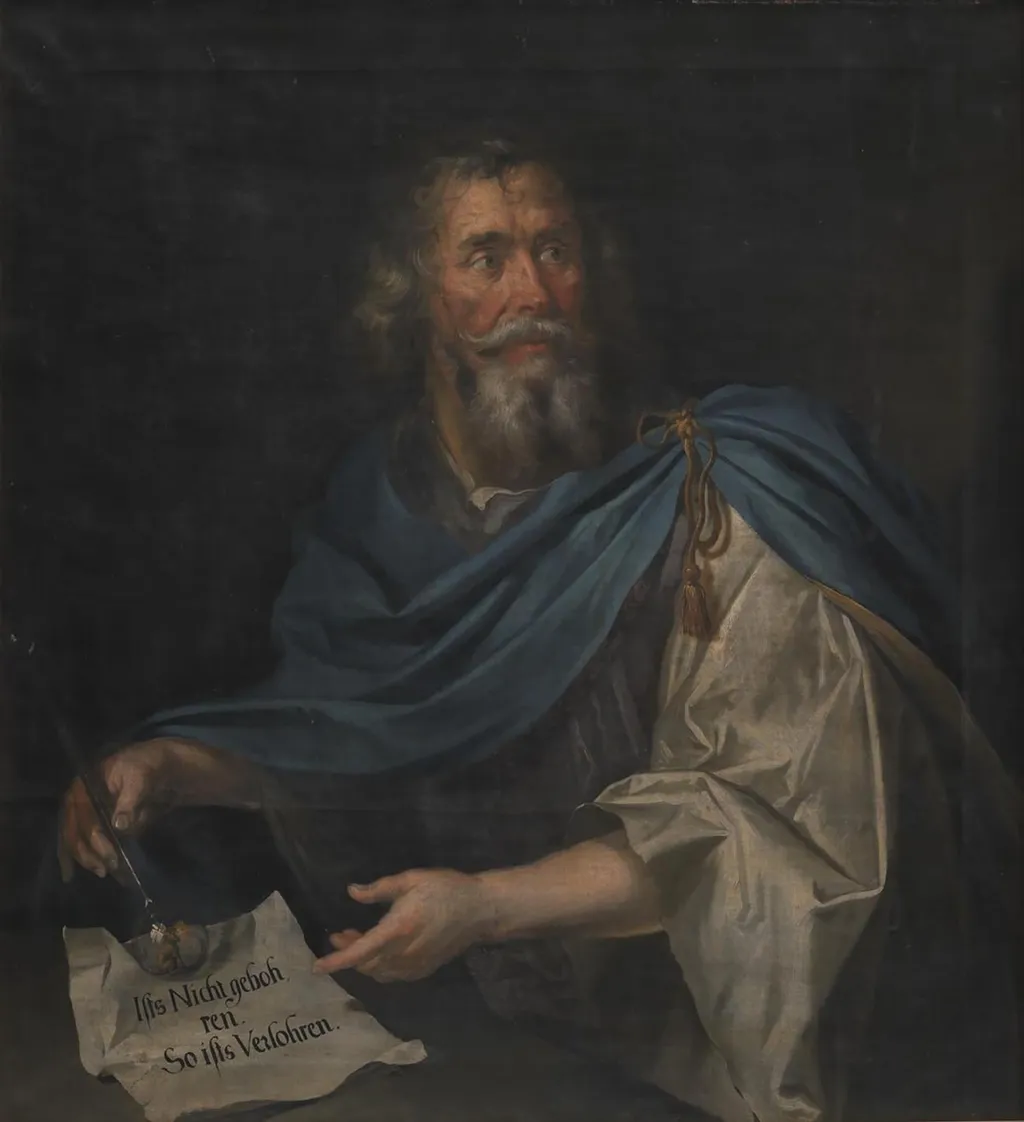
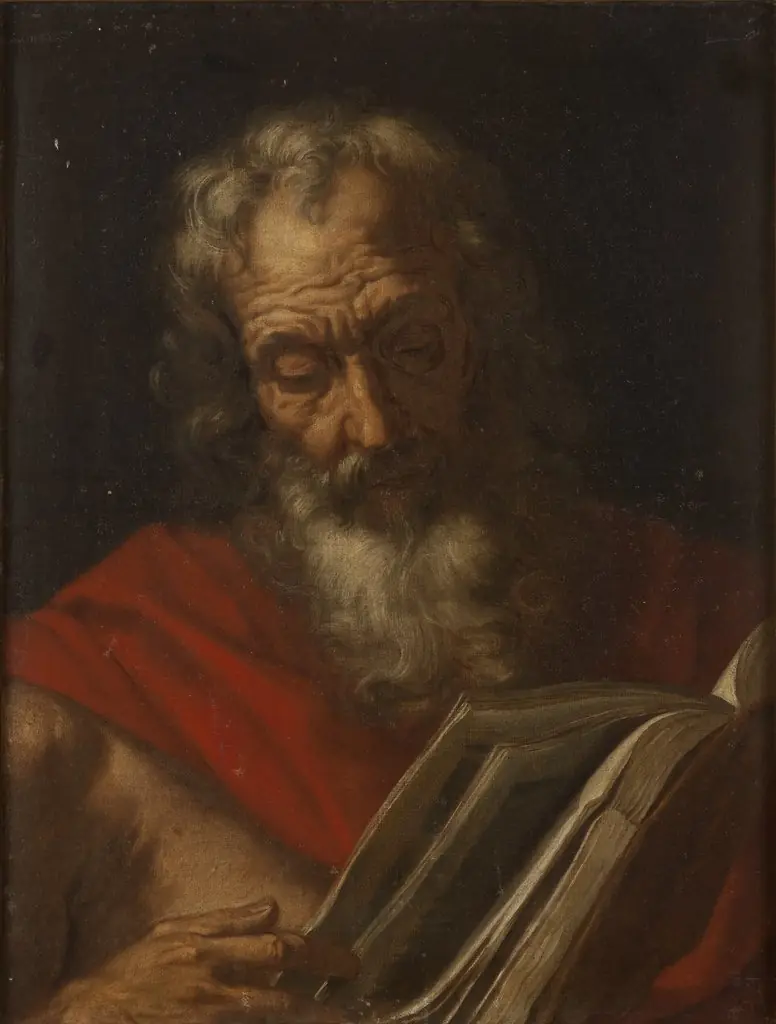
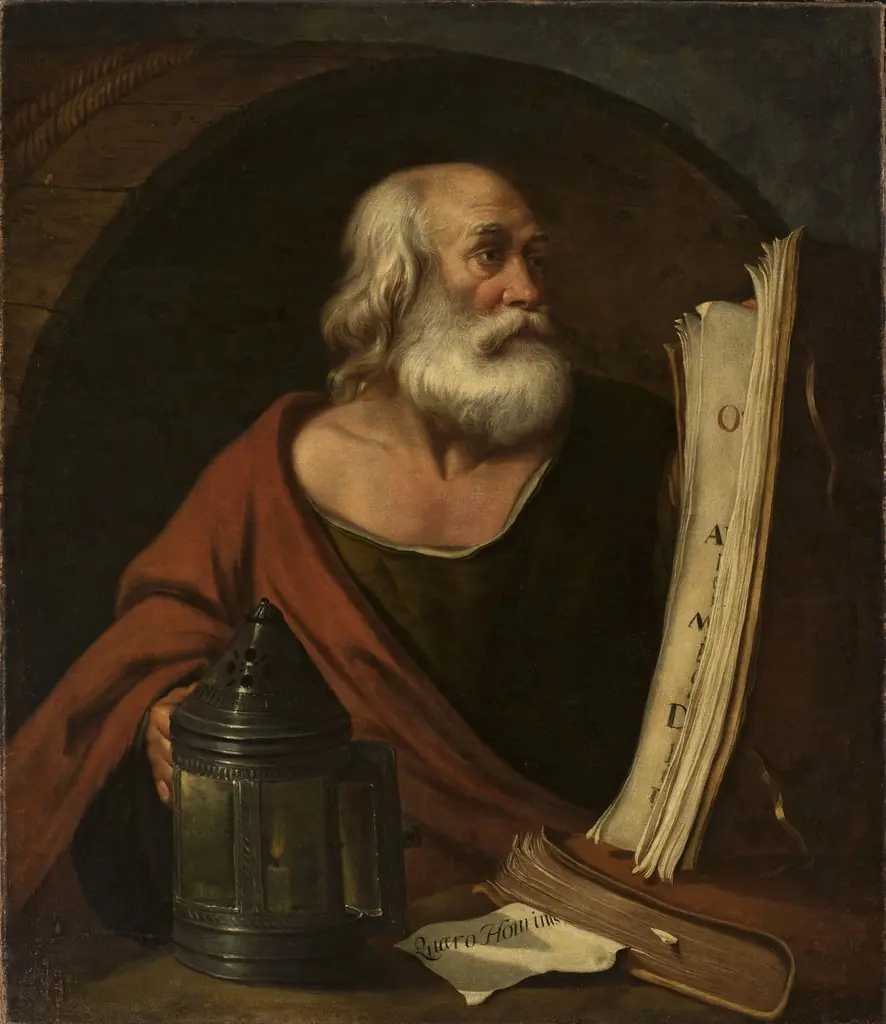
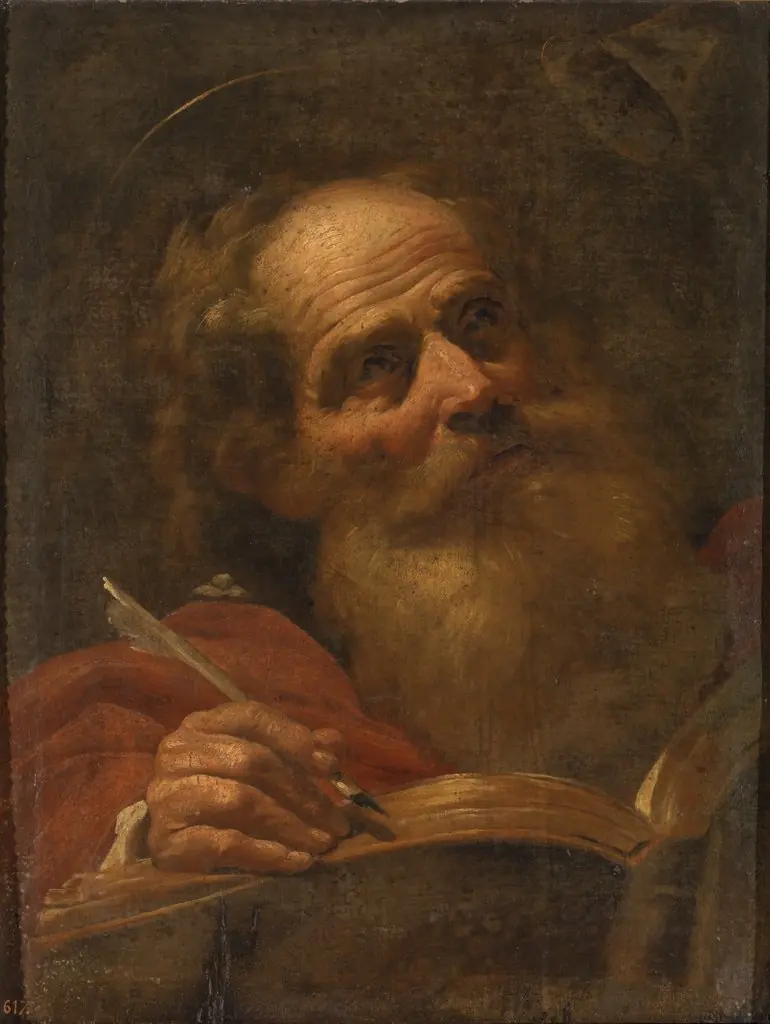
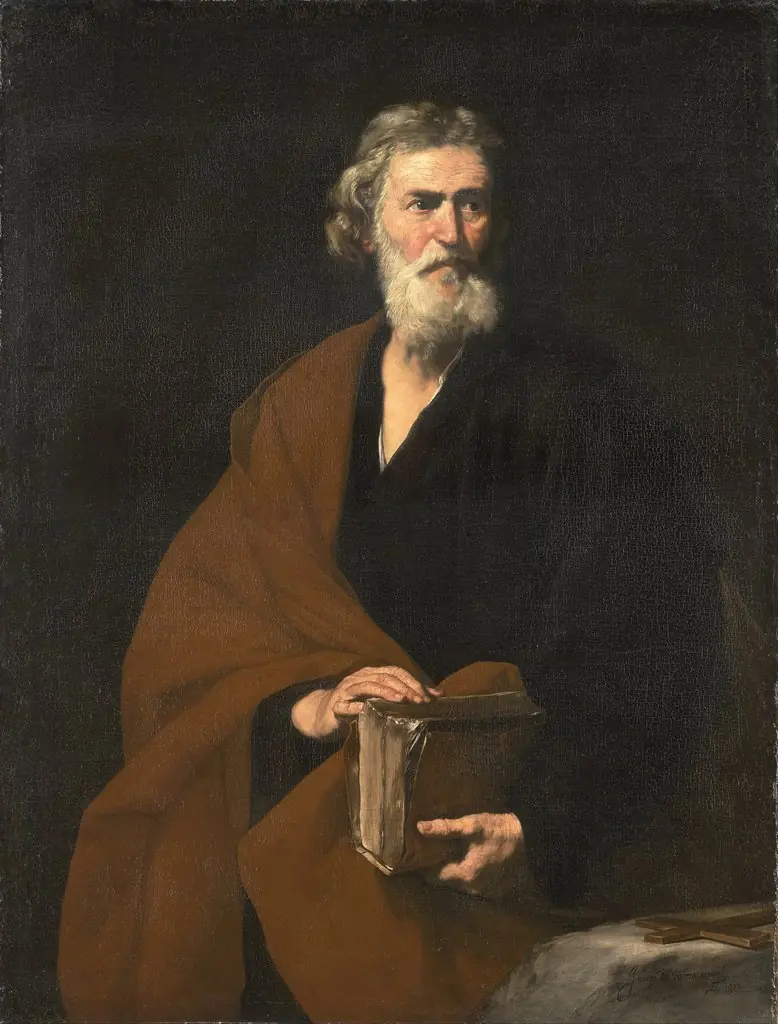
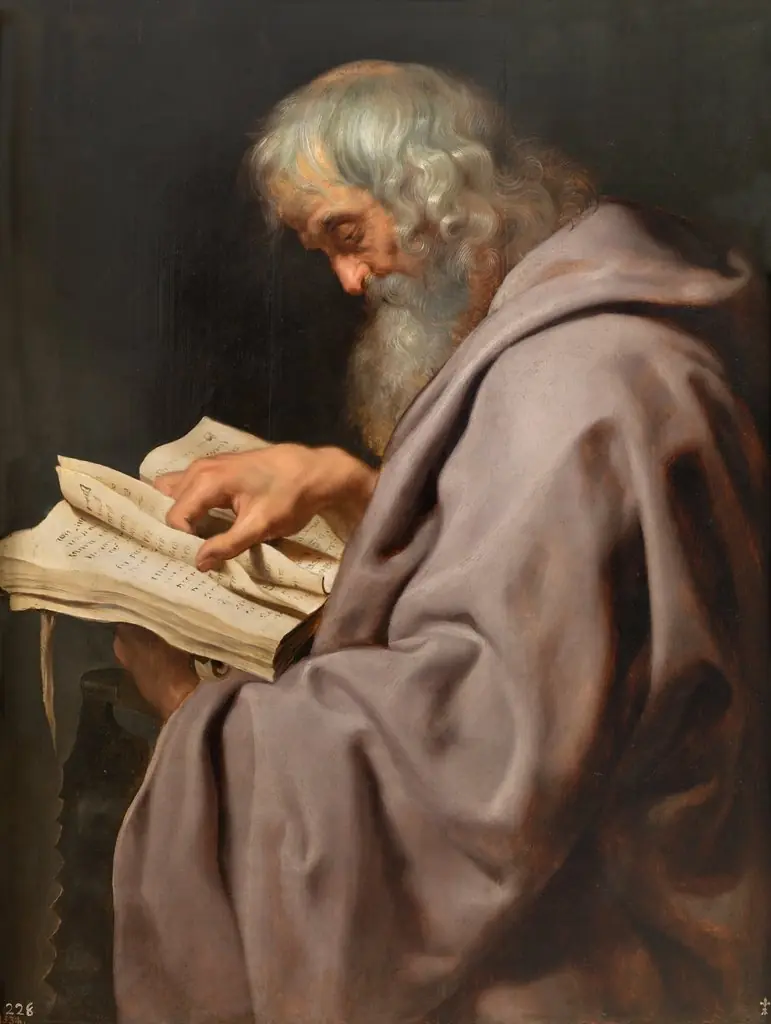
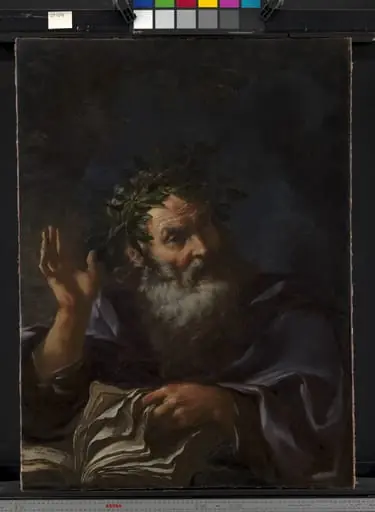
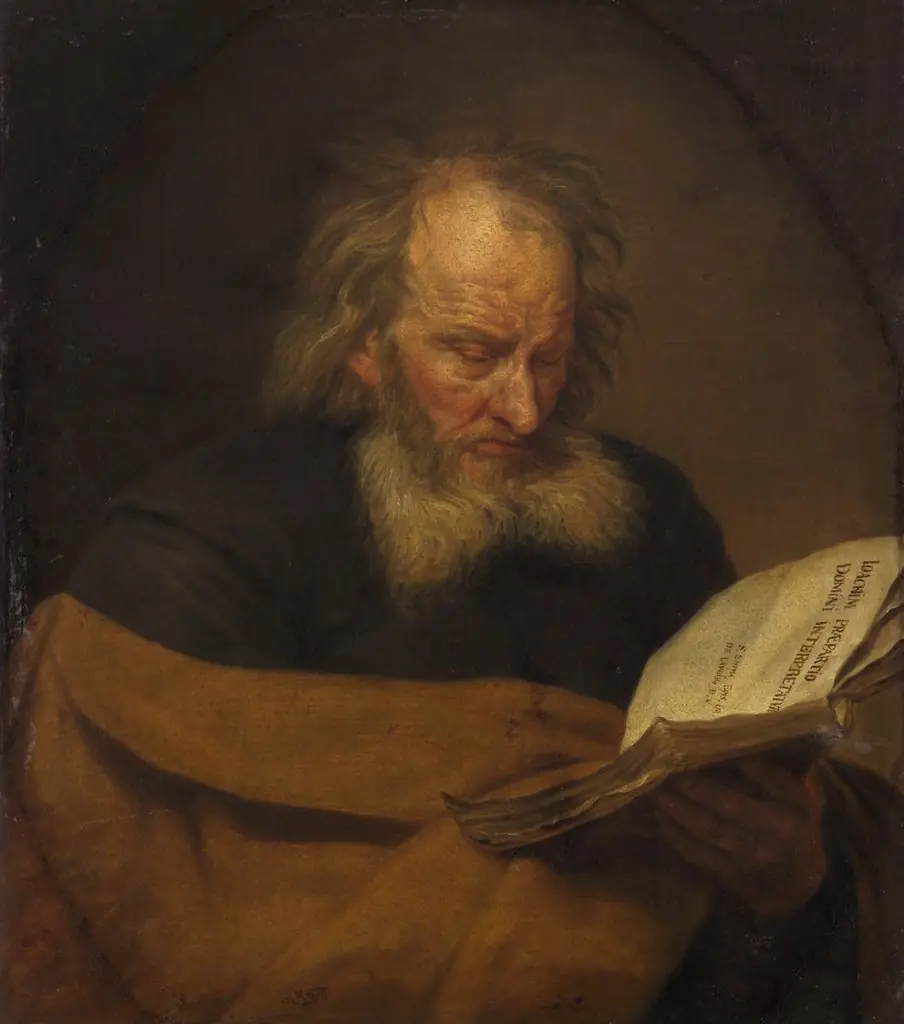
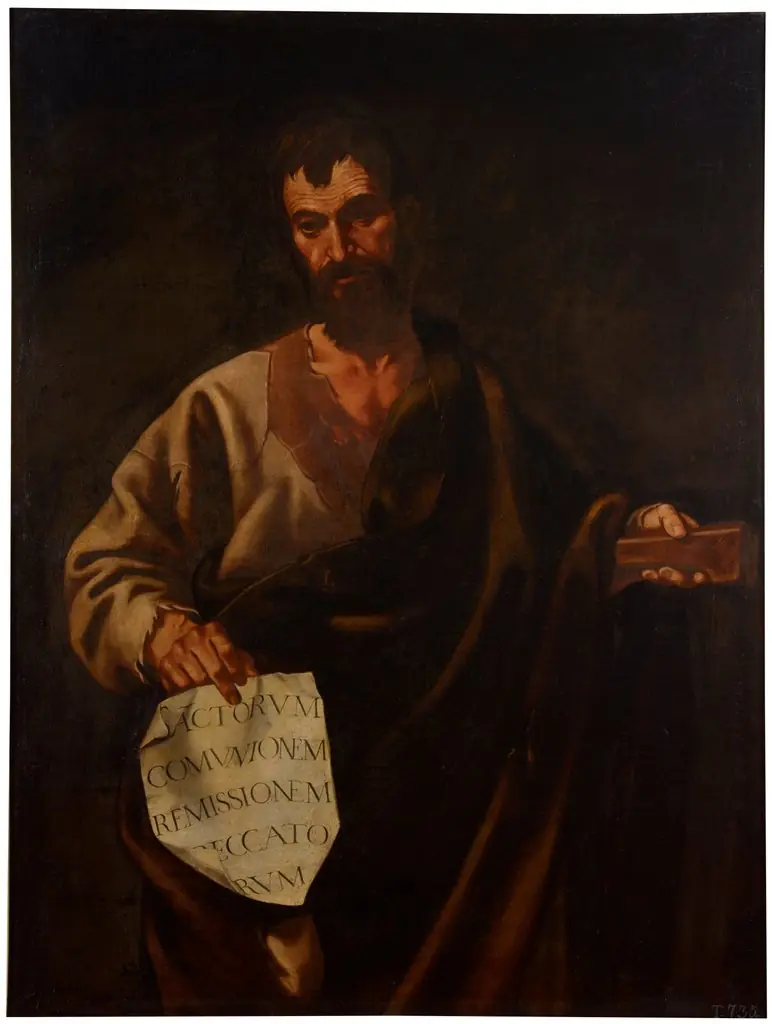
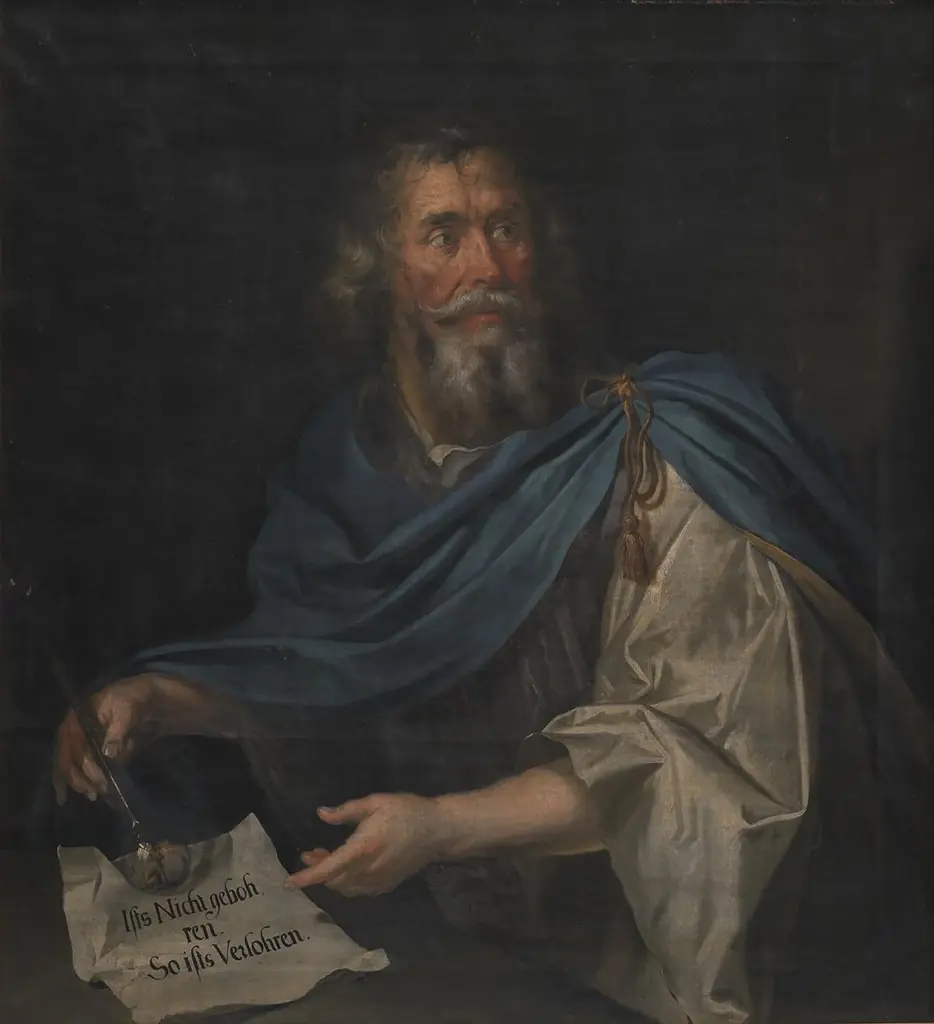
The Alchemist Lorens Weiskopf is a photography by Unknown. It dates from 1650 and is held in the collection of the Statens Museum for Kunst. Painted around 1650, this portrait depicts Lorens Weiskopf, an alchemist, in a tightly focused composition.
About this work
Overview
The subject is isolated against a dark background, emphasizing his presence through dramatic lighting and minimal environmental detail.
Painted around 1650, this portrait depicts Lorens Weiskopf, an alchemist, in a tightly focused composition. The work is held by the Museum of Ethnography and is rendered in oil on panel. The subject is isolated against a dark background, emphasizing his presence through dramatic lighting and minimal environmental detail. The painting’s restrained palette and concentrated gaze suggest an intent to convey intellectual authority rather than narrative.
Subject & Meaning
Lorens Weiskopf is portrayed as a scholar-engaged in alchemical study. His bearded face and dark robes align with contemporary depictions of learned men, while the rolled parchment and open book imply textual knowledge and experimentation. His pointing gesture suggests explanation or instruction, possibly reflecting his role as a teacher or practitioner. The German script on the paper may reference alchemical texts, grounding the image in real intellectual traditions of the time.
Technique & Style
The artist employs chiaroscuro to model the figure with sharp contrasts between light and shadow, drawing attention to the face and hands. The dark background eliminates distraction, enhancing the three-dimensionality of the subject. Brushwork is precise, particularly in rendering the texture of fabric and the sheen of the parchment. The composition’s simplicity and focus on the figure reflect a tradition of portraiture that prioritizes psychological presence over setting.
History & Provenance
The painting entered the collection of the Museum of Ethnography in the late 19th or early 20th century, though its earlier ownership remains undocumented. It was likely commissioned by Weiskopf or a patron connected to early modern scientific circles. No records of exhibition or sale prior to its museum acquisition are known, suggesting it may have remained in private hands for centuries before becoming part of a public collection.
Context
In mid-17th century Europe, alchemy occupied a space between science, philosophy, and mysticism. Portraits of alchemists often emphasized their scholarly demeanor to legitimize their pursuits amid growing skepticism. This work aligns with a broader trend of depicting practitioners of esoteric knowledge with dignity, reflecting a cultural moment when such figures were still regarded as custodians of hidden knowledge, even as empirical science began to rise.
Legacy
The painting contributes to the visual record of early modern scientific culture, offering insight into how practitioners of alchemy were represented visually. While not widely known outside specialized circles, it remains a valuable artifact for understanding the intersection of portraiture and intellectual identity in the 17th century. Its preservation allows continued study of how knowledge, authority, and appearance were negotiated in pre-modern scientific communities.
Artist & collection

 Domestic Scene
 Giacomo and Cardinal Marco, investing Andrea, Abbot of San Zeno, with his Benefice
 The Nymph of Fontainebleau
 Portrait of a Woman
 Madonna and Child with Saints in the Enclosed Garden
 Venus and Minerva
 Family Group of Four on Sofa
 Wall painting from Room H of the Villa of P. Fannius Synistor at Boscoreale