Artwork
Saint Matthew
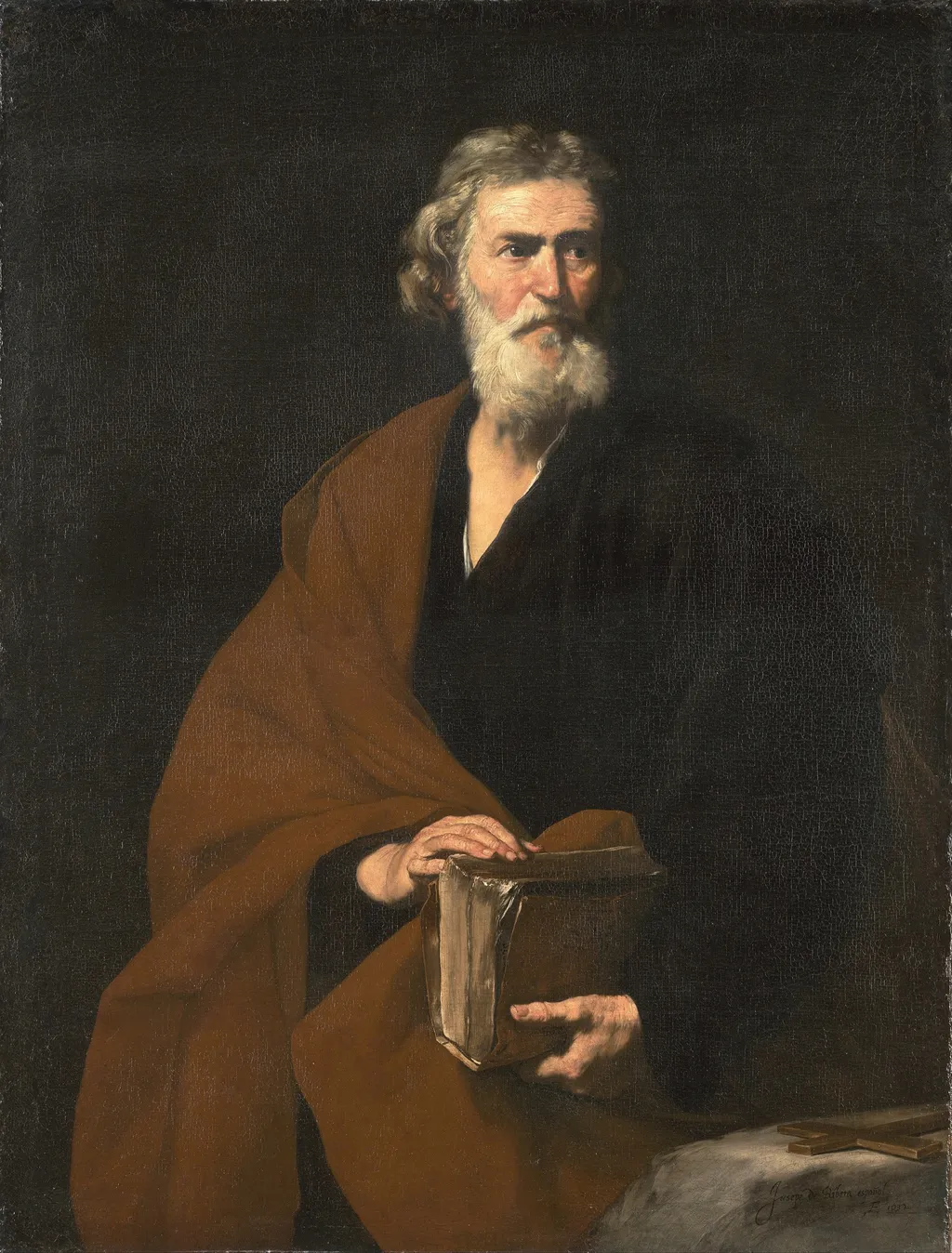
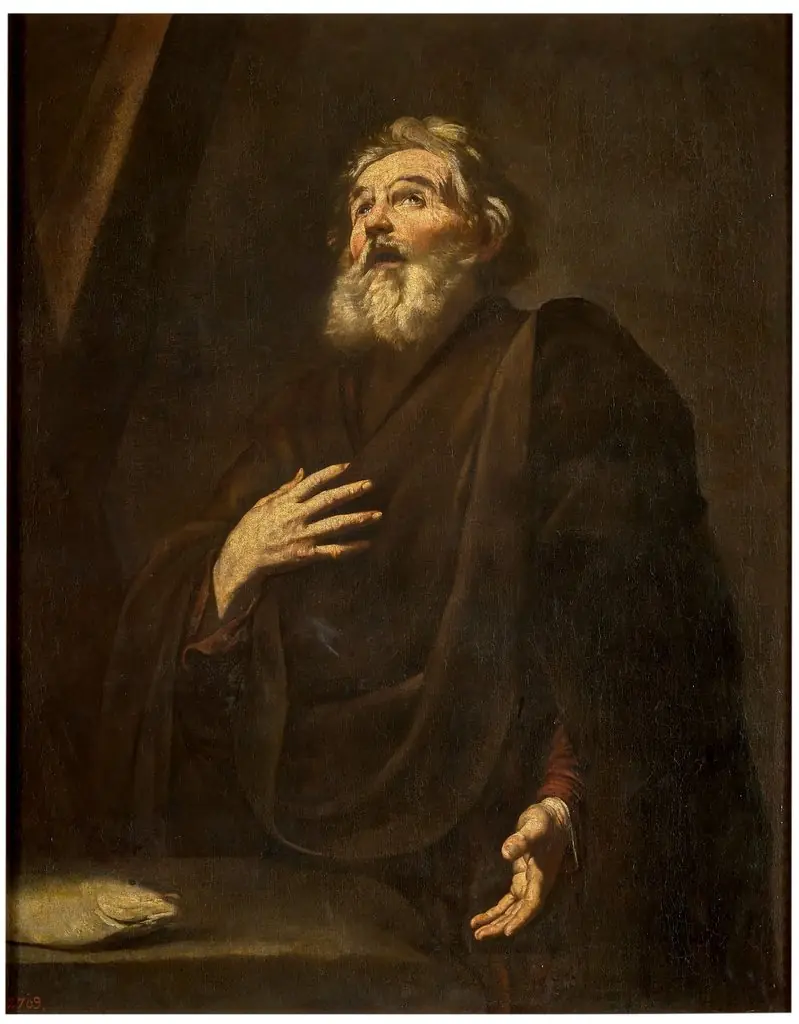
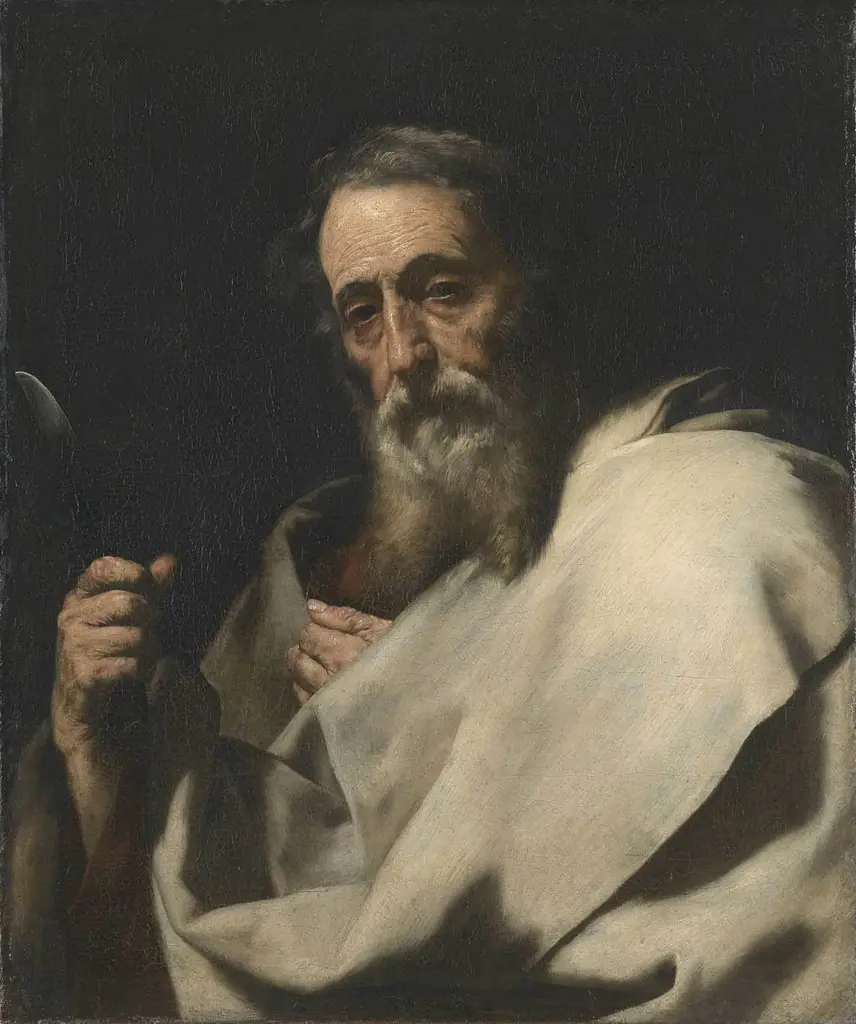
Saint Matthew is an oil painting by Jusepe de Ribera. It dates from 1632 and is held in the collection of the Kimbell Art Museum.
About this work
Overview
It is now part of the Kimbell Art Museum’s permanent collection, where it continues to be studied for its emotional intensity and technical precision.
Painted in 1632 by Jusepe de Ribera, this oil-on-canvas work portrays Saint Matthew, one of the four Evangelists. Created during Ribera’s mature period in Naples, the painting reflects his deep engagement with religious themes and the naturalistic tendencies of the Spanish Baroque. It is now part of the Kimbell Art Museum’s permanent collection, where it continues to be studied for its emotional intensity and technical precision.
Subject & Meaning
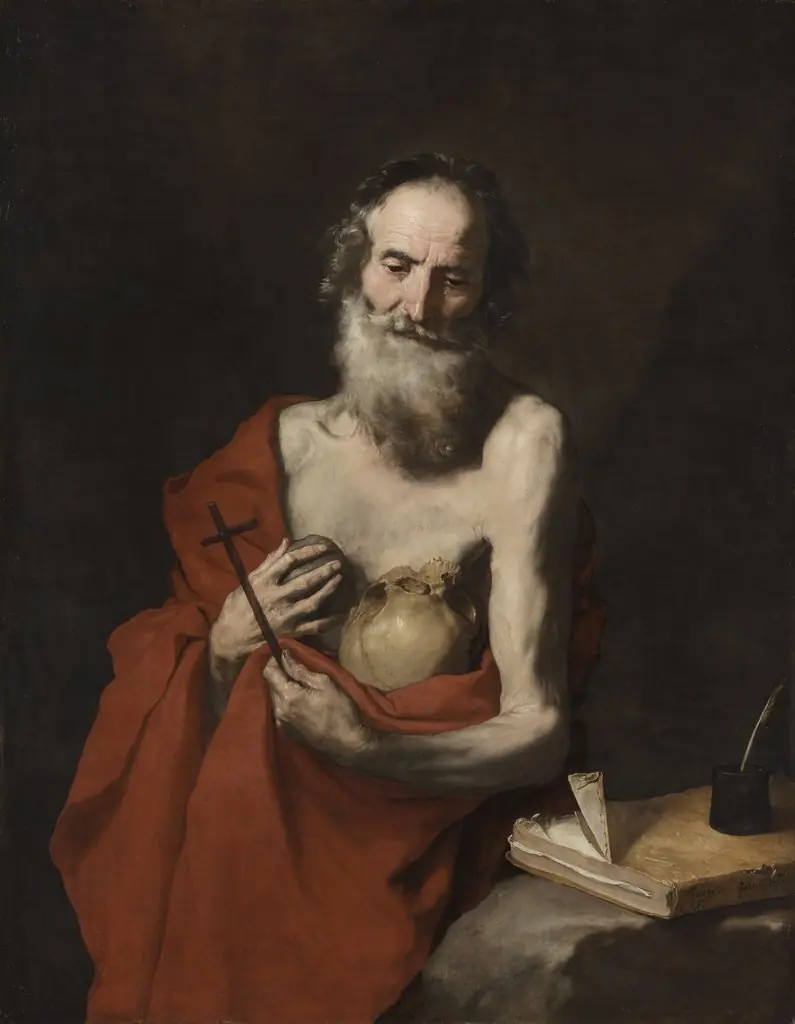
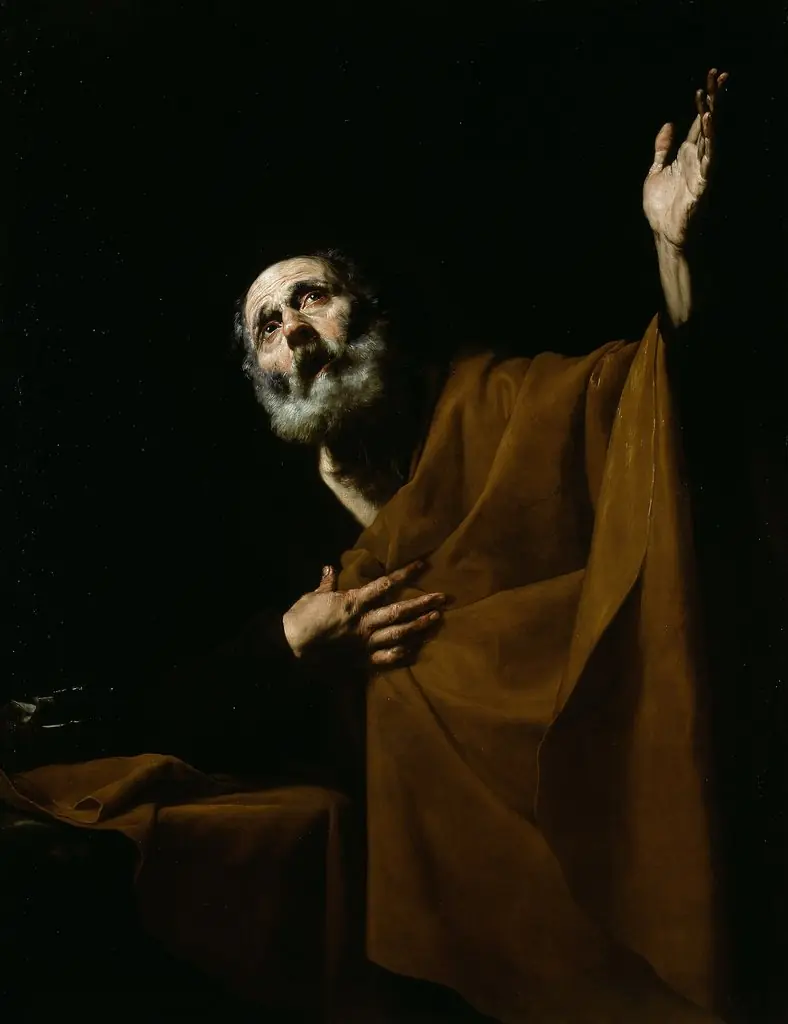
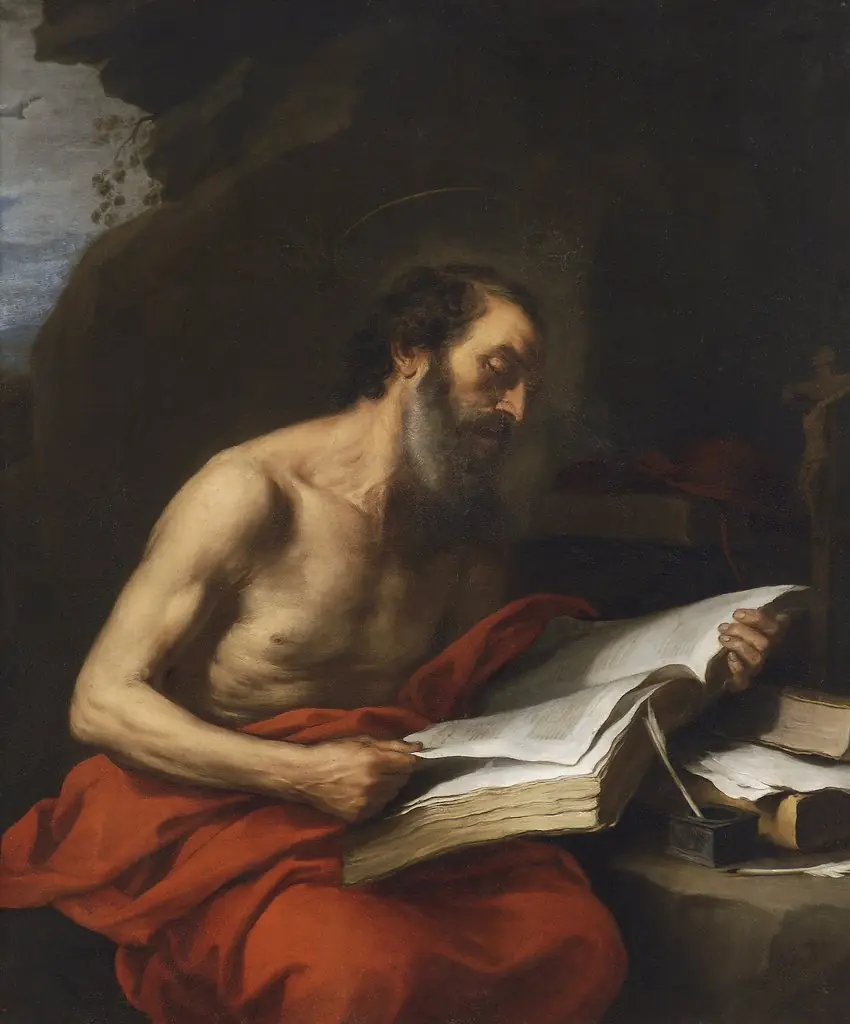
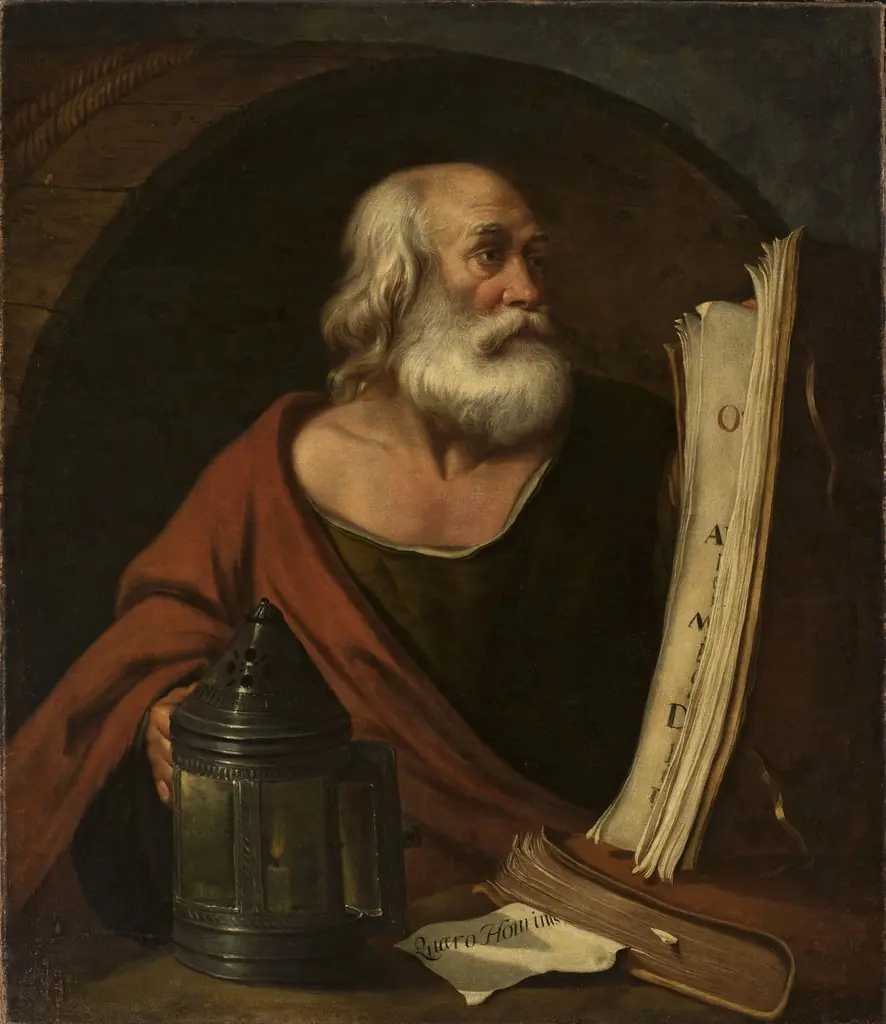
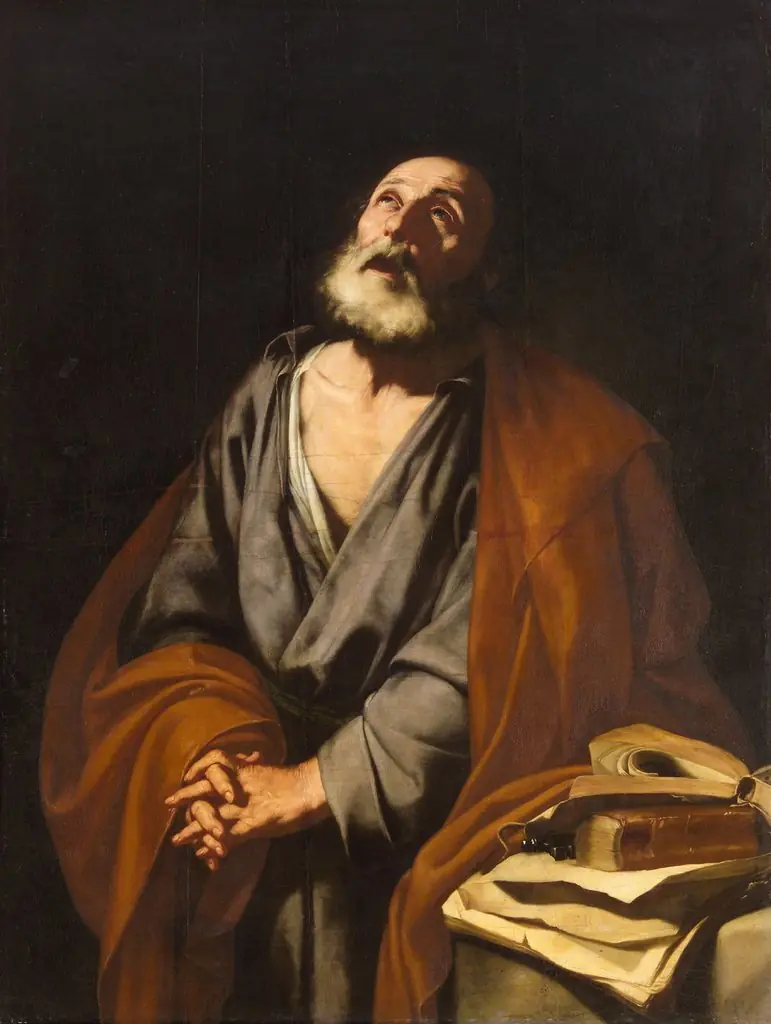
The figure of Saint Matthew is depicted as an elderly scholar, his white beard and furrowed brow suggesting years of contemplation. He holds a large book—likely the Gospel he authored—with both hands, signaling his role as a recorder of divine truth. His gaze, turned slightly away from the viewer, implies inward reflection or divine inspiration, reinforcing the spiritual gravity of his vocation as an apostle and evangelist.
Technique & Style
Ribera employs chiaroscuro with deliberate restraint, using sharp contrasts between deep shadows and softly modeled light to define the saint’s form. The dark, unbroken background isolates the figure, enhancing the three-dimensionality of his draped robes and weathered face. Brushwork is precise yet unembellished, favoring tactile realism over idealization, a hallmark of Ribera’s tenebrist approach influenced by Caravaggio but grounded in Spanish austerity.
History & Provenance
Commissioned during Ribera’s decades-long tenure in Naples, the painting was likely made for a religious institution or private patron aligned with Counter-Reformation ideals. It entered the Kimbell Art Museum’s collection in the 20th century, having passed through several European holdings. Its documented history is modest but consistent, with no evidence of major alterations or reattributions since its creation.
Context
In early 17th-century Naples, religious imagery served both devotional and didactic purposes. Ribera, though Spanish by birth, operated within a vibrant Neapolitan artistic community shaped by Caravaggism and Catholic reform. His depictions of saints emphasized human vulnerability and spiritual endurance, aligning with the Church’s push for emotionally resonant, accessible sacred art during the Counter-Reformation.
Legacy
Ribera’s Saint Matthew exemplifies the quiet power of Baroque realism in religious art. While less celebrated than his more dramatic works, this painting influenced later generations of Spanish and Italian painters who sought to convey sacred presence through physical authenticity rather than theatricality. Its enduring presence in a major American museum underscores its role as a quiet anchor in the evolution of Baroque portraiture.
Own this work as a print
Artist & collection
Artist
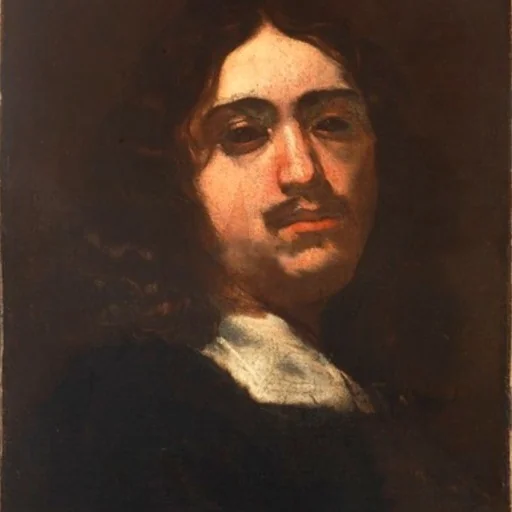
Jusepe de Ribera (Valencian: ; baptised 17 February 1591 – 3 November 1652) was a Spanish painter and printmaker.