Artwork
Blomsterbillede
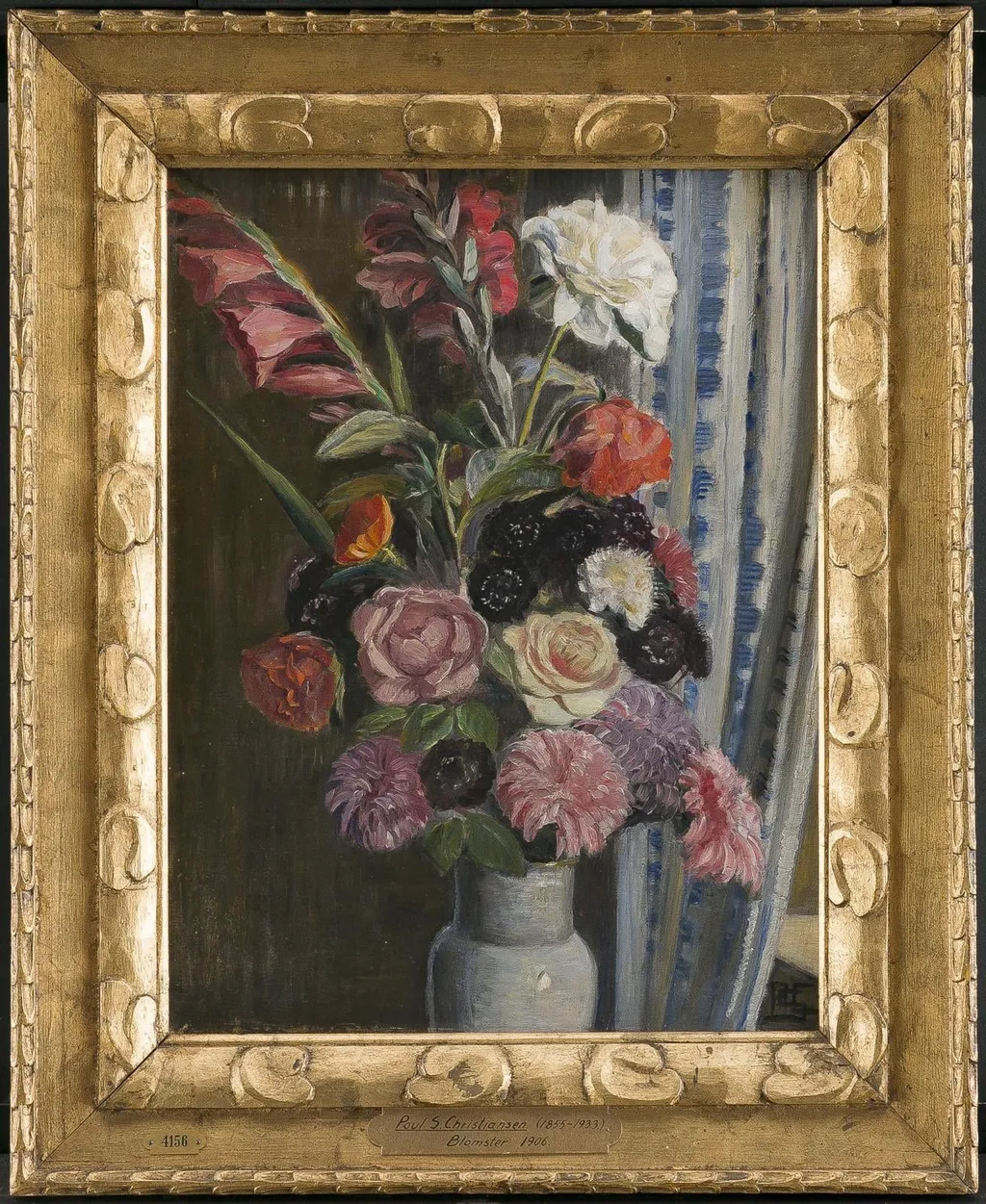
Blomsterbillede is a photography by Unknown. It dates from 1906 and is held in the collection of the Statens Museum for Kunst.
About this work
Overview
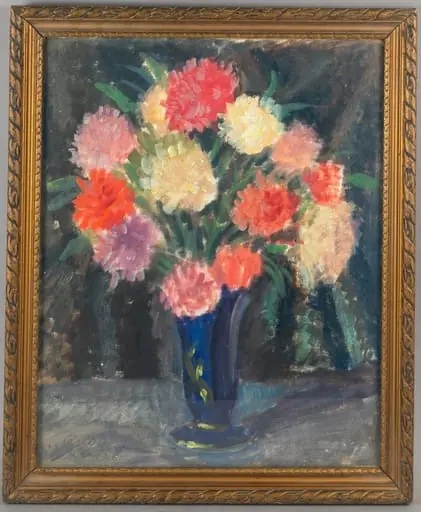
Created in 1906, Blomsterbillede is a painted still life depicting a vase of flowers on a dark surface. The work is held in the collection of the Museum of Ethnography. Though titled in Danish, its visual language aligns with broader European traditions of floral still life, rendered with a tactile, expressive technique that emphasizes texture over precise detail.
Subject & Meaning
The composition features white roses, red tulips, and pink daisies arranged in a simple ceramic vase. These common garden blooms carry no overt symbolic narrative, but their varied forms and colors suggest an intimate observation of seasonal beauty. The quiet setting, with a window or curtain behind, grounds the arrangement in domestic space, inviting contemplation rather than grand allegory.
Technique & Style
The artist applied paint thickly, using a knife or heavy brush to build up the surfaces of petals and leaves. This impasto technique creates a sculptural quality, making the flowers appear to project from the canvas. The textured strokes capture light and shadow dynamically, enhancing the sense of volume and organic movement without relying on fine detail.
History & Provenance
The painting entered the Museum of Ethnography’s collection shortly after its creation, though the artist’s identity remains unverified in public records. Its presence in an ethnographic institution, rather than a fine arts gallery, suggests an early interest in everyday visual culture as a subject worthy of preservation and study.
Context
In early 20th-century Europe, still-life painting was increasingly explored for its material qualities rather than symbolic meaning. Artists across regions experimented with impasto and bold brushwork, influenced by Post-Impressionism and emerging modernist tendencies. Blomsterbillede reflects this shift, prioritizing sensory experience over narrative or idealized form.
Legacy
Though not widely exhibited outside its institutional home, the work contributes to a broader understanding of how ordinary subjects were reimagined through expressive technique in the early modern period. Its preservation in an ethnographic context highlights evolving attitudes toward the artistic value of domestic, non-elite imagery.
Artist & collection

 Domestic Scene
 Giacomo and Cardinal Marco, investing Andrea, Abbot of San Zeno, with his Benefice
 The Nymph of Fontainebleau
 Portrait of a Woman
 Madonna and Child with Saints in the Enclosed Garden
 Venus and Minerva
 Family Group of Four on Sofa
 Wall painting from Room H of the Villa of P. Fannius Synistor at Boscoreale
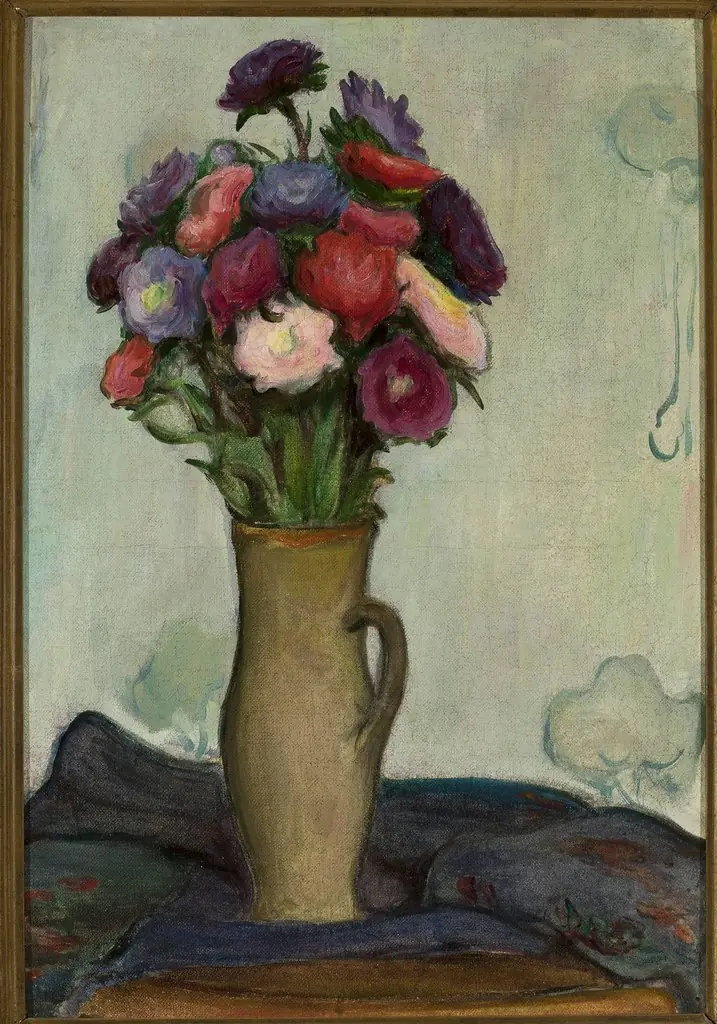 Flowers in a vase /Asters/
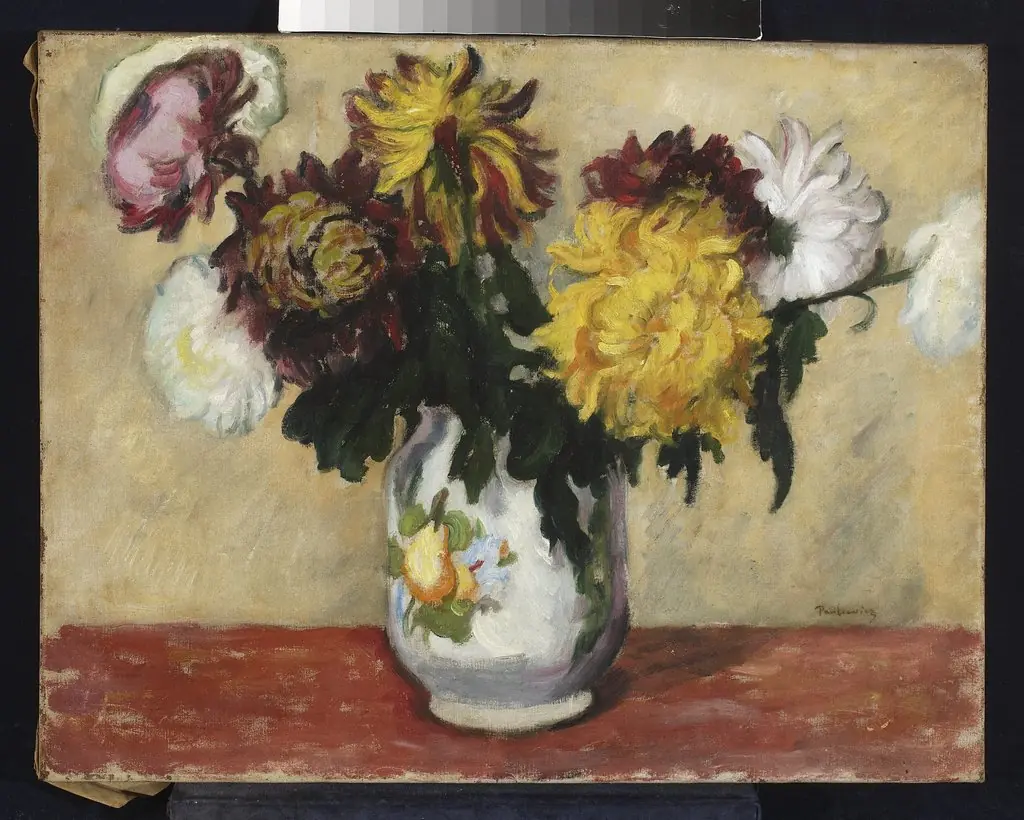 Chrysanthemums
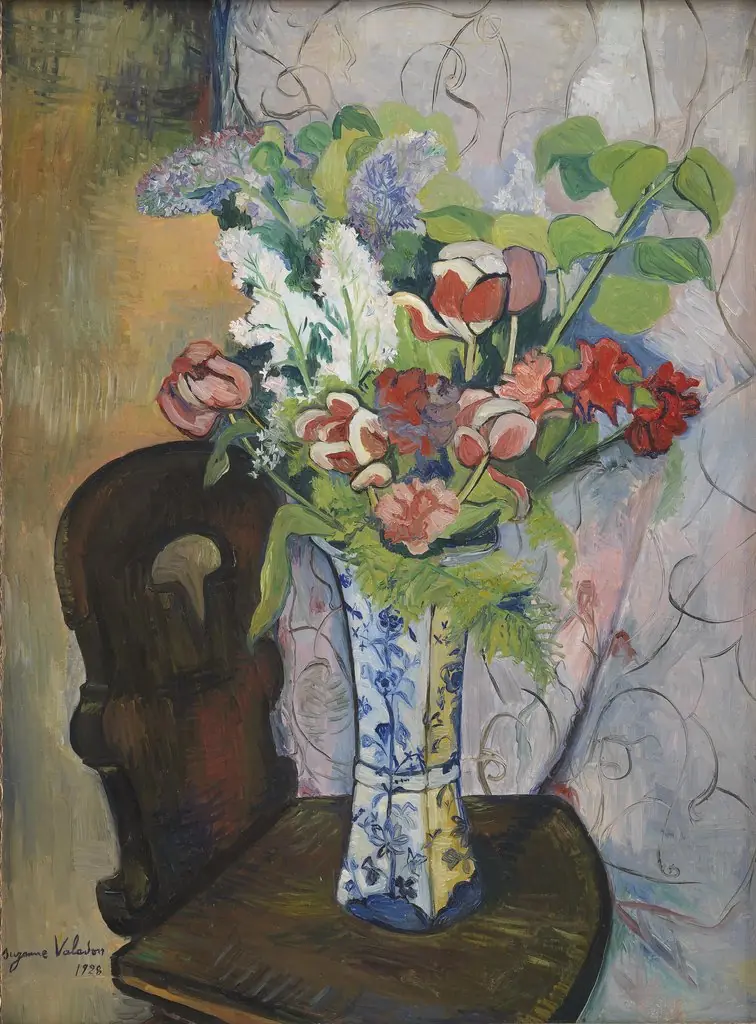 Spring Flowers
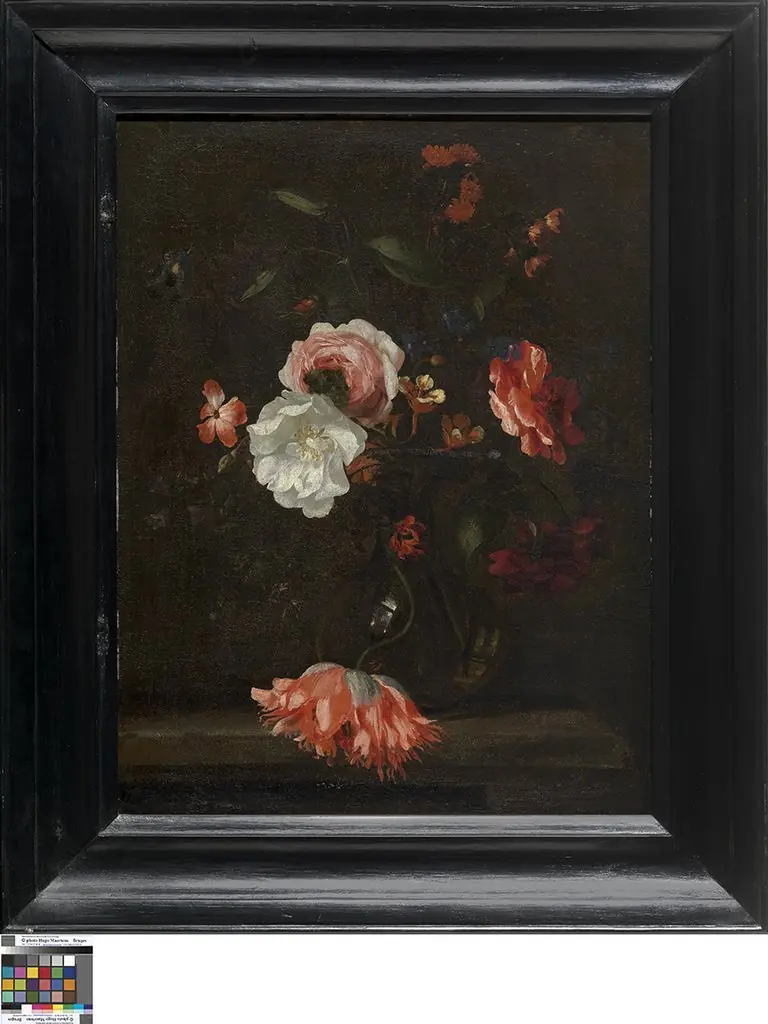 Bloemstuk
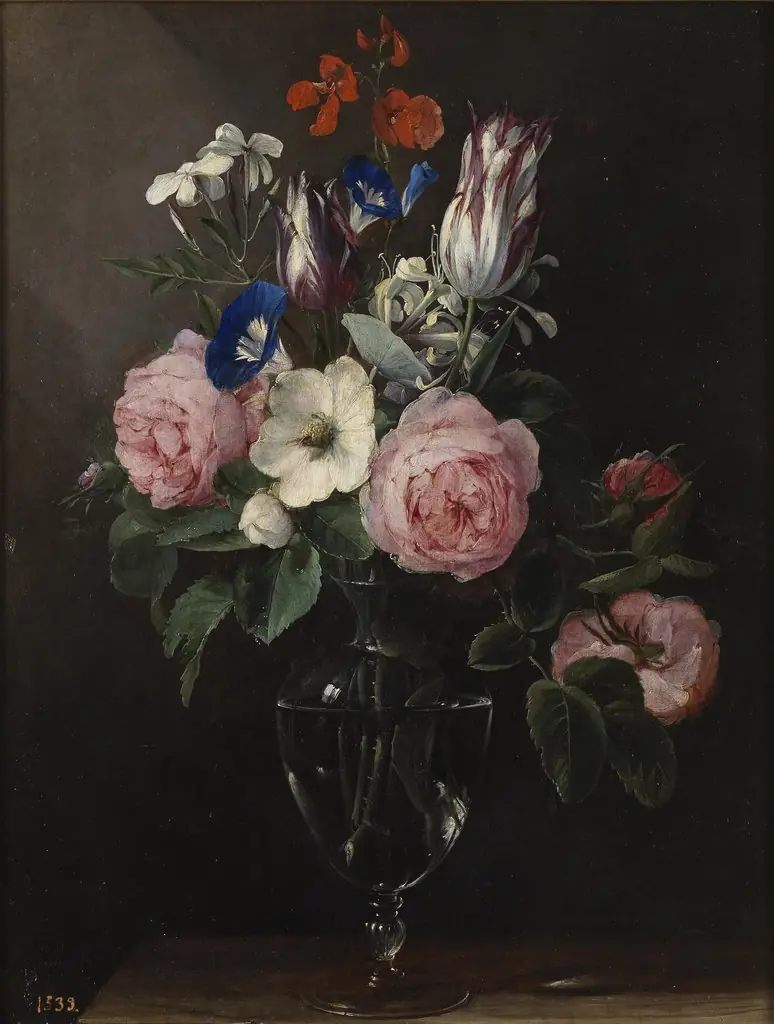 Vase of Flowers
 Pictură în ulei pe pânză, reprezentând un vas mare cu flori galbene, roșii, mov, semnat de pcitorul Gheorghe Ceglokoff (1904-1964, pictor și grafician, născut la Chișinău, închis pentru simpatii comunite) realizat în lagărul din Târgu Jiu, 1941, dăruită lui Liță Anghel
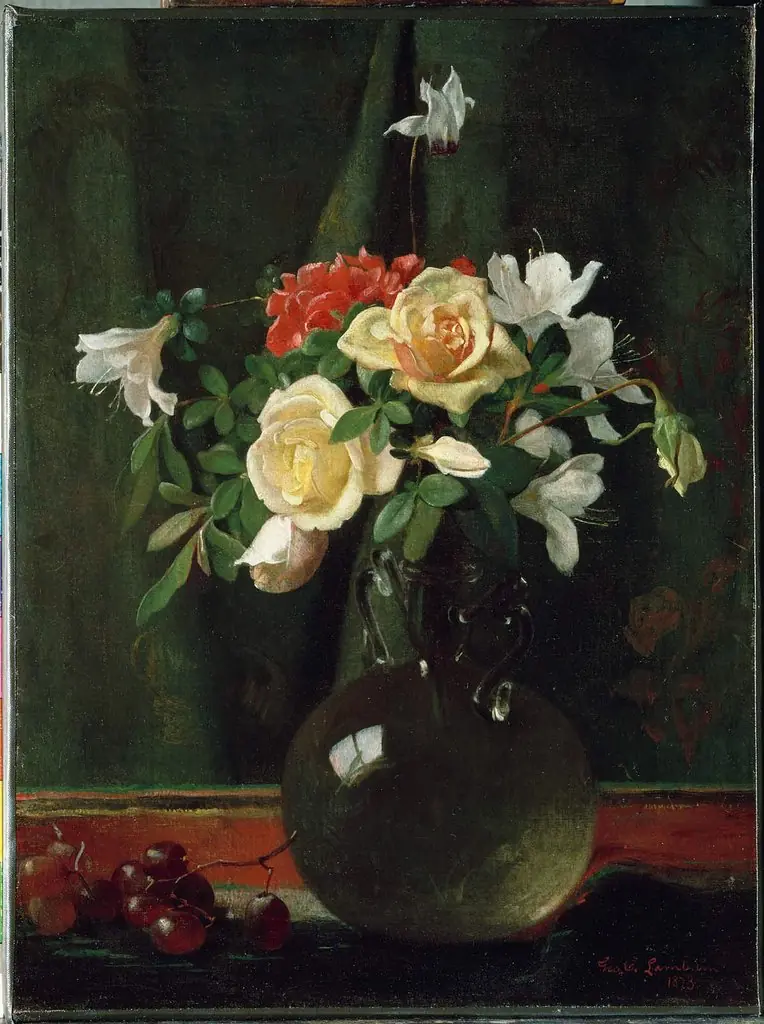 Vase of Flowers
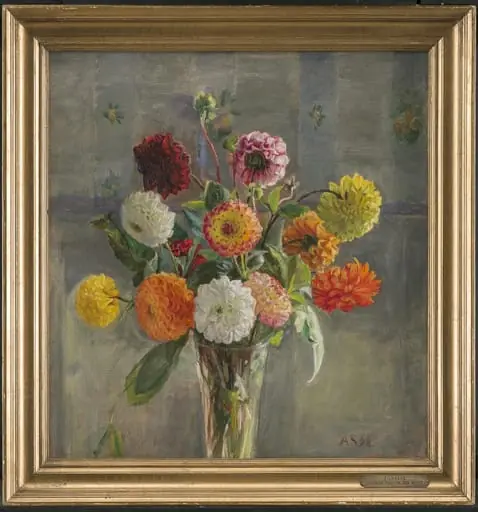 Georginer i et glas
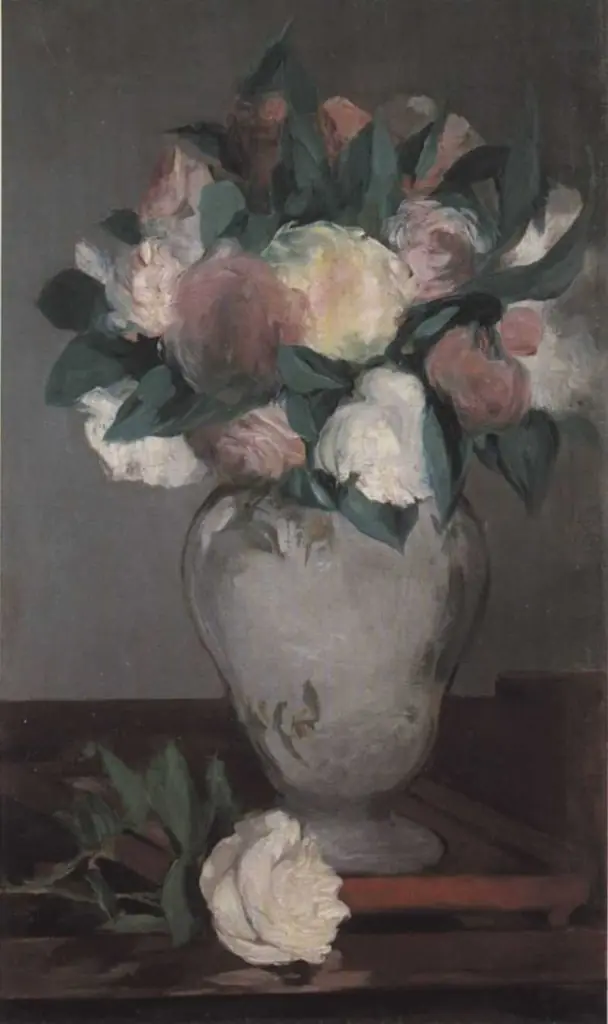 Peonies
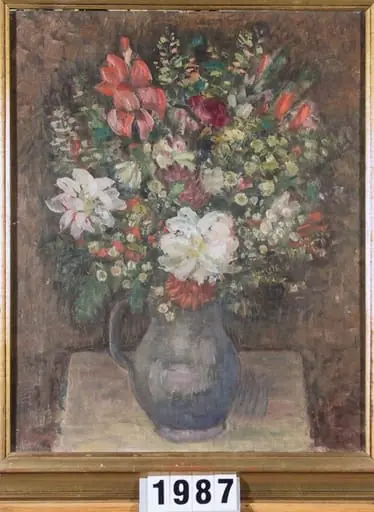 Vas cu flori