Artwork
Pictură în ulei pe pânză, reprezentând un vas mare cu flori galbene, roșii, mov, semnat de pcitorul Gheorghe Ceglokoff (1904-1964, pictor și grafician, născut la Chișinău, închis pentru simpatii comunite) realizat în lagărul din Târgu Jiu, 1941, dăruită lui Liță Anghel
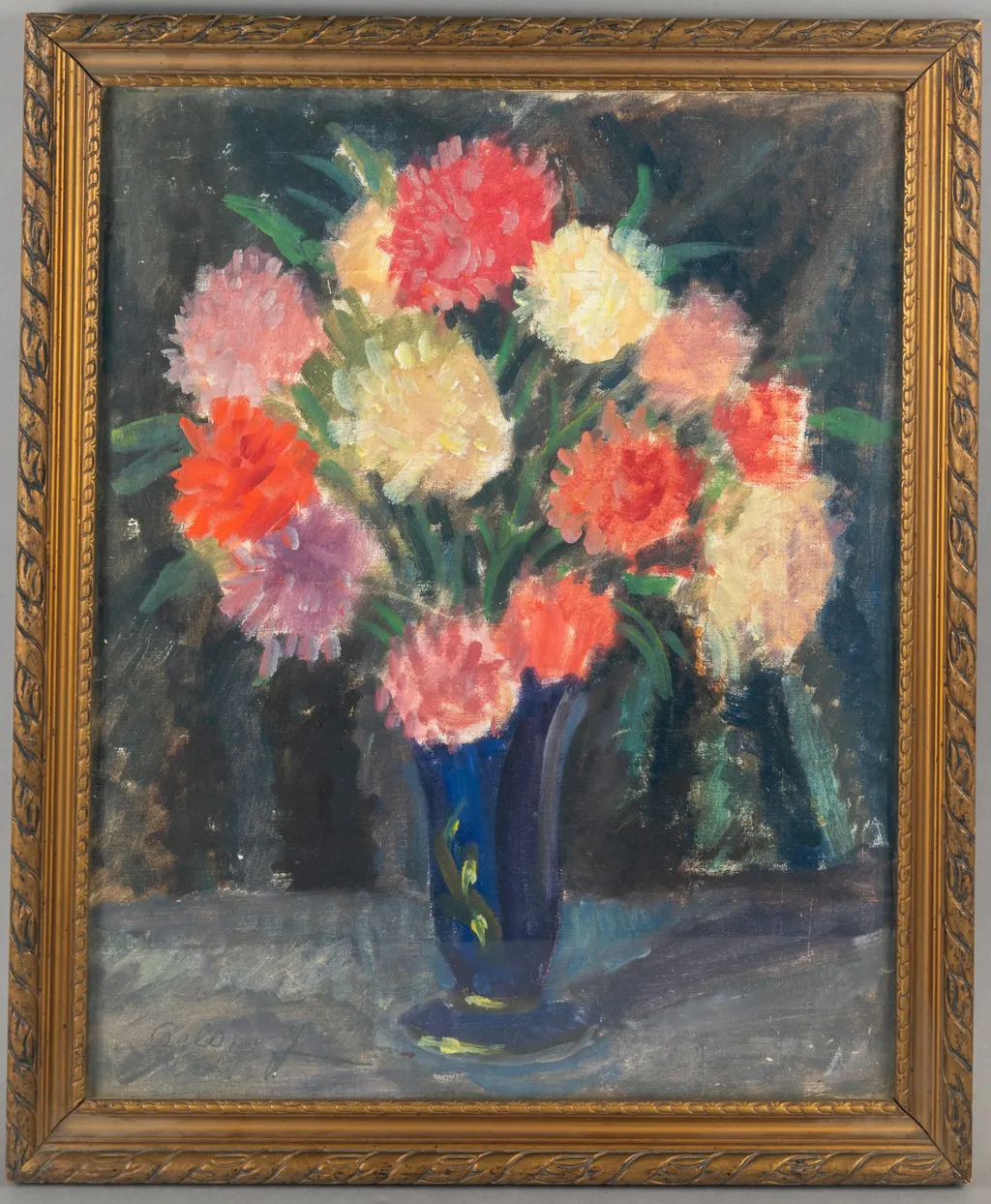
Pictură în ulei pe pânză, reprezentând un vas mare cu flori galbene, roșii, mov, semnat de pcitorul Gheorghe Ceglokoff (1904-1964, pictor și grafician, născut la Chișinău, închis pentru simpatii comunite) realizat în lagărul din Târgu Jiu, 1941, dăruită lui Liță Anghel is an unspecified painting by the Realist artist Gheorghe Ceglokoff. It dates from 1941 and is held in the collection of the National Museum of Romanian History. An oil painting on canvas executed in 1941 depicts a tall blue vase brimming with vivid blossoms in yellow, red and purple hues.
About this work
This painting shows a tall blue vase filled with bright flowers—reds, yellows, and pinks—poking out in loose clusters.
This painting shows a tall blue vase filled with bright flowers—reds, yellows, and pinks—poking out in loose clusters. The brushstrokes are thick and rough, especially on the petals, making the colors pop against the dark background. A few green leaves peek out here and there, and the vase sits on a simple surface with a hint of shadow underneath.
The artist signed it in the corner, and the style looks like it was painted quickly, almost like a sketch. It was made in 1941 by someone who later faced trouble for their beliefs.
If you like this loose, bold style, look up impasto next.
Overview
An oil painting on canvas executed in 1941 depicts a tall blue vase brimming with vivid blossoms in yellow, red and purple hues. The composition is set against a dark ground, with the vase resting on a modest surface that suggests a faint shadow. The work bears the artist’s signature in the lower corner, confirming its authorship.
Subject & Meaning
The central motif—a large vase overflowing with colorful flowers—offers a study in contrast between the bright petals and the somber backdrop. While no explicit narrative is provided, the exuberant flora may be read as a subtle assertion of vitality amid the harsh conditions under which the piece was produced.
Technique & Style
Ceglokoff employs a vigorous impasto application, laying thick, textured brushstrokes especially on the petals, which enhances the luminosity of the colors. The handling is swift and expressive, giving the work the immediacy of a sketch while retaining the richness of oil paint.
History & Provenance
Created while the artist was interned in the Târgu Jiu labor camp during World War II, the painting later entered the collection of Liță Anghel as a gift. Ceglokoff (1904‑1964), a native of Chișinău, was a painter and graphician who faced imprisonment for his communist sympathies.
Context
The work emerges from a period of political repression in Romania, when many artists endured incarceration. Within this environment, the painting’s bright subject matter stands in stark relief to the oppressive circumstances of its creation, reflecting a broader trend of covert resistance through art.
Legacy
Although not widely reproduced, the piece exemplifies Ceglokoff’s capacity to merge bold painterly technique with personal resilience. It remains a testament to the endurance of creative expression under duress and contributes to the understanding of Romanian art produced in wartime camps.
Artist & collection
Artist
Gheorghe Ceglokoff painted still lifes in oil on canvas, dense with vivid color—like his 1941 work given to Liță Anghel that shows a large vase bursting with yellow, red, and purple blooms.

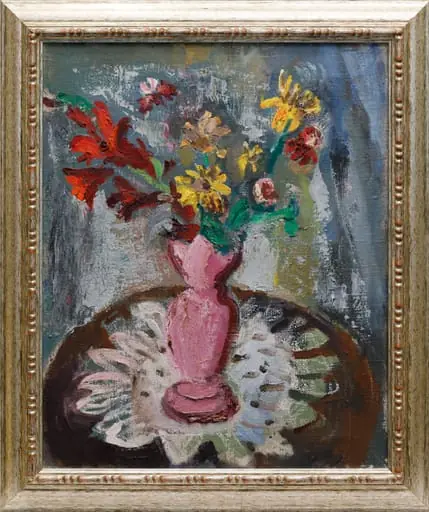 Vază cu flori
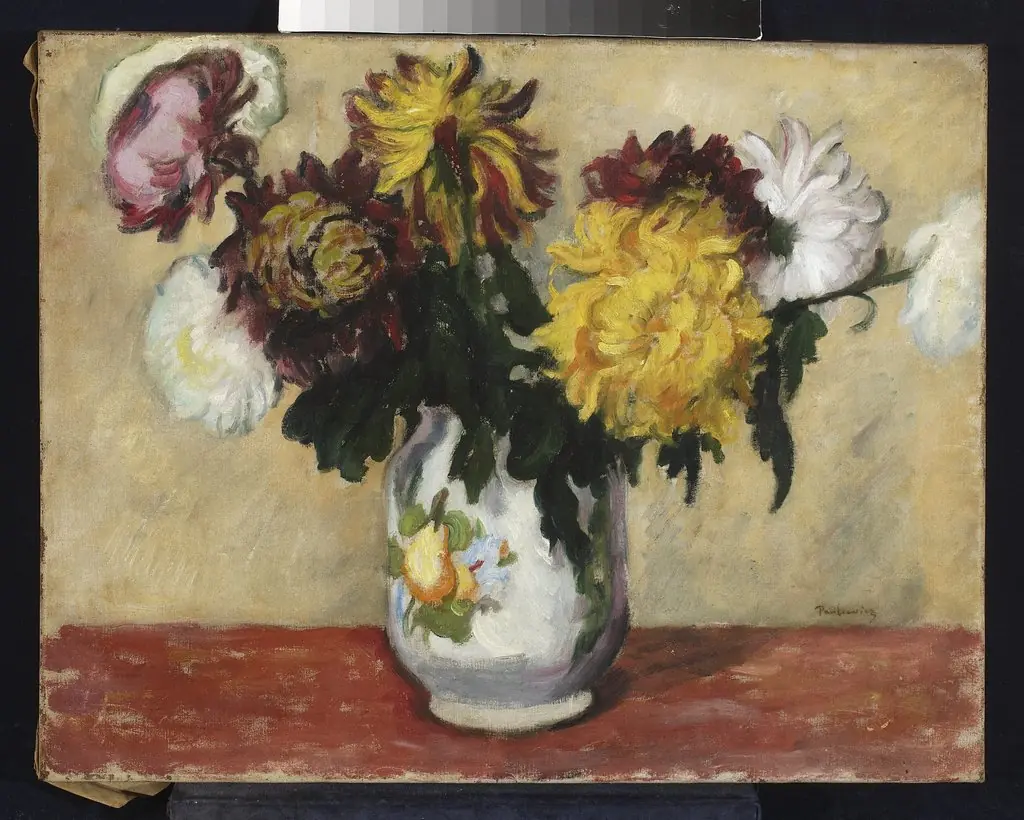 Chrysanthemums
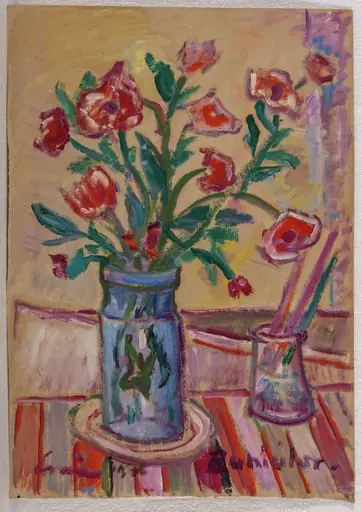 Eboșă cu un vas de sticlă cu flori roșii așezat pe un suport în jumătatea din stânga a lucrării. În jumătatea din dreapta, mult în spate față de vasul cu flori, un alt vas de sticlă, mic, cu trei pensule. Fundal ocru, colorat cu pastă violet și albastră în marginea din dreapta a lucrării. Flori vag schițate cu roșu și alb, iar suportul este acoperit cu un material în dungi colorate în portocaliu, alternând cu gri și violet. Semnat și datat cu violet și brun, stânga jos: Craiu (19)76.
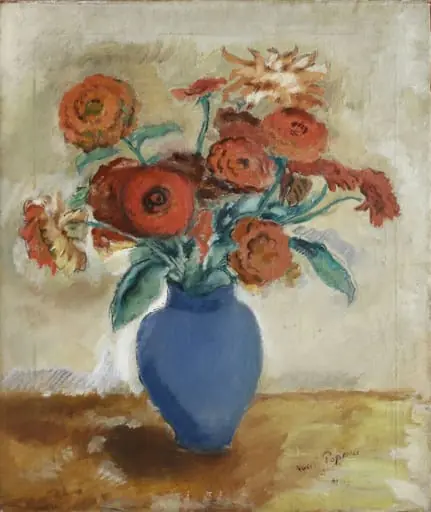 Vas albastru cu flori
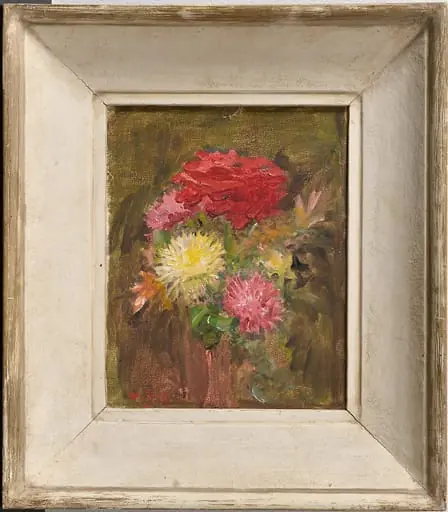 Astereita
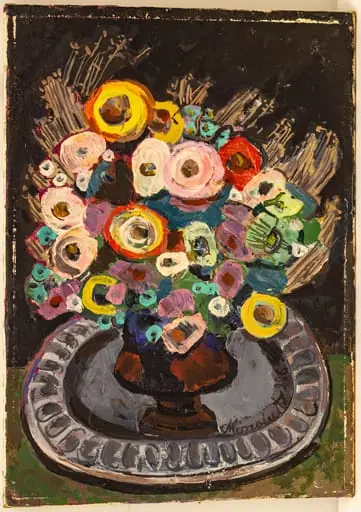 Flori
Flori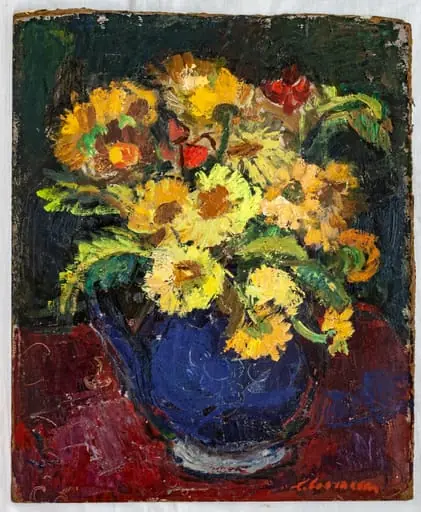 Flori în ulcică albastră
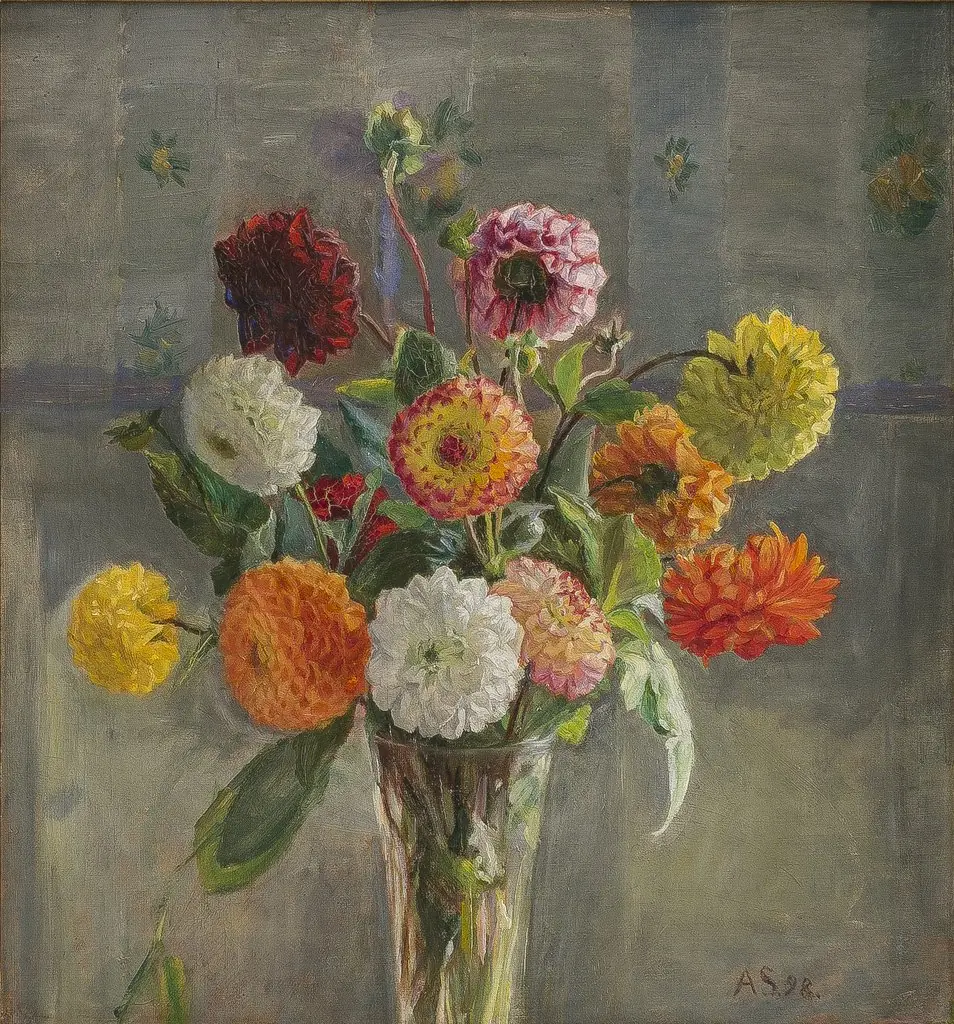 Georginer i et glas
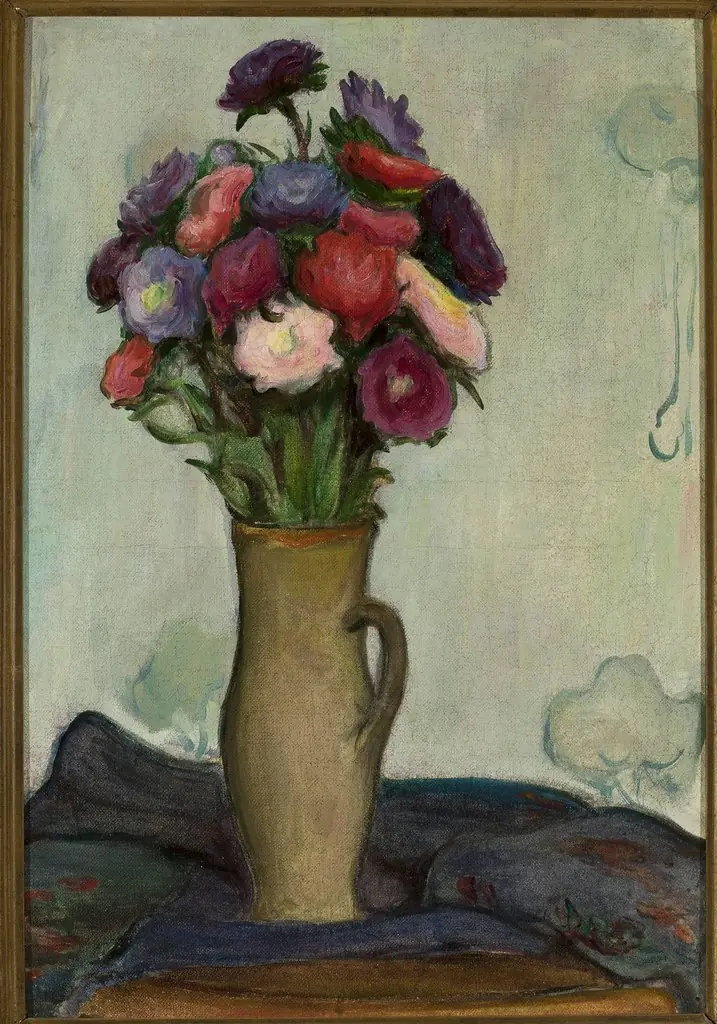 Flowers in a vase /Asters/
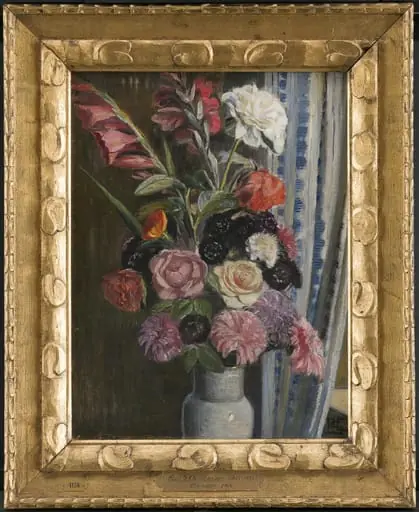 Blomsterbillede
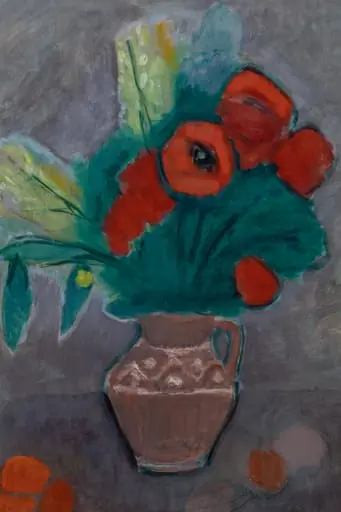 Maci
Maci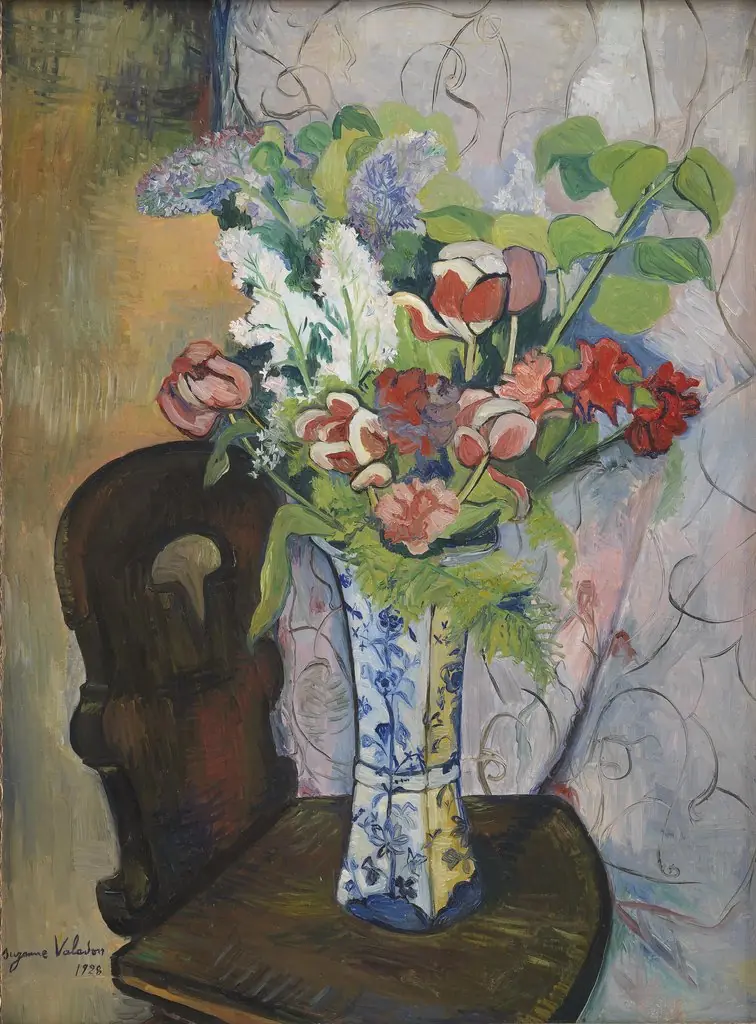 Spring Flowers