Artwork
The Garden of the Prince's Palace, Copenhagen
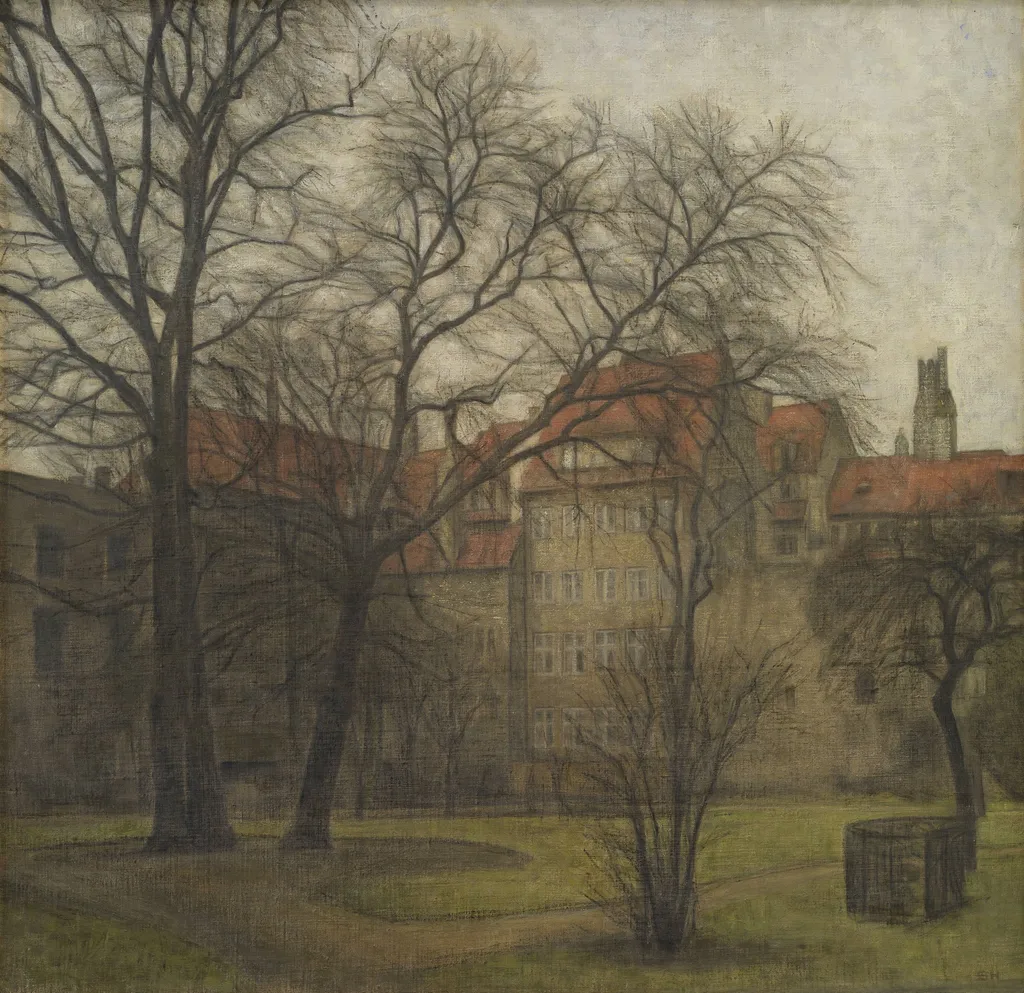
The Garden of the Prince's Palace, Copenhagen is a photography by Unknown. It dates from 1905 and is held in the collection of the Statens Museum for Kunst. Created in 1905, this photograph captures the winter courtyard of the Prince's Palace in Copenhagen.
About this work
Overview
It presents a still, unpopulated space where architectural elements are framed by the skeletal branches of deciduous trees.
Created in 1905, this photograph captures the winter courtyard of the Prince's Palace in Copenhagen. The image is held in the collection of the Museum of Ethnography. It presents a still, unpopulated space where architectural elements are framed by the skeletal branches of deciduous trees. The composition emphasizes quietude and seasonal stillness, with no human figures present to disrupt the sense of solitude.
Subject & Meaning
The scene depicts a private royal courtyard in repose, stripped of seasonal foliage and human activity. The bare trees and muted tones suggest a moment of pause, perhaps reflecting the introspective nature of winter or the isolation of aristocratic spaces. The building’s restrained architecture and distant tower imply institutional permanence, contrasting with the transient, dormant state of the natural elements surrounding it.
Technique & Style
The photograph employs a subdued tonal range, dominated by grays, browns, and faint hints of green in the frost-laced grass. The composition uses the twisted branches of winter trees as natural framing devices, directing the viewer’s gaze toward the palace’s red-tiled roofs and light-hued walls. The soft focus and lack of sharp contrast suggest an emphasis on atmosphere over detail, aligning with early 20th-century pictorialist tendencies.
History & Provenance
The image was made in 1905 and entered the collection of the Museum of Ethnography shortly thereafter. Its origins as a documentary record of a royal residence suggest it may have been part of a broader effort to catalog Nordic architectural and landscape contexts. The photograph’s preservation in an ethnographic institution, rather than an art museum, reflects its initial role as cultural documentation.
Context
In early 20th-century Denmark, photography was increasingly used to record both everyday life and elite spaces. This image aligns with a broader trend of capturing seasonal changes in urban and aristocratic environments. The absence of people and the emphasis on architectural form reflect a growing interest in the relationship between nature, time, and built heritage within Scandinavian visual culture.
Legacy
The photograph remains a quiet example of early modern Scandinavian photographic practice. While not widely exhibited, its inclusion in the Museum of Ethnography underscores its value as a historical record of Copenhagen’s royal grounds during a period of transition. Its restrained aesthetic continues to resonate with viewers interested in the interplay of architecture and seasonal decay.
Artist & collection

 Domestic Scene
 Giacomo and Cardinal Marco, investing Andrea, Abbot of San Zeno, with his Benefice
 The Nymph of Fontainebleau
 Portrait of a Woman
 Madonna and Child with Saints in the Enclosed Garden
 Venus and Minerva
 Family Group of Four on Sofa
 Wall painting from Room H of the Villa of P. Fannius Synistor at Boscoreale
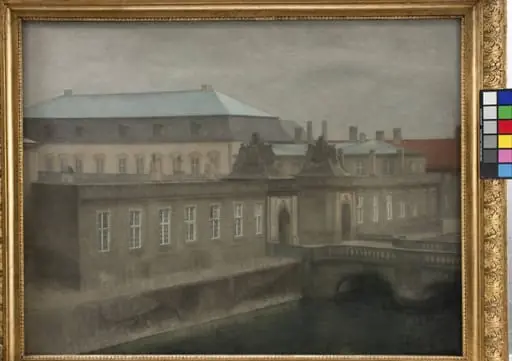 View of Christiansborg Palace. Late Autumn
 Late Autumn
 Façades
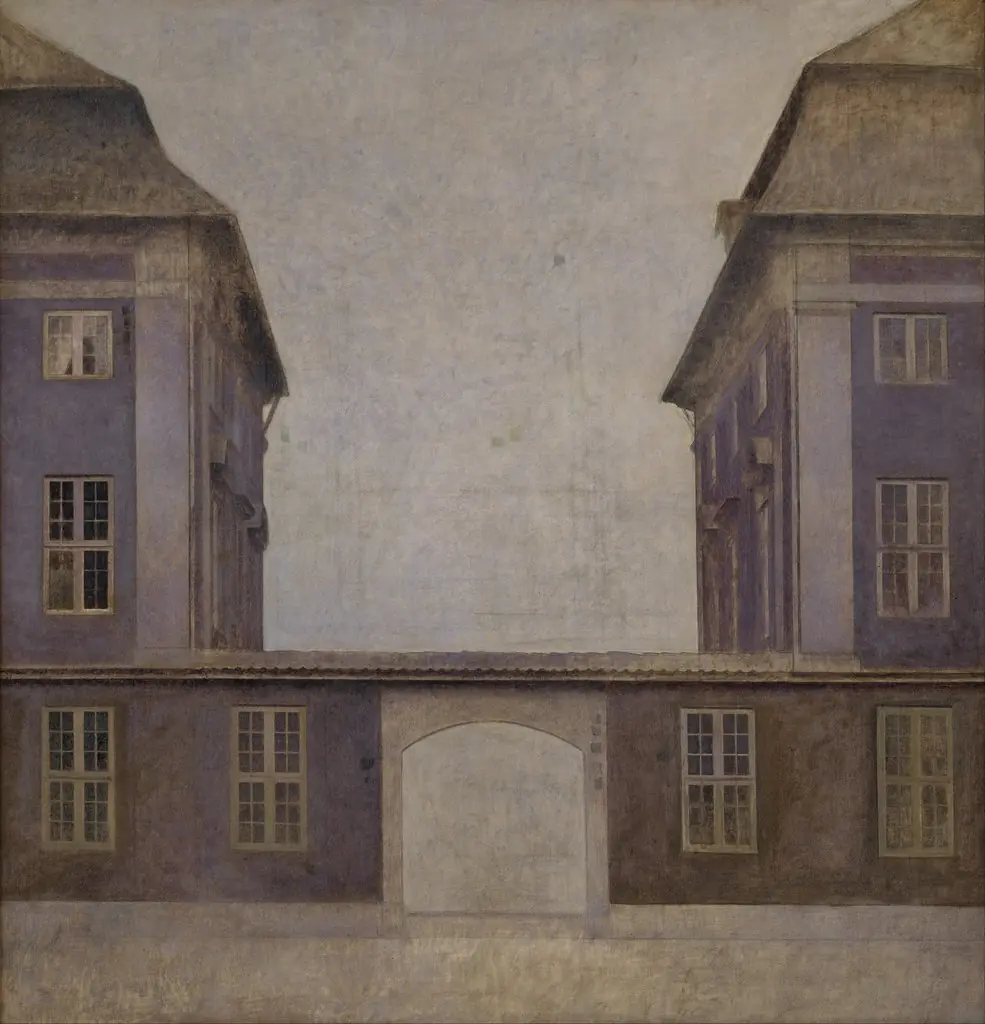 The Buildings of the Asiatic Company, seen from St. Annæ Street, Copenhagen
 The Buildings of the Asiatic Company, seen from St. Annæ Street, Copenhagen
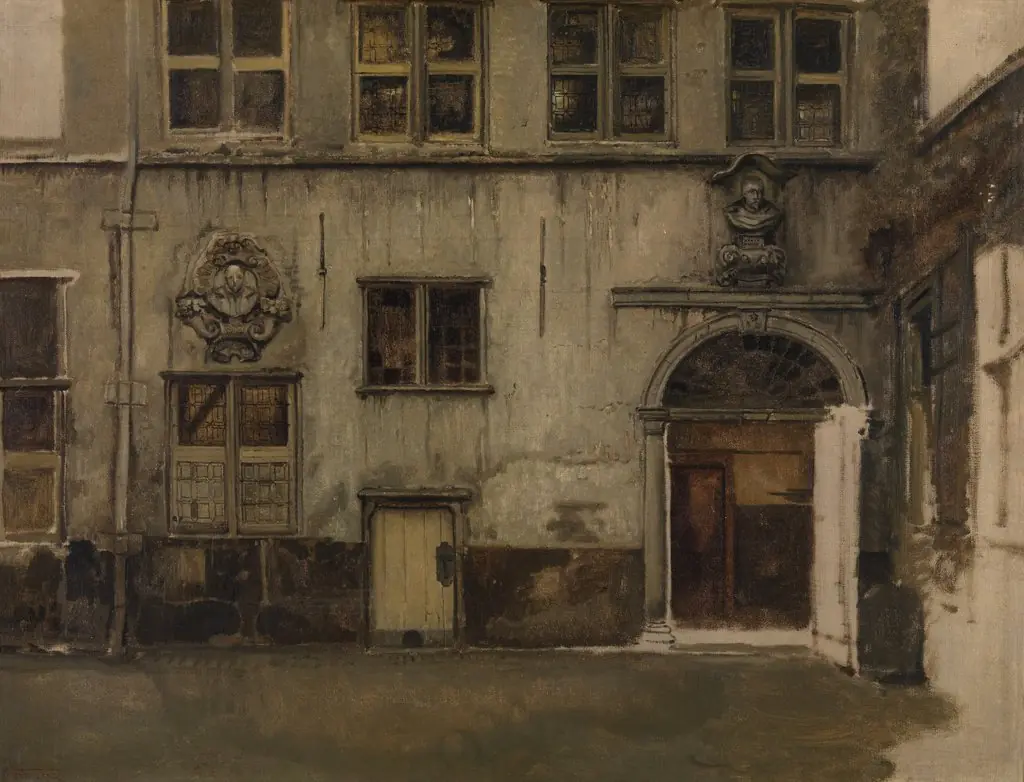 Courtyard of the house of Christoffel Plantin
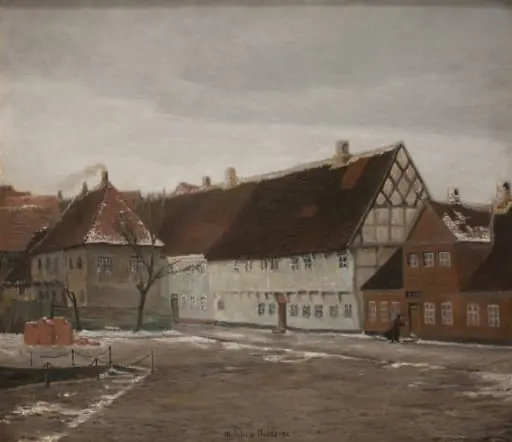 Winter Evening in Ribe, Jutland
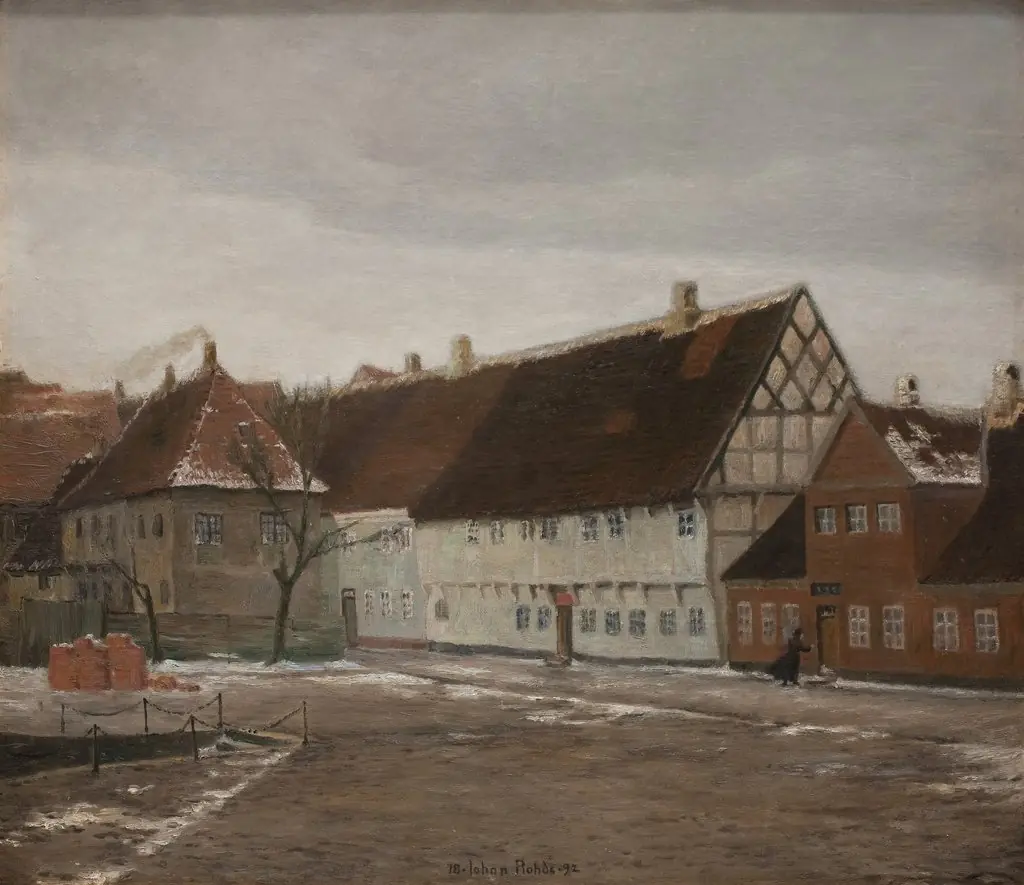 Winter Evening in Ribe, Jutland
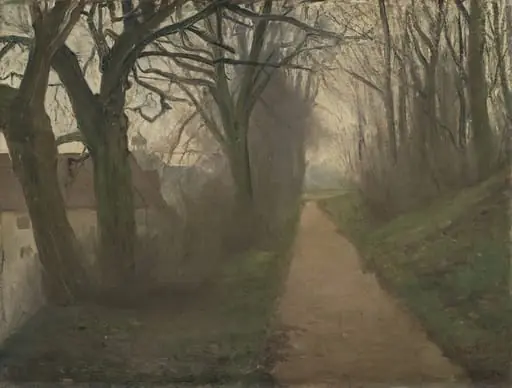 The Citadel in December