Artwork
The Citadel in December
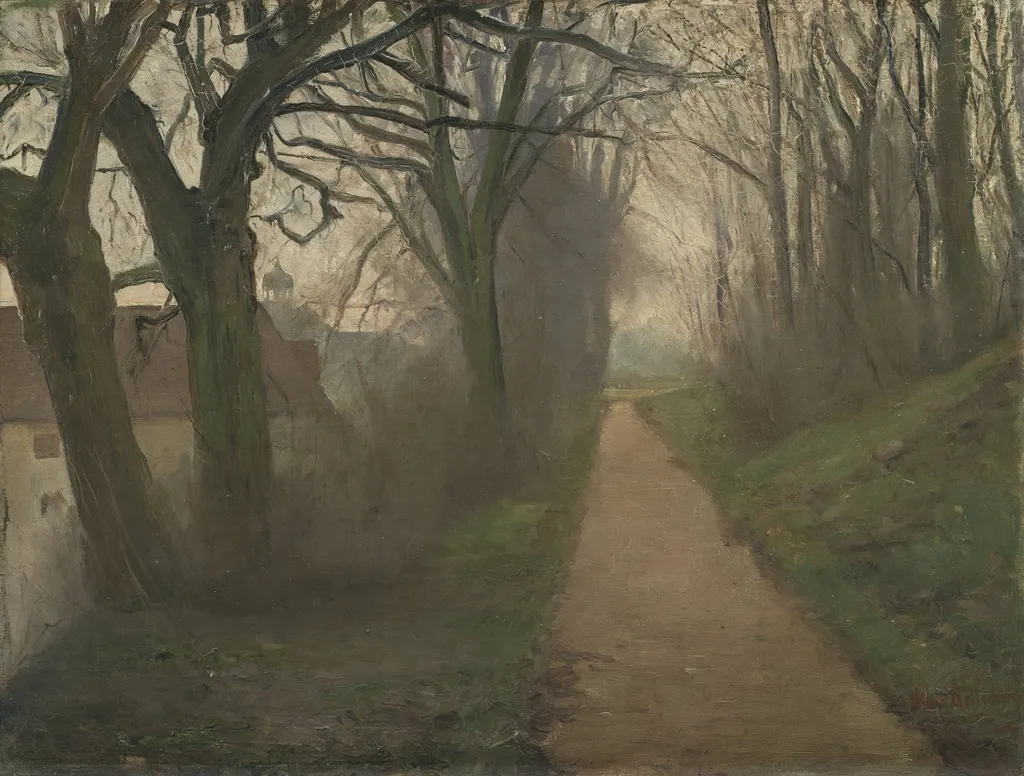
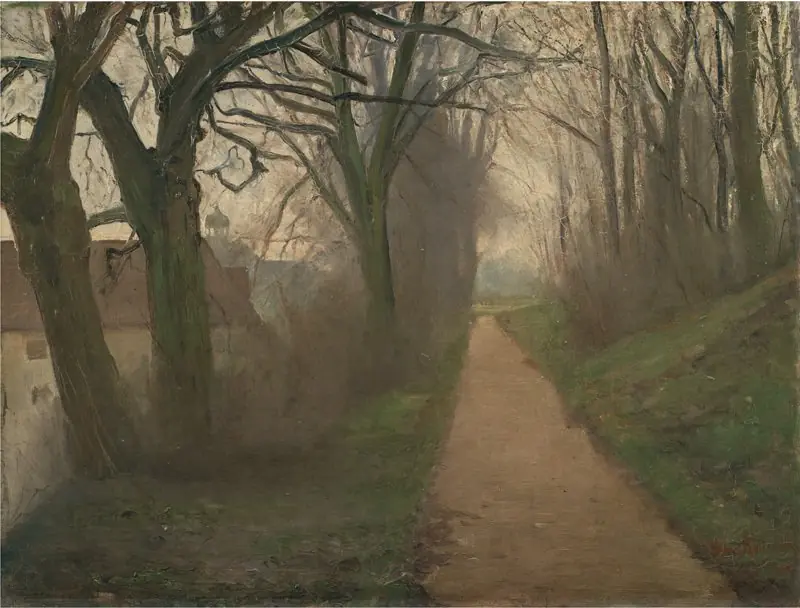
The Citadel in December is a photography by the Impressionist artist Unknown. It dates from 1884 and is held in the collection of the Statens Museum for Kunst. Created in 1884 by 310_person, this landscape depicts a winter forest road near a citadel.
About this work
Overview
Created in 1884 by 310_person, this landscape depicts a winter forest road near a citadel. The painting is part of the Museum of Ethnography’s collection. It captures a quiet, unpopulated scene where nature dominates the composition, with no human figures present. The mood is subdued, emphasizing stillness and the quiet transformation of the landscape under seasonal change.
Subject & Meaning
The citadel, though referenced in the title, remains unseen—its presence implied rather than depicted, adding a layer of historical distance.
The subject is a solitary forest path in deep winter, framed by tall, leafless trees. The dim, uneven road suggests solitude and passage, while patches of moss hint at latent life beneath the frost. The absence of people or structures reinforces a sense of nature’s quiet persistence. The citadel, though referenced in the title, remains unseen—its presence implied rather than depicted, adding a layer of historical distance.
Technique & Style
The artist employs thick, textured brushwork to render the trunks and canopy, creating a tactile surface that catches light unevenly. Dark, vertical tree forms contrast sharply with the pale, washed-out sky, enhancing depth. The brushstrokes suggest movement in the air and the weight of snow-laden branches, aligning with observational approaches common in late 19th-century landscape painting, though without the color emphasis of Impressionism.
History & Provenance
The painting was completed in 1884 and entered the Museum of Ethnography’s holdings at an unknown date. Its acquisition likely reflects the institution’s interest in regional cultural landscapes rather than fine art traditions. No record of prior ownership or exhibition history is widely documented, suggesting it remained within the artist’s circle or local collection before institutional acquisition.
Context
In the 1880s, European artists increasingly turned to rural and seasonal scenes as industrialization reshaped society. This work aligns with a broader trend of nature-focused realism, where landscapes served as quiet reflections on time and place. Though not part of a named movement, its emphasis on atmosphere and natural detail connects it to contemporaneous efforts to capture the subtleties of the environment beyond idealized views.
Legacy
The painting has not been widely reproduced or critically analyzed outside institutional records. Its significance lies in its quiet documentation of a specific locale and season, offering a modest but tangible record of late 19th-century visual culture. It remains a quiet presence in the Museum of Ethnography, valued for its atmospheric precision and unembellished observation of the natural world.
Artist & collection

 Domestic Scene
 Giacomo and Cardinal Marco, investing Andrea, Abbot of San Zeno, with his Benefice
 The Nymph of Fontainebleau
 Portrait of a Woman
 Madonna and Child with Saints in the Enclosed Garden
 Venus and Minerva
 Family Group of Four on Sofa
 Wall painting from Room H of the Villa of P. Fannius Synistor at Boscoreale
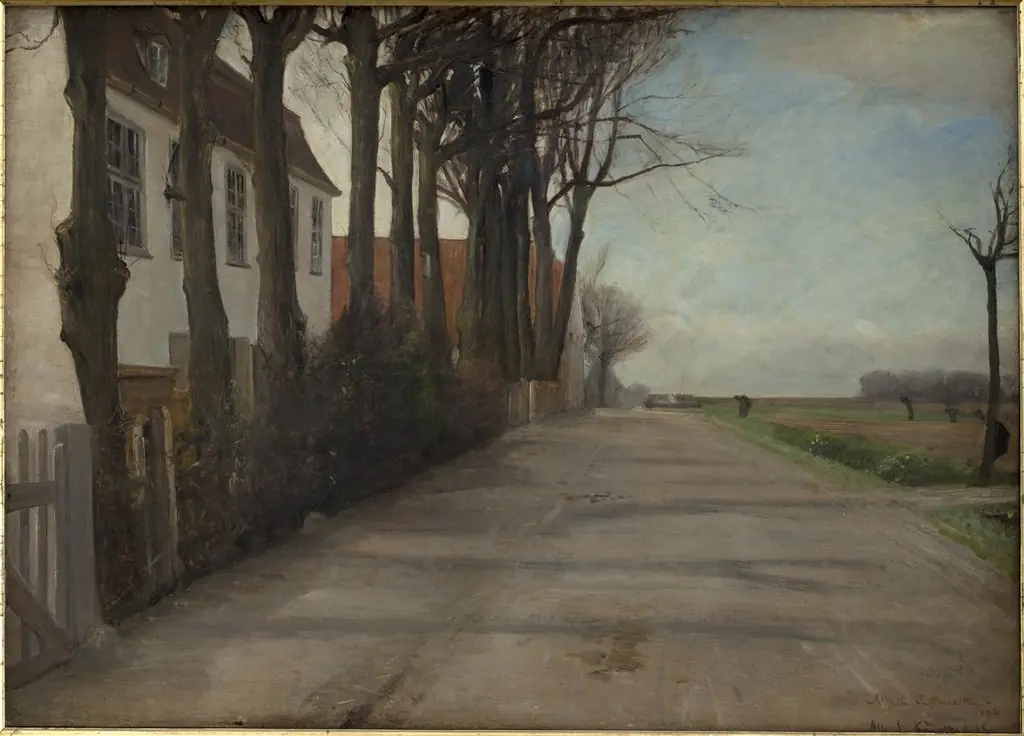 The Road Leading past "Store Godthaab", a Country House near Copenhagen
 The Road Leading past "Store Godthaab", a Country House near Copenhagen
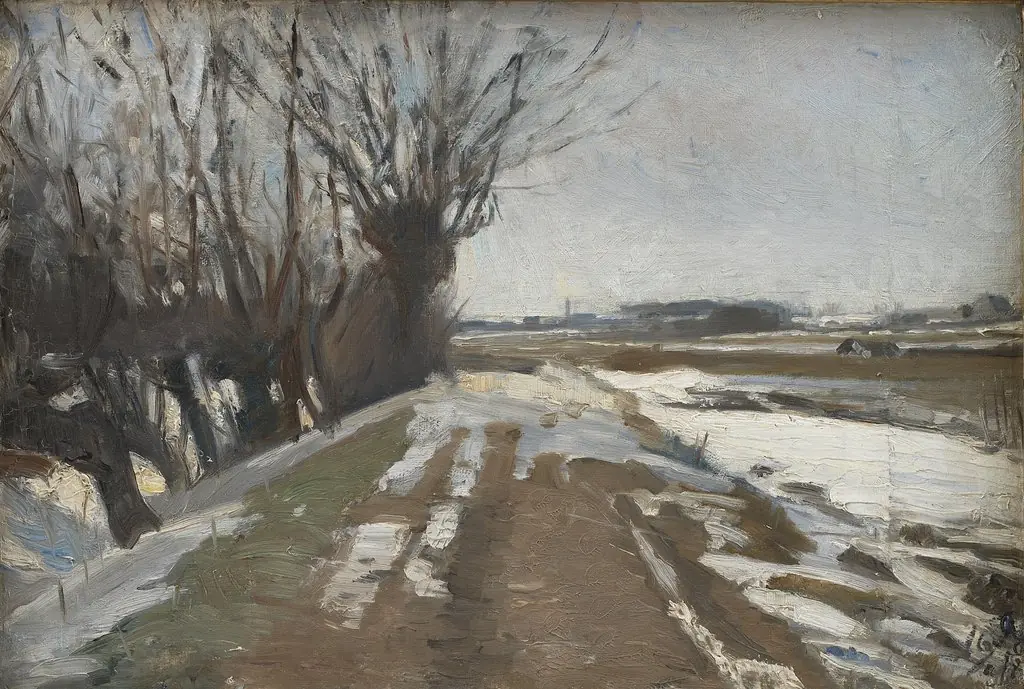 Winter Landscape. Utterslev near Copenhagen
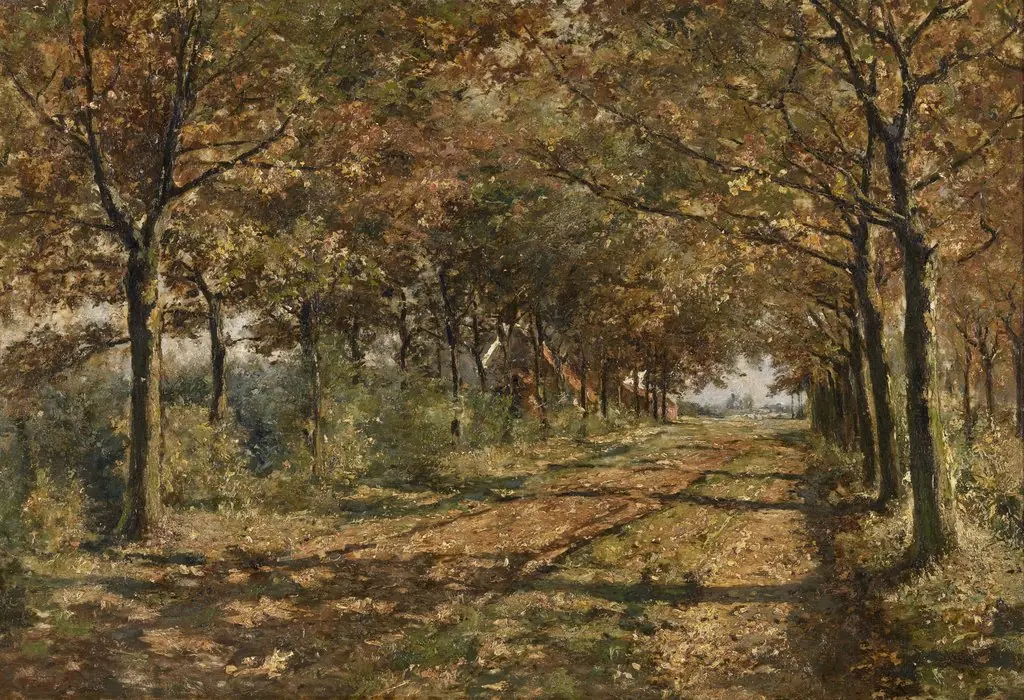 Sunny Lane
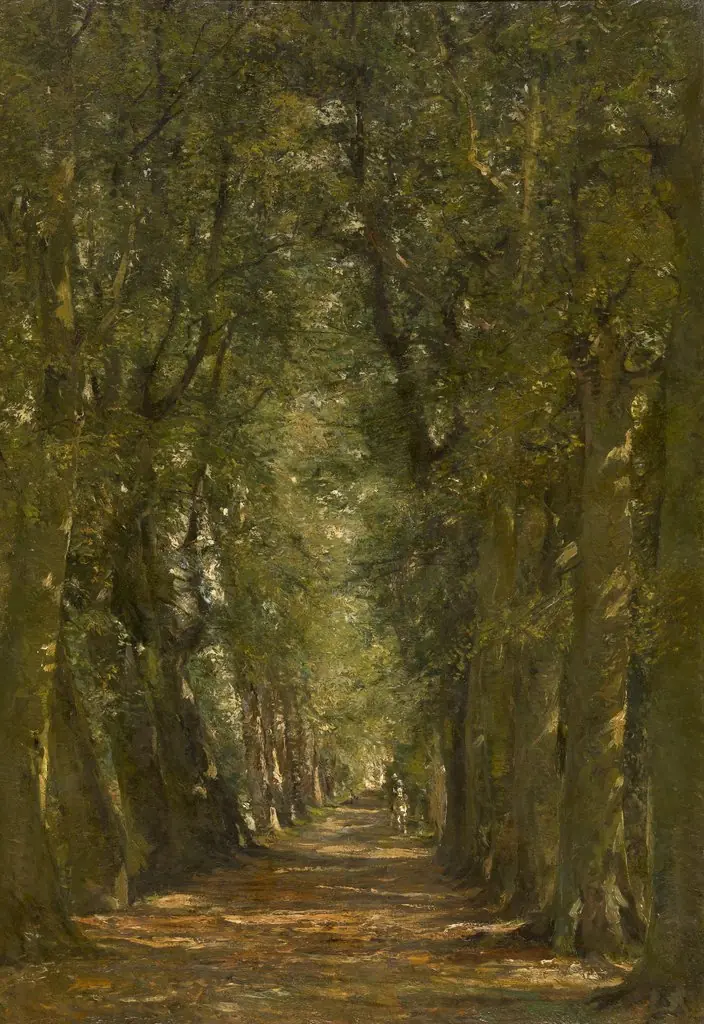 Sunny Lane
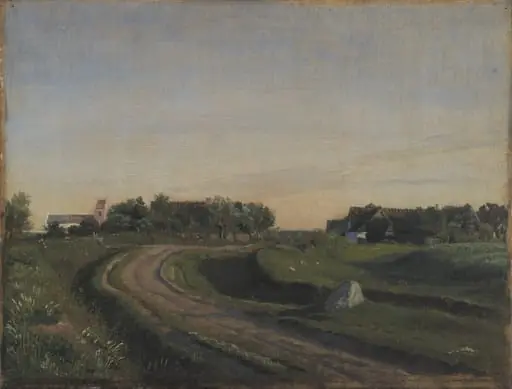 Vejby with the Church seen from the North. Evening Light. Zealand
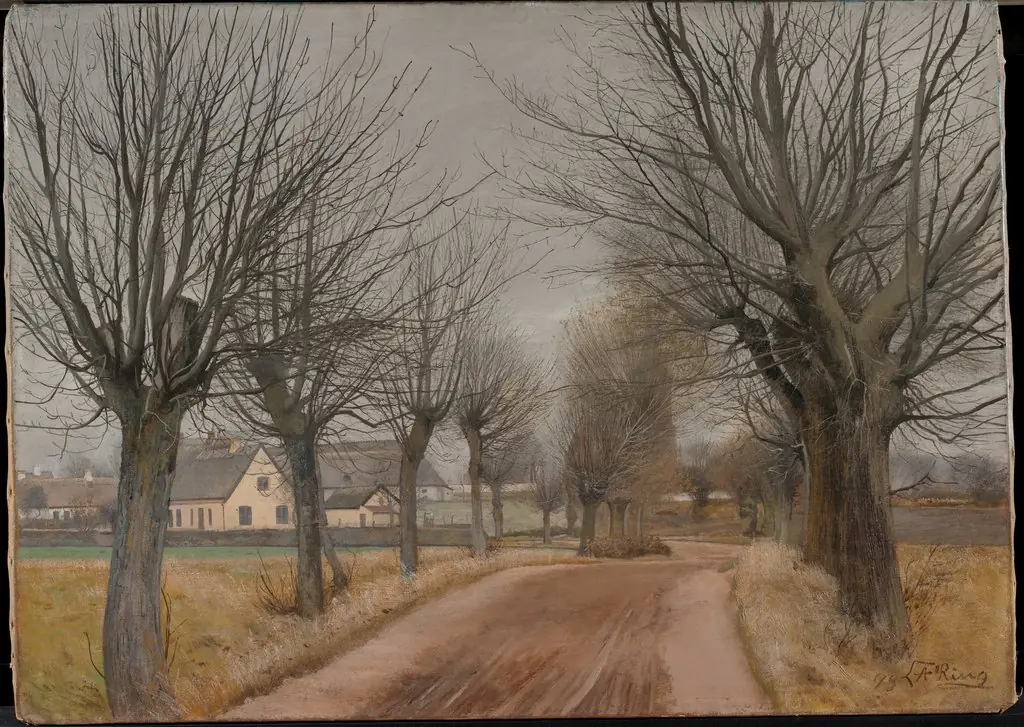 A Road near Vinderød, Zealand
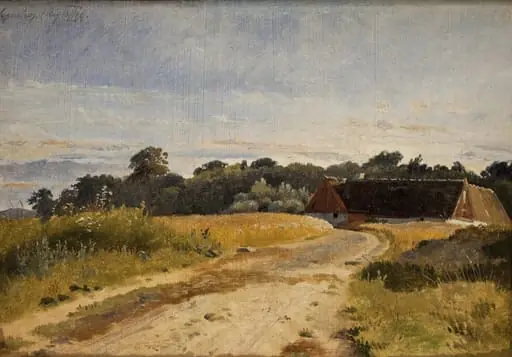 A Croft at Lodskov near Vognserup Manor. Study
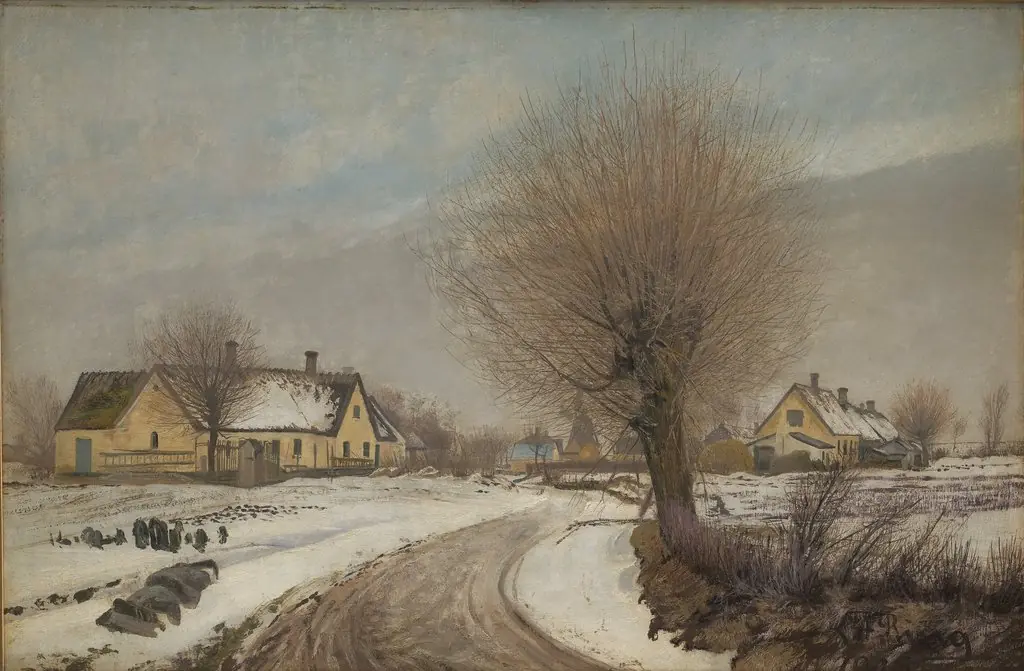 A Sealand Village. Winter
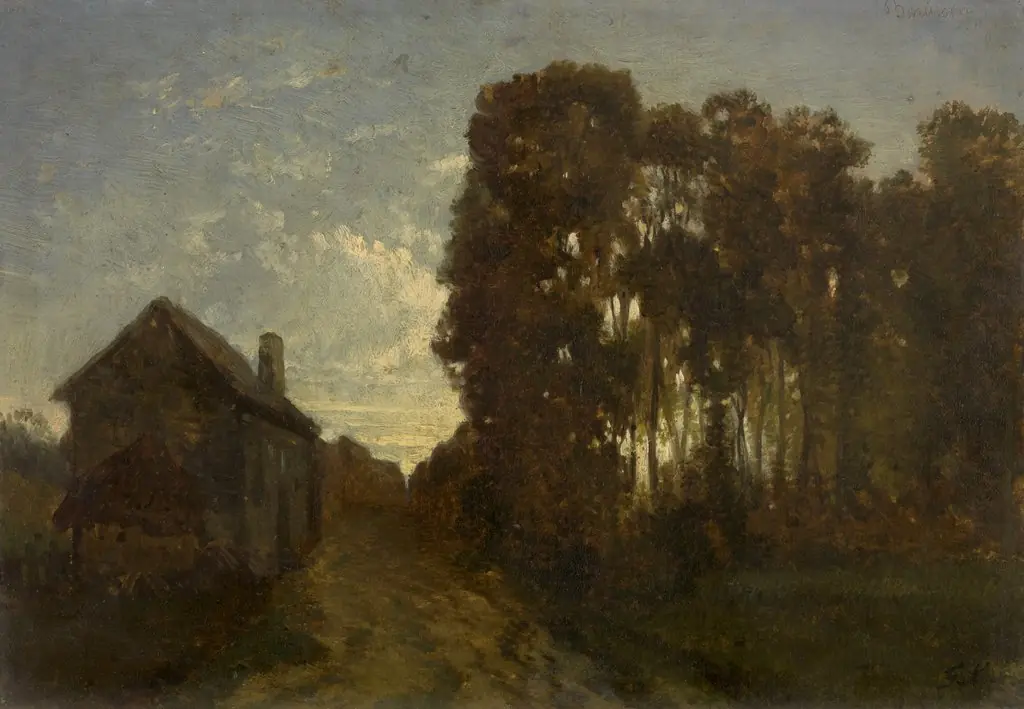 Barbizon at Dusk
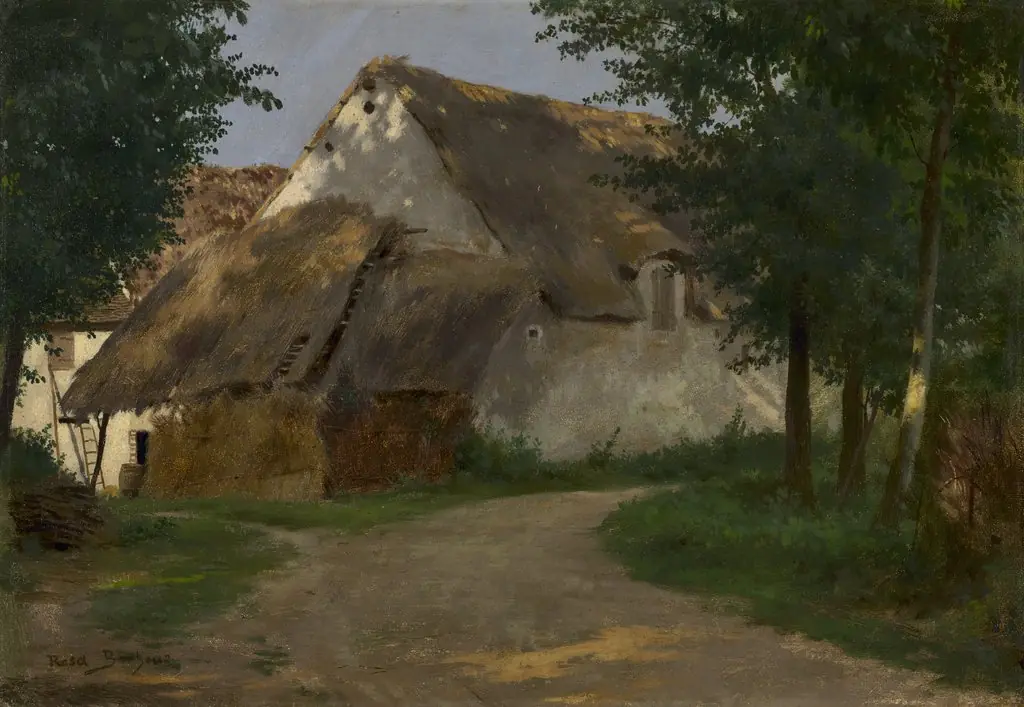 The Farm at the Entrance of the Wood
 The Citadel in December