Artwork
Peristyle with Lucrece
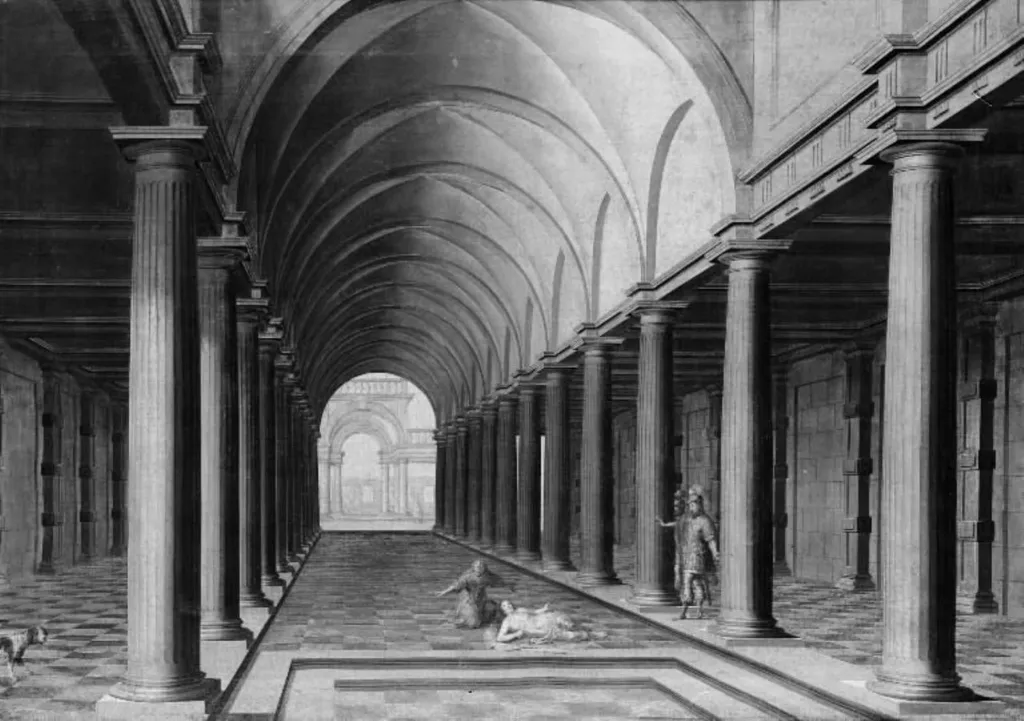
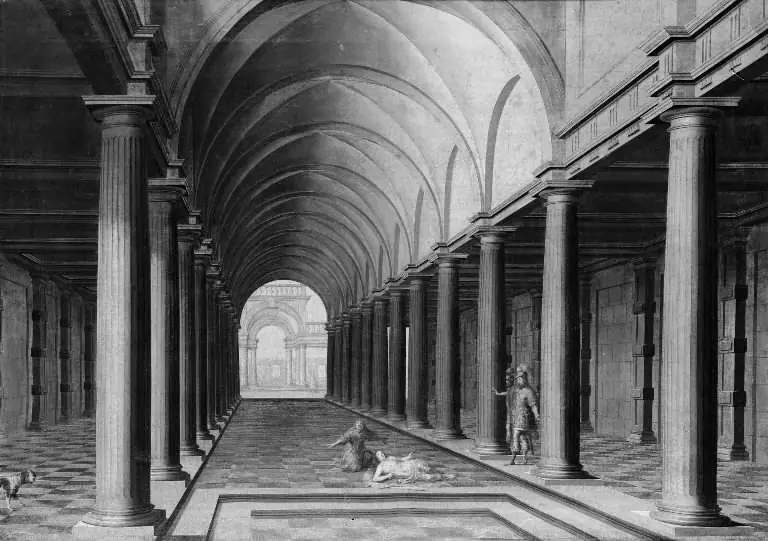
Peristyle with Lucrece is a photography by Unknown. It dates from 1630 and is held in the collection of the Statens Museum for Kunst. Created around 1630, this painting depicts a classical architectural space inhabited by a moment of quiet tragedy.
About this work
Overview
The artist rendered a peristyle—columns supporting a covered walkway—with precise perspective and a checkerboard floor.
Created around 1630, this painting depicts a classical architectural space inhabited by a moment of quiet tragedy. The artist rendered a peristyle—columns supporting a covered walkway—with precise perspective and a checkerboard floor. A woman lies prone in the foreground, flanked by two men in differing postures. The composition channels a narrative tension through spatial depth and controlled lighting, evoking a historical or mythological moment without explicit identification.
Subject & Meaning
The scene likely references the story of Lucretia, the Roman noblewoman whose suicide after assault became a symbol of virtue and resistance to tyranny. Her prone form, the watchful and averted gazes of the men, and the solemn architecture together suggest moral gravity. The setting, neither domestic nor battlefield, elevates the moment to a timeless, almost ritualized plane, emphasizing consequence over action.
Technique & Style
The artist employed chiaroscuro to model forms with strong contrasts between light and shadow, enhancing the three-dimensionality of the columns and figures. Architectural details—arches, moldings, and tiled flooring—are rendered with meticulous realism, reflecting an interest in classical antiquity. The figures are posed with restrained gestures, avoiding theatricality; their stillness amplifies the emotional weight of the scene.
History & Provenance
The painting entered the collection of the Museum of Ethnography in the early 20th century, though its origins prior to that remain undocumented. Its attribution to the artist identified as 6632_person is based on stylistic analysis and archival records from the period, though no signed or dated variants are known. The work’s journey from private collection to institutional custody is not fully traceable.
Context
In the early 17th century, Northern European artists frequently turned to classical narratives to explore themes of honor, virtue, and moral crisis. This painting aligns with a broader trend of using architectural settings to frame psychological drama, influenced by Italian Renaissance precedents and the growing interest in antiquity among collectors. The choice of Lucretia reflects contemporary moral discourse rather than literal historical depiction.
Legacy
Though not widely exhibited or reproduced, the painting contributes to a lesser-known strand of Baroque narrative painting that prioritizes introspection over spectacle. Its quiet intensity and architectural precision distinguish it from more dramatic treatments of the same myth. It remains a quiet testament to how classical stories were adapted to convey emotional gravity through controlled composition and atmosphere.
Artist & collection

 Domestic Scene
 Giacomo and Cardinal Marco, investing Andrea, Abbot of San Zeno, with his Benefice
 The Nymph of Fontainebleau
 Portrait of a Woman
 Madonna and Child with Saints in the Enclosed Garden
 Venus and Minerva
 Family Group of Four on Sofa
 Wall painting from Room H of the Villa of P. Fannius Synistor at Boscoreale
 Colonnade
 Colonnade
 Old Man Received by a Gentleman in an Oriental Costume
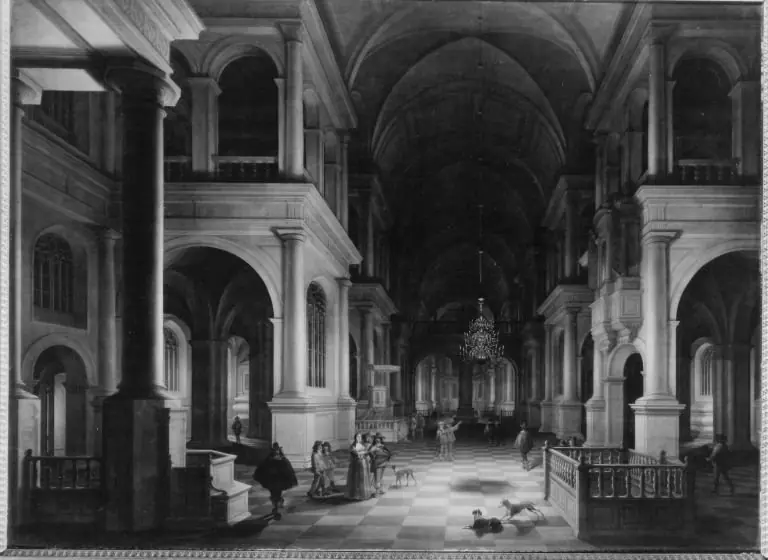 Nächtliches Interieur einer Kirche im Renaissancestil
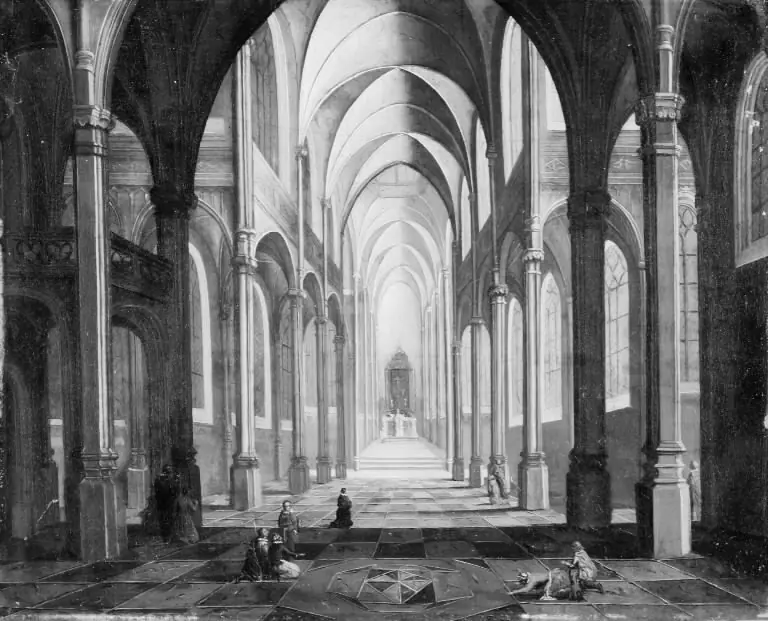 Interior of a Church
 Interior of a Church
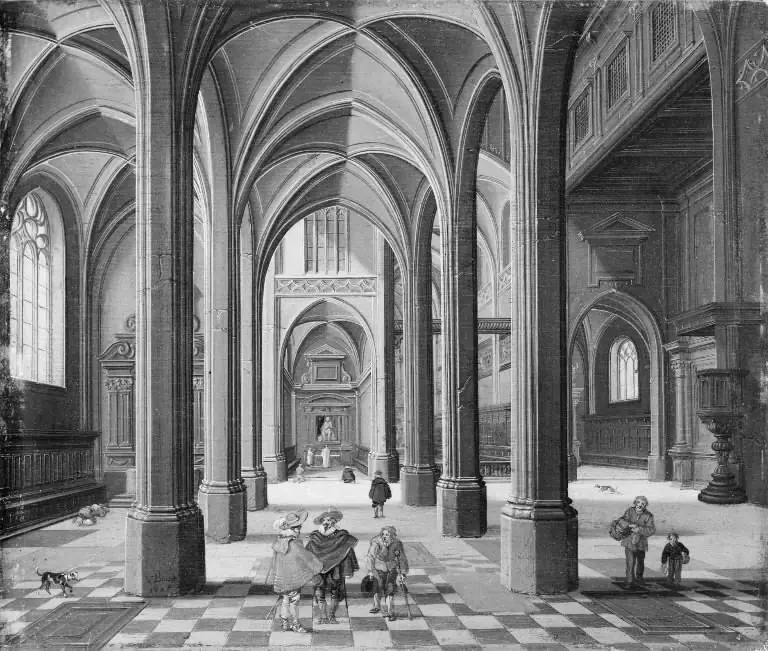 Interior of a Church
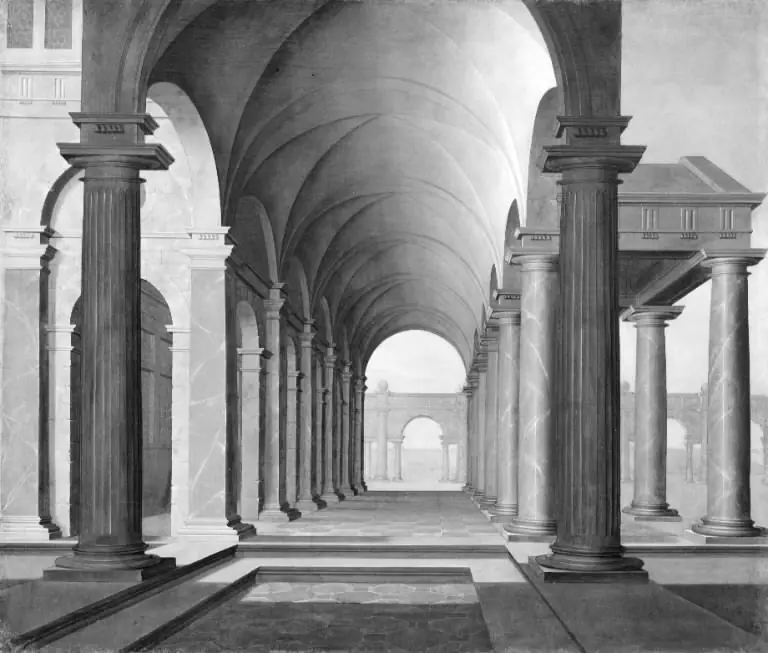 Architectural Fantasy
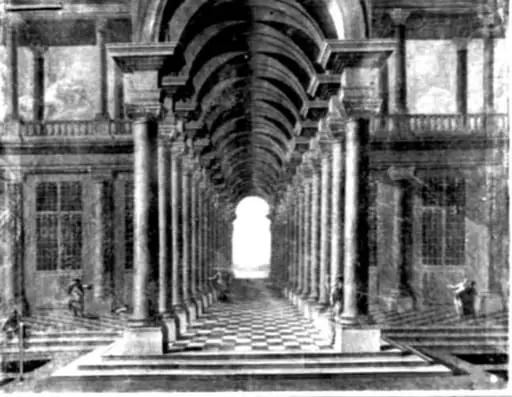 Sală cu coloane; pandant: Fântână arteziană cu obeliscuri
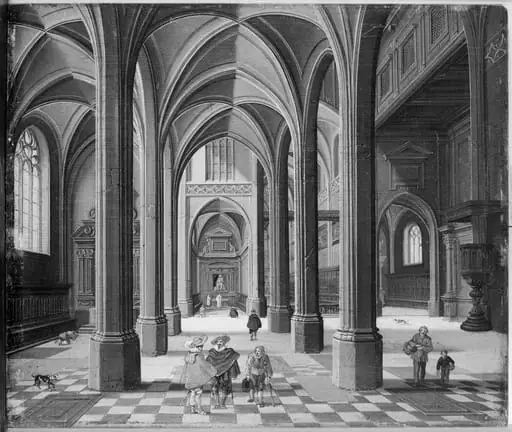 Interior of a Church
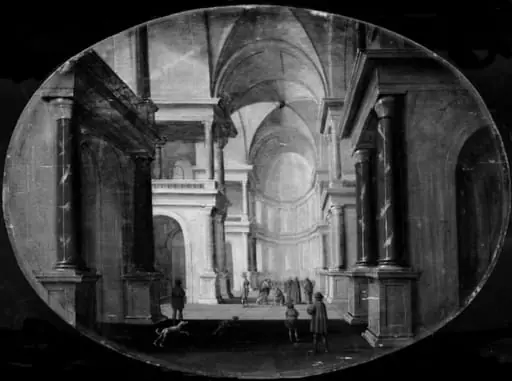 Interior of a Church
 Peristyle with Lucrece