Artwork
The Return of the Prodigal Son
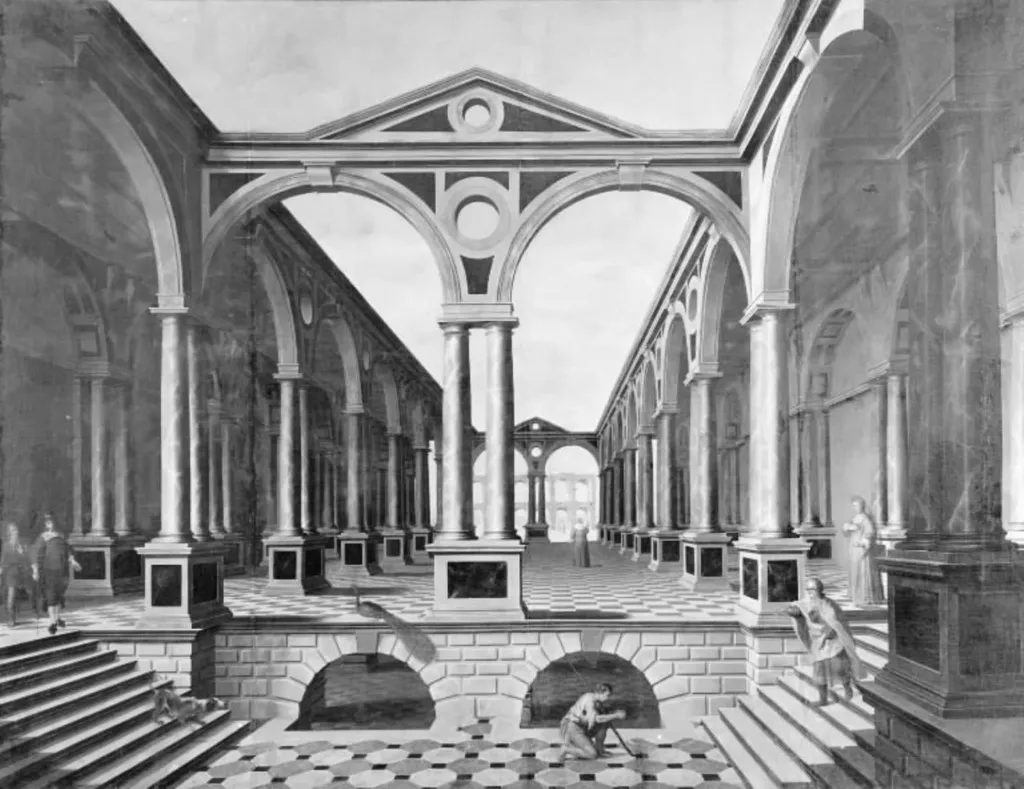
The Return of the Prodigal Son is a photography by Unknown. It dates from 1630 and is held in the collection of the Statens Museum for Kunst. Painted around 1630, this work depicts the biblical parable of the prodigal son’s homecoming.
About this work
Overview
The composition centers on a moment of reconciliation, framed by architectural grandeur that underscores the emotional weight of the narrative.
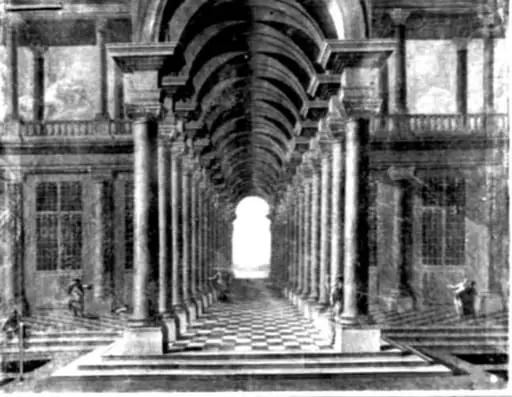
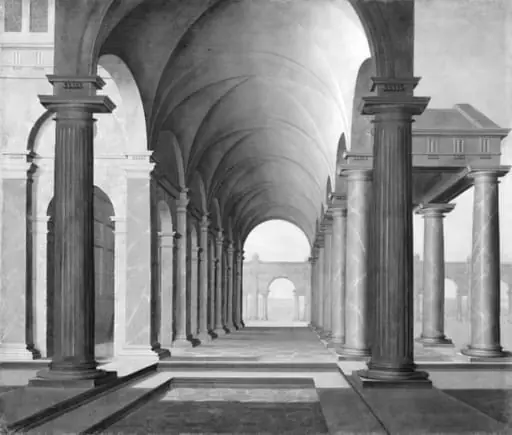
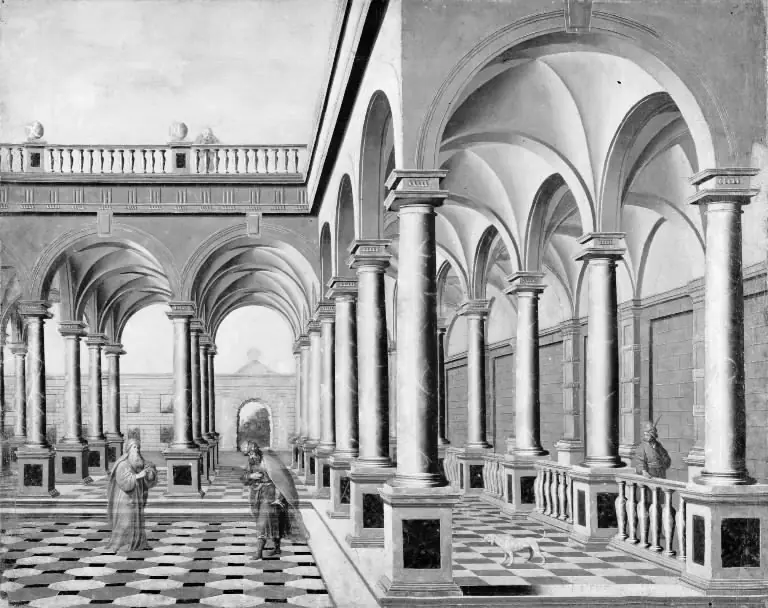
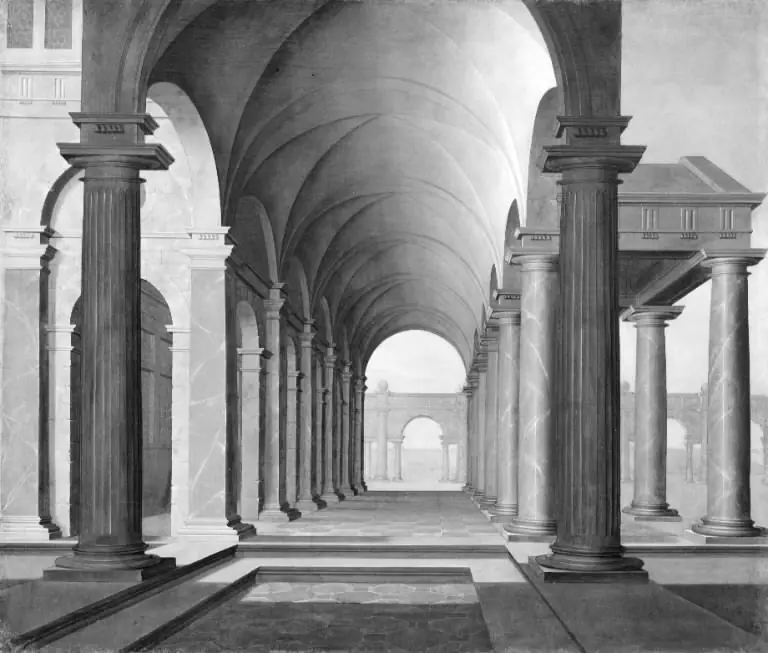
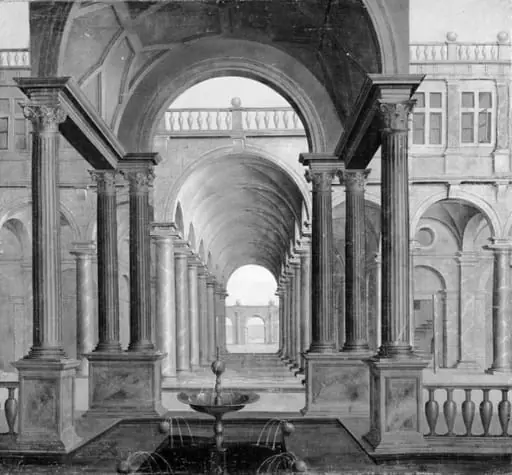
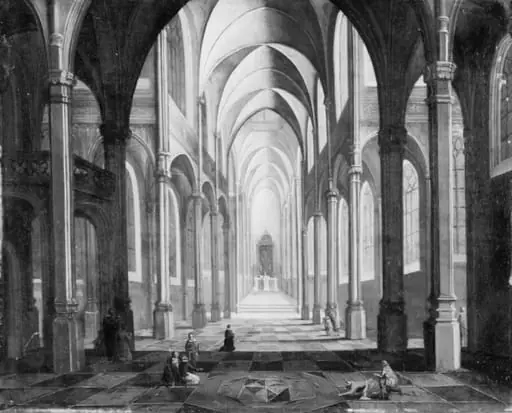
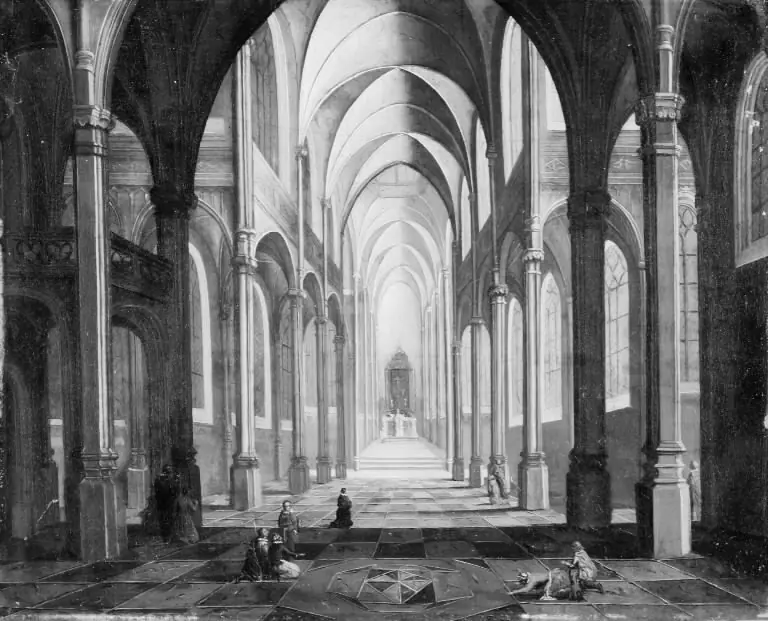
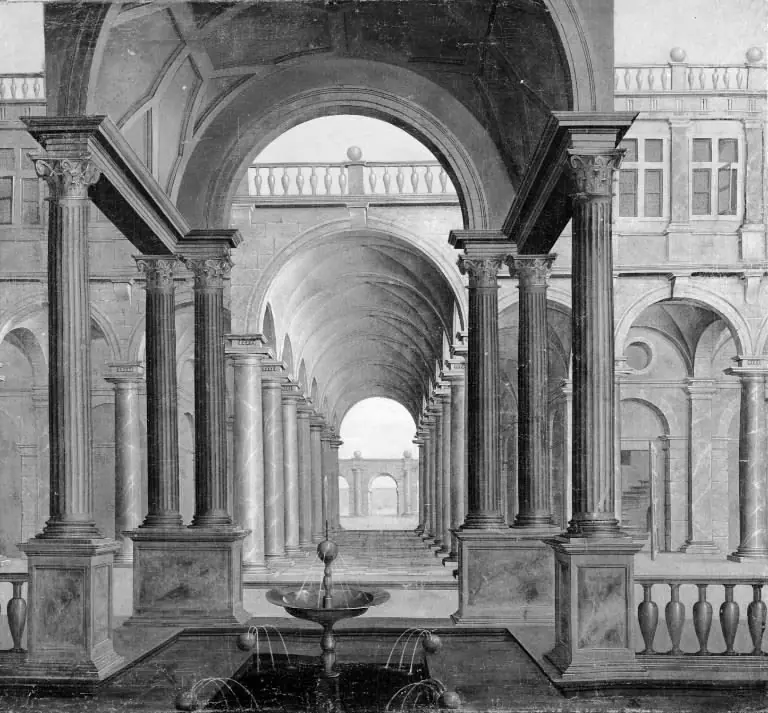
Painted around 1630, this work depicts the biblical parable of the prodigal son’s homecoming. The scene unfolds in a vast, arcaded interior with stone flooring, towering columns, and multiple doorways. Light filters through high windows, casting a solemn clarity over the figures. The composition centers on a moment of reconciliation, framed by architectural grandeur that underscores the emotional weight of the narrative.
Subject & Meaning
The painting illustrates the moment the younger son, having squandered his inheritance, returns humbly to his father. The father’s outstretched arms and the son’s kneeling posture convey forgiveness and repentance. Surrounding figures—servants, onlookers—observe in silence, their presence amplifying the intimacy of the reunion. The setting, though monumental, serves not to distract but to elevate the moral gravity of mercy and redemption.
Technique & Style
The artist employs chiaroscuro to define forms and direct focus toward the central figures. Rich textures in fabric and stone contrast with the muted tones of the background, enhancing spatial depth. Brushwork is precise yet restrained, avoiding theatricality. Architectural elements are rendered with careful perspective, grounding the spiritual moment in a tangible, measurable world.
History & Provenance
The painting entered the collection of the Museum of Ethnography in the late 19th century, though its earlier ownership remains undocumented. Its attribution to the artist associated with the title is based on stylistic analysis and archival records from the period. No definitive records of its commission or original location have been found, leaving its early context partially obscured.
Context
Created during the height of Baroque religious painting in Northern Europe, the work reflects a cultural emphasis on personal faith and divine mercy. While similar themes appear in works by Rembrandt and others, this version distinguishes itself through its architectural setting and subdued emotional tone, aligning with regional devotional practices that favored quiet introspection over dramatic spectacle.
Legacy
Though not widely reproduced or publicly celebrated, the painting remains a significant example of 17th-century biblical interpretation in a non-Italian context. Its quiet dignity and architectural precision have influenced later academic studies of religious narrative in Northern European art. It continues to be studied for its understated approach to a universally resonant theme.
Artist & collection

 Domestic Scene
 Giacomo and Cardinal Marco, investing Andrea, Abbot of San Zeno, with his Benefice
 The Nymph of Fontainebleau
 Portrait of a Woman
 Madonna and Child with Saints in the Enclosed Garden
 Venus and Minerva
 Family Group of Four on Sofa
 Wall painting from Room H of the Villa of P. Fannius Synistor at Boscoreale