Artwork
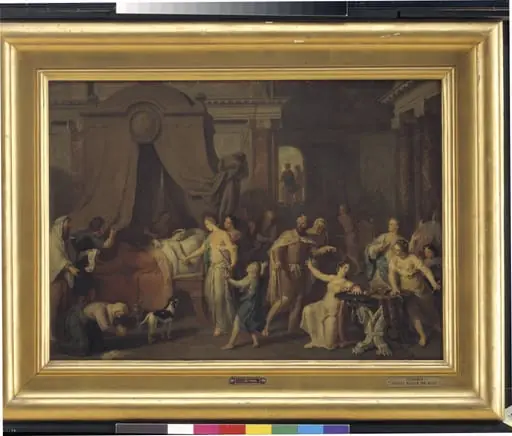
Barselstuen, III akt, 6. scene
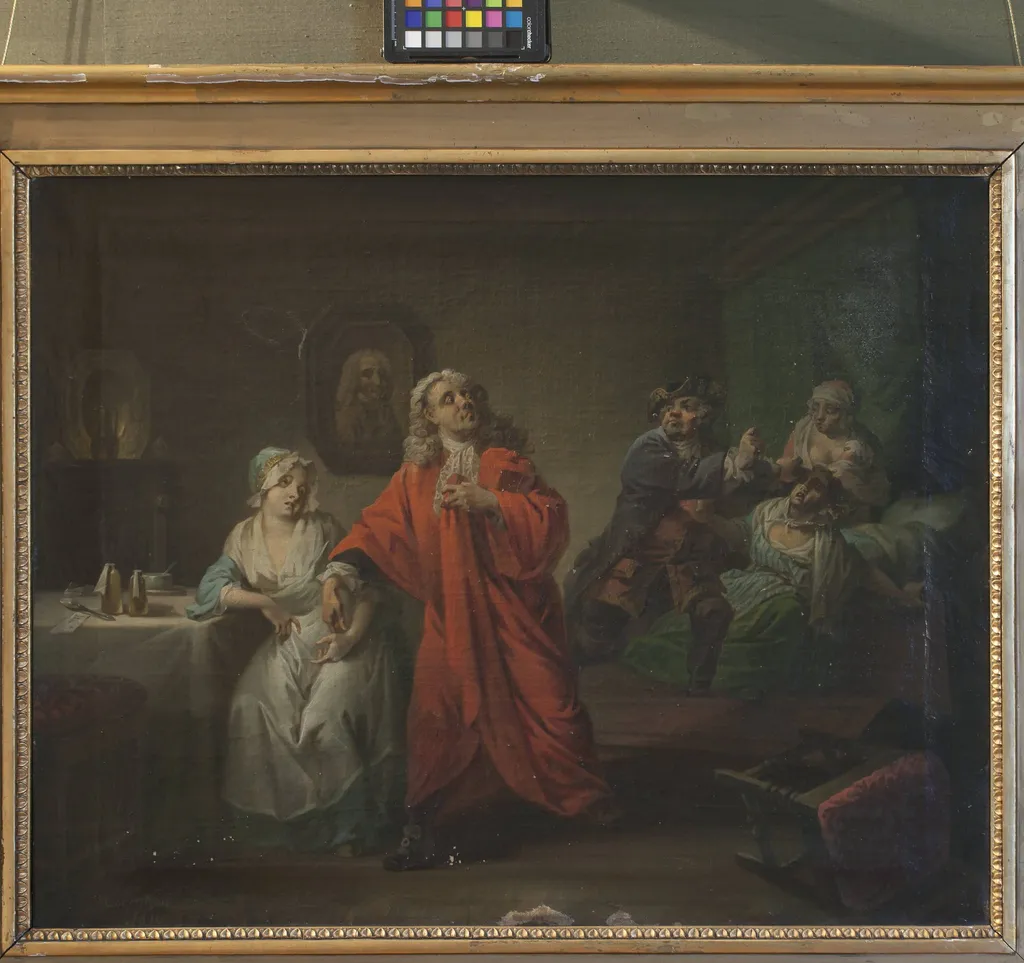
Barselstuen, III akt, 6. scene is a photography by the Romanticist artist Unknown. It dates from 1810 and is held in the collection of the Statens Museum for Kunst. Created in 1810 by 693_person, this image captures a moment from the third act, sixth scene of Barselstuen.
About this work
Overview
Created in 1810 by 693_person, this image captures a moment from the third act, sixth scene of Barselstuen. It is part of a larger theatrical or narrative series and is currently held in the collection of the Museum of Ethnography. The composition centers on a single figure illuminated against a dark interior, suggesting a moment of tension or revelation within a domestic or ritual setting.
Subject & Meaning
The lighting isolates the central figure, implying authority, urgency, or moral weight in the moment being portrayed.
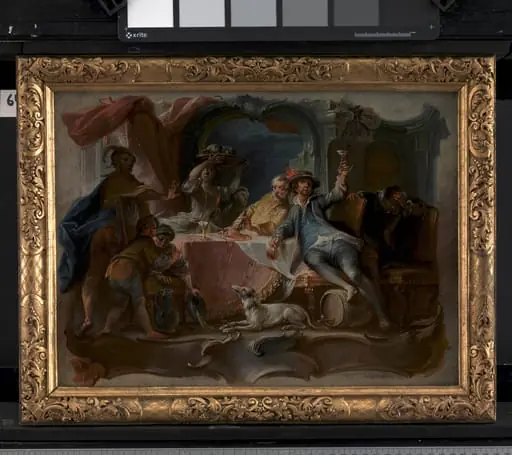
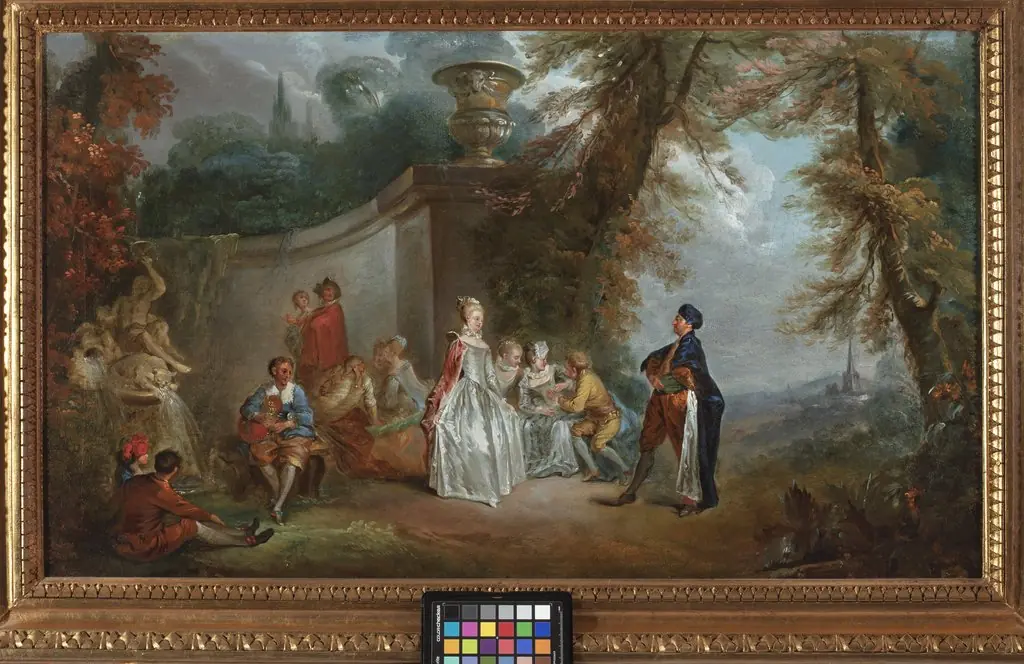
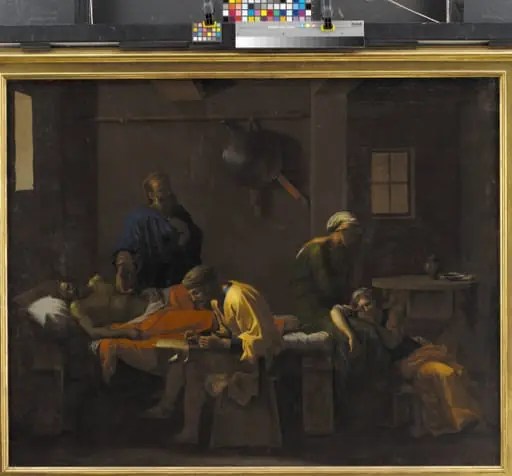
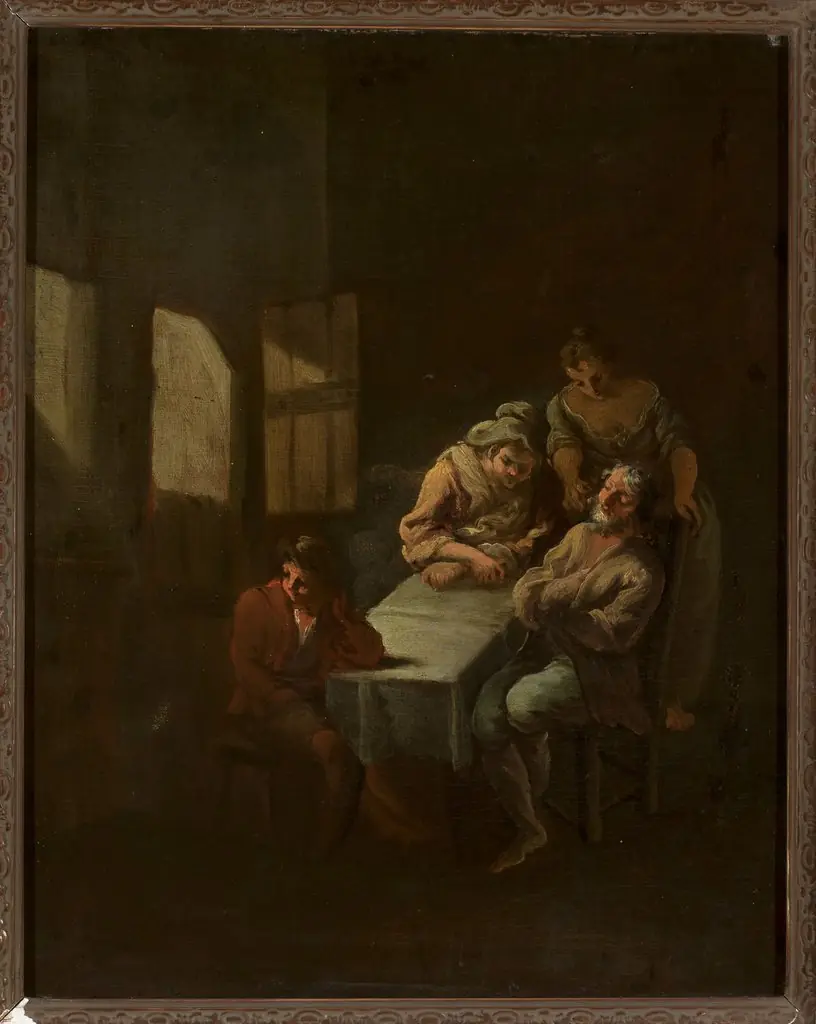
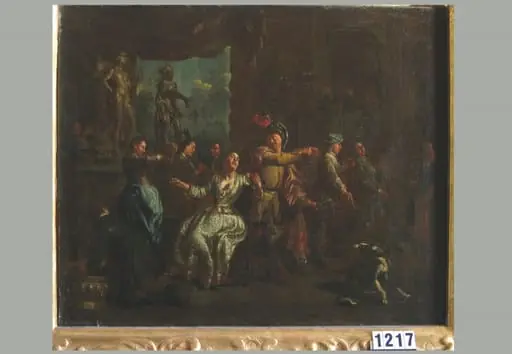
The scene depicts a man in a vivid red coat, centrally positioned and gesturing as if addressing those around him. To his left, a woman in a pale dress sits still, contrasting with the active posture of the man. Others in the room observe with varied reactions, hinting at emotional or social dynamics. The lighting isolates the central figure, implying authority, urgency, or moral weight in the moment being portrayed.
Technique & Style
The artist employs chiaroscuro to heighten emotional focus, using stark contrasts between light and shadow to define form and direct attention. The red coat, sharply lit, becomes the visual anchor, while the surrounding figures recede into darkness. The faint glow from the upper left suggests an unseen light source, possibly a window or lamp, enhancing the sense of intimacy and drama without revealing the room’s full context.
History & Provenance
The work entered the Museum of Ethnography’s collection as part of a broader documentation of cultural performances or domestic rituals. Its origin as a scene from Barselstuen suggests it may have been produced for theatrical illustration or as a study for a larger narrative cycle. The date of 1810 places it within a period of growing interest in domestic and emotional realism in Northern European visual culture.
Context
Barselstuen, meaning 'The Healing Room,' likely refers to a traditional or symbolic space for care, confession, or communal resolution. The scene reflects early 19th-century Scandinavian interest in portraying private emotional moments with psychological depth. The use of theatrical lighting and focused composition aligns with broader European trends in genre painting and stage-inspired imagery of the era.
Legacy
This image contributes to a body of work that documents everyday rituals through a lens of heightened realism and emotional nuance. Its preservation in an ethnographic museum underscores its value as a record of social behavior and visual storytelling traditions. While not widely reproduced, it remains a quiet example of how light and gesture were used to convey unspoken narratives in early 19th-century Nordic art.
Artist & collection

 Domestic Scene
 Giacomo and Cardinal Marco, investing Andrea, Abbot of San Zeno, with his Benefice
 The Nymph of Fontainebleau
 Portrait of a Woman
 Madonna and Child with Saints in the Enclosed Garden
 Venus and Minerva
 Family Group of Four on Sofa
 Wall painting from Room H of the Villa of P. Fannius Synistor at Boscoreale